What Happens at the Immigration Counter Upon First Arrival?
That exhilarating moment when your plane touches down at Hong Kong International Airport can quickly turn into a minor anxiety attack as you contemplate the long lines at immigration. You’ve just landed in a bustling new city, and the last thing you want is a bureaucratic hiccup right at the start. This comprehensive guide will walk you through exactly what to expect at the Hong Kong immigration counter upon your first arrival, ensuring you glide through the process smoothly and confidently.
Preparing for Landing: Your Pre-Arrival Immigration Checklist
Before you even step foot off the plane, a smooth immigration experience starts with solid preparation. Hong Kong’s Immigration Department is efficient, but they appreciate preparedness, and having your ducks in a row will save you a lot of potential stress. Think of it as setting the stage for your grand entrance into this vibrant city.
Essential Documents to Have on Hand
This might seem obvious, but you’d be surprised how many people dig through their carry-on at the last minute. Your passport is, of course, number one, but don't forget the visa or entry permit that got you here. For many expats, this could be a work visa like the one obtained through the General Employment Policy (GEP) or even the increasingly popular Top Talent Pass Scheme (TTPS). For those joining family, your Dependent Visas in HK are key. Printouts of your visa approval letter, even if you’ve already received an e-Visa, are always a good idea. Technology is great, but a physical backup can be a lifesaver if your phone decides to die at the critical moment.
Furthermore, make sure all your supporting documents, such as marriage certificates for dependent visas or academic credentials for work permits, are readily accessible. If these documents aren't already in English or Chinese, it's absolutely crucial to have them professionally translated by a certified service. Companies like RushTranslate can provide notarized translations, which Hong Kong authorities often require for official documents. Having these in order before you arrive will prevent any last-minute scrambling or questioning.
Understanding Your Entry Requirements: Visa vs. Visa-Free
Hong Kong has generous visa-free entry for citizens of many countries, often allowing stays of 90 to 180 days. If you’re arriving on a Visitor Visa and Visa-Free Entry to Hong Kong, the process is generally straightforward: just present your passport and perhaps your onward ticket if asked. However, if you’re coming here to live, work, or study, you’ll have a specific visa type. This distinction is vital because it determines which queue you’ll join and what information the immigration officer will be looking for.
For instance, if you've applied for and received an e-Visa System: Applying, Downloading, and Airport Clearance, you'll still need to ensure you have either a printout or a readily accessible digital version on your phone. The officers will scan the QR code to confirm your entry permission. Don't assume they have everything on their system; having your own copy is paramount. If you are a non-local graduate, you might be entering on an IANG Visa, which has specific conditions you should be aware of.
Bringing Your Pets or Special Items
While the primary focus of immigration is you, if you're bringing along your furry companions, remember their process is often separate but equally critical. Hong Kong has strict animal import regulations. Your pet’s arrival might be coordinated with specific AFCD procedures, and it’s likely you’ve already worked with a specialist like Pet-Journey to handle the permits and quarantine requirements well in advance. Having all pet-related documentation ready, even if you won't present it at the human immigration counter, ensures a smooth overall arrival experience in Hong Kong. Similarly, any declaration for large amounts of currency or specific medications should be handled with appropriate forms, usually separate from general immigration.
Navigating the Arrival Hall: From Plane to Passport Control
Stepping off the plane at Hong Kong International Airport (HKIA) can be quite an experience. The airport is massive and incredibly efficient, but it can still be daunting for first-timers. Knowing the general flow will help you feel more in control.
Following the Signs to Immigration
Once you disembark, you’ll be guided by clear signs towards "Immigration" or "Arrivals." These signs are usually in English and Chinese, so they are easy to follow. You might have a bit of a walk, especially if your gate is at the far end of the terminal, or you might need to take the automated people mover (APM) to the main terminal building where immigration is located. Just keep following the signs – they are designed to lead you exactly where you need to go. This journey can sometimes take 10-20 minutes, so factor that into your expectations, especially after a long flight.
The path is generally straightforward, leading you past duty-free shops and other airport facilities. Resist the urge to linger; your first priority is to clear immigration. You'll see signs indicating the distance to immigration and baggage claim, giving you a sense of how much further you have to go.
Choosing the Correct Queue
This is where many new arrivals hesitate. At the immigration hall, you'll see various lanes. Typically, these are:
- Hong Kong Residents: For those with an HKID card.
- e-Channel: For eligible Hong Kong residents and frequent visitors who have registered.
- Visitors/Non-Hong Kong Residents: This is likely your queue upon first arrival.
Even within the "Visitors" lanes, you might see further distinctions, perhaps for specific visa types or sometimes for certain nationalities, though this is less common. If you have an electronic visa, you generally still go through the "Visitors" line, where an officer will manually process your entry. Don't be tempted to try the e-Channel unless you've explicitly registered for it prior to arrival, as you'll just be redirected, wasting precious time. Pay close attention to the overhead signs for each lane, and if in doubt, don't hesitate to ask one of the airport staff or a uniformed immigration officer for guidance. Better safe than sorry!
The Immigration Counter Experience: What to Expect
This is the moment of truth. Approach the counter confidently, but respectfully, with all your documents ready. The interaction is usually brief and professional, but it’s essential to be prepared for any questions.
The Interaction with the Immigration Officer
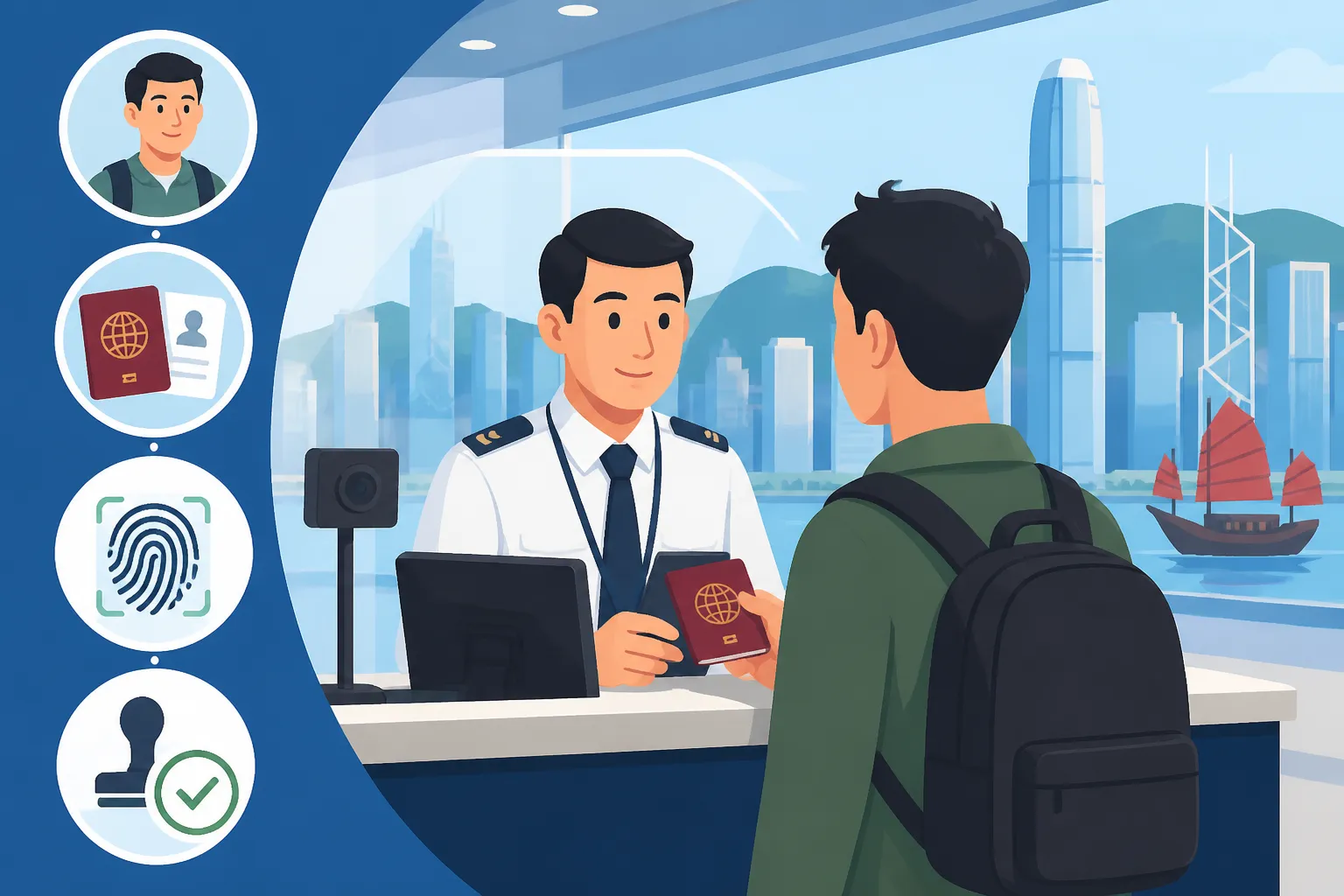
When it's your turn, step up to the counter. The officer will typically ask for your passport and any visa documents. Place them flat on the counter. Maintain eye contact and be ready to answer a few standard questions. They might ask:
- "What is the purpose of your visit?" (e.g., "I'm here to work for [Company Name]," or "I'm visiting family," or "I'm here as a tourist.")
- "How long do you intend to stay in Hong Kong?"
- "Where will you be staying?"
- "Do you have a return ticket?" (especially for visitors)
For those on work or dependent visas, they might also ask about your employer or your relationship to your sponsor. Be honest and concise with your answers. The officers are simply verifying the information on your visa application. They're looking for consistency and legitimacy, not trying to trick you. Sometimes, if there are discrepancies or missing information, this is when you might face a more detailed inquiry, potentially leading to you being directed to a separate interview room. This is rare for legitimate visa holders but can happen, especially if your Travel Documents Required for e-Visa Entry at HKIA were not entirely clear.
The All-Important Landing Slip
Once the officer is satisfied, they will stamp your passport (if applicable) and, crucially, issue you a small slip of paper called a "landing slip" or "landing endorsement." This little slip is incredibly important. It contains your conditions of stay, including the type of visa, and more importantly, your permitted period of stay. Unlike some countries that stamp a duration directly into your passport, Hong Kong relies heavily on this separate slip.
Do NOT lose this slip. It is essentially your temporary visa proof and is required for many administrative tasks in your first few weeks, such as applying for your Hong Kong Identity Cards (HKID) or even opening a bank account. Forgetting it or misplacing it can cause significant headaches down the line. Tuck it securely into your passport or another safe, easily accessible place. Seriously, treat this slip like gold. Many expats, myself included, have had minor panic attacks searching for this piece of paper when filling out forms.
Here’s a quick overview of what you might expect at the counter:
| Document/Item | Purpose | Key Consideration |
|---|---|---|
| Passport | Primary identification and nationality proof | Must be valid for at least six months |
| Visa/Entry Permit | Proof of legal entry purpose | Keep a printout or accessible digital copy |
| Landing Slip (Issued) | Proof of conditions and duration of stay | Crucial! Do not lose this slip. |
| Onward/Return Ticket | Proof of intent to leave (for visitors) | May be requested by immigration officers |
| Supporting Docs | Employer letter, marriage certs, etc. | Have originals & copies, especially if translated |
Beyond the Gate: Your First Steps in Hong Kong
Congratulations! You’ve cleared immigration. The hard part is over, but there are still a few immediate steps you should take and things to keep in mind as you embark on your Hong Kong journey.
Collecting Luggage and Customs Declaration
After immigration, follow the signs to baggage claim. Find your flight number on the screens to identify the correct carousel. Once you have your luggage, you'll proceed to customs. Hong Kong operates on a "red and green channel" system. If you have nothing to declare (most personal items and common goods fall into this category), head through the green channel. If you're bringing in restricted items, large sums of cash (over HKD 120,000, for example), or goods subject to duty (like large quantities of alcohol or tobacco), use the red channel to make a declaration. Most visitors and new residents will simply pass through the green channel.
The customs process is usually swift, a quick glance from an officer, and you're through. If you're unsure, always opt for the red channel to avoid any potential issues. It's better to declare something and be waved through than to inadvertently break customs regulations.
Planning Your Next Steps: HKID and Beyond
Once you're in the arrivals hall, you're officially in Hong Kong! Your next big administrative task will be registering for your HKID. For most new residents with a valid long-term visa, you are legally required to apply for your HKID within 30 days of arrival. You'll need your passport and that precious landing slip for this. I highly recommend making an appointment online for Booking an Appointment for HKID Registration at ImmD Offices as soon as possible, as walk-in queues can be long. This is detailed in our guide on The 30-Day Rule for Registering a New HKID After Arrival, which is a must-read.
Even if you’re sorted with your visa, having some travel insurance like SafetyWing for those initial days can offer real peace of mind. Hong Kong’s healthcare system is excellent but can be costly if you need to use private services before your local insurance kicks in. Having a backup plan for unexpected medical emergencies or lost luggage is always a smart move.
What to Do If Things Go Wrong
Sometimes, despite all the preparation, things don't go as planned. If an immigration officer pulls you aside for further questioning, remain calm, polite, and cooperative. Answer all questions truthfully and provide any requested documents. If there's a language barrier, politely ask for an English-speaking officer or interpreter. Most officers at HKIA are proficient in English, so this is rarely an issue.
If your visa application was somehow problematic or incomplete, you might unfortunately face a Visa Denials. This is a tough situation, but understanding the common reasons and how to appeal is important. However, if you have a valid visa and all your documents in order, such a scenario is highly unlikely. The key is to be transparent and have all your supporting evidence ready.
The initial immigration process is often the most anxiety-inducing part of moving to a new country. But with a bit of foresight and knowing what to expect, you can navigate it with ease and start enjoying everything Hong Kong has to offer from the moment you land. Welcome to the 852!
Disclaimer
The information provided in this guide is for general informational purposes only and does not constitute legal or immigration advice. While every effort has been made to ensure accuracy, immigration laws and procedures in Hong Kong can change rapidly. Always consult official Hong Kong Immigration Department resources or a qualified immigration professional for the most current and personalized advice. We are not responsible for any actions taken based on the information in this article.