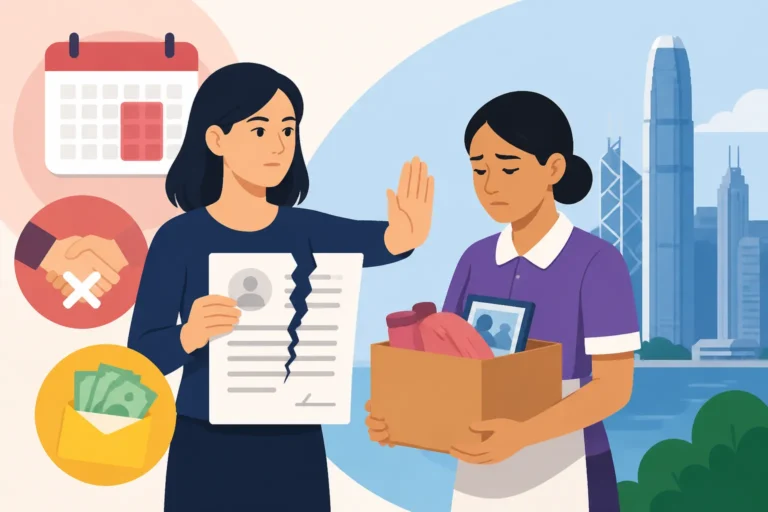
Can My Employer Force Me to Take Annual Leave in HK?
You’re sitting in your office in Central, trying to hit a deadline, when an HR notification pings: "You must take your remaining 10 days of leave by December 31st." I remember feeling incredibly frustrated when my first firm did this to me, as I was saving those days for a trip home. This guide solves the confusion by detailing exactly when an employer can legally force you to take annual leave in Hong Kong.
The Legal Framework of the Employment Ordinance
In Hong Kong, the relationship between an employer and an employee is governed primarily by the Employment Ordinance (EO). While many of us come from jurisdictions where "unlimited PTO" or employee-led scheduling is the norm, Hong Kong's laws are quite specific about the power dynamics of time off. The EO sets a floor, not a ceiling, for your rights, but it also provides employers with significant leverage when it comes to "directing" leave.
Under Section 41AA of the Employment Ordinance, an employee is entitled to paid annual leave after having been employed under a continuous contract for 12 months. The number of days increases with your years of service, starting at 7 days and capping out at 14 days for statutory leave. However, the part that catches most expats off guard is Section 41AA(8), which states that the time of the leave shall be determined by the employer after consultation with the employee.
This "consultation" doesn't necessarily mean "agreement." While a good manager will try to accommodate your preferences, the law ultimately allows the employer to fix the dates of your leave. If they want you to take leave during a slow business period, they are technically within their rights to do so, provided they follow the notice period requirements. Navigating these rules is one of the many Employment Rights in HK: Contracts, MPF, and Statutory Leave that you need to master to survive the local corporate landscape.
The 14-Day Notice Rule
If your employer decides to force you to take leave, they cannot simply tell you on a Friday afternoon that you aren't allowed to come in on Monday. The law requires a specific notice period. Specifically, the employer must give at least 14 days' notice in writing to the employee of the time they have appointed for the annual leave.
This notice period can be shortened, but only if both the employer and the employee agree to it. If you find yourself in a situation where the company is demanding you stay home starting tomorrow to save on costs or "clear the books," you have the right to point to this 14-day requirement. Many newcomers get pushed around because they didn't know this specific clause existed.
It is also important to note that this notice must be in writing. A casual mention in a hallway or a verbal "take next week off" doesn't technically meet the statutory requirement. If you are involved in a dispute later on, having that written trail—or the lack thereof—can be a deciding factor when Resolving Workplace Disputes: Utilizing the HK Labour Department. Always keep a copy of your Understanding HK Employment Contracts: Notice Periods and Probation documents to see if your specific agreement has "opted out" or "enhanced" these notice periods, though they cannot legally provide less protection than the EO.
Statutory vs. Contractual Leave: The Great Divide
This is where things get a bit "Hong Kong nuanced." Most expats in professional roles aren't just getting the statutory 7 to 14 days of leave; they are on "Expat Packages" or enhanced local contracts that offer 20, 25, or even 30 days of annual leave. It is vital to understand that the Employment Ordinance rules regarding "forced leave" and "notice periods" strictly apply to the statutory portion of your leave.
The days you receive above and beyond the legal minimum are considered "contractual leave." The rules for these extra days are governed by the specific wording in your employment contract, not the Employment Ordinance. This means that if your contract says "The company reserves the right to assign all leave at its discretion," they might have even more power over your non-statutory days.
When comparing Statutory Annual Leave vs Company Leave Policies in Hong Kong, you’ll find that many firms are flexible with contractual leave but very rigid with statutory days to ensure they don't run afoul of labor inspections. If your boss is forcing you to take leave, ask them specifically which "bucket" of leave they are tapping into. This distinction matters because the rules for carrying leave over to the next year or "cashing out" leave upon resignation often differ between the two types.
Common Scenarios for Forced Leave in Hong Kong
Why would a company do this? In my experience, it usually falls into three categories. First is the "Firm Holiday." Many architecture firms, law offices, and trading houses in Hong Kong close entirely between Christmas and New Year or during the Lunar New Year. In these cases, the employer usually mandates that employees use their annual leave to cover those days.
The second scenario is the "Leave Clearing" exercise. Hong Kong HR departments are often terrified of "leave liability"—the cash value of untaken leave that stays on the company's books. If you’ve been hoarding your days for a massive three-month sabbatical that your boss hasn't approved, they might force you to take 5 or 10 days now to reduce that liability. This is a very common part of the Workplace Culture in HK: Overtime, Communication, and Office Etiquette that expats often find stifling.
The third, and more stressful, scenario is a business slowdown. If a company is struggling, they might force staff to take paid leave to keep people away from the office while they restructure. While this is better than being laid off, it can feel like a violation of your personal time. Understanding the Statutory vs Public Holidays: Understanding the Difference in HK can help you calculate if your "forced leave" is actually eating into days you would have had off anyway.
| Feature | Statutory Annual Leave (EO) | Contractual Annual Leave (Company) |
|---|---|---|
| Minimum Days | 7 to 14 days (based on years of service) | Anything above the statutory minimum |
| Notice Period | 14 days written notice (unless agreed otherwise) | Regulated by the employment contract |
| Employer Right | Can fix the date after consultation | Usually at employer's discretion |
| Payment in Lieu | Not allowed for the first 10 days | Usually allowed if contract permits |
| Carry Forward | Strictly regulated by Section 41AA | Subject to company policy |
Negotiating and Communicating with HR
If you are being forced to take leave and it genuinely disrupts your life—perhaps you have family visiting later in the year or you’ve already booked non-refundable flights for a different month—don't just roll over. The law says "after consultation," which gives you a window to negotiate.
The key to a successful negotiation in a Hong Kong office is often "face" and "logic." Instead of saying "I don't want to," try "I am concerned that taking leave now will delay the Project X deadline, and I would be happy to take it in October instead to ensure the client is satisfied." Highlighting your dedication to the work often makes a manager more willing to be flexible.
Sometimes, the friction comes from a cultural or language gap. If you’re struggling to articulate your concerns to a local HR team or a Cantonese-speaking boss, improving your communication skills can be a game-changer. Using platforms like Preply or iTalki to practice professional Cantonese or even "Hong Kong English" business nuances can help you navigate these tense HR conversations. I personally used Preply to find a tutor who specialized in Hong Kong labor terminology, which made me feel much more confident when I had to push back on a leave request. Similarly, iTalki is fantastic for finding cultural mentors who can explain the unwritten rules of your specific industry in HK.
Protecting Your Rights and Avoiding Pitfalls
What if the employer forces you to take "unpaid leave"? This is a completely different legal beast. An employer cannot unilaterally force you to take unpaid leave unless there is a specific clause in your contract (which is rare and often legally shaky) or if you agree to it in writing. If the company is "forcing" you to take leave but they aren't paying you for it, they are likely in breach of the Employment Ordinance.
Another common pitfall is the Working Hours in HK: Is Unpaid Overtime Legally Mandatory? trap. Some employers will force you to take annual leave but then expect you to "check emails" or "jump on a few calls" because you are technically still in the city. If you are on annual leave, you are on annual leave. Period. You are not required to work. If you find yourself working through a forced vacation, you are essentially giving the company free labor and wasting your statutory benefits.
If the situation becomes unbearable, or if the employer is clearly violating the 14-day notice rule or forcing unpaid leave, you should document everything. Keep the emails, take screenshots of the HR portal, and if necessary, contact the Labour Department. While no one wants to be the "problem employee," knowing that you have the law on your side provides a necessary safety net. You should also be aware of how this impacts other benefits, like Maternity and Paternity Leave Rights under HK Employment Ordinance, as leave accrual continues even during periods of dispute.
Learning the Language of HK Labor
As an expat, your greatest disadvantage is often a lack of local context. We tend to view labor rights through the lens of our home countries, which can lead to expensive mistakes in Hong Kong. Whether it’s understanding the Minimum Wage in HK: Statutory Rates and Domestic Helper Rules (2026) or knowing how to read a local pay stub, education is your best defense.
Taking the time to learn the basics of Learning Cantonese vs Mandarin for Career Growth in HK isn't just about ordering dim sum; it's about being able to listen to the office gossip and realize that a "firm-wide leave clearing" is coming before it hits your inbox. Using a service like Preply to have a weekly session with a local professional can give you the "insider track" on how these situations are usually handled in firms like yours. iTalki also offers a wealth of tutors who have worked in HR or management in Hong Kong and can role-play these negotiations with you.
In the end, the answer to "Can my employer force me to take annual leave?" is a qualified yes. They have the right to manage their workforce and their liabilities. However, they must do so within the bounds of the 14-day notice rule and after a period of consultation. By knowing where the statutory lines are drawn and where your contractual rights begin, you can ensure that your hard-earned time off remains a benefit, not a tool for company cost-cutting.
Disclaimer
This guide is for informational purposes only and does not constitute legal advice. While the author is a veteran expat with extensive experience navigating Hong Kong's administrative hurdles, labor laws are subject to change and individual circumstances vary. Always consult with a qualified legal professional or the Hong Kong Labour Department regarding your specific employment situation and contract terms. Regardless of what is written here, your signed employment contract and the current version of the Employment Ordinance are the final authorities on your rights and obligations.