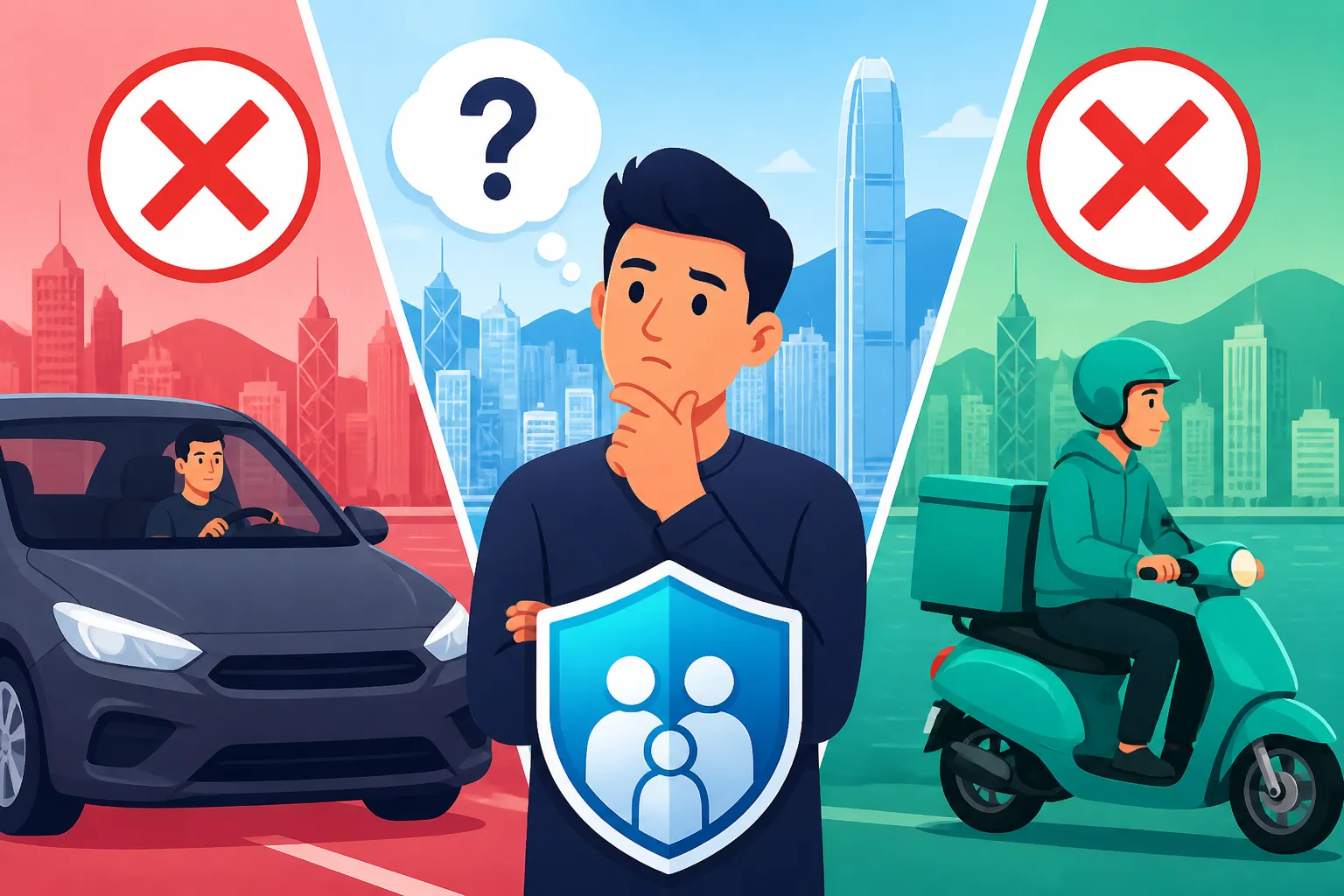
Can I Drive an Uber or Do Deliveroo on a Dependent Visa?
Moving to a new city often comes with a sudden, sharp realization of just how expensive daily life can be, especially when you are staring at a five-figure rent bill for a tiny apartment in Mid-Levels. I remember vividly the stress of watching our savings dwindle during my first six months here while my spouse worked long hours at a bank and I felt stuck. This guide breaks down exactly whether you can legally tap into the gig economy through Uber or Deliveroo to supplement your household income.
The Legal Landscape for Dependent Visa Holders
When you first arrive in Hong Kong and receive that little slip of paper from the Immigration Department, your primary concern is usually just getting through the airport. However, that document—and the subsequent sticker in your passport or your e-Visa—contains the key to your financial freedom in this city. Unlike those on a General Employment Policy (GEP) or a Top Talent Pass Scheme (TTPS) visa, who are generally tied to a specific employer or a specific set of conditions, the dependent visa is the "golden ticket" of the Hong Kong immigration system.
In most cases, if you are the spouse of a person who has been granted a visa for employment, investment, or study in a local university, your "Condition of Stay" will allow you to take up employment or even start your own business without needing prior permission from the Director of Immigration. This is a massive relief because it means you do not have to find a company willing to sponsor you for a fresh work visa. You can check the specific wording on your landing slip; for most spouses, it will state that you are "permitted to stay… and take up any employment." You can find more details on this in my guide on Dependent Visas: Can My Spouse Legally Work in Hong Kong? as the rules can vary slightly depending on the primary visa holder’s status.
However, just because the Immigration Department says you can work doesn't mean every type of work is legal under other Hong Kong laws. This is where the confusion often begins. While your visa status allows you to be an employee or self-employed, you must still comply with the Road Traffic Ordinance and the Business Registration Ordinance. If you are considering the gig economy to fill the gaps in your schedule, you are essentially acting as a freelancer. This means you are technically a business owner in the eyes of the Inland Revenue Department. Before you even download an app, you should understand the implications of Can I Start a Business on a Dependent Visa in Hong Kong? because the gig economy is, by definition, a form of self-employment.
Driving for Uber in Hong Kong Is it Worth the Risk
If you have a car and a valid Hong Kong driver's license, the idea of driving for Uber seems like a no-brainer. You know the city, you have the vehicle, and you want the flexibility. Many expats consider this, but the reality on the ground is significantly more complicated than in London, New York, or Sydney. From an immigration standpoint, as a dependent visa holder, you have the right to work. Therefore, the Immigration Department will not deport you simply for working. The problem lies with the Transport Department.
In Hong Kong, it is illegal to carry passengers for hire or reward without a Hire Car Permit. These permits are notoriously difficult to get and are mostly held by limousine services and high-end hotels. Uber has operated in a legal gray area for years. While the app is active and thousands of people use it daily, the police do conduct periodic "sting" operations. If you are caught driving for Uber without the proper permit, you face a fine, the impounding of your vehicle, and a criminal record for violating the Road Traffic Ordinance. For an expat, a criminal record is a nightmare scenario that could jeopardize your future applications for Right of Abode (Permanent Residency): The 7-Year Journey or even your current visa renewal.
Furthermore, there is the issue of insurance. Most private car insurance policies in Hong Kong specifically exclude "carriage of passengers for hire or reward." If you are involved in an accident while driving for Uber, your insurance company will likely deny your claim, leaving you personally liable for damages. Before you even think about hitting the road, you need to ensure you have gone through the process of Driving in Hong Kong: License Conversion, HKeToll, and Car Ownership and understand the strict liability laws we have here. Unlike some other side hustles, the risks of Uber in Hong Kong often far outweigh the hourly earnings, especially when you factor in the cost of petrol and the sky-high price of parking.
| Factor | Uber Driving | Food Delivery (Deliveroo/Foodpanda) |
|---|---|---|
| Visa Legality | Legal (for most dependents) | Legal (for most dependents) |
| Transport Legality | High Risk (Hire Car Permit required) | Low Risk (if using legal vehicles/walking) |
| Initial Costs | High (Vehicle, Insurance, Fuel) | Low (Bicycle, Thermal Bag, Phone) |
| Flexibility | Extremely High | High (Shift-based) |
| Safety Risk | Moderate (Traffic accidents) | High (Scooter/Bike accidents in traffic) |
| Income Potential | Moderate to High | Low to Moderate |
Becoming a Deliveroo or Foodpanda Courier
If you want to stay within the lines of the law while enjoying the flexibility of a gig app, food delivery via platforms like Deliveroo or Foodpanda is a much safer bet for dependent visa holders. These platforms are fully integrated into the Hong Kong lifestyle, and the city’s extreme density makes "walking" or "cycling" couriers a viable option in areas like Central, Tsim Sha Tsui, or Causeway Bay. Since you are not carrying passengers, you don't run into the Hire Car Permit issues that plague Uber drivers.
To sign up, you generally need your HKID, a Hong Kong phone number, and a bank account for weekly transfers. Many spouses have started doing this just to learn the city's labyrinthine streets and earn a bit of extra cash for Everyday Budgeting in HK: Cost of Living Benchmarks (2026). One thing to be aware of is the physical toll. Hong Kong’s humidity in the summer is no joke, and delivering bags of dim sum up the steep hills of Soho will test your fitness.
There are three main ways to deliver:
- Walkers: This is the most common for expats living in dense areas. You only take short-distance orders. It’s a great way to hit your 20,000 steps a day, but the pay per order is generally lower.
- Cyclists: Faster than walking, but Hong Kong is not a bicycle-friendly city. Outside of the New Territories, you will be fighting for space with double-decker buses and aggressive taxis.
- Motorcyclists: This is where the real money is made in delivery, but it requires a local motorcycle license and your own scooter.
While you are out there delivering, you might find that the language barrier becomes a slight hurdle in older buildings or local restaurants. If you find the physical grind of delivery isn't for you, many expats pivot to more "digital" gigs. For example, if you have a background in education or are a native English speaker, platforms like Preply or iTalki allow you to teach languages from your air-conditioned living room. It’s often much more lucrative than walking the streets of Mong Kok with a thermal bag. We often suggest checking out Learning Cantonese vs Mandarin for Career Growth in HK if you plan on staying long-term, as even a little bit of the local tongue can help you navigate the delivery apps more efficiently.
Managing Your Taxes and Compliance as a Gig Worker
The most overlooked aspect of the "can I work" question isn't the visa—it's the taxman. In Hong Kong, if you are earning an income that does not come from a traditional employer-employee relationship, you are considered a "Sole Proprietor." This means you have a legal obligation to register your business with the Inland Revenue Department (IRD) within one month of starting your activities. Even if you are just doing a few hours a week on Deliveroo or teaching a few students on iTalki, you are technically running a business.
Registration involves applying for a Business Registration Certificate (BRC). While it sounds intimidating, it’s actually a straightforward process of filling out a form and paying a small annual fee. Having a BRC is also essential if you ever want to prove your income for things like Opening a Business Bank Account for a Tech Startup in HK or applying for a personal loan later on. You should also be aware that you will need to set up your own Mandatory Provident Fund (MPF): Contribution Rules and Options account as a self-employed person if you earn more than the minimum threshold.
When tax season rolls around in May, you won't get a neat summary from an employer. You will need to file your own returns. This is where many expats get caught out. I highly recommend keeping a simple spreadsheet of every dollar you earn from the apps and any expenses you incur (like your Preply subscription fees or the cost of your delivery bike). For a deep dive into how to handle this without losing your mind, take a look at Sole Proprietor Tax Returns: How Freelancers File in HK.
Finally, don't forget the competitive nature of the gig economy here. While the apps provide the platform, your success depends on your efficiency. If you find that the gig economy is too unstable, you might want to look into more formal paths. There are many industries always looking for talent, which I detail in my guide on Hong Kong Work Visas: TTPS, GEP, QMAS, and IANG Explained. Even if you have the right to work on your dependent visa, having a clear understanding of the broader job market can help you decide if delivering food is a long-term plan or just a way to pay for a few extra weekend brunches.
Disclaimer
The information provided in this guide is for general informational purposes only and does not constitute legal, financial, or immigration advice. Hong Kong’s laws and regulations regarding visas, transport, and taxation are subject to change. You should always consult with the Hong Kong Immigration Department or a qualified legal professional regarding your specific circumstances and "Conditions of Stay." Driving for ride-sharing platforms without a Hire Car Permit may result in criminal prosecution regardless of your visa status.