Lost or Stolen HKID: How to Report and Replace It
Losing your wallet in a city as efficient and fast-paced as Hong Kong feels like a sudden, jarring halt to your life. Because your HKID is the key to everything from opening bank accounts to accessing public clinics, its absence creates immediate administrative paralysis. This guide provides an empathetic, step-by-step roadmap to reporting the loss and securing a replacement quickly.
Immediate Actions: Reporting the Loss
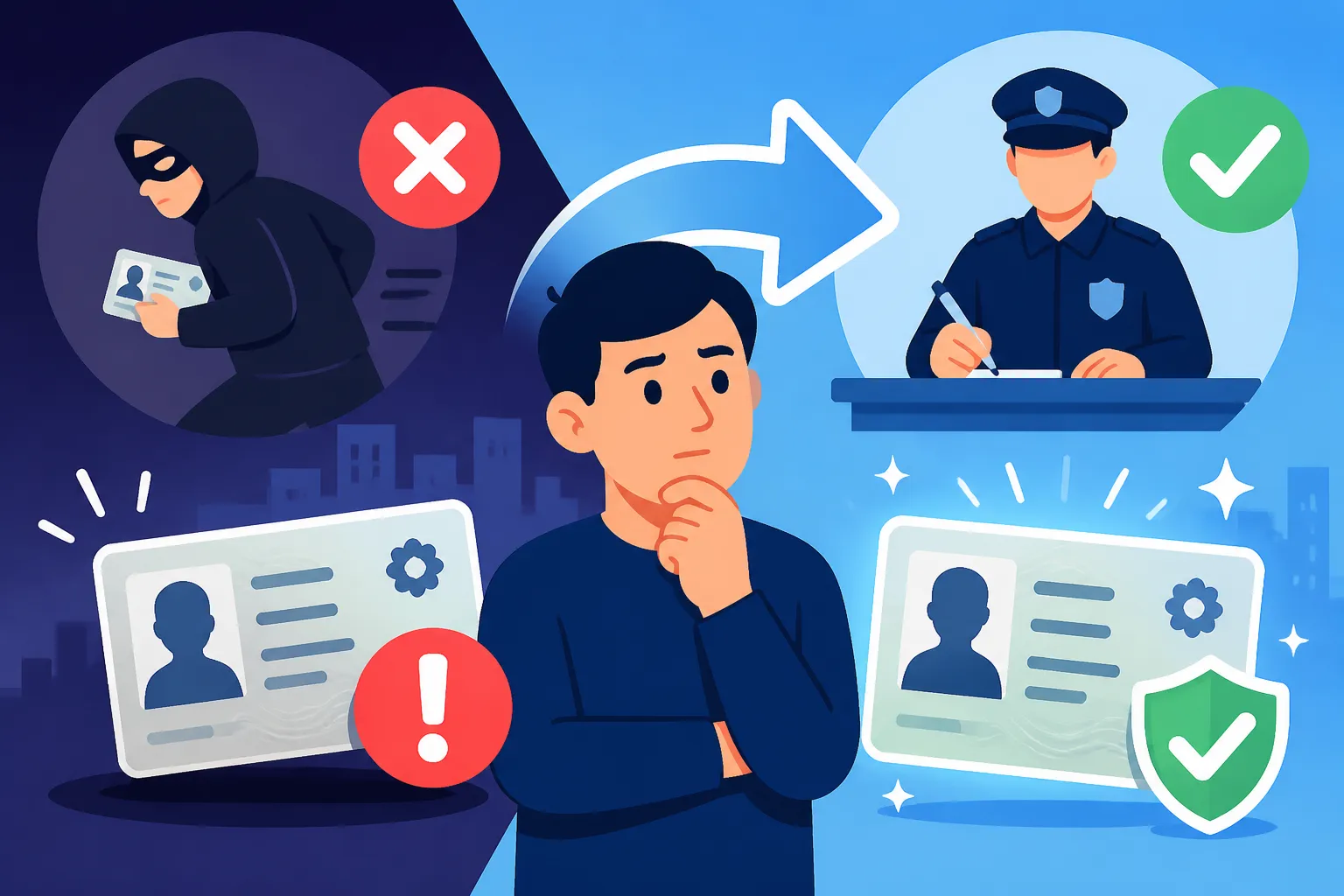
The moment you realize your Hong Kong Identity Card is missing, the clock starts ticking. In a city where "spot checks" by police are a legal reality, being without your card is more than an inconvenience; it is a technical violation of the law. You are legally required to report the loss or destruction of your card to the Immigration Department within 14 days. However, as someone who has navigated the bureaucratic labyrinth of North Point and Wan Chai, I strongly advise you to act within the first 24 hours.
Notifying the Hong Kong Police Force
Your first stop isn't actually the Immigration Department; it is the police. While you can visit any local police station—like the one in Central or the bustling station in Tsim Sha Tsui—the most efficient method for a busy expat is the "e-Report Room." This online portal allows you to file a report for lost property without standing in a physical queue. When you file this report, you will receive a reference number and, eventually, a formal "Loss Memo."
Keep this police report or the reference number safe. It serves as your temporary "get out of jail free" card if you are stopped by police for an ID check before you've had a chance to visit the Immigration Department. It also acts as vital evidence for the replacement process, proving that you have performed your due diligence. If your card was stolen rather than lost, a formal police statement is even more critical, especially if you plan to file a claim with a provider like SafetyWing to recover any costs associated with the theft of your personal effects.
The Legal Requirement for Reporting
Under the Registration of Persons Regulations, every resident must carry their HKID at all times. If your card is lost, destroyed, or defaced, you have a 14-day window to apply for a replacement. Failing to do so can result in fines, though the authorities are generally understanding if you can show you made an appointment as soon as possible.
Some newcomers panic because they lost their card while hiking in Sai Kung and didn't realize they had to report it so quickly. The key is to document everything. Even if the earliest appointment is three weeks away, having that appointment confirmation on your phone demonstrates your intent to comply. This is particularly important for those on specific visas who must maintain a clean record for their Right of Abode (Permanent Residency): The 7-Year Journey. Any brush with the law over missing documentation can complicate that eventual application.
Protecting Your Identity and Accounts
Beyond the legal reporting, you need to consider the security implications. In Hong Kong, your HKID number is linked to your bank accounts, your mobile phone plan, and even your Using Your HKID at Public Libraries and Leisure Facilities. If your card was in a wallet with credit cards, you likely already called the banks. However, you should also notify your HR department at work.
If your loss occurred while traveling, check if your travel insurance covers the replacement fees. Companies like SafetyWing often provide coverage for lost or stolen documents, which can help offset the replacement cost. While the HKID replacement fee might seem small, the cumulative cost of replacing a wallet full of cards—Octopus, credit cards, and professional licenses—adds up quickly.
The Replacement Process at the Immigration Department
Once you have your police report or reference number, your next destination is the Registration of Persons Office. This is not a "walk-in" friendly environment anymore; the system is heavily reliant on the e-Visa and digital booking infrastructure. You will need to treat this with the same level of preparation as your initial visa application.
Booking Your Appointment
The most common mistake people make is showing up at the Wan Chai Immigration Tower without an appointment. You must use the Hong Kong Immigration Department’s online booking system or their mobile app. When you search for an appointment, you’ll see several locations: the 8th floor of the Administration Tower in Wan Chai, or regional offices in Fo Tan, Yuen Long, or Kwun Tong.
If Wan Chai is fully booked, don’t be afraid to travel to the New Territories. The offices in Fo Tan or Tuen Mun often have earlier slots and are much less crowded. Make sure you select the correct category: "Replacement of Identity Card due to loss, destruction or defacement." For a detailed look at how these offices operate, you can refer to our guide on Booking an Appointment for HKID Registration at ImmD Offices. Having your appointment confirmed is the only way to ensure you won't be turned away at the door.
Required Documentation for the Visit
When you attend your appointment, the officer will expect a very specific set of documents. You aren't just a face in a crowd; you are a file that needs updating. You will need your passport, your current valid visa (or your E-Visa System: Applying, Downloading, and Airport Clearance printout), and the police report reference number.
If you have changed your name or marital status since your last card was issued, you will also need to bring the supporting certificates. If these documents are in a language other than English or Chinese, you should use a professional service like RushTranslate to ensure the officers can process them without delay. The Immigration Department is notoriously stickler for "certified" or "official" translations. If you are there to replace a card for a child, ensure you have their birth certificate and your own ID ready as well. This is a standard part of the process for those holding Dependent Visas in HK: Bringing Spouses and Children.
Fees and Payment Methods
The replacement fee for a lost HKID is currently HK$370 (though you should always check the latest schedule as prices are subject to periodic review). This fee is higher than the initial registration fee because it accounts for the administrative cost of canceling the old card and issuing a new Smart ID.
The payment process in Hong Kong government offices has become much more flexible in recent years. You can pay via Octopus card, which is the most common method, or use the Faster Payment System (FPS). Some offices also accept credit cards and Apple Pay, but having a topped-up Octopus card is the safest bet to avoid any technical glitches. Once you pay, you will be given an "Acknowledgment of Application" (Form ROP140). This paper is your lifeblood for the next few weeks. It contains your photo and all your details, functioning as a legal interim ID.
Navigating the Interim Period: Life with a Paper ID
The gap between your appointment and the collection of your new card is usually about 7 to 10 working days. During this time, you are in a strange "limbo" where you have a legal identity but no physical Smart ID card. This can be stressful, but the "Acknowledgment of Application" is a powerful document if you know how to use it.
Using the Acknowledgment of Application
This piece of paper, often referred to by expats as the "yellow paper" or "temporary ID," is a legally recognized document. If a police officer asks for your ID, you present this paper along with your passport. It is also valid for collecting registered mail at the post office or checking into a clinic.
However, be aware that it does not have a chip. This means you cannot use it at the automated e-Channels at the airport or the Shenzhen Bay border. You are back to the manual immigration counters. If you are confused about what the various codes on your card meant before you lost it, you might want to refresh your memory on What Do the Symbols and Letters on Your HKID Mean? so you can verify the details on your temporary document are correct.
Travel and Immigration Constraints
Traveling with a lost HKID is possible, but it requires extra time. If you must leave Hong Kong before your replacement card is ready, you must use your passport and the Acknowledgment of Application at the manual immigration counters. Do not attempt to use the "Contactless e-Channel" as it will fail, and you may be pulled aside for questioning.
If you are a frequent traveler to Macau or Mainland China, the loss of your card is particularly painful. You will lose the ability to use the simplified entry schemes for the duration of the replacement period. If you have pets and are in the middle of a relocation, ensure your Pet-Journey paperwork still aligns with the name and passport number on your temporary ID, as consistency is key for AFCD officials.
Updating Banks and Service Providers
While the government knows you’ve lost your card, your bank does not. Once you receive your new Smart ID, you must proactively update your records with every financial institution you use. Most banks in Hong Kong will require you to visit a branch in person so they can scan the new physical card.
This is also a good time to check your Hong Kong Identity Cards (HKID): Registration and Smart IDs data. If you use the "iAM Smart" app, you will need to re-verify your identity using the new card once it arrives. This digital integration is convenient, but it means that a lost card ripples through your entire digital life in Hong Kong.
Strategic Tips for Expats and Residents
Experience is the best teacher, and veteran expats know that losing an ID is often just a symptom of a larger problem, like a stolen bag or a lost phone. Here is how to handle the nuances of the replacement process that aren't found in the official manuals.
What to Do if You Are Abroad
If you lose your HKID while on vacation in London or a business trip in Singapore, do not panic. Your priority is your passport and your visa. You cannot "remotely" replace a HKID. You must report the loss to the local police in the country where it happened and obtain a report.
When you fly back to Hong Kong, inform the immigration officer at the arrival counter immediately. They will verify your identity through your fingerprints and your passport. Once you are through, you must follow the standard 14-day rule to apply for a replacement. If you have travel insurance through SafetyWing, keep all receipts for the local police report and any communication with the consulate, as these may be reimbursable expenses.
Helping Dependents with Lost Cards
If your child or your domestic helper loses their ID, the process is largely the same, but you play a critical role as the sponsor. For a helper, the loss of an ID is particularly stressful because it can impact their ability to perform daily tasks like grocery shopping or picking up children from school.
As an employer, you should assist them with the online booking and provide a letter confirming their employment to the Immigration Department if requested. Remember that the Hiring a Foreign Domestic Helper in HK: Legal Rules and Costs include ensuring they have valid documentation to live and work in the city. For children, you must accompany them to the appointment and bring their original birth certificate.
Preventing Future Losses
After the headache of replacing a card, most residents look for ways to prevent a recurrence. Many people now use a "digital backup"—a high-resolution photo of the front and back of their card stored in a secure, encrypted folder. While this photo is not a legal substitute for the card, it is incredibly helpful for filling out forms or providing details to the police immediately after a loss.
Another tip is to avoid carrying your HKID in the same wallet as your primary credit cards if you are going to high-risk areas (though Hong Kong is generally very safe). Some expats keep their ID in a separate slim sleeve in a different pocket. Also, ensure you are familiar with The 30-Day Rule for Registering a New HKID After Arrival if you are a new resident, as the initial registration process is slightly different from a replacement.
| Step | Action Required | Location/Platform | Estimated Cost |
|---|---|---|---|
| 1. Report Loss | File a report and get a Reference Number | HK Police e-Report Room | Free |
| 2. Book Appointment | Schedule a replacement slot | ImmD Online / Mobile App | Free |
| 3. Attend Appointment | Bring Passport, Visa, and Police Report | Registration of Persons Office | N/A |
| 4. Pay Fee | Pay for the new Smart ID card | ImmD Office (Octopus/FPS) | HK$370 |
| 5. Collect Card | Pick up the new card in person | ImmD Office (same as appt) | Free |
Protecting Your Future Status and Documentation
The loss of a card is a temporary setback, but it’s important to ensure it doesn't have long-term consequences for your immigration status in Hong Kong.
Impact on Permanent Residency Applications
One of the most frequent questions I get is whether a lost card resets the "7-year clock" for permanent residency. The answer is a firm no. Your residency is tied to your physical presence and your visa status, not the physical card itself. However, having gaps in your documentation or failing to report a loss can raise questions during the verification process.
When you eventually apply for your Right of Abode (Permanent Residency): The 7-Year Journey, the Immigration Department will look at your entire history. Having a clean record of reporting lost documents and replacing them promptly shows that you are a law-abiding resident. Keep the Acknowledgment of Application and the receipt for the replacement fee in your permanent file; you never know when you might need to prove the timeline of your residency.
Maintaining Accurate Digital Records
The modern Hong Kong immigration system is moving toward a paperless future. The e-Visa system is a prime example of this. However, the physical HKID remains the gold standard for identity. Make sure that when you get your new card, you update your "iAM Smart" profile and any other government portals.
If you are a business owner or a freelancer, your HKID is also linked to your Business Registration. If you have used a service like RushTranslate for your initial incorporation papers, ensure those files are updated with your new card information if necessary. The goal is to have a seamless transition so that by the time your new card arrives, your digital and physical worlds are back in sync.
Disclaimer
This guide is for informational purposes only and is based on personal experience and general administrative practices in Hong Kong as of 2026. Immigration policies and fees are subject to change by the HKSAR Government. We strongly recommend visiting the official Hong Kong Immigration Department website or consulting with a legal professional for the most current and specific advice regarding your individual visa or residency situation.