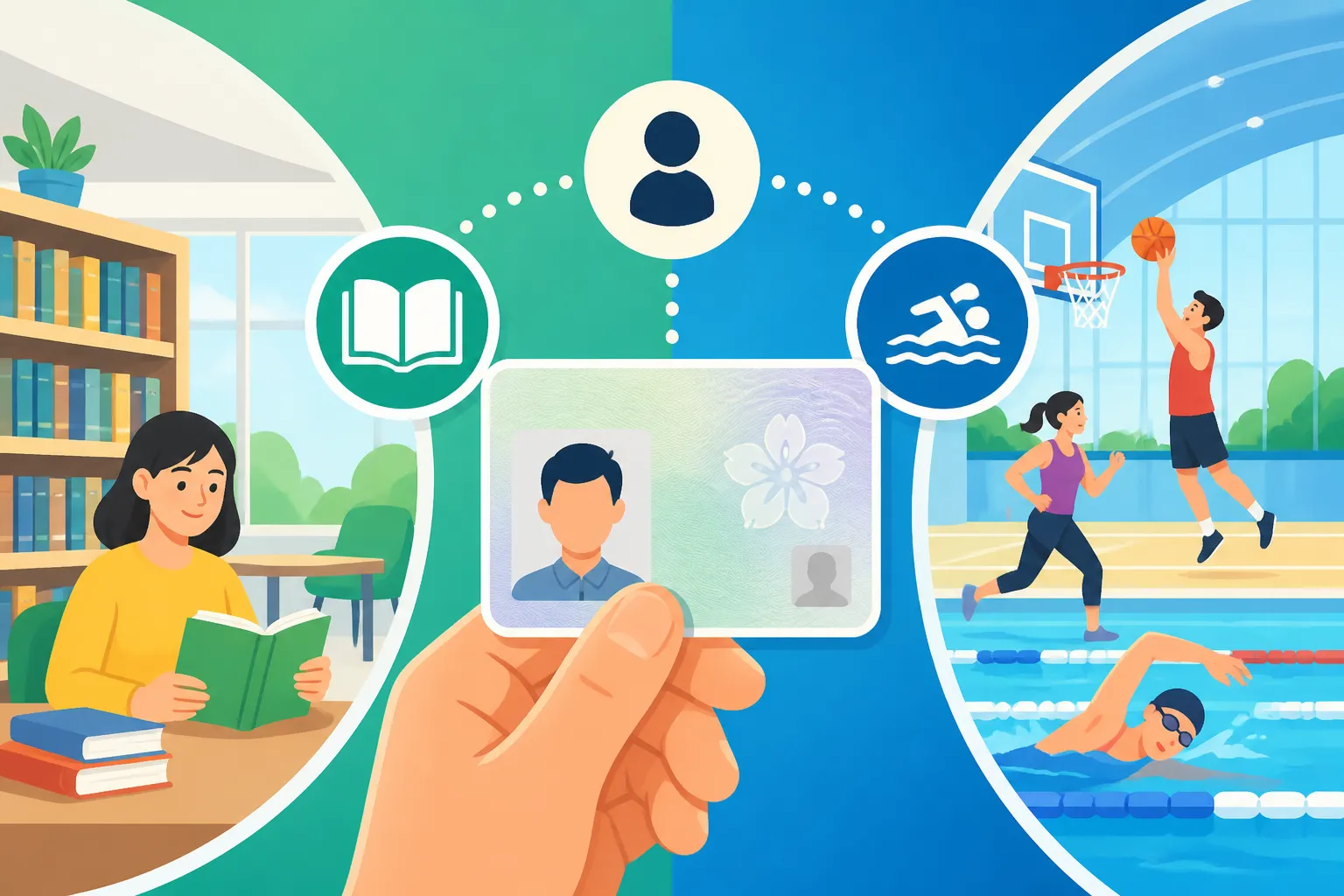
Using Your HKID at Public Libraries and Leisure Facilities
One of the trickiest parts of settling into Hong Kong as an expat is figuring out how to navigate the everyday administrative bits. You’ve got your Hong Kong Identity Card, or HKID, flashing proudly in your wallet, but it’s easy to feel a bit lost on how to truly leverage it beyond basic identification. This guide is here to cut through the confusion and show you exactly how your HKID is your golden ticket to accessing Hong Kong's fantastic public libraries and vibrant leisure facilities, making you feel more at home and part of the local fabric.
Your HKID: More Than Just a Piece of Plastic
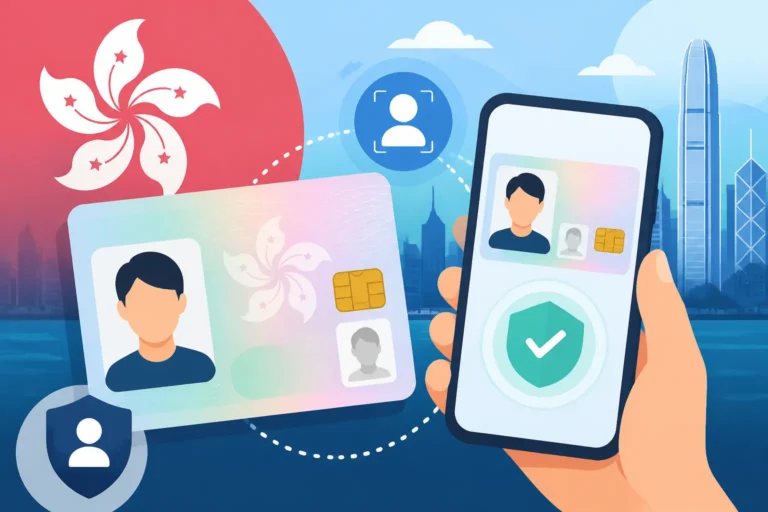
Ah, the Hong Kong Identity Card. It's not just a fancy bit of plastic; it's practically your lifeblood here. From the moment you land and go through the initial process of getting your visa approved – perhaps through a General Employment Policy GEP: Standard Work Visas for Expats or another scheme – and then registering for your HKID, it becomes the key that unlocks countless doors. Many expats might only think of it for banking or signing a lease, but its utility extends much further into the recreational and cultural spheres.
The Significance of Your HKID
For most long-term residents, the HKID signifies your official status in Hong Kong. It's issued by the Immigration Department (ImmD) to all residents aged 11 or above who are permitted to stay for more than 180 days. This isn't just about proving who you are; it's about establishing your eligibility for a myriad of public services that are either heavily subsidised or exclusively available to those with resident status. Without it, you're often left paying non-resident rates or simply unable to access certain benefits. The system is set up to provide a robust infrastructure for its residents, and your HKID is the pass. You know, that initial scramble when you first arrive to get everything in order – from your visa to your HKID – it can be a bit overwhelming, making you appreciate efficient services like those from RushTranslate if you had any foreign documents that needed certification for your application.
Understanding HKID's Role in Public Services
Think of your HKID as your primary identifier across almost all government-run or subsidised public services. It streamlines processes, confirms your eligibility, and often connects you to specific accounts. This is particularly true for amenities managed by the Leisure and Cultural Services Department (LCSD) and the Hong Kong Public Libraries. It ensures fair access, prevents abuse, and sometimes even offers preferential rates. For example, when you use your Hong Kong Identity Cards (HKID): Registration and Smart IDs to access certain services, you're almost always getting a resident rate, which can be significantly lower than what a visitor might pay. It’s one of those things that truly makes you feel like you belong, rather than just being a temporary guest.
Unlocking the World of Public Libraries with Your HKID
For a city known for its skyscrapers and bustling markets, Hong Kong actually boasts a fantastic network of public libraries. And your HKID is all you need to dive into them. From a quiet corner to read in the Central Library to borrowing digital resources, the public library system is a treasure trove often overlooked by expats.
Registering for a Library Card with Your HKID
The process to get a library card, officially known as a "Hong Kong Public Libraries Borrower Card," is refreshingly straightforward, especially compared to some other administrative tasks you might have faced here. You don't need a separate application form if you have your HKID; the card itself serves as your application.
Here’s how it usually goes:
- Head to any public library: Pick the one most convenient for you. The larger ones, like the Hong Kong Central Library in Causeway Bay, will have dedicated service counters, but even smaller district libraries can help.
- Present your HKID: Simply show your valid Hong Kong Identity Card to the library staff at the registration counter. They’ll likely ask you to fill out a short form with your contact details, but the HKID confirms your resident status.
- Get your card: Voila! In a matter of minutes, you'll walk away with your very own library card. For children, guardians can also register them using their child's HKID.
The beauty of it is, once you’ve done it, that card is valid across the entire network of Hong Kong Public Libraries. No fuss, no convoluted paperwork – just a simple process that gives you access to an incredible public resource.
Accessing Library Services and Resources
With your new library card in hand, a whole world of resources opens up. It’s not just about physical books anymore, although they have an impressive collection in English, Chinese, and other languages.
- Borrowing Materials: You can borrow up to 10 items at a time, including books, magazines, audio-visual materials (CDs, DVDs), and even multi-media packages. The borrowing period is typically 14 days, with options for renewal if no one else has reserved the item.
- Public Computers and Wi-Fi: Most libraries offer free internet access via public computers and Wi-Fi. You usually need your library card number and PIN to log in. This is a godsend if your home broadband is acting up or if you just need a quiet place to work.
- Digital Resources Galore: This is where the libraries truly shine for many expats. Your library card gives you free access to a vast array of online databases, e-books, e-magazines, and even audiobooks. Think platforms like OverDrive for popular e-books, PressReader for international newspapers and magazines, or various academic databases if you're into research. It's an incredible perk, especially if you're trying to keep up with news from back home or just love a good digital read on your commute.
- Programs and Events: Libraries frequently host workshops, talks, and cultural events. From storytelling sessions for kids to language learning workshops for adults, there’s always something happening. Keep an eye on their website or notice boards. It's a fantastic way to meet people and immerse yourself in local culture, especially if you're still navigating Everyday Budgeting in HK: Cost of Living Benchmarks and looking for free activities.
| Library Service Category | Key Offerings | HKID Requirement |
|---|---|---|
| Physical Borrowing | Books, Magazines, CDs, DVDs, Multi-media packages | Yes (for Borrower Card) |
| Digital Resources | E-books, E-magazines, Online Databases (e.g., PressReader, OverDrive) | Yes (for Borrower Card access) |
| IT Facilities | Public Computers with Internet, Free Wi-Fi | Yes (for login/usage) |
| Cultural Programs | Workshops, Talks, Exhibitions, Storytelling | Usually no, but registration may require HKID |
| Inter-library Loan | Requesting items from other HK Public Libraries | Yes (for Borrower Card) |
Your Passport to Leisure Facilities: Sports and Recreation
Beyond intellectual pursuits, your HKID is also your key to Hong Kong's extensive network of public sports and leisure facilities managed by the Leisure and Cultural Services Department (LCSD). Whether you’re a keen athlete or just looking for a casual swim, the LCSD provides affordable access to a staggering array of venues.
Booking Leisure Facilities via LCSD
Accessing these facilities typically requires registering for an "LCSD Leisure Link" account. This is where your HKID becomes indispensable.
Here's the lowdown:
- Leisure Link Registration: You can register for a Leisure Link account online, through the mobile app, or in person at any LCSD venue with booking facilities. For online registration, you'll need your HKID number. If you choose in-person registration, simply present your HKID.
- Confirming Eligibility: Your HKID ensures that you are an "eligible person" and therefore entitled to the resident rates, which are significantly cheaper than the non-eligible person (tourist) rates. This is a huge benefit for expats who are here long-term.
- Booking Process: Once registered, you can use the Leisure Link website or app to search for, reserve, and pay for facilities. Be warned, the system can sometimes feel a bit dated and clunky, but it gets the job done. Patience, my friend, is a virtue when dealing with government websites anywhere in the world. For popular facilities, especially during peak hours, they often operate on a ballot system, so you might need to apply in advance.
Remember when you were figuring out how to get your Hong Kong Identity Cards (HKID): Registration and Smart IDs within the 30-day window? This is another instance where having that card makes life so much easier.
What Facilities Can You Book?
The range of facilities available through the LCSD is truly impressive and caters to almost every sporting interest.
- Sports Centres: These multi-purpose facilities are dotted across Hong Kong and offer courts for badminton, basketball, volleyball, table tennis, and even squash. They’re often air-conditioned, well-maintained, and incredibly affordable.
- Swimming Pools: Hong Kong has numerous public swimming pools, many of which are Olympic-sized and equipped with spectator stands. Some even have fun slides and water features for kids. They are a fantastic way to beat the notorious Hong Kong humidity in the summer.
- Tennis Courts: For tennis enthusiasts, there are plenty of public courts available. These are usually in high demand, so mastering the Leisure Link ballot system is key.
- Outdoor Facilities: Beyond indoor sports, you can book barbecue sites, campsites, and even some athletic tracks. These are perfect for weekend excursions with friends and family, getting out of the city hustle.
- Golf Driving Ranges and Pitch & Putt Courses: Yes, even these are available at reasonable rates through the LCSD, making golf a more accessible sport here than in many other major cities.
The difference in price between an eligible person (with an HKID) and a non-eligible person is substantial. For example, a badminton court might be HK$68 per hour for an eligible person, but double or triple that for a non-eligible one. So, holding onto and properly using your HKID really pays off!
Practical Tips and Common Hurdles
Even with your trusty HKID, navigating Hong Kong's public services can sometimes throw a curveball. We've all been there – staring at a screen, wondering if we've clicked the right button, or feeling a slight language barrier. It’s part of the expat journey, but with a few tips, you can smooth out those bumps.
Navigating the Leisure Link System
The Leisure Link website and mobile app, while functional, aren't always the most intuitive. It can be a source of minor frustration for those used to slicker, more modern interfaces.
- Online vs. App vs. In-Person: While online booking is convenient, if you're really struggling, don't hesitate to head to an LCSD venue in person. The staff can often walk you through the process or help you troubleshoot. Some prefer to use the Using the ImmD Mobile App for Queuing and Appointments for other government services, but for Leisure Link, the website and specific app are your main tools.
- Peak Times and Balloting: For highly sought-after facilities like tennis courts or popular swimming slots, you'll need to understand the ballot system. This means applying for a slot during a specific window, and then waiting to see if you're selected. It's not first-come, first-served, so plan ahead!
- Payment Methods: Ensure you have a valid payment method linked to your Leisure Link account, typically a Hong Kong-issued credit card or through PPS (Payment by Phone Service).
- Check-in: When you arrive at your booked facility, you'll usually need to scan your HKID or your Leisure Link card (if you opted for a physical card) at a kiosk or show it to staff to confirm your booking.
What to Do If You Don't Have an HKID Yet
For new arrivals or short-term visitors, not having an HKID can feel like being locked out of the system. While this guide primarily focuses on HKID holders, it's worth noting alternatives.
- Tourist Rates: If you're on a Visitor Visas and Visa-Free Entry to Hong Kong, you can still use public facilities, but you'll pay the higher non-eligible person rates. You might need to show your passport.
- Temporary Library Cards: For certain library services, visitors might be able to get a temporary card or guest access, but this varies and usually doesn't grant full borrowing privileges.
- Waiting for Your HKID: The key message for new residents is to get your HKID as soon as possible after arrival. Remember The 30-Day Rule for Registering a New HKID After Arrival. Once you have it, you can update your details at the Immigration Department if you move, by following the advice in Updating Your Address with the Immigration Department.
It's also a good idea to consider your overall well-being. While you're busy enjoying all the public facilities Hong Kong has to offer, remember to stay safe and healthy. And for those unexpected bumps in the road, whether it's a sprained ankle on the badminton court or just general health coverage while you explore the region, having comprehensive international insurance like SafetyWing provides a reassuring safety net. For the pet owners among us, perhaps after a rigorous sports session, you're off to find a pet-friendly spot; resources like Pet-Journey can be incredibly helpful for navigating life with your furry companions in a dense city like Hong Kong, finding parks or even vets.
Conclusion: Embrace Your HKID for a Richer Hong Kong Life
Your Hong Kong Identity Card is so much more than a mandatory document; it's an enabler. By understanding how to properly use it, you gain access to an incredible array of public services, from the vast collections of the Hong Kong Public Libraries to the extensive and affordable sports facilities managed by the LCSD. It allows you to integrate more deeply into the city's daily rhythm, enjoy its cultural offerings, and stay active without breaking the bank. So, don't let that little card just sit in your wallet – put it to work and enrich your expat experience here in our dynamic city!
Disclaimer
The information provided in this guide is intended for general informational purposes only and does not constitute legal, financial, or medical advice. While we strive to ensure accuracy and timeliness, regulations and procedures in Hong Kong can change. Readers are encouraged to verify information with official sources and consult professionals for personalized advice. This blog accepts no liability for any loss or damage arising from the use of this information.