Bringing Dependent Parents to HK on a Visa: Is it Possible?
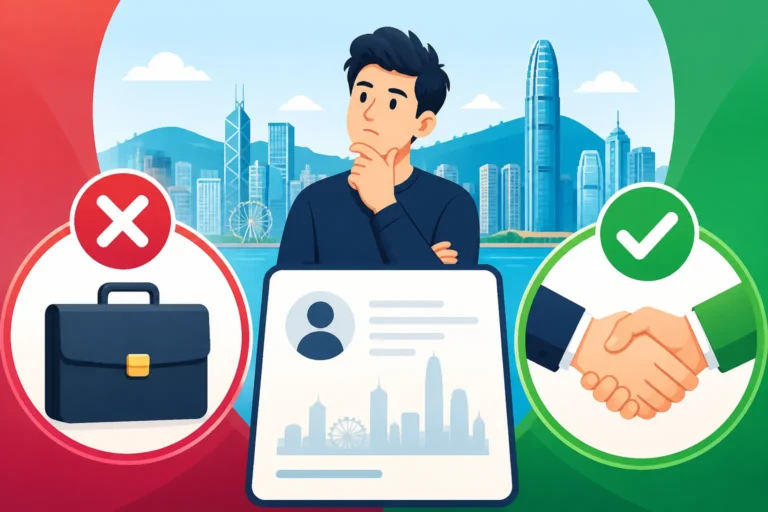
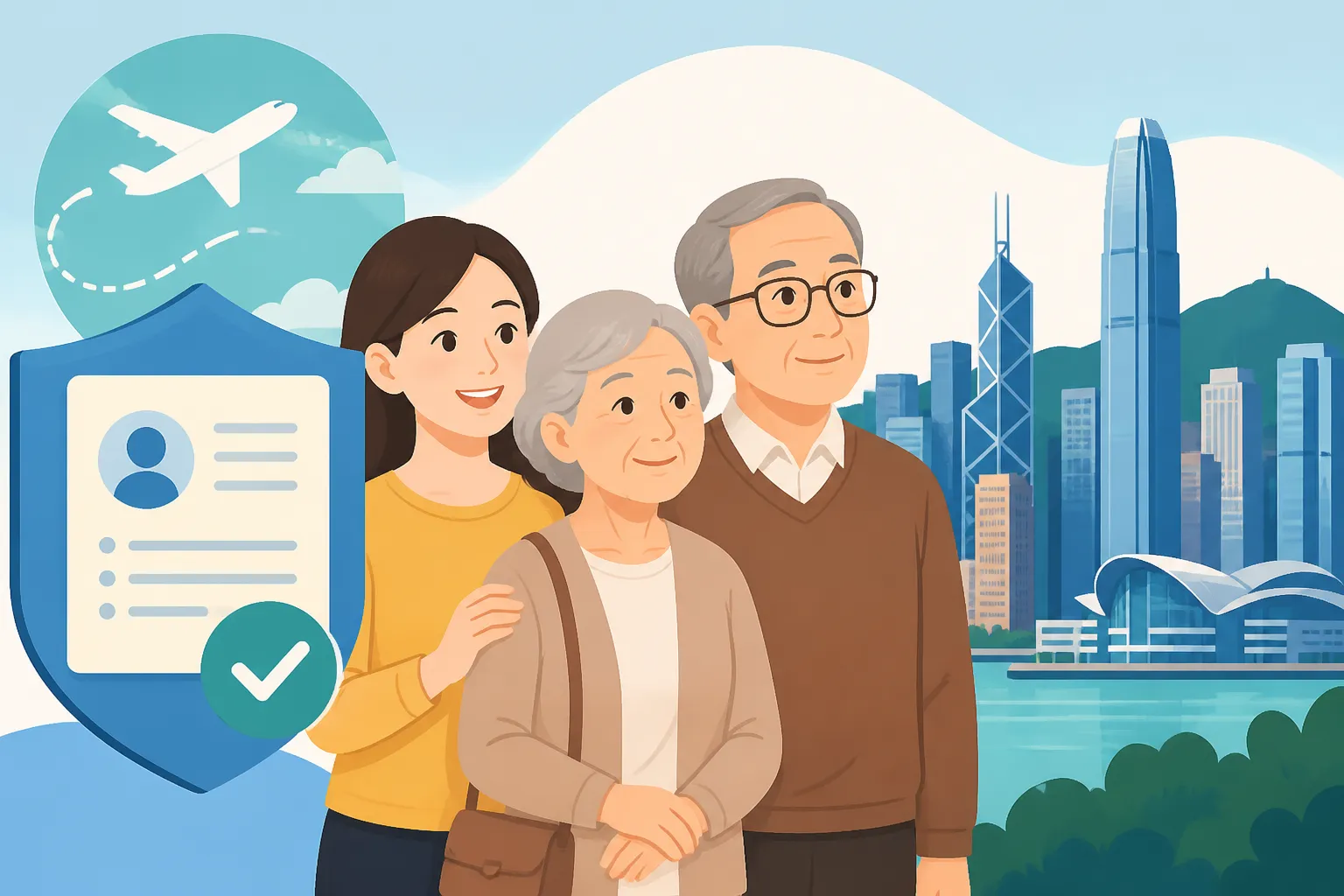
Ah, the age-old question that tugs at the heartstrings of so many expats in Hong Kong: "Can I bring my parents here on a dependent visa?" It’s a completely natural desire, wanting your loved ones closer, especially as they get older. You’ve settled into your life here, perhaps even started a family, and the thought of your parents being far away can be a constant ache. Unfortunately, the reality of Hong Kong’s immigration policies regarding dependent parents isn't as straightforward or as generous as many of us would hope. This guide will meticulously break down the official rules, explore the limitations of visitor visas, and offer realistic perspectives on what it truly means to support elderly parents in this bustling city.
The Official Stance on Dependent Parents in Hong Kong
Let's cut to the chase: if you're picturing a straightforward dependent visa for your parents, similar to the one your spouse or minor children might hold, you're likely to be disappointed. Hong Kong's Immigration Department (ImmD) has very specific and incredibly stringent criteria when it comes to who qualifies for a dependent visa, and for parents, the bar is set exceptionally high. It's a common frustration among the expat community, and frankly, it can feel rather isolating when you realize how difficult it is to have your whole family unit together under one visa umbrella.
Who Qualifies for a Dependent Visa
When we talk about dependent visas in Hong Kong, the ImmD typically has a clear hierarchy. The primary visa holder (the person working or studying in Hong Kong) can sponsor:
- Spouse: This generally includes legally married spouses, and since 2019, same-sex spouses in relationships entered into overseas are also recognized for dependent visa purposes.
- Unmarried dependent children: These must be under 18 years of age.
The crucial point here is the age and relationship. Beyond a spouse and minor children, the definition of "dependent" for visa purposes dramatically shifts. The rationale, from the government's perspective, is often tied to economic contribution and minimizing the burden on public services. So, while your parents are undeniably dependent on you in many emotional and sometimes financial ways, the ImmD views it through a very different lens. This often means that the "Dependent Visas in HK: Bringing Spouses and Children" route is largely closed for your parents.
The "Other Relatives" Clause: A High Bar
Now, there is a provision in Hong Kong immigration law for "other relatives." This is where some expats mistakenly believe their parents might fit in. However, this category is not a typical dependent visa, and the conditions are so exceptionally demanding that it's rarely a viable option for most people. To even be considered, your parent would need to demonstrate:
- Absolute dependency: They must be wholly or substantially dependent on the applicant (the expat in HK) for financial support. This isn't just about sending money occasionally; it implies a complete lack of independent means of subsistence.
- No other available support: There must be no other person in their home country (or anywhere else) who can reasonably provide support. This means if they have other children, even if those children are struggling or unable to provide support, it can complicate matters immensely.
- Exceptional circumstances: The ImmD typically looks for genuine compassionate or exceptional circumstances that warrant the parent being in Hong Kong. This is not explicitly stated in public guidelines, but common understanding suggests severe illness requiring direct care that only the HK-based child can provide, and where such care cannot be reasonably provided elsewhere, might be considered.
- Accommodation and financial capability: The sponsor in Hong Kong must demonstrate they have adequate accommodation in Hong Kong and sufficient financial resources to support their parent without drawing on public funds. This often means showing substantial income and savings.
- Age factor: While not a strict rule, the parent's age and health status can play a role, as the perceived need for local healthcare and social services increases with age.
Essentially, the "other relatives" clause is designed for truly extreme cases, not for the common scenario where an expat wishes to live closer to their aging parents for companionship and general support. It’s important not to confuse the emotional and moral duty we feel towards our parents with the strict legal definitions employed by immigration authorities. The chances of success through this route are extremely slim, and it often requires significant legal counsel to even attempt.
Exploring Visitor Visas and Extended Stays for Parents
Given the formidable hurdles of the "other relatives" clause, most expats explore the possibility of their parents visiting on standard visitor visas. This is a much more common and achievable path, but it comes with its own set of limitations and potential headaches.
Standard Visitor Visa Rules and Limitations
For many nationalities, Hong Kong offers visa-free entry for tourism purposes, ranging from 7 days to 180 days, depending on the country of origin. For example, citizens of the UK, Canada, Australia, and the US can typically enter Hong Kong visa-free for up to 90 days. For those from certain other countries, a visitor visa may need to be applied for in advance.
The key thing to understand about a visitor visa is its purpose: tourism, visiting friends and family, and short business trips. It is not designed for long-term residency or for engaging in any form of employment. While your parents can certainly come to Hong Kong to visit you, there are strict limits on how long they can stay per visit and, critically, how frequently they can return.
- Maximum stay per visit: Adhering to the allowed visa-free stay (e.g., 90 days) is paramount. Overstaying is a serious offense with severe penalties, including fines, detention, and future entry bans.
- No working rights: Under no circumstances can your parents engage in paid or unpaid work while on a visitor visa.
- Limited access to public services: Your parents, as visitors, will be considered "Non-Eligible Persons" (NEP) for public healthcare services. This means they will be charged significantly higher fees for any medical treatment, even for emergencies. We'll delve deeper into the implications of "Can Non-Residents (Tourists) Use the Public Hospital System?" in a later section. It's an important point to grasp, as unexpected medical costs can quickly become astronomical.
- Frequent returns: This is where many expats run into trouble. If your parents repeatedly enter Hong Kong, stay for the maximum allowed period, leave briefly (perhaps for a "visa run" to Macau or Shenzhen), and then immediately return, the ImmD will likely flag this behavior. They are very adept at recognizing patterns that suggest an attempt to circumvent immigration laws and effectively reside in Hong Kong without the proper visa. This can lead to denial of entry at the border, a very stressful and upsetting experience for elderly parents.
It's vital to ensure your parents understand these rules and prepare them for questions from immigration officers about the purpose and duration of their stay. Honesty and clarity are always the best policy.
The Challenge of Prolonged Stays Without Dependent Status
If your goal is for your parents to spend significant, continuous time with you in Hong Kong, relying solely on visitor visas becomes a logistical and emotional nightmare. The ImmD has no formal mechanism for extending visitor visas indefinitely, nor do they look favorably upon repeated long stays that effectively amount to de facto residency.
- Visa extension requests: While it's possible to apply for a visitor visa extension, these are typically granted only under genuine and compelling circumstances (e.g., medical emergency, flight cancellation, etc.) and usually for a short period. They are not a pathway to long-term residency.
- The financial burden: Without dependent status, your parents cannot reside in Hong Kong, open a bank account easily, or access many essential services at resident rates. You, as the sponsor, would be responsible for all their expenses, from accommodation to daily living costs. Consider "Everyday Budgeting in HK: Cost of Living Benchmarks (2026)" when making these plans, as Hong Kong is notoriously expensive.
- Lack of stability: The constant need to manage visa runs or worry about entry denial creates immense stress. Your parents will never truly feel settled or integrated into the community if their stay is always temporary and uncertain. This also impacts their ability to form friendships, join local clubs, or simply feel at home.
- Insurance is critical: Given the lack of public healthcare access for non-eligible persons, securing robust international travel and medical insurance is non-negotiable for your parents. Brands like SafetyWing offer comprehensive travel medical insurance plans that can cover emergencies and unexpected illnesses, which is an absolute must-have. Don't let your parents travel without it, as a single incident could lead to a massive bill.
In essence, while visitor visas allow your parents to spend time with you, they are not a substitute for a dependent visa and come with significant limitations that make prolonged, continuous stays difficult to sustain.
Practical Considerations and Alternatives for Supporting Elderly Parents
Since obtaining a dependent visa for parents is such an uphill battle, it forces expats to think creatively and realistically about how to support their elderly parents while living in Hong Kong. This often involves a mix of visits, financial assistance, and exploring options in their home country or other jurisdictions.
Financial Support and Medical Care Realities
Supporting parents from afar, or during their visits, demands a robust financial plan. Hong Kong is one of the most expensive cities in the world, and this extends significantly to private healthcare.
- Healthcare Costs for Non-Eligible Persons: This cannot be stressed enough. If your parents fall ill or have an accident, even a routine check-up can be costly at a private clinic. A visit to a public Accident and Emergency (A&E) department will cost significantly more for non-eligible persons compared to HKID holders. For serious illnesses or hospital stays, the bills can quickly escalate into hundreds of thousands, or even millions, of Hong Kong dollars. This is why a comprehensive international medical insurance plan, like those offered by SafetyWing, is not just recommended, but essential. Without it, you are exposing yourself and your parents to immense financial risk. Read up on "Healthcare in Hong Kong: Public vs Private Systems Explained (2027)" to fully grasp the dual-tier system and what it means for visitors.
- Direct Financial Remittances: For many expats, the most practical way to support parents is through regular financial remittances to their home country. Services like Wise (though not a contextual brand here, it's a common expat tool) or traditional bank transfers are used to send funds for their daily expenses, medical needs, and living costs back home. This ensures they have stable support where they reside, without needing to navigate the complexities of Hong Kong's immigration system.
- Home Care and Support in Their Country: Often, the best solution for aging parents is to ensure they have excellent care and support in their home country. This might involve hiring caregivers, ensuring their home is safe and accessible, and potentially funding options like assisted living facilities. While it means they are not physically with you in Hong Kong, it can offer a more stable and comprehensive solution for their overall well-being. Look into "Elderly Care Support: Nursing Homes and Domestic Helper Training" if you ever consider bringing in a helper to assist your parents, either in HK (if they somehow secured a long-term stay) or in their home country, though rules vary drastically.
Navigating Logistics: Accommodation and Daily Life
If your parents do come for extended visits, logistics can be surprisingly challenging in Hong Kong. Space is a premium, and adapting to the local lifestyle can be difficult for some.
- Accommodation: Even if you have an extra room, Hong Kong apartments are notoriously small. If your parents come for several weeks or months, ensuring they have adequate personal space and comfort can be tricky. Short-term serviced apartments or hotels might be an option for parts of their stay, but these are very expensive. When considering "Renting in Hong Kong: Apartments, Leases, and Tenant Rights" for your own home, it's worth thinking about future family visits.
- Daily Life and Integration: Hong Kong is fast-paced and can be overwhelming. While English is widely spoken in Central and tourist areas, navigating local markets, public transport, and residential neighborhoods often requires some Cantonese or an adventurous spirit. Depending on your parents' mobility, language skills, and willingness to adapt, their experience can vary greatly. Simple tasks like doctor's appointments may require "Medical Translation Services: Navigating Local Clinics Without Cantonese."
- Social Isolation: During long visits, if your parents don't have a network of their own, they might experience social isolation, especially if you are working long hours, which is common in Hong Kong. Ensuring they have activities, social connections, or simply enough independence to explore safely is crucial.
- Document Translations: Should any official documents be needed for proving relationships (even for visitor visas or insurance claims), remember that precise translations are often required. Services like RushTranslate can provide certified translations of birth certificates, marriage certificates, or medical records, ensuring they are accepted by official bodies. This often applies when proving a relationship for any immigration application, however minor.
When Professional Advice Becomes Essential
Given the complexities and the significant emotional and financial stakes involved, sometimes, trying to navigate these waters alone simply isn't enough. If you believe your parents' situation truly meets the exceptional criteria for the "other relatives" clause, or if you have unique circumstances, seeking expert advice is paramount.
An experienced immigration lawyer in Hong Kong can provide a realistic assessment of your situation, guide you through the intricate application process, and help compile the exhaustive documentation required. They understand the nuances of ImmD's expectations and can often spot potential pitfalls before they become major problems. While it's an investment, it can save you immense stress, time, and potential heartache in the long run. They can help you understand the full scope of "Visa Denials: Common Reasons and How to Appeal" and if your case has any remote chance.
Remember, the goal is to find the most secure, sustainable, and humane solution for your parents, whether that means supporting them robustly from Hong Kong in their home country, or exploring every legitimate avenue to have them closer, even if it's for extended visits.
Comparison of Parent Visa Options
Here's a quick overview to highlight the distinct differences between what's typically sought and what's generally available for parents:
| Feature | Dependent Visa (Spouse/Child) | "Other Relatives" Clause (Parents) – Extremely Rare | Visitor Visa (Common for Parents) |
|---|---|---|---|
| Purpose | Accompany primary visa holder, reside. | Reside under exceptional dependency. | Tourism, visiting family, short stays. |
| Eligibility | Legally married spouse, unmarried child <18. | Wholly/substantially dependent, no other support, exceptional circumstances. | Varies by nationality (visa-free or pre-application). |
| Work Rights | Yes, generally unrestricted. | Yes, generally unrestricted. | No, absolutely forbidden. |
| Length of Stay | Linked to primary visa holder (usually 1-2 years, renewable). | Linked to primary visa holder (usually 1-2 years, renewable). | 7-180 days per entry (nationality dependent). |
| Healthcare Access | Eligible Person (EP) rates for public healthcare. | Eligible Person (EP) rates for public healthcare. | Non-Eligible Person (NEP) rates (much higher). Insurance critical. |
| Path to PR | Yes, contributes to 7 years continuous residence. | Yes, contributes to 7 years continuous residence. | No, does not count towards PR. |
| Financial Burden | Less, as they can work and access EP rates. | High, sponsor must prove full financial support. | High, sponsor must cover all costs (accommodation, NEP healthcare). |
| Success Rate | High (if criteria met). | Extremely Low (for parents). | High (for short-term visits), Low (for prolonged stays). |
Disclaimer
The information provided in this article is for general informational purposes only and does not constitute legal or immigration advice. Immigration policies are subject to change, and individual circumstances can vary greatly. It is always recommended to consult with the official Hong Kong Immigration Department or a qualified immigration professional for advice tailored to your specific situation before making any decisions.