Unmarried Partners: Proof of Relationship for Prolonged Visitor Visas
Oh, the labyrinthine world of Hong Kong immigration! If you’ve found yourself deeply in love and committed to your partner, but without that all-important marriage certificate, you’ve probably quickly realized that staying together in Hong Kong can feel like an uphill battle. It’s a common frustration for many expats here: how do you prove your genuine, subsisting relationship to an authority that traditionally values only the most conventional definitions of family? This guide is here to walk you through the often-confusing process of applying for a prolonged visitor visa for your unmarried partner, focusing on the crucial evidence you’ll need to demonstrate your shared life in Hong Kong.
The Reality of Unmarried Partner Visas in Hong Kong
Let's be brutally honest from the outset: Hong Kong's Immigration Department (ImmD) is, by nature, a bureaucratic beast that tends to favour clear-cut categories. For years, the traditional Dependent Visa was pretty much exclusively reserved for spouses in legally recognized marriages, and children. This stance often left long-term, committed unmarried partners, including same-sex couples, in a precarious position, constantly having to exit and re-enter Hong Kong on visitor visas, or navigating uncertain short-term extensions. It was, and frankly still is, incredibly stressful and can make building a stable life here feel impossible.
Why it's Not a Straightforward Dependent Visa
The key thing to understand is that what you're seeking for an unmarried partner is not a standard Dependent Visa. Those are usually straightforward applications for those married under the law, and that's precisely why many feel discriminated against. For a long time, the ImmD's internal policy made no provisions for "common law" or "de facto" relationships. This meant that if you weren't legally married, your partner couldn't just come in on your coattails with the same work or residency rights. Imagine building a life, sharing everything, but being treated as mere acquaintances by the system simply because a piece of paper is missing. It's a deeply frustrating reality for many expat couples who chose not to marry, or couldn't legally marry in their home country.
However, a few years back, a landmark court ruling in the case of a same-sex couple did open a narrow, albeit significant, door. While it didn't completely overhaul the Dependent Visa system, it mandated that ImmD must consider genuine and subsisting relationships when assessing visa applications, regardless of marital status, particularly in cases involving individuals who cannot legally marry under Hong Kong law. This has been a lifeline for many, creating a pathway for a "prolonged visitor visa" or "extended stay" category, specifically for unmarried partners. It’s not a panacea, but it’s progress.
The Prolonged Visitor Visa: What It Is and Isn't
So, what exactly is this prolonged visitor visa, and what should you realistically expect? It’s essentially a concession, allowing your unmarried partner to stay in Hong Kong for an extended period, typically granted in 6-month or 12-month increments. It’s a far cry from the Dependent Visa your married friends might have, and it comes with some significant limitations that you absolutely need to be aware of.
Crucially, this visa generally does not grant the right to work in Hong Kong. This is a major point of contention and financial strain for many couples. Your partner will likely be unable to legally seek employment, which means you, as the sponsoring partner, must demonstrate sufficient financial capacity to support both of you. While this might be okay for a short stint, imagine years of this arrangement. It can put immense pressure on your finances and on your partner’s sense of independence and contribution. Extensions are also not guaranteed, and you might find yourselves having to apply for extensions repeatedly, sometimes even being advised to leave Hong Kong and re-enter to reset the clock, adding to the expense and uncertainty.
Understanding the "Genuine and Subsisting Relationship" Criteria
Since there’s no marriage certificate, the entire burden of proof rests on demonstrating a "genuine and subsisting relationship." This is where the ImmD scrutinizes your lives with a fine-tooth comb, trying to ascertain if you truly live as a couple. They are looking for evidence that mirrors the interdependence of a married couple, without the formal documentation. It’s not about ticking a single box; it’s about presenting a holistic picture of a shared life, commitment, and mutual support.
This means you need to think like a detective and gather every single piece of evidence that screams "we are a couple, and we share everything." ImmD wants to see a long-term, committed partnership, not a casual fling. They are assessing the veracity and stability of your relationship, and whether you genuinely intend to reside together in Hong Kong. They want to ensure you're not just trying to bypass standard visa requirements for other purposes. This is where meticulous documentation and a compelling narrative become your best friends.
Gathering Your Evidence: What Counts as "Proof"?
When applying for a prolonged visitor visa for your unmarried partner in Hong Kong, the phrase "paper trail" becomes your mantra. You need to build a rock-solid case demonstrating that your relationship is not just genuine, but also long-lasting and akin to a spousal relationship. The more interconnected your lives appear through official documents, the stronger your application will be.
Financial Interdependence: Showcasing a Shared Life
The ImmD wants to see that you share financial responsibilities, much like a married couple. This is a huge indicator of commitment. Start by looking at anything that connects your finances. Do you have a joint bank account? Even if you primarily use separate accounts, having a joint one for household expenses, holidays, or savings can be very powerful. The longer it’s been open, and the more activity it shows, the better.
Beyond shared accounts, gather evidence of shared bills. Are both your names on the electricity bill from HK Electric or the gas bill from Towngas? Do you both pay for the broadband service from PCCW or HKBN? Shared tenancy agreements are absolute gold (more on that below), but even if only one name is on it, showing joint payments through bank statements can help. If you've taken out loans together, made joint investments, or even if one partner consistently sends money to the other for shared expenses, document it all. Financial co-mingling signals a mutual reliance and a shared future. Remember, it's about consistency – sporadic transfers won't carry as much weight as regular, joint financial commitments stretching back years. It’s all about building that undeniable pattern.
Residential Interdependence: Living Under One Roof
Where you live and how you share that space is another critical piece of the puzzle. The ideal scenario is a joint tenancy agreement, with both your names on the lease for your Hong Kong apartment. However, we all know that getting a tenancy agreement without an HKID for one partner can be a monumental challenge in itself, especially if your partner has only just arrived on a visitor visa. If that's the case, ensure the primary tenant (you, presumably, with your work visa) provides a clear letter from the landlord or agency confirming your partner resides with you.
Crucially, you need to show proof of shared address beyond just the lease. Think about utility bills: electricity, water (Water Supplies Department), gas, and even mobile phone bills (if both registered at the same address). Mail addressed to both of you at the same address – not just junk mail, but official correspondence – can be very helpful. If one partner moved to Hong Kong specifically to live with the other, documents proving the previous shared residence in your home country will strengthen your case significantly. This shows a continuation of your shared life, demonstrating that moving to Hong Kong was a joint decision to maintain your cohabitation. Even seemingly small details, like both your names on a delivery address for online shopping or a joint gym membership, contribute to this picture.
Social Recognition and Commitment: Beyond the Paperwork
Sometimes, the most compelling proof comes from the people around you. ImmD wants to know that your relationship is recognized by your social circle, your family, and your community. This means gathering testimonial letters from friends, family members, or even your employers. These letters should be specific, detailing how they know you as a couple, the duration of your relationship, and their observations of your shared life and commitment. A simple, generic letter won't cut it; they need to sound genuine and personal.
Then there’s the visual evidence: photographs! Don't just dump a hundred selfies; curate a selection that tells a story of your relationship over time. Include photos with family and friends, from significant events (birthdays, holidays, anniversaries), and from your daily life in Hong Kong. Similarly, travel itineraries and booking confirmations for joint trips, whether regional getaways or visits back home, show that you spend your leisure time together and plan for future shared experiences. Companies like SafetyWing offer travel insurance plans that could be relevant for frequent joint travels, demonstrating your commitment to exploring the world as a couple. Evidence of shared social activities, memberships, or even wills where you name each other as beneficiaries are also powerful statements of commitment. Every piece helps paint a picture of a deeply integrated life.
The Application Process: Navigating the ImmD Maze
Alright, you’ve gathered your mountain of evidence. Now comes the actual application to the Immigration Department. This stage requires meticulous attention to detail and a clear, compelling narrative to convince the ImmD of your genuine and subsisting relationship. It can feel like a daunting task, but breaking it down helps.
Essential Documents Checklist
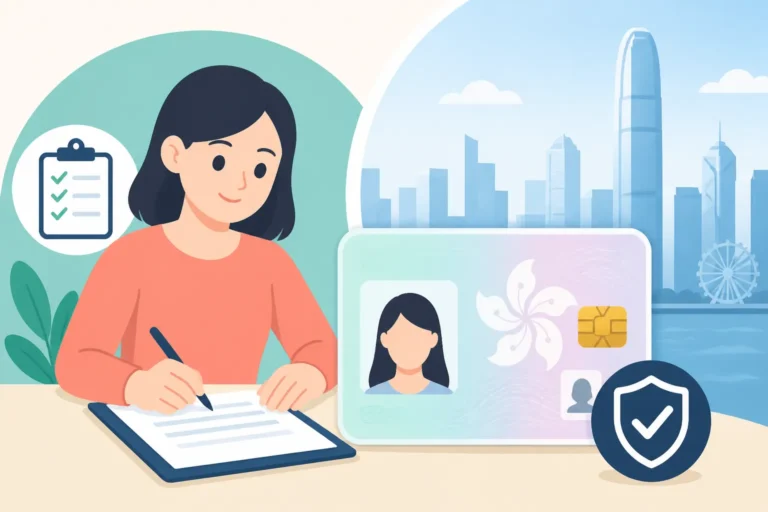
The standard visitor visa application form (Form ID91) is usually your starting point, but you'll need to adapt and supplement it significantly. Make sure both partners fill out their respective sections thoroughly. Beyond the basic forms and passport copies, here's a checklist of documents you'll definitely need:
- Sponsoring Partner's Documents:
- Copy of your Hong Kong Identity Card (HKID).
- Copy of your current work visa or residency permit.
- Proof of financial means: recent bank statements (past 6-12 months), employment contract, salary slips, tax returns (BIR60). This is critical as you're stating you can support your partner.
- An official letter from your employer stating your position, salary, and duration of employment.
- Applicant Partner's Documents:
- Copy of passport (all pages with stamps/visas).
- Proof of nationality.
- Any existing Hong Kong visa labels or entry stamps.
- Previous visa refusal letters, if any (be honest and explain).
- Police certificate or certificate of no criminal conviction from your home country and any country you've resided in for more than 6-12 months. This often requires contacting your home country’s police force, which can be a process in itself.
- Relationship Evidence: This is everything we discussed in the previous section – joint bank statements, tenancy agreements, utility bills, letters from friends/family, photographs, travel records, etc.
- Important Note on Translations: If any of your supporting documents (e.g., foreign police certificates, birth certificates, previous marriage/divorce decrees if applicable) are not in English or Chinese, you must provide certified translations. Services like RushTranslate can be invaluable here to ensure official, accurate translations that ImmD will accept.
Crafting a Compelling Cover Letter and Personal Statement
This is your chance to tell your story, beyond just dry documents. A well-written, detailed cover letter from you, the sponsoring partner, is paramount. It should clearly state the purpose of the application (a prolonged visitor visa for your unmarried partner), explain your relationship history, how you met, how long you've been together, and crucially, your commitment to each other. Emphasize that your partner intends to reside with you in Hong Kong and that you will be fully responsible for their living expenses.
Your partner should also provide a personal statement outlining their genuine intention to reside in Hong Kong with you. This is where you connect all the dots from your evidence. Don't just list documents; weave a narrative. For instance, "We opened a joint bank account in 20XX (Exhibit A) and have consistently shared rent payments (Exhibit B) and utility bills (Exhibit C) since moving into our apartment at [Address] in 20YY. Our friends and family (see testimonial letters, Exhibit D) can attest to our long-standing commitment, and we frequently travel together, as evidenced by our joint holiday bookings (Exhibit E)." Be specific, honest, and heartfelt, without sounding overly emotional. It's a fine line between a personal story and a convincing legal argument.
The Interview: What to Expect
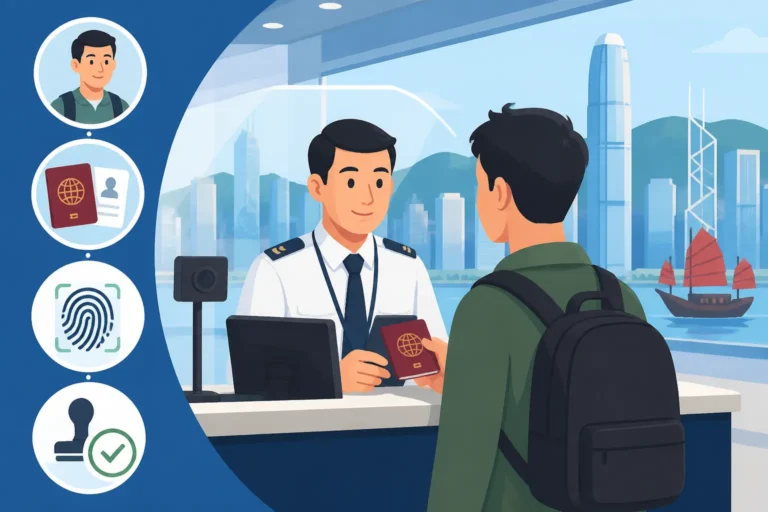
While not every applicant gets called for an interview, it's definitely a possibility, especially if the ImmD has any lingering doubts about the genuineness of your relationship. If you are called, it might be a joint interview, or even separate interviews where they try to catch inconsistencies. Don't panic, but be prepared.
They will ask detailed questions about your relationship: when and where you met, important dates (anniversaries, birthdays), family members, shared living arrangements, finances, and future plans. The key is consistency. Both partners should be able to answer questions about each other's lives, habits, and preferences without hesitation. Review your cover letters and personal statements beforehand to ensure your verbal answers align with your written submission. Remaining calm, honest, and articulate is crucial. This is not the time to be vague or to try and embellish details. ImmD officers are trained to spot discrepancies, and honesty is always the best policy, even if the truth is a bit messy.
Potential Challenges and Realistic Expectations
Applying for an unmarried partner visa in Hong Kong is rarely a walk in the park. It's crucial to go into this process with your eyes wide open, understanding the limitations and potential frustrations you might face. Managing your expectations can help you navigate the journey with a little less stress.
No Right to Work and Limited Stay Extensions
One of the biggest realities you'll confront is that this prolonged visitor visa typically does not grant your partner the right to work in Hong Kong. This is a significant hurdle for many couples, as it means one partner is solely responsible for all financial support. This can lead to considerable financial strain and, equally importantly, an emotional burden on the partner who cannot contribute to the household income or pursue their own career. Think long and hard about what this means for your individual and joint financial stability. While the visa allows you to be together, it fundamentally alters the dynamics of a dual-income household.
Furthermore, these visas are often granted for a shorter duration than a standard Dependent Visa – perhaps six to twelve months initially. This means you'll be going through the extension process regularly, which can be exhausting. Each extension application will require renewed proof of your relationship and continued financial capacity. It’s not uncommon for ImmD to suggest your partner leaves Hong Kong for a short period before reapplying for an extension, which incurs additional travel costs and logistical headaches. This constant uncertainty makes long-term planning incredibly difficult.
The Emotional and Financial Toll
Navigating Hong Kong bureaucracy can be draining at the best of times, but when it concerns something as personal as your relationship and ability to live together, the emotional toll can be immense. The uncertainty, the endless paperwork, the invasive questions about your private life, and the potential for refusal can all lead to significant stress, anxiety, and even resentment. It's a test of your relationship, not just your paperwork.
Beyond the emotional aspect, there are significant financial implications. Without the right to work, your partner will be fully dependent on your income. Consider the cost of living in Hong Kong, which is notoriously high. You’ll need to factor in not just daily expenses but also potential legal fees if you decide to consult an immigration lawyer (which many find invaluable for these complex cases, despite the cost). There are also the recurring visa application fees, potential travel costs for border runs, and health insurance costs. While your partner might be able to get health insurance from providers like Cigna Global or SafetyWing, the premiums need to be factored into your overall budget. A full Financial Checklist for Your First 30 Days in Hong Kong might give you a clearer picture of typical expenses.
Pathways to Permanent Residency?
For many, the ultimate goal is Right of Abode, or permanent residency. It’s important to understand that the time spent on a prolonged visitor visa as an unmarried partner generally does not count towards the seven years of continuous residency required for Permanent Identity Card (PIC) status. This is a crucial distinction from dependent visa holders, whose time often does count.
If your circumstances change – for example, if you decide to get married – your partner could then apply for a Dependent Visa. Once on a Dependent Visa, their time in Hong Kong would begin to count towards the 7-year residency requirement for the Calculating the "7 Years Continuous Residence" for Permanent Residency and eventually, the Applying for the HK Permanent Identity Card (PIC). But until that happens, the prolonged visitor visa serves primarily as a means to stay together, without leading directly to permanent residency or the broader rights and benefits associated with it, such as the right to work. It’s a temporary solution to a deeply personal need, but one that requires constant vigilance and renewed applications. This isn't just about getting a visa; it's about understanding the long-term implications for your life in Hong Kong.
| Category of Evidence | Specific Examples of Documents | Importance |
|---|---|---|
| Financial Interdependence | Joint bank statements (showing consistent activity), joint credit card statements, joint loan agreements, shared investment accounts, utility bills (HK Electric, Towngas, PCCW) in both names, proof of consistent financial support (transfers/payments). | High: Demonstrates mutual financial commitment and shared responsibility. |
| Residential Interdependence | Joint tenancy agreement or official letter from landlord confirming cohabitation, utility bills at shared address, mail addressed to both at the same address, previous shared address proof from home country, joint property ownership. | High: Proves you live together as a couple. |
| Social Recognition | Testimonial letters from friends, family, and employers (dated and signed), joint photographs (over time, with others), social media posts (curated, if applicable), joint memberships (gym, clubs), joint travel itineraries/bookings. | Medium: Shows your relationship is recognized by your community and indicates shared leisure time and future planning. |
| Commitment & Intent | Wills naming each other as beneficiaries, insurance policies with partner as beneficiary, personal statements outlining relationship history and future plans, evidence of shared responsibilities (e.g., pet ownership, care for a family member). | High: Narrates the depth and long-term nature of your relationship, beyond mere cohabitation. |
| Identity & Legality | Passports, HKID (sponsoring partner), birth certificates, police certificates, previous visa copies, any divorce decrees (if applicable). | Mandatory: Essential for identity verification and background checks. |
Disclaimer
The information provided in this guide is for general informational purposes only and does not constitute legal advice. Immigration policies and requirements in Hong Kong can change frequently. It is always recommended to consult with the official Hong Kong Immigration Department website or seek advice from a qualified immigration lawyer for your specific situation.