Tutoring Culture in HK: When Do You Need Extra Help?
The moment you step off the plane and settle into your new flat, you’ll notice something peculiar about the Hong Kong skyline: it isn't just filled with banks and luxury apartments, but with massive billboards of "Tutor Kings" looking like C-pop stars. I remember my first month here, seeing kids in full school uniforms eating dinner at a 7-Eleven at 9:00 PM just to squeeze in a chemistry session. This guide explores the intensity of the local tutoring culture and helps you decide when it’s time to seek extra help for your child.
The Pressure Cooker: Understanding the Roots of HK Tutoring
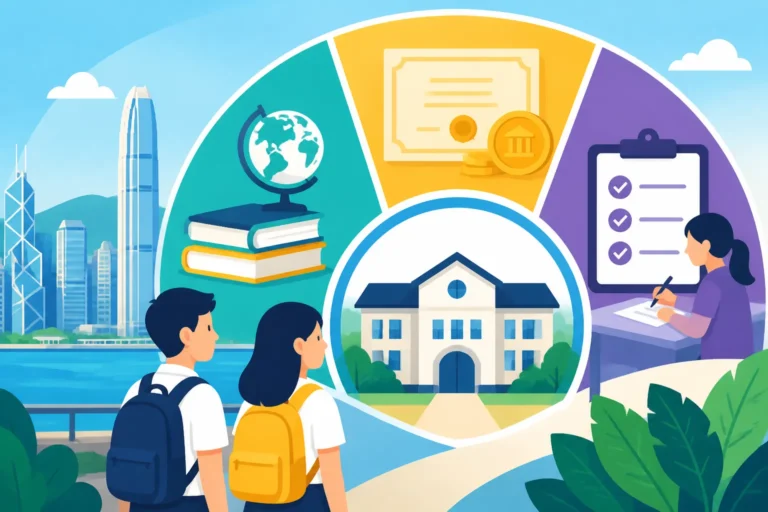
To understand why tutoring is a multi-billion dollar industry here, you have to look at the sheer density of the competition. In Hong Kong, education is the primary currency for social mobility. Whether a family is targeting a local spot at a prestigious university or a place in the International Schools in HK: Curriculums, Debentures, and Applications, the stakes are perpetually high. The "Tiger Mom" stereotype isn't just a meme; it’s a survival strategy in a city where one or two marks on an exam can be the difference between a top-tier placement and a stressful fallback option.
The local system is dominated by the Diploma of Secondary Education (DSE), a grueling set of exams that dictates a student's entire future. Even if your children are enrolled in the English Schools Foundation (ESF): The Complete Guide for Expat Parents, they aren't immune to this environment. The "shadow education" system exists to supplement what happens in the classroom, often moving at a pace that assumes the student is already receiving outside help. Many parents who move here think their kids would have a "relaxed" international school experience, only to find their children falling behind because their peers were all seeing private specialists for IB Physics or Higher Level Math.
Furthermore, the tutoring culture is fueled by the "Tutor King" phenomenon. These are celebrity educators who fill entire lecture halls and stream their lessons to satellite classrooms across the city. While this is more common in the local Cantonese-speaking stream, the mindset has bled into the expat community. There is a pervasive feeling that if you aren't doing "extra," you're actually doing "less." This cultural baseline makes it difficult for parents to gauge what is actually necessary versus what is simply peer-driven anxiety.
Competition and the Local vs. International Divide
The divide between local and international schooling doesn't necessarily mean a divide in workload. Many local families send their children to international schools specifically to escape the DSE, but they bring the "grind" mentality with them. This creates a unique classroom dynamic where a child who is "just" doing their homework might feel inadequate compared to a classmate who is three chapters ahead in the syllabus thanks to a summer intensive course.
If your child is transitioning from a Western system, the jump in expectations for mathematics and Mandarin can be jarring. Many expat families find that they need a bridge to help their children adapt to the rigor. For instance, Learning Cantonese vs Mandarin for Career Growth in HK is a common goal, but the way it is taught in Hong Kong often requires supplementary conversation practice that a standard classroom simply doesn't provide.
The "Tutor King" Phenomenon and the Cult of Performance
The "Tutor Kings and Queens" focus heavily on exam-taking techniques—how to "hack" the marking scheme rather than just learning the subject matter. For an expat student used to inquiry-based learning, this can be a confusing shift. However, as they approach their final years of the IB or A-Levels, these "exam hacks" become incredibly valuable.
The pressure isn't just academic; it's social. If all your child’s friends are heading to a tutoring center after school, they may feel left out or start to question their own intelligence. As a parent, navigating this requires a delicate balance between protecting their Mental Health in Hong Kong: Counseling and Expat Support Services and ensuring they remain competitive for global university admissions.
Identifying the Tipping Point: When to Hire a Tutor
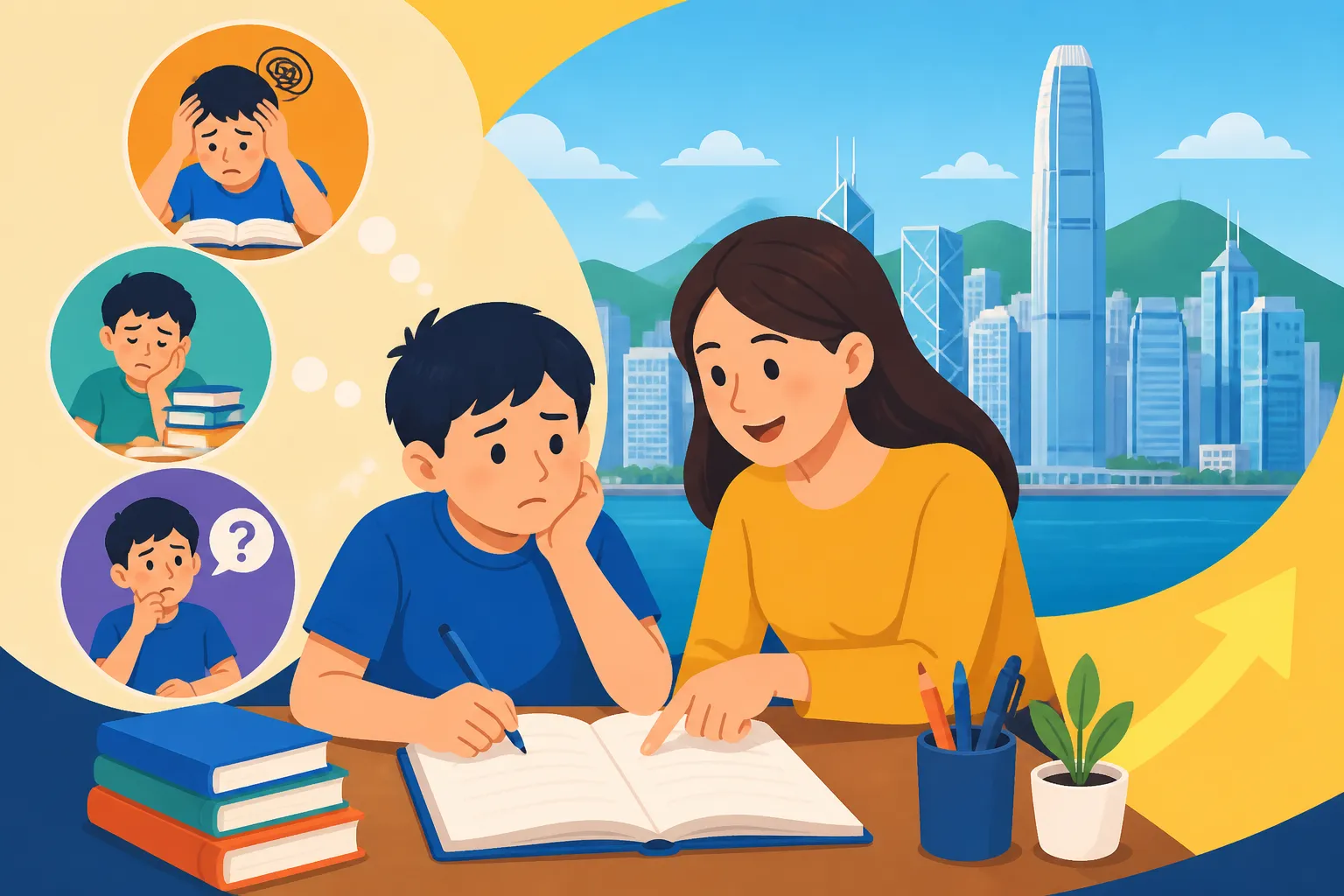
Knowing when to step in is the hardest part of being a parent in this city. You don't want to overschedule your child, but you also don't want them to lose their confidence. One of the first signs is a sudden change in attitude toward a specific subject. If your child was previously enthusiastic about science but now dreads the class, it’s often because the foundational concepts have become shaky. In Hong Kong's fast-paced environment, missing one week of core concepts can lead to a snowball effect that is hard to stop without 1-on-1 intervention.
Another key indicator is the "homework battle." If an assignment that should take 30 minutes is stretching into three hours of tears and frustration, the classroom instruction isn't sticking. This is particularly common in language acquisition. Many parents find that platforms like Preply or iTalki are lifesavers here. Instead of dragging a tired child to a physical center in Causeway Bay, you can book a 45-minute session on Preply to focus specifically on the vocabulary they are struggling with, keeping the stress levels at home much lower.
Lastly, you should look ahead at the "milestones." The Hong Kong system is built on entry points. Whether it's Preparing for an ESF School Admissions Interview or the transition from IGCSE to IB, these shifts are significantly more difficult than in many other countries. A tutor who specializes in these specific transitions can provide a roadmap, reducing the "fear of the unknown" for both the student and the parent.
Signs Your Child is Falling Behind
Keep a close eye on their "Internal Assessment" (IA) scores if they are in the IB stream. Unlike a final exam, these are ongoing projects that require consistent effort and specialized feedback. If your child is struggling to structure their essays or conduct independent research, a tutor can act as a coach rather than just a teacher.
It's also important to watch for "quiet struggling." Some children are so well-behaved that teachers don't realize they are lost. If your child’s report card says they are "diligent but could participate more," it might be a sign that they don't feel confident enough in the material to speak up. In these cases, a private tutor provides a safe space to ask "stupid" questions without the judgment of their peers.
Preparation for High-Stakes Exams
As your child enters Year 11 or Year 12, the focus shifts entirely to exam results. In Hong Kong, it is almost unheard of for a top-performing student to reach the IB finals without at least one subject-specific tutor. This isn't necessarily because the school is failing; it's because the volume of content is so high that having a specialist to refine their "exam technique" can push a score from a 38 to a 42.
For subjects like Mandarin, the gap between "classroom Chinese" and "exam Chinese" is vast. Many parents turn to iTalki to find tutors who specifically understand the IGCSE or IB Mandarin syllabus. The flexibility to have a session at 7:00 AM before school or on a Sunday afternoon makes these online options a favorite for busy expat families who are already balancing Extracurricular Activities in HK: Sports Clubs and Music Lessons.
Comparing Tutoring Formats: From "Tutor Kings" to Digital Platforms
Once you’ve decided that help is needed, the next challenge is choosing the right format. Hong Kong offers everything from high-end private agencies that charge HK$1,500 per hour to neighborhood centers that are more affordable but often loud and crowded. For most expat families, the choice usually comes down to three main avenues: specialized learning centers, private in-home tutors, or online platforms.
| Tutoring Type | Average Cost (HKD/hr) | Best For | Pros | Cons |
|---|---|---|---|---|
| Private In-Home | $600 – $1,500 | Core Subjects / IB / A-Levels | Highly personalized; no travel time | Expensive; hard to find top talent |
| Learning Centers | $300 – $800 | Exam Prep / Group Learning | Structured curriculum; social environment | Inflexible schedule; commute required |
| Online (Preply/iTalki) | $150 – $500 | Languages / Specific Topics | Maximum flexibility; global talent pool | Requires self-discipline; screen fatigue |
| Celebrity "Tutor Kings" | $200 – $400 | Local DSE Exam Hacks | Proven "hacking" techniques | Massive classes; video-only lessons |
For language learning specifically, the digital shift has been a game-changer. Platforms like iTalki allow you to filter for teachers who are actually based in Hong Kong or Mainland China, ensuring the dialect and curriculum alignment are perfect. Meanwhile, Preply is excellent for finding university students or professionals who can help with English literature or history at a fraction of the cost of a Central-based tutoring agency.
Private 1-on-1 vs. Learning Centers
Private tutors offer the most intensive support, which is often necessary if a child has Autism Assessment and Special Education Needs (SEN) Support in HK. These students may need a slower pace and more sensory-friendly instruction than a bustling center in Wan Chai can provide. However, the downside is the "revolving door" of tutors. Many private tutors are expats themselves who might leave the city on short notice, whereas a learning center offers more institutional stability.
Learning centers like Kumon or more "high-end" boutiques in Mid-Levels provide a structured environment that can help children who lack study skills. The downside is that they often use a "one size fits many" approach. If your child is struggling with a very specific part of the calculus syllabus, a group class at a center might spend 40 minutes on things they already know and only 5 minutes on their actual problem area.
Online Platforms and Language Support
The rise of online tutoring has been the best thing to happen to the expat parent's budget. By using Preply, you aren't limited to the tutors who live within a 5-mile radius of your apartment. You can find a math whiz in London or a Mandarin expert in Beijing who can work around your child’s hectic schedule.
For many kids, the anonymity of the screen actually reduces their anxiety. They feel more comfortable making mistakes in front of a teacher on iTalki than they do in a physical classroom in Hong Kong where they might be worried about their "reputation." This psychological barrier is often the biggest hurdle to learning, especially in languages.
Integrating Tutoring into a Sustainable Expat Lifestyle
The final piece of the puzzle is ensuring that tutoring doesn't consume your child’s childhood. It is very easy to get swept up in the "more is better" mentality of Hong Kong. Some families have a tutor for every single subject, leaving the child with zero free time. This often leads to burnout by the time they hit university.
A more sustainable approach is to use tutoring as a "surgical intervention" rather than a permanent crutch. If your child is struggling with a specific unit in chemistry, hire a tutor for six weeks to master that unit, then stop. This teaches the child that they are capable of working independently and that the tutor is a tool for specific growth, not a requirement for daily existence.
You should also be aware of the "cultural tax." If your child is in the local system or a very competitive international school, they may need help navigating the cultural expectations of their teachers. Sometimes, a tutor isn't just teaching math; they are teaching the child how to format their work and communicate in a way that aligns with the school's specific culture. For younger children, this might even involve Navigating Early Intervention Services for Developmentally Delayed Children if the "falling behind" is due to developmental delays rather than just academic difficulty.
Balancing Academics with Well-being
It is vital to schedule "white space" into your child’s calendar. In a city where the "default" is to be busy, you have to be intentional about rest. If you decide to add a tutoring session on a Tuesday, perhaps you should cut an extracurricular activity on Wednesday. The goal is to ensure they are learning, not just performing.
Keep an open dialogue with your child about their stress levels. If they are feeling overwhelmed, the tutor should be the first thing to go—or the tutor's role should shift from "more work" to "helping with existing work." A good tutor will reduce a child's total workload by making them more efficient, not by piling on hours of extra drills.
The Financial Reality of Constant Tutoring
Budgeting for education in Hong Kong is a major part of expat life. Between school fees, debentures, and uniforms, the cost is already astronomical. Tutoring can easily add another HK$5,000 to HK$10,000 per month per child if you aren't careful.
Using online resources like Preply or iTalki can significantly reduce this burden. By shifting even half of your tutoring needs to online platforms, you can save thousands of dollars a year without sacrificing the quality of instruction. This allows you to save that money for other essential expat costs or for those much-needed family holidays away from the Hong Kong pressure cooker.
Disclaimer
The information provided in this guide is for general informational purposes only and does not constitute professional educational or psychological advice. While the tutoring culture in Hong Kong is highly competitive, every child's needs are unique. Parents should consult with their child's school and qualified educational professionals before making significant changes to their child's learning or support schedule. Prices and availability of services mentioned are subject to change based on market conditions in 2026.