Mental Health in Hong Kong: Counseling and Expat Support Services
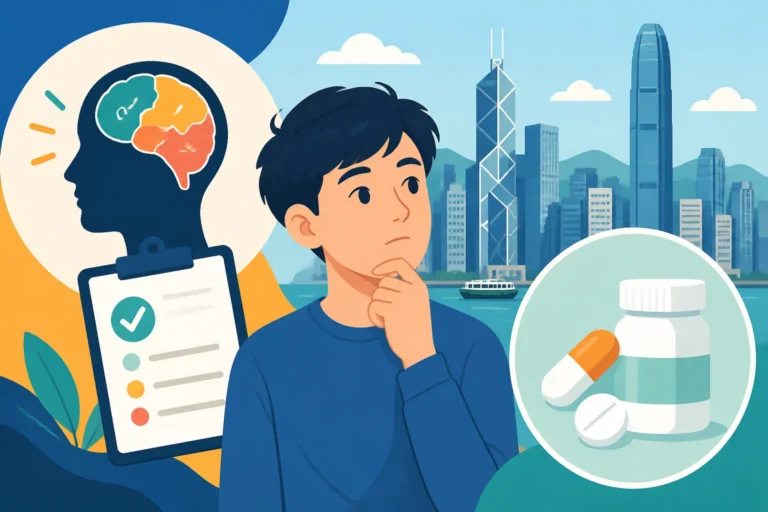
Moving to a high-pressure city like Hong Kong often leads to an "identity crisis" or burnout that no one warns you about during the visa process. I remember sitting in my tiny Mid-Levels flat, overwhelmed by the neon lights and the relentless pace, feeling completely isolated despite the millions of people outside. This guide provides a roadmap to navigating mental health support in the city, from finding English-speaking therapists to understanding public vs. private care.
The Reality of the Hong Kong Grind for Expats
The "work hard, play hard" culture of Hong Kong is not just a cliché; it is a systemic reality that can take a significant toll on your mental well-being. For many of us, the transition starts with the excitement of a high-paying role and a vibrant social scene, but the lack of a traditional support network—family, long-term friends, and familiar environments—can quickly lead to feelings of displacement. The city’s physical environment also plays a role. Living in high-rise apartments with limited square footage means your "safe space" can often feel claustrophobic, especially when the humidity hits and the gray clouds of a T8 typhoon roll in.
Socially, the "expat bubble" can be both a blessing and a curse. While it is easy to find people who share your language and professional background, the transient nature of the population means that friends often move away every two to three years. This constant "friendship churn" makes it difficult to build deep, lasting emotional foundations. You might find yourself at a rooftop bar in Central, surrounded by people, yet feeling a profound sense of loneliness. This is a common phenomenon that local counselors often refer to as "Hong Kong Syndrome," characterized by anxiety, sleep disturbances, and a reliance on alcohol to decompress.
The pressure to perform professionally is another major factor. In a city where the Statutory Minimum Wage (SMW) 2026 Updates: HK$43.1 Calculation is a frequent topic of debate for some, the high-earning expat community faces a different kind of stress: the "always-on" culture. With time zones bridging London and New York, many professionals find their workdays bleeding into their nights. Validating this struggle is the first step toward recovery. You aren't "weak" for feeling this way; you are reacting to an environment that is designed to be intense. Acknowledging that the city's pace is abnormal by global standards is crucial for your mental health.
The Trailing Spouse Experience
One of the most overlooked mental health challenges in Hong Kong is the experience of the "trailing spouse." Often, one partner moves for a lucrative contract while the other gives up a career back home, suddenly finding themselves without a professional identity or a daily routine. This can lead to a sense of purposelessness and resentment, even in a luxury setting. If you are on a dependent visa, it is important to know your rights; for instance, understanding Can My Spouse Legally Work in Hong Kong? can be the first step in reclaiming your independence and improving your mental state.
Finding a community is vital for trailing spouses. Without the structure of an office, days can become long and repetitive. Many struggle with "helper-related guilt" or the strange adjustment of having someone else manage their household. It is common to feel that you "should" be happy because of the perceived privilege of expat life, but this guilt only serves to suppress genuine emotional needs. Engaging with support groups or pursuing local education can help mitigate these feelings of drift.
Burnout and Alcohol Culture
Hong Kong’s social life is heavily centered around alcohol, particularly in districts like Lan Kwai Fong and Soho. For many expats, "just one drink" after work turns into a nightly ritual to numb the stress of the day. This can mask underlying anxiety or depression and create a cycle of poor sleep and low productivity. The "Friday night blowout" is often a desperate attempt to let off steam from a grueling 70-hour work week, but it rarely provides the deep rest that the mind actually requires.
Recognizing the signs of burnout early—such as irritability, chronic fatigue, and a loss of interest in hobbies—is essential. Many people wait until they are in a full-blown crisis before seeking help. In Hong Kong, the stigma surrounding mental health is gradually fading, but the corporate culture still lags behind. Learning to set boundaries in a city that doesn't sleep is a survival skill. It might mean turning off your phone after 8 PM or choosing a hiking trip in Sai Kung over a boozy brunch on Sunday.
Public vs Private Mental Healthcare Systems
Navigating the healthcare hierarchy in Hong Kong can be confusing when you are already feeling low. The system is split into two very distinct paths: the public sector, managed by the Hospital Authority, and the private sector, which includes independent clinics and world-class hospitals. Each has its pros and cons, and your choice will likely depend on your financial situation, the urgency of your needs, and your residency status.
The public system is incredibly affordable if you hold a valid HKID, but it is notoriously overstretched. For mental health, this often translates to long waiting times for non-urgent cases. However, for acute psychiatric crises, the public system is the primary responder. Understanding the Hospital Authority (HA) Guide: Accessing Public Healthcare for Expats is vital for anyone planning a long-term stay. If you are an "Eligible Person," the cost of a specialist outpatient clinic visit is minimal, but you may only see your doctor for 10-15 minutes every few months.
On the flip side, the private sector offers immediate access, English-speaking specialists, and a much more personalized approach. You can choose your therapist based on their specific expertise, whether that’s Cognitive Behavioral Therapy (CBT), Psychodynamic therapy, or Eye Movement Desensitization and Reprocessing (EMDR). The downside is, of course, the cost. Without insurance, private sessions can range from HK$1,500 to HK$3,500 per hour. Many expats opt for a hybrid approach: using private therapy for regular talk sessions while maintaining a connection to the public system for long-term medication management.
The Hospital Authority Route (HA)
To access public mental health services, you generally need a referral from a General Practitioner (GP). You can visit a public Maternal and Child Health Centre or a General Outpatient Clinic (GOPC) to get this referral. Once in the system, you will be triaged based on the severity of your condition. "Priority 1" (Urgent) cases are usually seen within two weeks, while "Stable" cases can wait a year or more. This is where Public vs Private Psychiatric Care: Waiting Times and Costs becomes a critical comparison for your decision-making.
The public system is excellent for severe conditions like schizophrenia or bipolar disorder, where multi-disciplinary teams and social workers are integrated into the care plan. For common issues like mild-to-moderate depression or work-related stress, the public system's "brief encounter" model may feel insufficient for expats used to more intensive therapeutic support. If you do go this route, using the "HA Go" app is a lifesaver for managing appointments and viewing your medical records.
Private Practice Advantages
The private sector in Hong Kong is where you will find the highest density of English-speaking, Western-trained psychologists and psychiatrists. Most are concentrated in Central, Admiralty, and Tsim Sha Tsui. The primary advantage here is the "fit." Mental health care is deeply personal, and being able to interview 2-3 therapists before committing to one is a luxury only the private sector provides. Most private clinics will have a website detailing the practitioners' backgrounds, languages spoken, and therapeutic philosophies.
In the private sector, confidentiality is often perceived as being more robust, especially for those in sensitive industries like finance or law. You won't run into colleagues in a crowded public hospital waiting room. Furthermore, many private practitioners have experience specifically with the expat journey, understanding the nuances of relocation, cross-cultural marriages, and international career pressures. For those with high-pressure roles, finding a therapist who understands the "Golden Handcuffs" of Hong Kong's finance sector can be incredibly validating.
| Feature | Public System (Hospital Authority) | Private Sector (Clinics/Hospitals) |
|---|---|---|
| Cost | Very low (HK$100-200 per visit) | High (HK$1,500 – HK$3,500+ per hour) |
| Wait Time | Months to over a year for "stable" cases | Immediate (1-7 days) |
| Session Length | 10-20 minutes | 50-60 minutes |
| Language | Cantonese primary, English available | Fully English-speaking options |
| Continuity | May see a different doctor each time | Consistent relationship with one therapist |
Finding English-Speaking Counseling and Therapy
If you've decided to go private, the next hurdle is actually finding the right person. Hong Kong does not have a central mandatory registration for "counselors" in the same way it does for "psychologists" or "doctors," which means you must do your due diligence. Look for practitioners who are registered with the Hong Kong Psychological Society (HKPS) or international bodies like the BACP (UK) or APA (USA).
Most expat-friendly clinics are located in the Central district. Walking into a building like Prince's Building or Jardine House, you'll find numerous multi-disciplinary practices. It is often helpful to start by Finding English-Speaking General Practitioners (GPs) in Central who can give you a curated list of therapists they trust. A good GP acts as the quarterback of your mental health, ensuring that physical symptoms (like heart palpitations or gut issues) aren't being overlooked while you tackle the psychological aspects.
Telehealth and Online Options
Since 2020, the landscape of therapy in Hong Kong has shifted toward digital accessibility. Many expats now prefer Telemedicine Apps in HK: DoctorNow and Virtual Consultations for their counseling needs. This is particularly useful for those living in more remote areas like Lamma Island or South Lantau, where commuting to Central for a 50-minute session can add three hours of travel time and extra stress. Online therapy also allows you to maintain a relationship with a therapist back in your home country, which can provide much-needed cultural continuity.
However, there are legal and insurance caveats to seeing a therapist abroad. Some insurance providers will only cover practitioners licensed in the country where the "service" is delivered. Additionally, if you require a prescription for antidepressants or anti-anxiety medication, an overseas therapist cannot write one that is valid in Hong Kong. You will still need a local psychiatrist or GP to manage the medical side of your treatment.
Cultural Sensitivity and Specializations
It’s not enough to find someone who speaks English; you need someone who understands the culture of being an expat. There are specific pressures associated with the "7-year itch" (the timeline for permanent residency) or the stress of maintaining an employment visa. A therapist who knows the intricacies of the General Employment Policy (GEP): Standard Work Visas for Expats will understand why losing a job in Hong Kong feels like a much higher-stakes crisis than it might in London or Sydney—it’s not just a career setback; it’s a potential deportation.
Specializations are also key. Some clinics focus exclusively on children and adolescents, which is vital given the high-pressure environment of Hong Kong’s international schools. Others specialize in LGBTQ+ issues, which is important in a city that is socially conservative in some pockets while being very liberal in others. When you call a clinic, don't be afraid to ask: "Do you have experience with expats working in high-frequency trading?" or "Do you have a counselor who understands the specific challenges of the South Asian expat community?"
Specialized Support: From Burnout to Postpartum
Mental health isn't a monolith. The support you need for corporate burnout is vastly different from the support required for postpartum depression or navigating a divorce. Hong Kong has developed a robust network of niche services to address these specific life stages. For parents, the transition to life with a newborn in a foreign city can be particularly isolating. While the Maternal and Child Health Centres (MCHC) provide excellent physical checkups for babies, they are often less equipped to handle the emotional nuances of new parenthood.
Postpartum depression (PPD) is a significant concern for expat mothers who lack the "village" of support they might have had back home. The reliance on domestic helpers can sometimes complicate this; while helpers provide physical relief, they cannot replace the emotional support of a mother or a close friend. There are dedicated Expat Support Groups for Postpartum Depression in Hong Kong that meet in areas like Stanley and Mid-Levels, providing a safe space to share feelings that often feel "taboo."
Corporate Wellness and Burnout
The finance and legal sectors in Hong Kong are starting to take burnout more seriously, but the change is slow. Many firms now offer Employee Assistance Programs (EAPs), which provide 3-5 free counseling sessions. While this is a good start, it’s often just a "band-aid" for a structural problem. If you find your workplace is the primary source of your distress, it might be time to look into your Employment Rights in HK: Contracts, MPF, and Statutory Leave to understand how much sick leave you can legally take to recover.
Burnout often manifests as physical illness. Many people end up in the A&E with what they thought were heart attacks, only to be told it was a panic attack brought on by chronic stress. If you are at this point, professional intervention is not optional—it is mandatory for your long-term health. Private wellness retreats in Lantau or even short hops to regional wellness centers in Thailand are common "resets" for the Hong Kong elite, but they are no substitute for consistent, weekly therapy.
Navigating Relationship Strain and Divorce
The "Hong Kong Divorce" is a sad but common reality in the expat community. The combination of long work hours, frequent travel, and the "Peter Pan" lifestyle that the city can encourage sometimes puts an unbearable strain on marriages. There are specialized family counselors who focus on mediation and high-conflict separations. If you find yourself in this position, understanding the legalities of your stay is crucial, especially if your right to remain in the city is tied to your spouse via a [Dependent Visa].
Relationship counseling in Hong Kong often involves dealing with "third-party" issues—not just affairs, but the intrusion of work or the complexities of managing a household with domestic help. Counselors like those at the ReSource Counselling Centre offer sliding-scale fees, making therapy more accessible for those who might be facing financial uncertainty during a separation.
Crisis Services and Emergency Support
If you or someone you know is in immediate danger, you need to know exactly what to do. Hong Kong does not have a "mental health ambulance," but the general emergency number is 999. When you call, you should state clearly that there is a psychiatric emergency. The police and an ambulance will be dispatched, and the individual will typically be taken to the nearest public hospital’s Accident & Emergency (A&E) ward.
For those who are not in immediate physical danger but are experiencing suicidal thoughts or a profound crisis, the Samaritans (English-speaking) are an incredible resource. They provide a 24-hour multi-lingual hotline that has saved countless lives in the expat community. Knowing Suicide Prevention and English Crisis Hotlines in HK (Samaritans) should be a standard part of your "first month in HK" checklist, right alongside your Octopus card and your HKID.
A&E Triage for Mental Health
When you arrive at a public hospital like Queen Mary or Queen Elizabeth in a psychiatric crisis, you will go through the same triage system as someone with a broken leg or a heart attack. Understanding the Accident and Emergency (A&E) Triage Categories in Public Hospitals is important. Psychiatric cases are often categorized as "Urgent" or "Semi-Urgent" depending on the risk of self-harm. You will be seen by a medical officer first, and if necessary, a psychiatric medical officer will be called for a consultation.
The experience in a public A&E can be jarring. It is often loud, crowded, and purely clinical. However, it is the safest place to be if you are in a crisis. They can provide immediate stabilization and, if necessary, admit you to a psychiatric ward. While the wards are functional rather than comfortable, they provide the necessary environment to prevent harm during the most acute phase of an illness.
Non-Governmental Organizations (NGOs)
Beyond the Samaritans, Mind HK is a leading organization dedicated to improving mental health awareness in the city. They offer a wealth of resources in English and Cantonese, including a "Help Me" tool that helps you navigate the different types of support available. They also run "Mental Health First Aid" courses, which I highly recommend for anyone in a management position or for parents.
NGOs often fill the gap between the expensive private sector and the slow public sector. Organizations like St. John’s Counselling Service offer professional counseling at subsidized rates based on your income. This is a vital service for those on local contracts or for students who may not have the budget for high-end Central clinics.
Insurance and the Cost of Mental Health Care
One of the biggest barriers to seeking help is the fear of the bill. In Hong Kong, you can't assume that your basic medical insurance will cover "talk therapy" or even psychiatric consultations. Many standard corporate plans exclude mental health entirely or have a very low annual cap (e.g., HK$5,000), which might only cover two sessions at a top-tier clinic.
If you are looking for more comprehensive coverage, brands like Cigna Global are popular among expats because they often allow for modular add-ons that specifically include outpatient mental health care. Similarly, for digital nomads or those on shorter assignments, SafetyWing provides a flexible safety net that can be essential if you need to be evacuated or hospitalized for a major health event. Always read the fine print: some policies have a "waiting period" (often 12 months) before you can claim for mental health services.
VHIS and Mental Health
The government’s Voluntary Health Insurance Scheme (VHIS) has been a game-changer for local residents, and it is available to expats with a HKID. One of the mandatory features of a Voluntary Health Insurance Scheme (VHIS): Coverage and Tax Benefits plan is that it must include coverage for psychiatric treatments during confinement in a local hospital. However, VHIS Standard plans do not typically cover "outpatient" counseling or psychologist visits.
For those who want outpatient coverage, you'll need to look at "Flexi" plans or premium international expat insurance. When choosing a plan, check if they offer "direct billing." This means the clinic bills the insurance company directly, so you don't have to pay HK$3,000 upfront and wait weeks for a reimbursement. This is a huge relief when you are already dealing with the mental load of a health struggle.
Out-of-Pocket Strategies
If your insurance doesn't cover therapy, there are still ways to manage the costs.
- Sliding Scales: Many non-profit counseling centers adjust their fees based on your monthly salary.
- Trainee Therapists: Some large practices have "interns" or junior counselors who offer sessions at a fraction of the price (HK$500-800) while being supervised by senior staff.
- Group Therapy: Participating in a group for anxiety or grief is often much cheaper than one-on-one sessions and provides a built-in support community.
- GP Management: For simple medication needs, a GP can often manage your prescriptions after an initial diagnosis from a psychiatrist, which saves on the higher specialist fees.
Navigating Medication and Psychiatrists
There is a major difference between a "Counselor/Psychologist" and a "Psychiatrist" in Hong Kong. Only a Psychiatrist (who is a medical doctor) can prescribe medication. If your therapist believes you would benefit from antidepressants, sleep aids, or ADHD medication, they will refer you to a psychiatrist for a "medication review."
Finding the right psychiatrist is just as important as finding the right therapist. You want someone who won't just hand you a prescription and send you on your way in five minutes. Many private psychiatrists in Hong Kong also offer psychotherapy, providing a "one-stop-shop" for your care, though this is usually the most expensive option. When you are on medication, you will need to be aware of the local laws, such as Prescription Drug Laws: Bringing Foreign Medication into Hong Kong, especially if you are traveling or moving from abroad with existing supplies.
Accessing Common Medications
Most common antidepressants (SSRIs like Lexapro, Zoloft, or Prozac) are widely available in Hong Kong. However, "controlled" substances like Ritalin or Concerta for ADHD are much more strictly regulated. You cannot simply walk into a pharmacy with a foreign prescription and expect it to be filled. You will need to see a local doctor who is registered with the Hong Kong Medical Council.
The cost of medication can vary wildly between the public and private sectors. In a public hospital, a three-month supply of a common antidepressant might cost you HK$15. In a private pharmacy, the brand-name version of the same drug could cost you HK$1,500. This is a significant factor in Managing Chronic Conditions: Diabetes and Hypertension in HK, and mental health is no different. Many expats get their initial diagnosis and "stabilization" in the private sector, then transfer to the public system for long-term, low-cost medication refills.
Pharmacies and Rules
Hong Kong has a unique pharmacy system. You will see "Watsons" and "Mannings" everywhere, but only those with a "Rx" sign have a pharmacist on duty who can dispense prescription medication. For mental health drugs, the pharmacist will take your prescription and keep a record. Always ensure you have a valid, local prescription. If you are ever unsure, a guide on Pharmacies and Medication in HK: Prescriptions and OTC Rules can help you distinguish between a registered pharmacy and a general drug store.
It is also worth noting that some medications that are over-the-counter in other countries (like high-dose Melatonin in the US) may be regulated differently here. Always check with a pharmacist before assuming you can buy your usual "remedies" at the local shop.
Holistic and Community-Based Wellness
Sometimes, clinical therapy isn't the only answer—or it's just one piece of the puzzle. Hong Kong has a thriving "wellness" scene that includes everything from forest bathing in the New Territories to sound healing in Sheung Wan. While these shouldn't replace medical treatment for serious conditions, they can be excellent for managing daily stress and building resilience.
Traditional Chinese Medicine (TCM) is also a huge part of the local culture. Many expats find that Traditional Chinese Medicine (TCM) in HK: A Guide for Foreigners offers a helpful alternative for managing the physical symptoms of stress, such as insomnia or digestive issues. Acupuncture, in particular, is widely used for relaxation and is even offered in some private hospitals as a complementary therapy.
Exercise and the Outdoors
Never underestimate the power of a "Hong Kong Hike." The city is 40% country park, and getting away from the concrete jungle is one of the best things you can do for your mental health. Joining a hiking group or a dragon boat team provides both exercise and a social outlet that doesn't revolve around drinking. The endorphin rush from climbing "The Twins" or "Dragon’s Back" is a natural antidepressant that is free for everyone.
For those who prefer the gym, be aware of the high-pressure sales tactics common in the city. A guide on Gym Memberships in HK: Costs and Negotiation Tactics can help you avoid the stress of a bad contract, which is the last thing you need when you're trying to improve your well-being. Look for community-focused gyms or yoga studios that prioritize mental wellness over "body goals."
Community Groups and Meetups
There are dozens of "Meetup" groups in Hong Kong focused on mental health, meditation, and philosophy. These are often more informal and less intimidating than a clinical setting. Whether it’s a "Mindful Morning" group on the beach in Repulse Bay or a "Philosophy Club" in a coffee shop in Prince Edward, these gatherings help combat the isolation of expat life.
Volunteering is another powerful way to improve your mental state. Helping others provides a sense of perspective and belonging. Organizations like "HandsOn Hong Kong" make it easy to find one-off or recurring volunteer opportunities that fit into a busy schedule. When you contribute to the city, it stops being just a "work location" and starts feeling like a home.
Disclaimer
The information provided in this guide is for educational and informational purposes only and does not constitute professional medical advice, diagnosis, or treatment. Always seek the advice of your physician or another qualified health provider with any questions you may have regarding a medical or mental health condition. Never disregard professional medical advice or delay in seeking it because of something you have read in this article. If you are in a crisis, please call 999 or a local crisis hotline immediately.