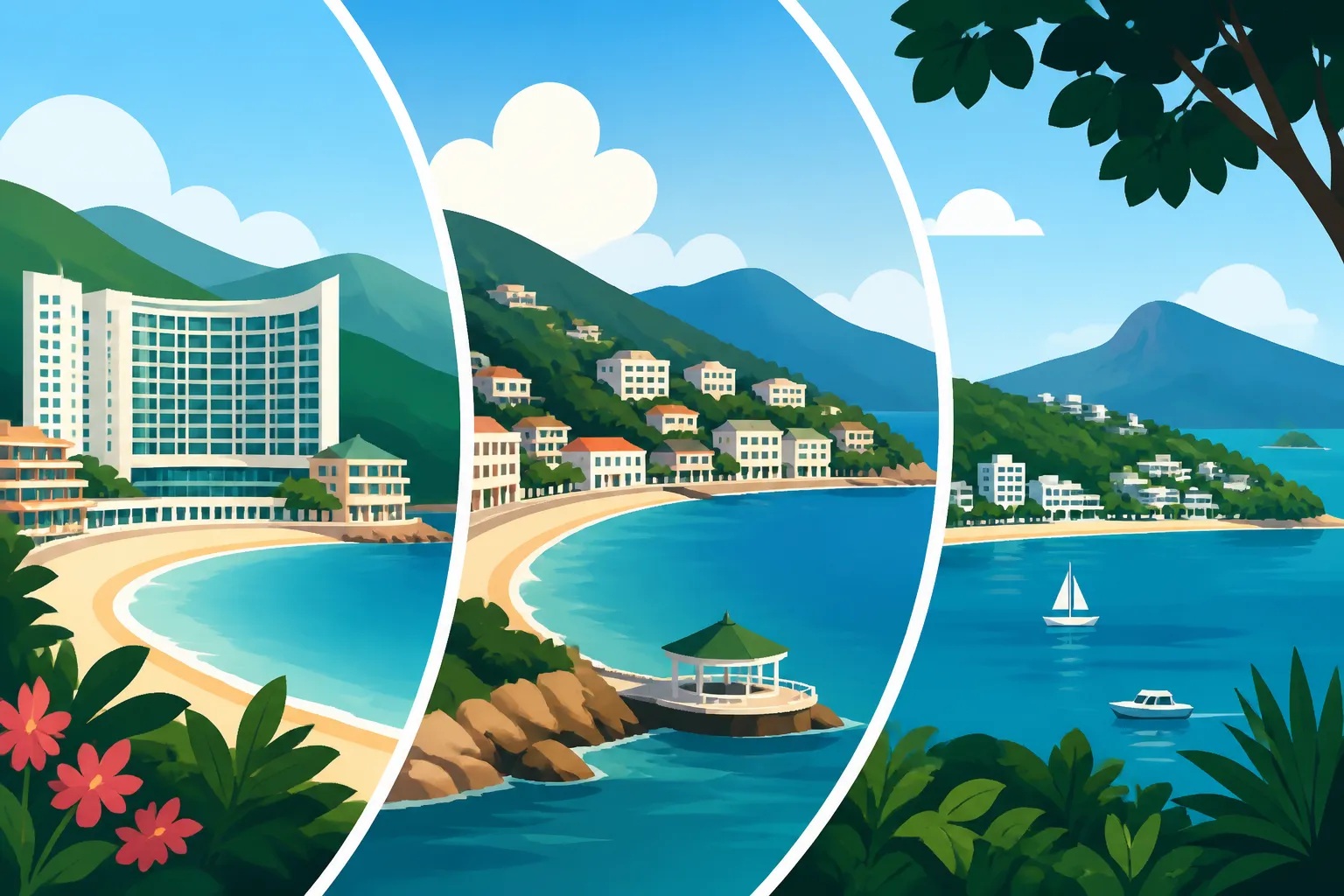
Southside Living: Repulse Bay, Stanley, and Deep Water Bay
Navigating Hong Kong's dizzying array of neighborhoods can feel like trying to solve a Rubik's Cube blindfolded, especially when you're yearning for a lifestyle that balances the city's buzz with a breath of fresh air. Many expats arrive, initially drawn to the bright lights of Central, only to later crave a more tranquil existence that still feels connected. This comprehensive guide will pull back the curtain on the enchanting Southside of Hong Kong Island, delving into the distinct charms and practicalities of Repulse Bay, Stanley, and Deep Water Bay, to help you uncover which seaside haven might just be your perfect fit.
The Allure of Hong Kong's Southside: A Different Pace of Life
When you first land in Hong Kong, the sheer density and kinetic energy of places like Central, Causeway Bay, or Mong Kok are often what capture your imagination. But after a while, many of us start to yearn for something different – a place where the air feels a little cleaner, the pace a little slower, and the concrete jungle gives way to lush greenery and sparkling seas. This is where Hong Kong's Southside truly shines, offering a contrasting lifestyle that has captivated countless expats looking for a different rhythm. It’s a deliberate choice to step back from the relentless urban grind without completely disconnecting.
Escape the Urban Frenzy
One of the most immediate benefits of the Southside is the palpable sense of calm that washes over you the moment you cross the Aberdeen Tunnel or wind your way over the hills. Gone are the incessant honking taxis, the elbow-to-elbow crowds, and the towering glass skyscrapers that block out the sun. Instead, you're greeted by verdant hillsides, expansive sea views, and a distinct quiet that feels almost unbelievable given how close you still are to the financial hub. It’s a place where you can hear the birds chirp in the morning, where a walk along the beach replaces a dash through a crowded MTR station, and where the concept of "personal space" suddenly becomes a tangible reality. This escape isn't just physical; it's psychological, allowing residents to decompress and recharge in a way that’s simply not possible amidst the city's relentless pace. The air quality, often a concern in urban areas, also tends to be noticeably better on the Southside, benefiting from the sea breeze and fewer high-rise obstructions.
Lifestyle and Community
The lifestyle on the Southside is distinctly different, leaning heavily into outdoor activities and community living. You'll find families out cycling, dog walkers strolling along promenades, and beachgoers enjoying the sun and sand. There’s a strong sense of community, particularly among expats, who often find themselves bumping into familiar faces at the local markets, schools, or cafes. This translates into a more relaxed social scene, often centered around informal gatherings, beach BBQs, or hikes, rather than the high-octane nightlife of Lan Kwai Fong. For those with children, the Southside is a highly sought-after location, largely due to its proximity to numerous international schools and abundant green spaces for kids to play. It offers a quality of life that prioritizes nature, wellness, and a supportive neighborhood feel, making it an ideal environment for families and individuals seeking a more balanced existence. You’ll quickly discover that while the city offers endless diversions, the Southside provides a genuine sense of home and belonging.
Repulse Bay: Beachfront Bliss and Modern Comforts
Repulse Bay is often the first place that comes to mind when expats think of Southside living, and for good reason. It embodies a blend of resort-style living with accessible urban conveniences, all wrapped up in a stunning natural setting. The iconic crescent-shaped beach is a focal point, drawing both residents and tourists, yet the residential areas manage to maintain a peaceful, exclusive feel. It's a perennial favorite for those who dream of waking up to sea views and having sand between their toes before the workday even begins.
Residential Options
When it comes to housing in Repulse Bay, you're generally looking at modern, well-appointed apartment complexes and, to a lesser extent, a few low-rise developments. The architecture here tends to be contemporary, often featuring large windows and balconies designed to maximize those coveted ocean vistas. You'll find a range of sizes, from comfortable two-bedroom units perfect for couples to sprawling family apartments with multiple bedrooms, helper's quarters, and spacious living areas. Many buildings come with fantastic amenities, including swimming pools, gyms, playgrounds, and even shuttle bus services to Central, which is a massive perk. Landlords in Repulse Bay are accustomed to expat tenants, so tenancy agreements are usually straightforward, though it's always wise to fully understand the terms, including any break clauses. If you're coming from abroad, companies like Blueground or Habyt offer fully furnished serviced apartments in the area, providing a convenient bridge before you commit to a long-term lease.
Amenities and Recreation
Repulse Bay is far from just a residential area; it’s a destination in itself. The Repulse Bay Arcade, a charming open-air complex, houses a selection of upscale restaurants, cafes, a well-stocked supermarket (often a lifeline for expat families), and various boutique shops. You can grab a coffee with a sea view, enjoy a leisurely brunch, or pick up groceries without having to venture far. Of course, the star attraction is Repulse Bay Beach itself. It's clean, expansive, and perfect for sunbathing, swimming, or simply watching the world go by. Beyond the beach, there are lovely walking paths, including the popular walk to Deep Water Bay, offering scenic views. The area also boasts a selection of health and wellness studios, catering to the active and health-conscious community. During holidays, the beach can get busy, but it rarely feels overwhelmingly crowded compared to other public spaces in Hong Kong.
Commuting from Repulse Bay
While Repulse Bay feels a world away from the CBD, commuting to Central is surprisingly manageable. There's no MTR station directly in Repulse Bay, but a robust bus network connects the area efficiently. Numerous public bus routes (e.g., routes 6, 6A, 6X, 260) run frequently, taking you directly into Central, Admiralty, or Causeway Bay. The journey typically takes around 20-40 minutes, depending on traffic, which is often comparable to or even quicker than some MTR routes from the New Territories. Many residential complexes also offer private shuttle services specifically for their residents, providing an even more convenient and comfortable commute during peak hours. Taxis are readily available, though more expensive. For those who enjoy an active lifestyle, some expats even commute by bicycle on weekends or for shorter distances within the Southside. If you need to navigate public transport effectively, check out our guide on Public Transport in HK: MTR, Trams, Buses, and Ferries.
Stanley: Historic Charm and Seaside Village Life
A little further east along the coast from Repulse Bay, you'll find Stanley, a charming seaside town that feels like a distinct village rather than just a neighborhood. It's steeped in history, boasts a vibrant market, and offers a relaxed, almost holiday-like atmosphere that draws both locals and tourists. For expats seeking a unique blend of traditional Hong Kong character and modern amenities, Stanley presents an incredibly appealing option.
Housing Landscape
Stanley's housing landscape is wonderfully diverse, offering a stark contrast to the often uniform high-rises found elsewhere. Here, you'll discover a charming mix of older low-rise apartment buildings, many with character and stunning sea views, alongside beautifully renovated village houses. These village houses often provide more space, private gardens, or rooftops, which are a true luxury in Hong Kong, especially for families with pets. Additionally, there are a few modern complexes that offer contemporary amenities similar to those in Repulse Bay, though perhaps on a smaller scale. The appeal of Stanley lies in this variety, allowing residents to choose between a more traditional, spacious home or a modern apartment, all within walking distance of the beach and market. Exploring options here might involve a good local real estate agent who understands the nuances of village house rentals.
Shopping and Dining
Stanley is famous for its namesake, Stanley Market, a bustling warren of stalls selling everything from silk garments and artwork to souvenirs and electronics. It's a fantastic place to wander, haggle (gently!), and pick up unique gifts or household items. Beyond the market, the Stanley Waterfront Promenade is a hub of activity, lined with an array of al fresco restaurants and pubs. You can enjoy everything from traditional Cantonese seafood to hearty Western meals, all with picturesque views of the bay. There are also smaller, independent cafes and a couple of supermarkets for daily essentials. The dining scene is generally more casual and family-friendly than in Central, making it perfect for relaxed weekend meals. Many expats appreciate the ability to dine out frequently without the hefty price tag often associated with city-center restaurants.
Leisure and Activities
Life in Stanley revolves around the water and its charming village atmosphere. Stanley Main Beach is a popular spot for swimming and watersports, including kayaking and stand-up paddleboarding, and hosts the annual Dragon Boat Festival races. The promenade is perfect for leisurely strolls, offering scenic views and leading to historical sites like the Murray House, a beautiful colonial building relocated brick-by-brick from Central, and Blake Pier. For those who enjoy hiking, the nearby hills offer numerous trails with stunning vistas over the South China Sea. The relaxed pace and abundance of outdoor activities make Stanley an ideal choice for expats who love to be active and immersed in a natural, historical setting. It's a place where you can easily fill your weekends with exploration and relaxation. You might even want to brush up on your Cantonese or Mandarin skills through platforms like Preply or iTalki to enhance your interactions in the local market.
Deep Water Bay: Exclusive Enclave and Green Living
Nestled between Repulse Bay and Ocean Park, Deep Water Bay stands as one of Hong Kong's most exclusive and tranquil residential enclaves. This area is less about bustling markets or tourist attractions and more about privacy, expansive green spaces, and a decidedly high-end, serene lifestyle. It's a sought-after address for those who prioritize peace, space, and understated luxury, often attracting families who prefer a quiet retreat away from the public eye.
Premium Residences
Deep Water Bay is synonymous with grand, spacious residences. Here, you'll find a concentration of luxurious detached houses, townhouses, and large, low-rise apartments, many of which come with private gardens, swimming pools, and dedicated parking. These properties often boast breathtaking views of the bay and surrounding greenery, and their design emphasizes space, light, and high-quality finishes. Unlike the more densely packed areas, developments in Deep Water Bay are spread out, contributing to a sense of seclusion and exclusivity. This is not the place for compact urban living; rather, it’s where you come to find expansive homes that offer a true sanctuary within Hong Kong. The rental costs here reflect the premium nature of the properties, often being significantly higher than in other Southside areas. If you're considering such properties, make sure to read up on Renting in Hong Kong: Apartments, Leases, and Tenant Rights to understand the market.
Privacy and Serenity
The defining characteristics of Deep Water Bay are its unparalleled privacy and profound sense of serenity. The area is much quieter than its neighbors, with fewer public amenities and less foot traffic. This makes it an ideal choice for those who truly value peace and quiet, and a safe, secluded environment for their families. The lush green surroundings, proximity to nature, and the gentle lapping of waves against the shore create an almost therapeutic atmosphere. You won't find bustling street markets or loud entertainment venues here. Instead, residents enjoy morning jogs along the quiet roads, tranquil walks through the nearby parks, and the simple pleasure of an uninterrupted sea view from their homes. It's an oasis of calm that belies its proximity to one of the world's busiest cities.
Accessibility and Exclusivity
While Deep Water Bay offers exceptional privacy, its accessibility is somewhat more limited than Repulse Bay or Stanley. There are fewer public bus routes directly serving the inner residential streets, though main roads are still well-connected to Central and other districts. This often means that residents of Deep Water Bay rely more heavily on private transport, such as personal cars or private drivers, to get around. Many of the luxury complexes provide dedicated shuttle services, which are a major convenience. The trade-off for this slightly reduced public transport connectivity is the heightened exclusivity and reduced traffic within the enclave itself. For families, the presence of various international schools in close proximity is a significant draw, mitigating the need for long commutes for children. The area truly appeals to those who are willing to invest in their lifestyle for the benefits of space, quiet, and a prestigious address.
Practical Considerations for Southside Living
Deciding to move to the Southside is often a lifestyle choice, but it comes with its own set of practical considerations that are worth understanding before you pack your bags. While the benefits of stunning views and a relaxed atmosphere are clear, it’s important to weigh these against factors like daily commute, schooling options, and the overall cost of living.
Commute Challenges and Solutions
One of the most frequent questions I get asked about living on the Southside is, "How bad is the commute?" The truth is, it depends on where you're going and when. While the MTR Island Line provides excellent connectivity to the north side of Hong Kong Island, the Southside generally relies on an extensive bus network and private transport. For residents of Repulse Bay and Stanley, direct bus routes to Central, Admiralty, and Causeway Bay are frequent and relatively efficient, especially outside of peak hours. During rush hour, however, the tunnels leading into Central can get congested, adding time to your journey. Deep Water Bay, being more secluded, might require a bit more planning or reliance on private cars or building shuttles.
The good news is that Hong Kong's public transport system is incredibly well-maintained and reliable. Apps like Citymapper or Google Maps are invaluable for real-time bus schedules and estimated journey times. Many expat families find that the slightly longer commute is a small price to pay for the quality of life the Southside offers. If your workplace is also on the Southside or you have flexible working hours, the commute becomes less of a hurdle. For detailed insights, our guide on MTR Network Guide: Maps, Fares, and Interchange Stations might also be helpful, especially for connections once you reach the MTR line.
Schooling and Family Life
The Southside is overwhelmingly popular with expat families, and a significant reason for this is the concentration of excellent international schools. Prestigious institutions like Canadian International School of Hong Kong (CDNIS) in Aberdeen, Hong Kong International School (HKIS) in Tai Tam, and various campuses of the English Schools Foundation (ESF) are all within easy reach. This proximity means shorter school runs and more time for family activities. Many schools offer their own bus services, which is a huge relief for parents.
Beyond schools, the Southside provides an abundance of family-friendly activities and amenities. Beaches, hiking trails, playgrounds, and sports clubs are plentiful. The relaxed pace of life encourages outdoor play and community interaction, fostering a healthy and engaging environment for children. Weekend outings often involve trips to Ocean Park, exploring local nature parks, or simply enjoying the open spaces, which can be a rarity in other parts of Hong Kong. For detailed information on schooling, you can check out our article on International Schools in HK: Curriculums, Debentures, and Applications.
Cost of Living Comparison
It's no secret that Hong Kong is one of the most expensive cities in the world, and the Southside, particularly Deep Water Bay and parts of Repulse Bay, is no exception. Rent is often the most significant expense. While you might get more space and better views than in Central, you'll still be paying a premium. Stanley can offer slightly more varied options, especially if you're open to village houses, which might be more cost-effective per square foot.
However, it's not just rent. Daily expenses like groceries, dining out, and utilities also contribute to the overall cost. Supermarkets in the Southside tend to cater to an expat clientele, so prices can be higher for imported goods, although local wet markets in Aberdeen or other nearby areas can offer more budget-friendly options. Private school fees are also a substantial cost for many families.
To give you a clearer picture, here's a general comparison:
| Factor | Repulse Bay | Stanley | Deep Water Bay | Central/Mid-Levels (for context) |
|---|---|---|---|---|
| Vibe | Beach resort, modern, family-friendly | Historic village, relaxed, charming | Exclusive, serene, private | Bustling, urban, fast-paced |
| Housing Type | Modern high/low-rise apartments | Village houses, older low-rise apartments | Large houses, townhouses, luxury low-rises | High-rise apartments, older walk-ups |
| Average Rent | High (e.g., HK$60k-150k+ for 3-4 beds) | Mid-High (e.g., HK$45k-120k+ for 3-4 beds) | Very High (e.g., HK$100k-300k+ for houses) | High (e.g., HK$50k-150k+ for 2-3 beds) |
| Commute to Central | 20-40 mins (bus/shuttle) | 30-50 mins (bus) | 25-45 mins (private car/shuttle) | 5-15 mins (MTR/walk/bus) |
| Main Amenities | Beach, Arcade, supermarkets, restaurants | Market, promenade, restaurants, beaches | Golf club, private facilities, nature | Shopping malls, fine dining, nightlife, MTR |
| Expat Community | Strong, visible, family-oriented | Strong, visible, relaxed | More discreet, high-net-worth individuals | Diverse, professional, transient |
Note: Rent ranges are highly generalized and can vary wildly based on size, condition, and specific building/house. Always conduct thorough research.
Despite the higher costs, many expats find the investment in a Southside lifestyle to be incredibly worthwhile for the quality of life it affords. For a broader perspective on costs, you might find our article Cost of Living in Central vs New Territories: A Practical Comparison useful.
Making the Move: Tips for Southside Newcomers
So, you're convinced the Southside might be your paradise? Fantastic! Now comes the exciting (and sometimes daunting) part: making the move. Like any relocation, especially to a new country, it involves more than just finding a place to live. From navigating real estate to integrating into your new community, a little preparation goes a long way.
Finding Your Perfect Spot
When you're searching for a home in the Southside, it's crucial to partner with an experienced real estate agent who specializes in the area. They'll have insights into available properties, upcoming listings, and the nuances of different buildings or village house communities. Be clear about your priorities: Do you need direct beach access? Is a private outdoor space non-negotiable? How important is proximity to specific schools or bus routes? Be prepared for viewings that might feel quick and decisive; the market moves fast.
Consider short-term serviced apartments, such as those offered by Blueground or Habyt, for your initial few weeks or months. This gives you a base to properly explore the neighborhoods, get a feel for the commute, and avoid rushing into a long-term lease. It also takes the immediate pressure off finding furniture, as these options come fully equipped. When you’re ready to sign a lease, ensure you understand all the clauses, particularly regarding maintenance and termination. Companies like Sirelo can also help coordinate the logistics of your entire move, making the transition smoother.
Settling In
Once you've found your home, the next step is to truly settle in and make the Southside your own. Start by getting your utilities connected – electricity, water, gas, and broadband. Our guide on Setting Up Utilities: Electricity, Water, Gas, and Broadband in HK can walk you through the process. Explore your local neighborhood on foot. Find your nearest supermarket, pharmacy, and local coffee shop. Engaging with local shopkeepers, even with a smile and a few basic Cantonese phrases, can go a long way in feeling connected.
The expat communities in Repulse Bay and Stanley are quite active, often organizing social events, playgroups for children, or sports activities. Joining local Facebook groups for Southside expats can be a great way to meet people, ask questions, and discover hidden gems. Don't be shy about striking up conversations at the playground or local dog park; you'll find most expats are keen to connect. Embrace the slower pace, take advantage of the beautiful natural surroundings, and allow yourself to truly enjoy the unique charm of Hong Kong's Southside.
Disclaimer
The information provided in this guide is for general informational purposes only and does not constitute professional advice. While we strive to ensure accuracy, market conditions, regulations, and prices in Hong Kong are subject to change. Always consult with relevant professionals, such as real estate agents, financial advisors, or legal experts, for advice tailored to your specific situation.