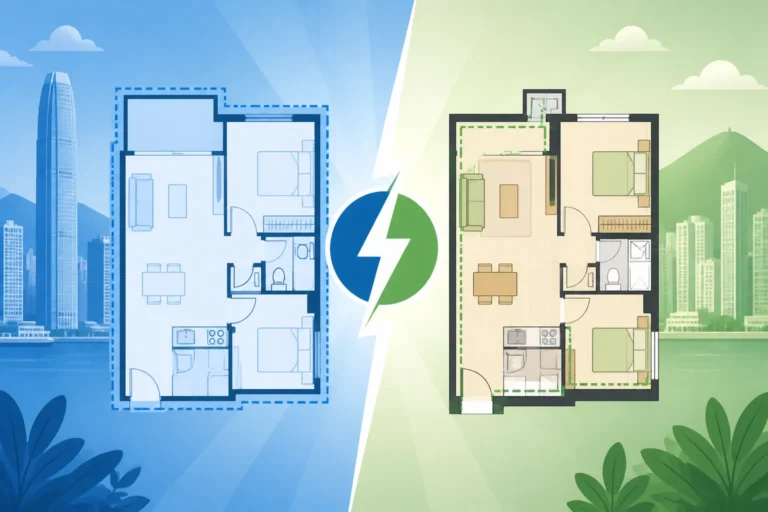
Living in Sai Kung and Clearwater Bay: Space vs Commute
Ah, Hong Kong. That relentless, exhilarating city where space is the ultimate luxury and a quiet moment feels like finding a unicorn. Many of us expats arrive with dreams of sprawling apartments or a garden, only to quickly realize that the city center demands an astronomical price for anything beyond a shoebox. This often leads us to look east, towards the serene landscapes of Sai Kung and Clearwater Bay. But is the promise of more space worth the inevitable trade-off of a longer commute? This guide will help you navigate that quintessential expat dilemma, weighing the tranquility against the daily grind.
The Allure of Sai Kung and Clearwater Bay: Why Expats Look East
Let's be honest, the moment you step off the MTR in Central during rush hour, you understand why people start dreaming of greener pastures. Sai Kung and Clearwater Bay offer a stark contrast to the relentless pace of Hong Kong Island and Kowloon. It's not just a change of scenery; it's a genuine shift in lifestyle that many find incredibly appealing.
Escaping the Concrete Jungle
After years of living in a high-rise, with neighbors who are mere feet away through a thin wall, the idea of a detached house or a low-rise apartment with a bit of a yard, or even just a spacious balcony, sounds like heaven. Sai Kung and Clearwater Bay deliver on this promise. Instead of concrete walls and the hum of traffic, you wake up to birdsong and the rustle of trees. The air genuinely feels fresher, a welcome respite from the urban density. For families, the thought of children having space to run around, or simply not being confined to a tiny flat, is a massive draw. You can walk out your door and immediately be on a hiking trail rather than navigating a maze of escalators and busy streets. This feeling of expanse, even if it's just a sliver of garden or a wider view, is profoundly impactful on your daily well-being.
A Different Vibe
What really sets these areas apart is their distinct community feel. They don't feel like mere extensions of the city; they have their own unique character. Sai Kung, often dubbed the "Back Garden of Hong Kong," has a bustling town center that still manages to feel relaxed and charming. It's a place where you'll see expats and locals mingling at the seafood market, grabbing a coffee at an independent cafe, or enjoying a pint at a waterfront pub. Clearwater Bay, on the other hand, leans more towards a suburban, almost resort-like vibe, with a focus on golf courses, pristine beaches, and exclusive residential enclaves. Both areas foster an outdoor, active lifestyle. Weekends aren't about shopping malls, but about hiking, watersports, cycling, or simply enjoying the natural beauty. This sense of community and the emphasis on outdoor living are powerful magnets for expats looking to escape the hyper-consumerist culture that can sometimes dominate city life.
Sai Kung: The 'Back Garden of Hong Kong'
Sai Kung is a place that many expats fall in love with at first sight. It offers a unique blend of village charm, stunning natural beauty, and enough amenities to make daily life comfortable, all while feeling a world away from the skyscraper canyons.
Lifestyle and Amenities
The heart of Sai Kung is its charming town center, centered around the promenade and the famous seafood street. Imagine picking out fresh fish directly from the fishing boats, then having it cooked for you at one of the lively restaurants along the waterfront. This isn't a tourist gimmick; it's genuine local life that you become a part of. Beyond the seafood, the town boasts a surprising array of international restaurants, cozy cafes, and independent boutiques. There are well-stocked supermarkets, including a Wellcome and ParknShop, and a vibrant wet market for fresh produce, giving you options for Grocery Budgeting: Wellcome and ParknShop vs Premium Supermarkets. For the active types, Sai Kung is a paradise. It's the gateway to some of Hong Kong's most beautiful hiking trails, including sections of the MacLehose Trail that lead to stunning beaches like Tai Long Wan. Watersports are a huge draw here, with opportunities for kayaking, paddleboarding, and sailing readily available from various centers around Pak Sha Wan. The relaxed atmosphere extends to the nightlife, which is more about friendly pub gatherings than pulsating clubs.
Housing Options
When it comes to housing, Sai Kung really shines for those seeking more space. The typical "Sai Kung home" that many envision is a three-story village house, often with a small garden or rooftop terrace, offering far more square footage than you'd find for a similar price on Hong Kong Island. These houses vary greatly in age and condition, from charmingly rustic to fully renovated modern marvels. You'll also find low-rise apartment blocks, particularly closer to the town center or in developments like The Waterside, offering apartment living with a bit more breathing room than urban counterparts. For those with a larger budget, there are also detached homes, some within private estates, which provide considerable privacy and larger gardens. The architectural styles are diverse, from traditional Chinese village houses to Mediterranean-inspired villas. Renting in Hong Kong can be complex, and finding the right fit here often means working with local agents who specialize in village properties, a service that many relocation companies like Sirelo can help coordinate.
The Sai Kung Commute
Here's where the "space vs. commute" dilemma truly comes into play. If your job is in Central, the commute from Sai Kung can be a significant daily commitment. Typically, it involves a minibus (the 101M is iconic for a reason!) from Sai Kung town to Hang Hau MTR station, followed by an MTR ride into the city. From Sai Kung town to Central, you're looking at anywhere from 45 minutes to over an hour, often closer to 75-90 minutes during peak hours, depending on traffic and MTR connections. The minibus portion, while efficient, can be crowded and sometimes involves a wait. For those driving, the journey can be faster outside of peak hours, but traffic congestion around the Eastern Harbour Tunnel and Cross-Harbour Tunnel can add considerable time. Car ownership also brings its own set of expenses, from parking to fuel, something to consider if you're exploring Driving in Hong Kong: License Conversion, HKeToll, and Car Ownership. Many residents adapt by reading on the MTR or even carpooling, but it's undoubtedly a trade-off for the peace and quiet of home.
Clearwater Bay: Serenity by the Sea
Just a bit further out from Sai Kung town, you enter the more spread-out, exclusive area of Clearwater Bay. This area offers a different flavor of tranquility, often appealing to those seeking even more privacy and a distinct suburban lifestyle.
Residential Enclaves and Green Spaces
Clearwater Bay feels less like a village and more like a series of private residential enclaves nestled amidst lush greenery and coastal landscapes. It's home to the prestigious Clearwater Bay Golf & Country Club, which provides a stunning backdrop and world-class facilities. The area truly lives up to its name with access to beautiful, clear-water beaches like Clearwater Bay First Beach and Second Beach, which are incredibly popular on sunny weekends. The Hong Kong University of Science and Technology (HKUST) is also located here, bringing a vibrant academic community to the otherwise tranquil area. Access to Clearwater Bay Country Park means endless opportunities for hiking with breathtaking sea views. It's a place where residents prioritize outdoor activities and a relaxed pace, with less of the bustling town atmosphere you find in Sai Kung. The focus here is truly on natural beauty and spacious living.
Housing Options
Housing in Clearwater Bay generally skews towards larger, more substantial properties. You'll find many detached houses and townhouses, often within gated communities or private estates, which frequently come with private gardens or shared communal facilities like pools and clubhouses. These homes often offer stunning sea views or overlook the golf course. While village houses exist, they are often larger and more spread out than those in Sai Kung town. Due to the generally larger size and more exclusive nature of many of these properties, rental prices can be higher than in Sai Kung, though you are often getting significantly more square footage and amenity space. Many properties here are older, so it's crucial to inspect them for common Hong Kong issues like humidity and potential mold, a topic worth exploring in Dealing with Humidity and Mold in Your Apartment. For those looking for a quieter, more spread-out living environment, Clearwater Bay offers a genuine escape, often with a premium on space and views.
The Clearwater Bay Commute
The commute from Clearwater Bay shares similarities with Sai Kung but often requires an additional layer of planning. The main MTR hub for residents here is Hang Hau, which means relying on local minibuses (like the 103M) or buses to get you to the MTR station. This adds another segment to your journey compared to Sai Kung town, where the 101M minibus is more direct to the MTR. Depending on your exact location within Clearwater Bay, the combined minibus and MTR journey to Central could easily stretch to 70-90 minutes or even longer during peak periods. For those who choose to drive, the journey can also be subject to significant traffic, especially on the main roads leading out of Clearwater Bay and towards the tunnels. Many families in Clearwater Bay find that owning a car becomes almost essential for daily logistics like school runs, grocery shopping, and weekend outings, further emphasizing the "space vs. commute" trade-off. This reliance on private transport can significantly impact your Everyday Budgeting in HK: Cost of Living Benchmarks (2026), so it's something to factor in early.
The Commute Reality: Is the Trade-Off Worth It?
This is the million-dollar question for many expats considering the move to Sai Kung or Clearwater Bay. The promise of space and tranquility is tempting, but the daily reality of the commute can be a rude awakening if not properly managed.
Daily Grind and Logistics
Let's talk brass tacks. If you're working a standard 9-to-5 (or more likely, 9-to-7) job on Hong Kong Island, your mornings and evenings will largely be dictated by your journey. The MTR journey from Hang Hau to Central, via multiple interchanges, is efficient but crowded. You'll become intimately familiar with the specific Public Transport in HK: MTR, Trams, Buses, and Ferries routes and the art of navigating peak hour crowds. School runs for children attending international schools, particularly those not directly within the Sai Kung/Clearwater Bay area, can also add considerable time and logistical complexity. While many international schools have bus services that extend to these areas, coordinating schedules and managing early morning departures become part of daily life. Spontaneous after-work drinks with colleagues or evening events in the city become less feasible, as the thought of a long journey home often outweighs the desire to socialize. This is not to say it's impossible, but it requires a conscious effort and planning.
Cost of Commuting
Beyond the time investment, there's a financial cost to commuting from these outlying areas. MTR fares, while relatively affordable by international standards, add up over a month. Minibus fares, though cheap per ride, also contribute to the total. If you opt for car ownership, the expenses skyrocket. Hong Kong has notoriously high costs for car registration, fuel, maintenance, and especially parking. Parking spaces can cost more than some apartments in other countries, and finding one near your home or office can be a constant struggle. Even if your employer provides a car allowance, it rarely covers the true cost of motoring in Hong Kong. Taxis, while an option for occasional late nights, are not sustainable for daily commutes. For many, the cost of transport, whether public or private, becomes a significant line item in their monthly budget, sometimes offsetting the perceived savings on rent compared to a tiny city flat.
Lifestyle Adjustments
Choosing to live in Sai Kung or Clearwater Bay often means embracing a different rhythm of life. It’s a slower, more deliberate pace, which can be incredibly rewarding. However, it also requires a shift in how you plan your days and weeks. You might find yourself doing fewer spontaneous activities in the city and more planned weekend adventures closer to home. Your social circle might gravitate towards other East-siders, simply due to proximity. While the city remains accessible, the mental barrier of a long journey can influence your choices. For some, this lifestyle adjustment is exactly what they crave – a clear separation between work and home, city buzz and rural calm. For others, the feeling of being "far away" can lead to a sense of isolation or missing out on the vibrant urban life that initially drew them to Hong Kong. Thinking about Where to Live in HK: Neighborhood Guide for Expat Families often involves a deep dive into what lifestyle truly resonates with you and your family.
Practical Considerations for Moving East
Deciding to move to Sai Kung or Clearwater Bay isn't just about finding a house; it involves a whole host of practical considerations that impact your daily life and integration into the community.
Schooling and Family Life
For expat families, schooling is often the primary driver for choosing these areas. There are excellent international schools in or near the vicinity, such as the ESF Clearwater Bay School, Hong Kong Academy, and Nord Anglia International School (Clearwater Bay). Many of these schools operate extensive bus networks that serve both Sai Kung and Clearwater Bay, making school runs manageable. You'll find a strong expat family community in both areas, with plenty of playgroups, extracurricular activities, and social networks. This creates a supportive environment for children and parents alike, easing the transition into a new country. However, demand for places at these schools can be high, and understanding International Schools in HK: Curriculums, Debentures, and Applications is crucial for early planning. The community feeling is palpable, with events and activities often centered around families and the outdoors.
Essential Services and Shopping
While these areas offer a tranquil escape, they are far from isolated. Sai Kung town, in particular, has a decent range of essential services. You'll find local doctors and dentists, pharmacies, and even some small clinics. For more specialized medical needs or hospital visits, you would typically travel to Tseung Kwan O, or further into Kowloon or Hong Kong Island, which underscores the importance of understanding the healthcare landscape, including Healthcare in Hong Kong: Public vs Private Systems Explained (2027). Supermarkets like Fusion and Wellcome provide a good selection of international and local groceries. Clearwater Bay has fewer concentrated commercial areas, with residents often relying on Sai Kung town or the larger shopping malls in Tseung Kwan O for their needs. For specific relocation services or temporary housing while you get settled, companies like Blueground and Habyt offer serviced apartments that can bridge the gap, allowing you to explore these areas before committing to a long-term lease.
Finding Your Home
The rental market in Sai Kung and Clearwater Bay is quite distinct from urban areas. Many properties are managed by smaller, local real estate agencies that specialize in village houses and low-rise developments. It's highly recommended to work with an experienced agent who understands the nuances of these properties and the local market. Estate Agency Fees and Commissions: What Tenants Actually Pay can vary, so ensure you understand the terms upfront. Online portals like AsiaXpat and Squarefoot are good starting points, but nothing beats visiting the area and connecting with local agents directly. They can guide you through understanding "gross area" versus "saleable area" and help you negotiate with landlords, which can be quite different from the formal processes in the city. When viewing properties, pay close attention to access roads, public transport links, and proximity to amenities, as these can significantly impact daily convenience.
Making the Decision: Sai Kung, Clearwater Bay, or the City?
Ultimately, the choice comes down to your personal priorities, lifestyle, and how much you value space and peace over proximity and urban convenience. There's no right or wrong answer, only the best fit for you.
Pros and Cons Summary
To help crystallize the decision, here's a quick comparison of what Sai Kung and Clearwater Bay offer versus a more central Hong Kong Island location.
| Feature | Sai Kung / Clearwater Bay | Hong Kong Island (e.g., Mid-Levels, Tai Koo Shing) |
|---|---|---|
| Space | Significantly more interior space, often with outdoor areas (garden/rooftop) | Very limited space, smaller apartments |
| Rent | Generally lower per square foot | Significantly higher per square foot |
| Vibe | Relaxed, community-focused, outdoor, greener | Bustling, cosmopolitan, high-energy, urban |
| Commute | Longer (45-90+ mins to Central), often multi-modal (minibus + MTR) | Shorter (15-45 mins to Central), often direct MTR/bus |
| Schools | Several good international schools, extensive bus networks | Schools are often further away, bus routes necessary |
| Amenities | Good local amenities, specialized services require travel | Everything at your doorstep, vast selection |
| Transport | Higher reliance on minibuses/buses, car ownership common | Excellent MTR/bus/tram connectivity, less need for car |
| Family-Friendly | Very high, strong expat family community, outdoor activities | Can be, but limited space and fewer green areas |
| Social Life | More local, community-based gatherings, planned city trips | Spontaneous after-work events, diverse city options |
Rental Market and Value for Money
While the absolute rental cost for a spacious home in Sai Kung or Clearwater Bay might seem high, the value per square foot is generally much better than in prime urban areas. For the price of a compact two-bedroom apartment in Mid-Levels, you could potentially get a three-story village house with a garden in Sai Kung. For families, this translates into more bedrooms, dedicated play areas, and a significantly higher quality of life in terms of living space. However, it's essential to factor in the hidden costs of living further out – potentially higher electricity bills for larger homes, increased transport expenses, and the mental toll of a longer commute.
For those just arriving in Hong Kong, or perhaps still on the fence, consider starting with Short-Term Serviced Apartments for Your First Month in HK. Companies like Blueground and Habyt specialize in these types of accommodations, allowing you to settle in and then properly explore different neighborhoods like Sai Kung and Clearwater Bay before committing to a long-term lease. This way, you can test out the commute and the lifestyle firsthand before making a big decision. Ultimately, whether the trade-off of commute for space is worth it depends on your unique priorities and what kind of life you envision for yourself in this incredible city.
Disclaimer
The information provided in this guide is for general informational purposes only and does not constitute professional advice. While we strive to provide accurate and up-to-date information, circumstances in Hong Kong can change rapidly. Readers are encouraged to verify details with relevant authorities or professionals before making any decisions.