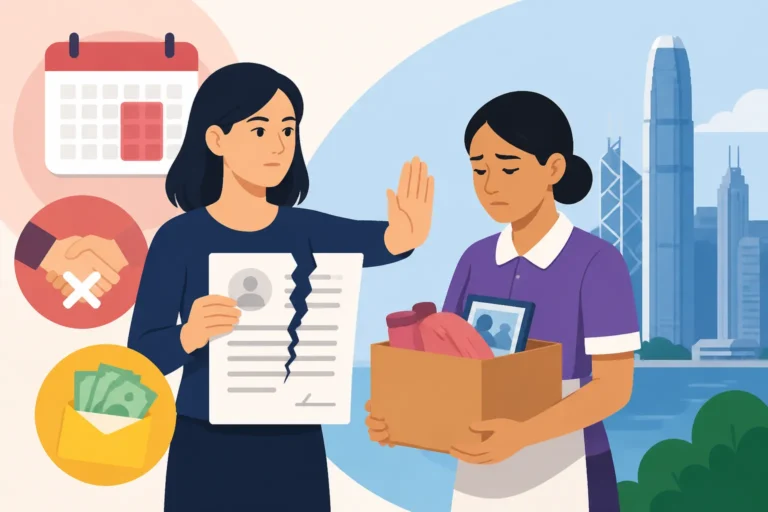
Legal Requirements for Firing an Underperforming Employee in HK
Navigating the high-pressure corporate world of Central or Quarry Bay is exhausting enough, but nothing prepares you for the administrative headache of terminating an underperforming staff member. I remember the first time I had to let someone go in Hong Kong; I was terrified of accidentally breaking a labor law I didn't know existed. This guide breaks down the specific legal requirements for firing an underperforming employee in HK so you can protect your business while staying compliant.
The Foundation of Hong Kong Employment Law
When you are dealing with a team member who just isn't hitting their KPIs, your first point of reference must always be the Employment Ordinance (EO). Unlike some Western jurisdictions where "at-will" employment is the norm, Hong Kong has a very specific framework that balances the employer's right to manage their business with the employee's right to fair treatment. It’s not just about the numbers; it’s about the process.
Statutory vs Contractual Rights
In Hong Kong, an employee’s rights are a mix of what is written in their specific contract and the baseline protections provided by the EO. You cannot "contract out" of the Employment Ordinance. If your contract says you can fire someone for underperformance without notice, but the EO says otherwise, the EO wins every time. Many expats get into trouble because they used a template from the US or UK that simply didn't hold water here.
When you're reviewing a contract, you need to look at the Understanding HK Employment Contracts: Notice Periods and Probation section to ensure that the clauses regarding performance-based termination are actually enforceable. If the performance issues are linked to a language barrier, many firms suggest using platforms like Preply to bridge the gap before moving toward termination, as showing you tried to support the employee can be helpful if a dispute arises.
The Importance of the Probation Period
The probation period is your "safety net." Under the EO, during the first month of probation, either party can terminate the contract without notice or payment in lieu of notice. After the first month, the notice period must be at least seven days, or whatever the contract stipulates (whichever is longer).
If you identify underperformance early, it is significantly easier to part ways during this window. Once an employee is confirmed, the legal hurdles for "unreasonable dismissal" become much higher. This is why veteran managers in HK are so strict about the three-month or six-month review. If you're struggling to communicate expectations during this phase, finding a tutor on iTalki to help you or your staff refine specific business terminology can sometimes save a hire, but if the core skills aren't there, the probation period is the time to act.
Defining Underperformance and the PIP Process
One of the biggest mistakes I see is conflating "underperformance" with "misconduct." Underperformance is a "can't do" or "didn't do well enough" situation. Misconduct is a "won't do" or "did something bad" situation. If you fire someone for underperformance but treat it like summary dismissal (firing on the spot without pay), you are asking for a trip to the Labour Department.
When Underperformance Becomes a Legal Ground
In Hong Kong, an employer can legally dismiss an employee for "conduct" or "capability/qualifications." Underperformance falls under capability. However, to stay on the right side of the law, you must show that the employee was actually incapable of doing the job they were hired for. This isn't just about a one-off mistake; it’s about a persistent failure to meet reasonable standards that were clearly communicated.
You need to be able to answer: Did the employee know what was expected? Were they given the tools to succeed? Was the underperformance documented? If you haven't kept a paper trail, the Labour Tribunal may view the dismissal as unreasonable. Referencing Workplace Culture in HK: Overtime, Communication, and Office Etiquette can give you context on what "standard" performance looks like in a local office versus a multinational.
Implementing a Performance Improvement Plan
While not strictly a "legal" requirement in the same way a tax filing is, a Performance Improvement Plan (PIP) is your best legal defense against a claim of unreasonable dismissal. A PIP should be a formal document that outlines the specific areas of failure, the required improvements, a timeline (usually 30 to 90 days), and the support the company will provide.
During this time, if the employee claims they can't meet targets due to a lack of training, you should document any training provided. If they struggle with English-centric client reporting, pointing them toward Preply for professional business English coaching can be documented as a "support measure." If the PIP fails, you now have a clear, chronological record showing that termination was a last resort.
The Mechanics of Termination
Once you’ve decided that the employee must go, the way you handle the actual termination meeting and the subsequent paperwork is critical. Hong Kong law is very specific about "lawful termination."
Giving Lawful Notice or Payment in Lieu
To fire an underperforming employee, you must either give them the notice period specified in their contract or pay them "payment in lieu of notice." Most professional contracts in Hong Kong require one to three months of notice.
If you want the employee to leave immediately because their underperformance is damaging client relationships, you must pay them for that notice period. This is a common point of contention. You cannot simply stop paying them because they "didn't earn it" through their poor performance. For more on the math behind this, check Resigning in HK: Do You Have to Pay 1 Month Salary in Lieu of Notice as the principles for employer-led termination are mirrored.
Warning Letters and Documentation Trails
Before the final termination letter, you should have at least two to three formal warning letters on file. These letters should explicitly state that continued underperformance could lead to termination of employment. In Hong Kong, "procedural fairness" is highly valued. If an employee is fired without ever being told their job was at risk, they have a strong case for a claim at the Minor Employment Claims Adjudication Board.
| Termination Type | Notice Required | Statutory Payments | Risk Level |
|---|---|---|---|
| During 1st Month Probation | None | Wages earned up to last day | Low |
| After Probation (Underperformance) | Contractual (e.g., 1 month) | Wages + Notice Pay + Annual Leave Pay | Medium |
| Summary Dismissal (Gross Misconduct) | None | Wages earned only | High |
| Redundancy | Contractual | Wages + Notice Pay + Severance | Medium |
Post-Termination Obligations and Compliance
The relationship doesn't end the moment the employee walks out the door. There are several statutory deadlines you must meet to avoid hefty fines or even criminal liability.
Final Payment Calculations and Deadlines
Under the Employment Ordinance, you must pay all wages and termination payments due to the employee as soon as possible, and in any case, within seven days after the date of termination. This includes:
- Wages up to the last day of work.
- Payment in lieu of notice (if applicable).
- Payment for any pro-rata annual leave not yet taken.
- Any outstanding bonuses or commissions that have been "earned" according to the contract.
Failure to pay within seven days can lead to prosecution and a requirement to pay interest on the outstanding amount. I've seen smaller startups get caught out because their payroll cycle is monthly, but the law doesn't care about your payroll cycle; it cares about that seven-day window. If you're unsure about how to calculate the daily rate for leave, the How to Calculate the 12-Month Average Wage for Holiday Pay guide is a lifesaver.
Reporting to Authorities
If you are firing a non-local employee, you have additional responsibilities. You must notify the Immigration Department of the termination. While the employee’s visa usually remains valid until its expiry date, the sponsorship is effectively ended. You should also check Changing Jobs on a GEP Visa: How to Transfer Your Sponsorship to understand what the employee will be going through, as it often helps to keep the exit amicable.
Furthermore, you must notify the Inland Revenue Department (IRD). If the employee is planning to leave Hong Kong after being fired, you may be legally required to withhold their final payment until they receive a "Sailing Letter" (tax clearance). This is a stressful part of the process that many expat managers overlook until the last minute.
Severance and Long Service Payments
If the employee has been with you for at least 24 months and you are letting them go due to "redundancy" (which is different from underperformance), they are entitled to severance pay. However, if the reason is purely underperformance and they have been with you for five years or more, they might be entitled to a Long Service Payment.
There are very specific rules about Severance and Long Service Payments: What Happens if You're Laid Off that you should review to ensure you aren't accidentally triggering a payment you didn't budget for. Also, be aware of the "offsetting" rules regarding the Mandatory Provident Fund (MPF), though these are being phased out in the coming years.
Managing the Risk of Legal Claims
The biggest fear for any manager is being sued. In Hong Kong, an employee can claim for "unreasonable dismissal" if they have been employed under a continuous contract for at least 24 months and the employer does not have a valid reason for dismissal.
Unreasonable vs Unlawful Dismissal
"Unreasonable" dismissal happens when you don't have a valid reason (like capability or conduct). "Unlawful" dismissal is much more serious. This happens if you fire someone who is pregnant, on paid statutory sick leave, or who has suffered a work injury before a settlement has been reached.
If you fire an underperforming employee who also happens to be on sick leave, you are in a very dangerous legal position. Always wait until the protected period has ended. If you're managing a team in a bilingual environment and the underperformance is tied to communication, using iTalki for your own Cantonese lessons can help you better understand if the employee is actually underperforming or if there's simply a cultural disconnect that could be solved through mediation.
The Labour Tribunal Experience
If an employee feels they have been wronged, they will go to the Labour Department for conciliation. If that fails, it goes to the Labour Tribunal. The Tribunal is designed to be informal—no lawyers are allowed. You, as the manager or business owner, will have to stand there and present your evidence. This is where those warning letters and the PIP documentation become worth their weight in gold.
Most cases are settled during the conciliation phase. If you've followed the steps in Resolving Workplace Disputes: Utilizing the HK Labour Department, you'll likely find that a fair settlement is better than a long, drawn-out dispute.
Final Checklist for Termination
Before you hold that meeting, make sure you have:
- Reviewed the original employment contract for notice period requirements.
- Collected all documentation of underperformance (emails, PIPs, warning letters).
- Calculated the final payment, including pro-rata annual leave.
- Prepared the Form ID 970B if necessary for immigration notifications.
- Drafted a clear termination letter that states the reason for dismissal (capability/underperformance).
Firing someone is never easy, especially in a tight-knit expat community. But by staying strictly within the lines of the Employment Rights in HK: Contracts, MPF, and Statutory Leave framework, you can handle the situation professionally and move your team forward.
Professional Support and Resources
If you find that your own language skills or the employee's language skills are the root of the "underperformance," it may be worth one last-ditch effort. Platforms like Preply offer very specific "Business English" or "Business Cantonese" tracks that can sometimes turn a struggling employee into a star performer. However, if the decision is made, ensure you are consulting with a local HR specialist or a legal professional if the contract is complex.
For those new to managing in the city, the Essential Health Checklist for Your First 30 Days in Hong Kong also contains useful info on the stress management side of things, because let’s be honest, letting people go takes a toll on the manager too. Keep your records clean, your payments on time, and your communication transparent.
Disclaimer
This article is for informational purposes only and does not constitute legal advice. Hong Kong employment laws and Labour Department regulations are subject to change. You should consult with a qualified legal professional or the Hong Kong Labour Department directly before taking any action regarding the termination of an employee to ensure compliance with the most current version of the Employment Ordinance.