Essential Health Checklist for Your First 30 Days in Hong Kong
Landing in Hong Kong is a sensory overload of neon lights, towering skyscrapers, and the relentless pace of a city that never stops. I remember my first week vividly, wandering through the humid streets of Wan Chai with a rising fever, suddenly realizing I had no idea how to find a doctor who wouldn't charge me a month's rent. This guide provides a step-by-step roadmap to securing your health during your first month in the Fragrant Harbour so you can focus on your new life.
Navigating the Hospital Authority and Your HKID
One of the most jarring things for a newcomer to Hong Kong is realizing that your access to affordable healthcare is tethered directly to a small piece of plastic: your Hong Kong Identity Card (HKID). Until that card is in your hand, you are technically a "Non-Eligible Person" (NEP) in the eyes of the government, which means public hospital fees can be eye-wateringly high.
Registering Your HKID for Subsidized Rates
Your first priority after landing should be your appointment at the Immigration Department. Many expats put this off, only to regret it when a minor infection leads to a major bill. Once you have your acknowledgement of application (the "yellow paper"), you can start Registering Your HKID for Subsidized Public Healthcare Rates to ensure you are charged as an "Eligible Person." This status drops the cost of a public emergency room visit from several thousand dollars to a mere fraction of that.
In those first few weeks, while you are waiting for your HKID appointment, you are essentially in a transition zone. If you haven't secured a comprehensive plan from a provider like Cigna Global yet, you are effectively paying tourist rates. Newcomers are often advised to keep their travel insurance active for at least the first 45 days. SafetyWing is a solid bridge for this specific gap, providing that safety net while you navigate the administrative bureaucracy of the Immigration Tower in Wan Chai.
Setting Up Your Hospital Authority Patient Number
Even if you plan on using private doctors for everything, you must have a footprint in the public system. Accidents happen, and in Hong Kong, the most high-tech trauma care is often found in public teaching hospitals like Queen Mary or Prince of Wales. You should prioritize How to Register for a Hospital Authority Patient Number during your first month. You can do this at the registration desk of any public hospital or through the "HA Go" mobile app once you have your HKID.
The "HA Go" app is a lifesaver. It allows you to book outpatient appointments, check your lab results, and even pay your bills without standing in the endless queues that often snake around public clinics. Having your patient number ready means that if you are ever rushed to a ward in an emergency, your records are already there, and the billing department won't be chasing you for NEP rates.
Choosing Between Public and Private Systems
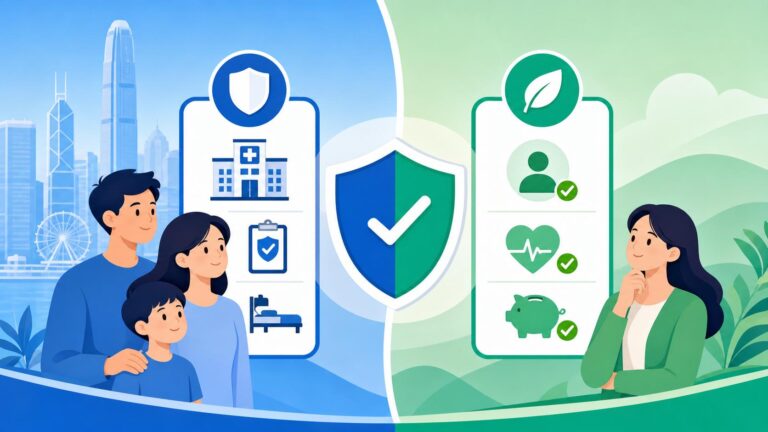
Hong Kong operates a dual healthcare system, and understanding the nuances between them is essential for your sanity and your wallet. The public system is world-class for life-threatening emergencies but can be frustrating for routine care. The private system offers luxury and speed but at a price that can rival a mortgage payment.
Assessing the Public System for Non-Emergencies
If you choose the public route for a non-urgent issue, be prepared for the wait. I once tried to see a specialist for a minor skin issue through a public referral and was told the waiting list was over a year. This is where Healthcare in Hong Kong: Public vs Private Systems Explained (2027) becomes crucial reading. For expats, the public system is your "disaster insurance"—it's where you go for heart surgery or a major car accident because the costs are capped at incredibly low daily rates for residents.
However, for a flu shot or a persistent cough, the public General Out-patient Clinics (GOPCs) use a telephone booking system that can be notoriously difficult to navigate if you don't speak Cantonese. Most expats find that the trade-off of time for money isn't worth it for minor ailments, leading them toward the private sector for day-to-day needs.
Navigating the Private Hospital Landscape
The private sector in Hong Kong is where you go for convenience, English-speaking staff, and elective procedures. If your employer provides a medical plan, check if it includes "Direct Billing." This is the holy grail of expat life. Providers like Cigna Global often have extensive networks where you simply show your card and walk out without paying a cent out of pocket.
If you are footing the bill yourself, you need to be strategic. Private hospitals often have different price tiers based on the type of room you choose—not just for the bed, but for the doctor's fees and even the cost of medicine. Choosing a "General Ward" in a private hospital is much cheaper than a "Semi-Private" or "Private" room. I’ve lived through the shock of seeing a bill double just because I opted for a room with a better view of the Peak.
| Service Category | Public Hospital (Eligible Person) | Private Clinic / Hospital |
|---|---|---|
| Emergency (A&E) | HKD 180 | HKD 1,000 – 3,000+ |
| General Practitioner | HKD 50 (includes meds) | HKD 500 – 1,200 (meds extra) |
| Specialist Consult | HKD 135 (first visit) | HKD 1,500 – 4,000+ |
| Ward Stay (per day) | HKD 120 | HKD 3,500 – 15,000+ |
Establishing Your Local Medical Network
Don't wait until you are shivering with the "HK Flu" to find your neighborhood doctor. The humidity in Hong Kong, combined with the aggressive air conditioning in offices and the MTR, creates a unique breeding ground for respiratory issues that catch many newcomers off guard.
Finding an English-Speaking General Practitioner
In your first 30 days, scout out a GP near your home or office. If you are working in the financial district, Finding English-Speaking General Practitioners (GPs) in Central is relatively easy, as many doctors there were trained in the UK, Australia, or the US. I personally keep two doctors on my roster: one high-end private GP for when I need an immediate appointment and a "sick note" for HR, and a local clinic for more routine, affordable checks.
When you visit a local clinic for the first time, don't be surprised by the size. Many clinics are tucked away in commercial buildings and might look like a small living room. However, the standard of care is generally excellent. Just ensure they are registered with the Medical Council of Hong Kong, which you can verify via their posted certificates.
Identifying Reliable Pharmacies
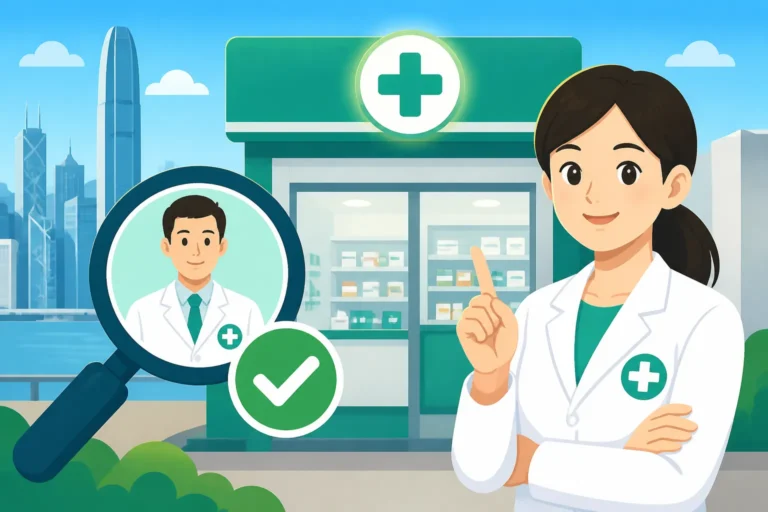
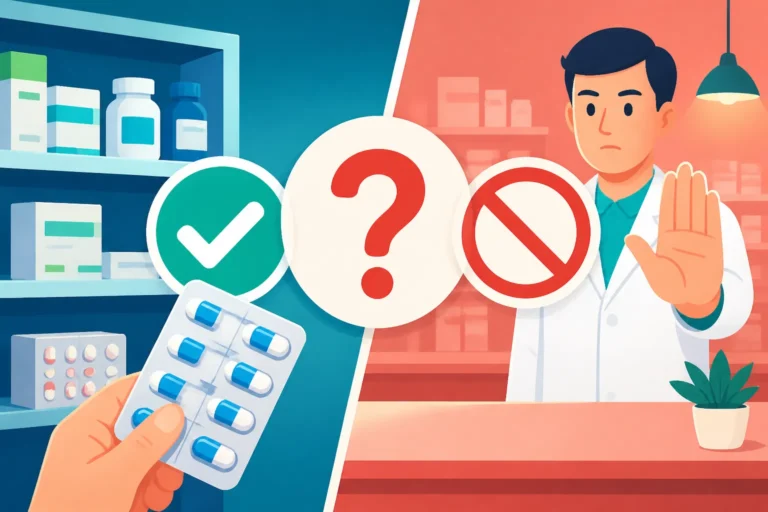
In Hong Kong, "pharmacy" can mean two different things. You will see "drug stores" selling shampoo and snacks, and then you will see stores with a red "Rx" logo. You need to know The Difference Between Registered Pharmacies (Rx) and Drug Stores before you try to fill a prescription. Only a store with a registered pharmacist on duty can dispense regulated medications.
For your first month, I recommend visiting a large chain like Watsons or Mannings. Most of their larger branches have a pharmacy counter with a professional pharmacist who speaks English and can help you find local equivalents to brands you used back home. I learned the hard way that many over-the-counter medications have different names here; for example, you'll be looking for Paracetamol instead of Acetaminophen. For those traveling frequently or just arriving, SafetyWing often covers emergency prescriptions if you are still on their nomad-friendly plans.
Emergency Protocols and Readiness
The emergency number in Hong Kong is 999. The dispatchers are bilingual, and the response times are among the fastest in the world. However, knowing what happens after the ambulance arrives will save you a lot of stress.
Understanding the A&E Triage System
When you arrive at a public Accident & Emergency department, you won't be seen on a first-come, first-served basis. You will be triaged into categories ranging from "Critical" to "Non-Urgent." It is vital to understand Accident and Emergency (A&E) Triage Categories in Public Hospitals because if you show up with a minor sprain, you might be waiting for six to eight hours while the staff handles life-threatening cases.
If your situation is urgent but not life-threatening (like a deep cut that needs stitches), you might consider a 24-hour private clinic or the emergency room of a private hospital. These are significantly more expensive, but the wait time is usually less than an hour. This is where having a robust international policy from a company like Cigna Global pays for itself, as they typically cover these private emergency visits in full.
Essential Paperwork for Your First Month
By the end of your first 30 days, you should have a "medical folder" (digital or physical) ready. This should include:
- A copy of your HKID or "yellow paper" acknowledgement.
- Your local insurance card and the 24-hour claim hotline number.
- A list of any chronic medications and their generic names.
- The address of the nearest 24-hour A&E (Public) and the nearest Private hospital.
I also highly recommend Pharmacies and Medication in HK: Prescriptions and OTC Rules as a reference guide to keep in your folder. If you take specialized medication for things like asthma or high blood pressure, bring your original foreign prescription to your first local GP appointment so they can easily transition you to the local equivalent.
Managing the Hong Kong Environment
The health checklist isn't just about doctors and hospitals; it's about the environment. Hong Kong is one of the most humid places on earth, and that has a direct impact on your health. Within your first 30 days, you will likely notice your skin reacting to the humidity or your lungs feeling the "thick" air on high pollution days.
Dealing with Humidity and Respiratory Health
Many expats develop what we call "The HK Hack"—a persistent dry cough caused by the extreme temperature fluctuations between the 32°C humid streets and the 18°C blast of office air conditioning. To stay healthy, I suggest investing in a high-quality dehumidifier for your bedroom immediately. Mold grows at an alarming rate here, and it can trigger allergies or asthma that you never knew you had.
If you struggle with the air quality, download the "HKO" (Hong Kong Observatory) app. It provides real-time updates on the Air Quality Health Index (AQHI). On days when the index is high, it’s best to avoid heavy outdoor exercise. If you have pre-existing respiratory conditions, make sure you have a local specialist lined up early.
Mental Health and Community Support
Relocating is stressful. The first 30 days are often a "honeymoon phase," followed by a sudden realization of how far you are from home. Hong Kong has a high-pressure work culture that can take a toll on your mental well-being. Don't ignore the signs of burnout or isolation. There are excellent English-speaking counseling services available, and many expat groups meet regularly in areas like Soho or Sai Kung to share their experiences.
Taking care of your mental health is just as important as finding a dentist or a GP. Building a social circle takes time, but there are numerous professional networks and hobby groups that can help you feel grounded. Remember, everyone you see on the MTR has been through the same transition you are navigating right now.
Medical Disclaimer
The information provided in this article is for general informational purposes only and does not constitute professional medical advice, diagnosis, or treatment. Always seek the advice of your physician or another qualified healthcare provider with any questions you may have regarding a medical condition. Never disregard professional medical advice or delay in seeking it because of something you have read in this guide. The healthcare landscape in Hong Kong, including fees and regulations, is subject to change.