Window Safety in HK Apartments: Installing Grilles for Children
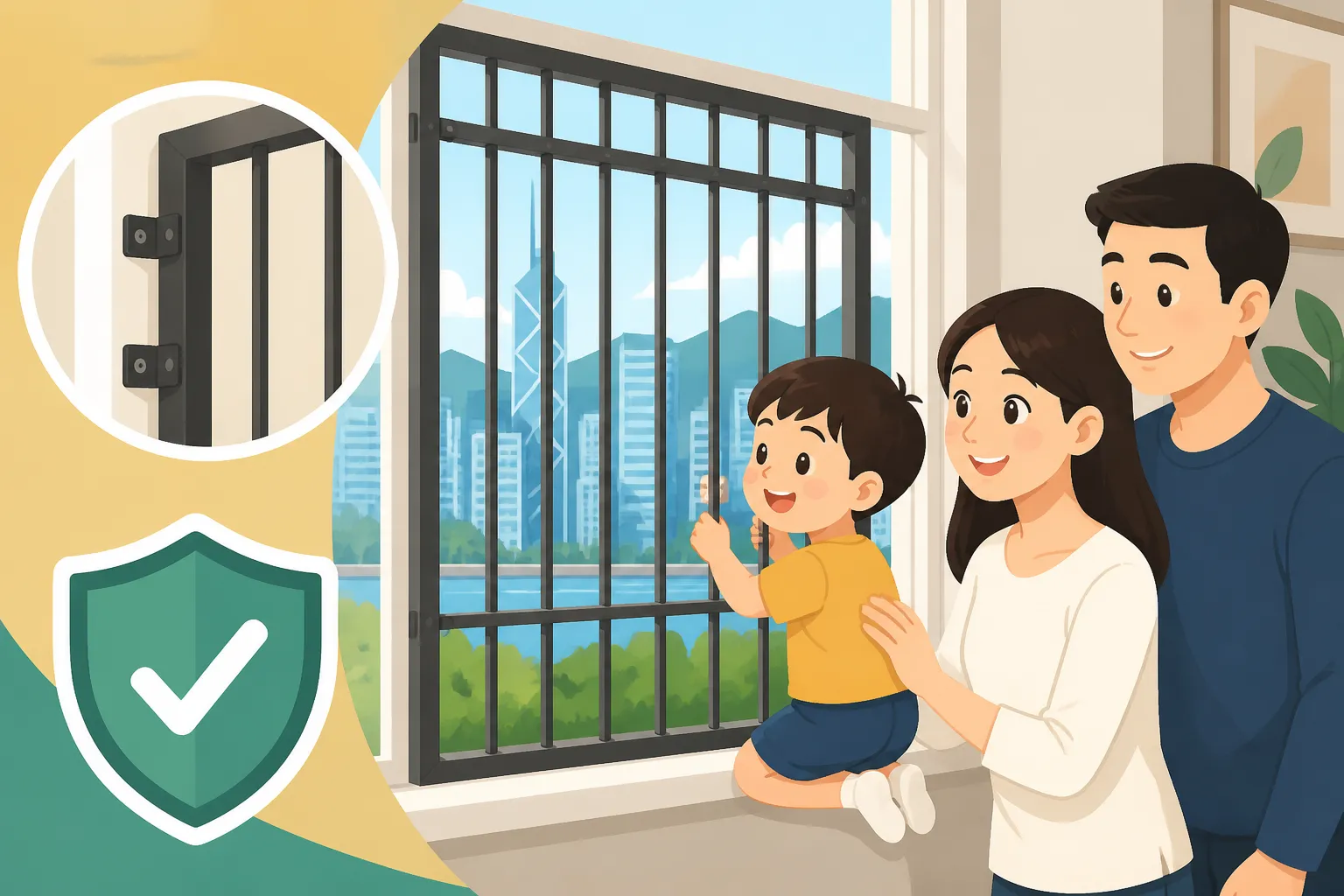
Living in a Hong Kong high-rise offers breathtaking views of the harbor or the lush greenery of the Peak, but for parents of young children, those expansive windows are a source of constant, low-grade anxiety. This guide provides a comprehensive roadmap for securing your windows, navigating the bureaucratic maze of Building Management Offices, and understanding which safety grilles actually work in our unique vertical environment.
The High-Rise Reality: Why Window Safety is Non-Negotiable
If you have recently moved into a 40th-floor apartment in Mid-Levels or a sprawling complex in Tseung Kwan O, the first thing you likely noticed was the sheer scale of the windows. Hong Kong architecture prioritizes natural light and "saleable area" views, often resulting in floor-to-ceiling glass or low-silled windows that are perfectly height-aligned with a curious toddler’s eye level. Unlike back home, where a fall might mean a bruised knee in a garden, the stakes here are absolute.
The psychological weight of this cannot be understated. You find yourself hovering every time a child wanders near the glass. This fear is exacerbated by the fact that many older apartments have window latches that have been corroded by years of salty air and intense humidity. When you are Dealing with Humidity and Mold in Your Apartment, you quickly realize that moisture doesn't just ruin your clothes; it eats away at the structural integrity of window hinges and locking mechanisms. A window that feels "stuck" might actually be one heavy push away from swinging wide open.
Furthermore, the "climbing instinct" in children is a major hazard in small Hong Kong flats. Because space is at a premium, we often push sofas, toy boxes, or desks right up against the walls—and often right under the windows. This creates a natural "ladder" that a three-year-old can scale in seconds. This is why specialized providers like Habyt or Blueground often emphasize the safety and maintenance of their managed units, but as a parent, the ultimate responsibility for a custom, child-proof barrier often rests on your shoulders.
Legal Constraints and the Building Management Office (BMO)
Before you call a contractor to start drilling, you must understand that your windows are not entirely "yours" in the legal sense. In Hong Kong, the exterior appearance of a building is strictly governed by the Deed of Mutual Covenant (DMC). This is a legal document that binds all owners of a building. Most DMCs forbid any alterations that change the external "aesthetic" of the building. This is the first hurdle every expat parent faces: the clash between child safety and building uniformity.
Navigating the BMO and Landlord Approval
If you are renting, your first point of contact is your landlord. Many landlords are hesitant to allow the installation of permanent grilles because they fear it will make the apartment harder to rent to childless professionals later, or they worry about the cost of making good the walls afterward. It is essential to check Who Pays for Repairs: Landlord or Tenant Obligations? before signing off on any work. If you are using a relocation service like Sirelo to bring your furniture over, you might want to have them hold off on placing heavy items near windows until you’ve secured the necessary permissions.
When approaching the Building Management Office (BMO), do not just ask for "grilles." Use the term "child safety barriers" and provide a brochure of the specific type you intend to install—specifically "invisible grilles," which are often more acceptable because they do not significantly alter the building's facade. If you are living in a managed apartment from Blueground, they are usually very familiar with these requests and can often provide a list of approved contractors who have worked in the building before.
The Mandatory Window Inspection Scheme (MWIS)
The Hong Kong Buildings Department has a strict policy called the Mandatory Window Inspection Scheme. Under this scheme, owners of buildings aged 15 years or above (except domestic buildings not exceeding three storeys) are required to appoint a Qualified Person (QP) to carry out a regular inspection. If you install grilles that interfere with the opening and closing mechanism or the structural frame of the window, you might fail this inspection. Always ensure your "Sifu" (contractor) is a Registered Minor Works Contractor. This is a crucial part of your Essential Health Checklist for Your First 30 Days in Hong Kong, as faulty windows are a genuine public safety hazard during typhoon season.
Types of Window Safety Solutions in Hong Kong
The market for window safety has evolved significantly. We no longer have to settle for the heavy, prison-like iron bars that were common in the 1980s. Today, parents have several options that balance safety, aesthetics, and the need for ventilation.
Invisible Grilles (The Expat Favorite)
Invisible grilles are made of high-tensile stainless steel wires (usually coated in nylon or Teflon) that are spaced about 2 to 4 inches apart. From a distance, they are virtually unnoticeable, preserving your expensive view. They are incredibly strong and cannot be easily cut by a child.
- Pros: Aesthetic, doesn't block the view, easy to clean.
- Cons: Expensive, requires professional installation, can vibrate slightly during high winds.
Fixed and Sliding Aluminum Grilles
These are the traditional "bars" you see in many local neighborhoods. They are sturdy and offer a high level of perceived security. Many modern versions come in white or champagne gold to match modern window frames. Sliding versions allow you to open the grilles for window cleaning, which is a legal requirement if you don't want to get in trouble with the BMO.
- Pros: Cost-effective, very sturdy, easy to find contractors for.
- Cons:* Visually intrusive, can make a small room feel smaller.
Window Restrictors and Locks
If your BMO or landlord strictly forbids grilles, your fallback is a window restrictor. These are cables or metal arms that limit how far a window can open (usually to no more than 4 inches). While better than nothing, they are not a substitute for a full barrier. A determined child or a window hinge failure during a storm can sometimes bypass these. If you are staying in a short-term unit via Habyt, you might find these already installed as a baseline safety measure.
| Feature | Invisible Grilles | Aluminum Grilles | Window Restrictors |
|---|---|---|---|
| Safety Level | Very High | Very High | Moderate |
| Aesthetics | Excellent | Fair | Good |
| BMO Approval | Usually Easy | Difficult | Very Easy |
| Relative Cost | High | Medium | Low |
| Durability | High (Stainless) | High (Aluminum) | Variable |
Working with Contractors: What to Ask Your Sifu
Finding a reliable contractor in Hong Kong can be a challenge if you don't speak Cantonese. However, many window safety firms now cater specifically to the expat market. When you are looking for a "Sifu," don't just take the cheapest quote. Window safety is an area where "buy cheap, buy twice" (or worse) truly applies.
The Site Visit and Quotation
A reputable contractor will always insist on a site visit. They need to measure the thickness of your window frames and check the wall material (concrete vs. brick). Ask them specifically about the "gap" size. For small children, the gap should never exceed 100mm. If you have pets, you might want it even smaller; it’s worth checking Can I Keep a Pet in My HK Apartment? "Pet-Friendly" Clauses as some buildings have specific rules about pet-proofing windows that overlap with child safety.
Ask the contractor for their "Minor Works" registration number. This ensures they are insured and that their work meets the Buildings Department's standards. This is particularly important because if a grille falls from your apartment due to poor installation, you are legally liable for any damage or injury caused below. If you are still in the process of moving and your items are being handled by Sirelo, you can even ask them if they have recommendations for handymen who specialize in childproofing, as they often work with families in the same situation.
Maintenance and Typhoon Readiness
Once installed, your grilles are not "set and forget." Hong Kong's environment is incredibly harsh. Every year before the typhoon season kicks in, you should inspect the tension of invisible grilles or the hinges of sliding bars. During Navigating Medical Emergencies During T8 Typhoons or Black Rainstorms, the last thing you want is a loose safety bar rattling against the glass or, heaven forbid, coming loose. Ensure that the grilles do not prevent you from closing your windows fully and locking them securely against the wind pressure.
Renting vs. Buying: Strategic Installations
If you have just signed a lease, you should negotiate the installation of grilles as part of your initial contract. It is much easier to get a landlord to agree when they are eager to secure a tenant. In your Understanding the HK Tenancy Agreement: Fixed vs Flexible Terms, you can include a clause stating that the tenant is permitted to install "removable child safety barriers" at their own cost, provided the apartment is restored to its original condition upon move-out.
If you are buying a property, you have more freedom, but you are still bound by the BMO. When Renting in Hong Kong: Apartments, Leases, and Tenant Rights, many expats assume they can do whatever they want inside the four walls. However, because window grilles are visible from the outside, they fall into a grey area. Always get written consent from the BMO before you pay a deposit to a contractor.
In the fast-paced world of Hong Kong real estate, where you might be How to Negotiate Rent with a Hong Kong Landlord on a Monday and moving in on a Friday, window safety can often feel like an afterthought. However, making it a priority in your first week will provide a level of peace of mind that no harbor view can replace. Whether you are in a managed flat from Blueground or a village house in Sai Kung, the height of our city demands a proactive approach to safety.
Disclaimer
The information provided in this guide is for general informational purposes only and does not constitute legal or professional safety advice. Window safety requirements can vary significantly between different buildings and districts in Hong Kong. Always consult with your Building Management Office (BMO) and a licensed professional contractor before making any structural changes or installations in your home. The author and publisher are not responsible for any accidents, legal disputes with landlords, or building code violations resulting from the use of this information.