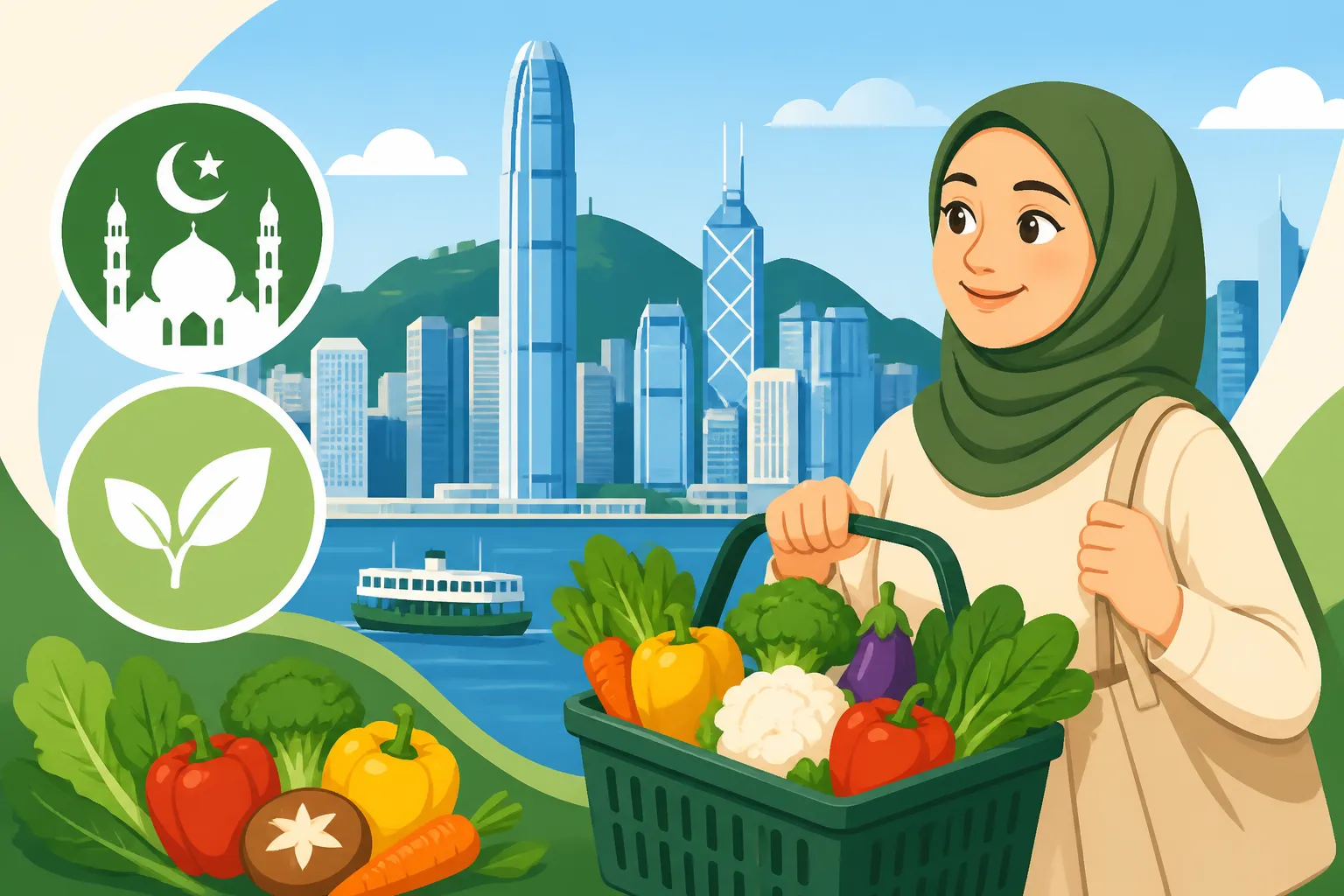
Finding Halal and Vegetarian Groceries in Hong Kong
When you first step off the plane in Hong Kong, the sensory overload is real. Between the towering skyscrapers and the humid air, the scent of roasting meats—char siu, crispy pork belly, and soy-glazed geese—wafts through almost every street corner. For those of us with Halal or vegetarian dietary requirements, this can be incredibly intimidating. You might feel like you’ve landed in a culinary minefield where every "vegetable" dish is seasoned with lard or dried shrimp. This guide is designed to navigate those hurdles, providing you with a roadmap to the best Halal butchers, vegetarian specialty stores, and mainstream supermarket hacks to make your kitchen a safe haven.
The Reality of Dietary Restrictions in Hong Kong
If you are coming from a country where "Halal-certified" or "Vegan" labels are standard on almost every package, Hong Kong will be a wake-up call. The local food culture is deeply rooted in Cantonese traditions that celebrate pork and seafood. Even in a modern, international city, finding high-quality groceries that meet strict religious or ethical standards requires a bit of insider knowledge and a lot of label-reading.
Navigating the Hidden Ingredients in Local Markets
One of the first things I learned as an expat is that "vegetarian" doesn't always mean what you think it does in a local context. Many traditional vegetable dishes in local eateries and even some pre-packaged items in smaller shops use pork fat (lard) for sautéing because of the flavor it imparts. Similarly, oyster sauce and shrimp paste are ubiquitous. When you are shopping at a local wet market, you need to be very specific.
If you’ve just arrived and are still getting your bearings—perhaps you’re still waiting for your belongings to be delivered by Sirelo—you might find yourself relying on convenience stores or small neighborhood shops. Be wary. Even simple crackers or bread rolls can contain animal-derived emulsifiers or lard. The challenge isn't just about finding the right food; it's about the exhaustion of having to double-check every single item you put in your basket.
The Language Barrier in Wet Markets
Wet markets are the heart of Hong Kong’s food scene, offering the freshest produce at the lowest prices. However, if you are looking for Halal meat or specifically "no-lard" processed goods, the language barrier can be a wall. Most stall owners in Wet Markets vs Supermarkets: Where to Get Fresh Produce speak Cantonese primarily. While they are usually friendly, nuances like "Is this meat slaughtered according to Halal rites?" or "Is there any hidden animal fat in this fermented bean curd?" can get lost in translation.
I always recommend learning a few key phrases or having them written on your phone. Asking for "mou chu yuk" (no pork) is a start, but for Halal requirements, you really need to stick to certified vendors. The frustration of walking through rows of hanging carcasses only to find nothing you can eat is a rite of passage for many, but it’s one we can help you minimize.
Where to Find Halal Groceries Beyond the Mosque
For many Muslims moving to the city, the first point of reference is the Masjid Ammar and Osman Ramju Sadick Islamic Centre in Wan Chai. While the canteen there is legendary for its Halal dim sum, the surrounding area is also a gold mine for grocery shopping. However, you shouldn't have to commute to Wan Chai every time you need chicken breasts.
The Best Neighborhoods for Halal Butchers
Kowloon City and Tsim Sha Tsui (TST) are the heavy hitters when it comes to Halal meat. In TST, the areas surrounding the Kowloon Mosque are packed with small "hole-in-the-wall" shops that import meat from Pakistan, India, and Australia. These shops often have a much wider variety of spices and lentils than your average ParknShop.
In Kowloon City, which has a significant Thai and Southeast Asian community, you can find butchers who understand Halal requirements perfectly. Look for the green Halal logo on the shopfronts. These butchers are often part of a tight-knit community, and once you become a regular, they will often set aside the best cuts for you. If you are living in a more residential area through a provider like Blueground or Habyt, you might find that these local gems are just a short MTR ride away, offering a much more authentic and affordable experience than the high-end expat supermarkets.
Mainstream Supermarkets with Halal Sections
Don't despair if you live far from a mosque. The "Big Two" supermarket chains—ParknShop (including Fusion and Taste) and Wellcome—have significantly improved their Halal offerings over the last few years. You will often find frozen Halal-certified chicken from Brazil or Australia in the freezer sections.
High-end supermarkets like City’super, Marks & Spencer, and Great Food Hall (in Pacific Place) are even better. They stock a lot of UK and Australian imports that are clearly labeled. While these are more expensive, they offer peace of mind. For those managing a strict budget, it’s worth noting that is a common concern for newcomers, but spending a bit more on certified groceries can sometimes be cheaper than the medical or emotional cost of a dietary mistake.
Vegetarian and Vegan Supermarkets: Plant-Based Living
Hong Kong is currently undergoing a "Green Revolution." While traditional Buddhist vegetarianism has always existed here, the modern vegan movement has exploded. This makes it much easier to find international brands like Beyond Meat or Impossible Foods.
Specialty Vegan Stores and Mock Meat Paradises
If you are looking for specialty items like nutritional yeast, vegan cheese, or specific egg replacements, you need to head to places like Green Common or Slowood. Green Common is a one-stop shop for everything plant-based, and they have branches in major malls across the city. They are particularly great for finding "mock meats" that actually taste good.
Slowood, with locations in Kennedy Town and Central, is a dream for the eco-conscious vegetarian. They offer bulk-buying options for grains, nuts, and seeds, which helps you avoid the excessive plastic packaging that is unfortunately common in Hong Kong. Living in a co-living space like Habyt often means you have a smaller kitchen, so being able to buy exactly the amount of lentils or quinoa you need from a zero-waste store is incredibly practical.
Organic Markets and Fresh Produce
For fresh, organic vegetables, the weekend markets are your best bet. The Star Ferry Organic Farmers Market in Central (held on Sundays) is a fantastic place to meet local farmers from the New Territories. These farmers take great pride in their soil quality and often grow heirloom varieties of Chinese kale (gai lan) and bok choy that you won't find in the supermarket.
If you are a vegetarian, you also need to be aware of your health needs in this climate. Many expats find that can be exacerbated by dietary changes or local pollutants, so keeping a diet high in fresh, organic antioxidants is a common strategy for staying healthy.
Online Grocery Services: Convenience at Your Doorstep
Sometimes, the humidity and the crowds make a trip to the market feel like an Olympic sport. This is where online shopping becomes your best friend. In Hong Kong, several services cater specifically to the Halal and vegetarian communities.
Bulk Buying and International Brands
Online platforms like HKTVmall are massive. You can search for "Halal" or "Vegetarian" in the search bar, and thousands of results will pop up. The beauty of HKTVmall is that they consolidate items from hundreds of different small vendors, so you can get your Halal lamb chops, vegan mayo, and even your all in one delivery.
For those who miss a taste of home, British expats often use the Marks & Spencer app, while North Americans might look toward iHerb for supplements and dry goods. When you are settling into a new home, perhaps a serviced apartment from Blueground, having your pantry staples delivered can save you a massive amount of physical labor during those first few weeks.
App-Based Delivery for Fresh Halal Meat
There are now specialized apps and WhatsApp-based delivery services for Halal meat. Butchers in the New Territories often run delivery routes into Central and Mid-Levels once or twice a week. You usually have to join a WhatsApp group or follow them on social media to see their weekly price list.
| Resource Type | Best For | Location / Name |
|---|---|---|
| Physical Butcher | Fresh Halal Lamb/Beef | Kowloon City / TST (near Mosque) |
| Specialty Vegan | Plant-based cheese/milk | Green Common / Slowood |
| Mainstream Super | Frozen Halal Chicken | Fusion / City'super |
| Online Platform | Everything in bulk | HKTVmall / iHerb |
| Local Market | Fresh Veggies (No Lard) | Central Organic Farmers Market |
Practical Tips for Dietary Success in Hong Kong
Succeeding as a Halal or vegetarian consumer in Hong Kong isn't just about where you shop; it's about how you live. You have to be proactive and, at times, a little bit insistent.
Reading Labels and Spotting Common Additives
You need to become a detective. Look out for E-numbers that might be animal-derived. Because Hong Kong imports food from all over the world, you will see labels in English, Chinese, Japanese, and Thai. If you aren't sure about a label, use a translation app. This is especially important for things like gelatin in yogurts or rennet in cheeses.
If you find yourself needing specific medical advice due to dietary deficiencies or allergies, you might want to look into to find a professional who understands your lifestyle. Staying on top of your nutrition is vital when you are adjusting to the high-paced life of a "Hong Konger."
Communicating Your Dietary Needs in Cantonese
While English is widely spoken in the business districts, the people who handle your food in local markets and smaller shops may not be fluent. Learning to say "Ngoh sik jai" (I eat vegetarian) or "Ngoh m-sik chu yuk" (I don't eat pork) is essential. If you are looking for Halal food specifically, use the term "Ching chan" (Pure food/Halal), which is widely understood by the local Muslim community and those who serve them.
For those who have children, navigating school lunches can be another hurdle. You might want to check the for schools that are more accommodating to diverse dietary needs. Many international schools are very familiar with Halal and vegetarian requirements, but local schools may require a bit more advocacy on your part.
Final Thoughts for the Dietary Trailblazer
Living in Hong Kong with dietary restrictions is entirely possible, and eventually, it becomes second nature. You will find "your" butcher, "your" organic veggie lady at the market, and your favorite shelf in the local Fusion. The initial effort is high, but the reward is a lifestyle in one of the world's most vibrant cities without compromising your values.
Whether you are here for a short stint in a Blueground apartment or you are planning the to stay forever, your diet doesn't have to be a barrier. It might even lead you to discover corners of Hong Kong—like the spice shops of TST or the organic farms of the New Territories—that most expats never get to see.
Disclaimer
This guide is for informational purposes only. Dietary standards and product availability can change. Always verify Halal certifications and ingredient lists directly with vendors or manufacturers, especially if you have severe allergies or strict religious requirements. The author is a veteran expat sharing personal experiences and is not a certified nutritionist or religious authority.