E-Waste Disposal: Recycling Old Phones and TVs in HK
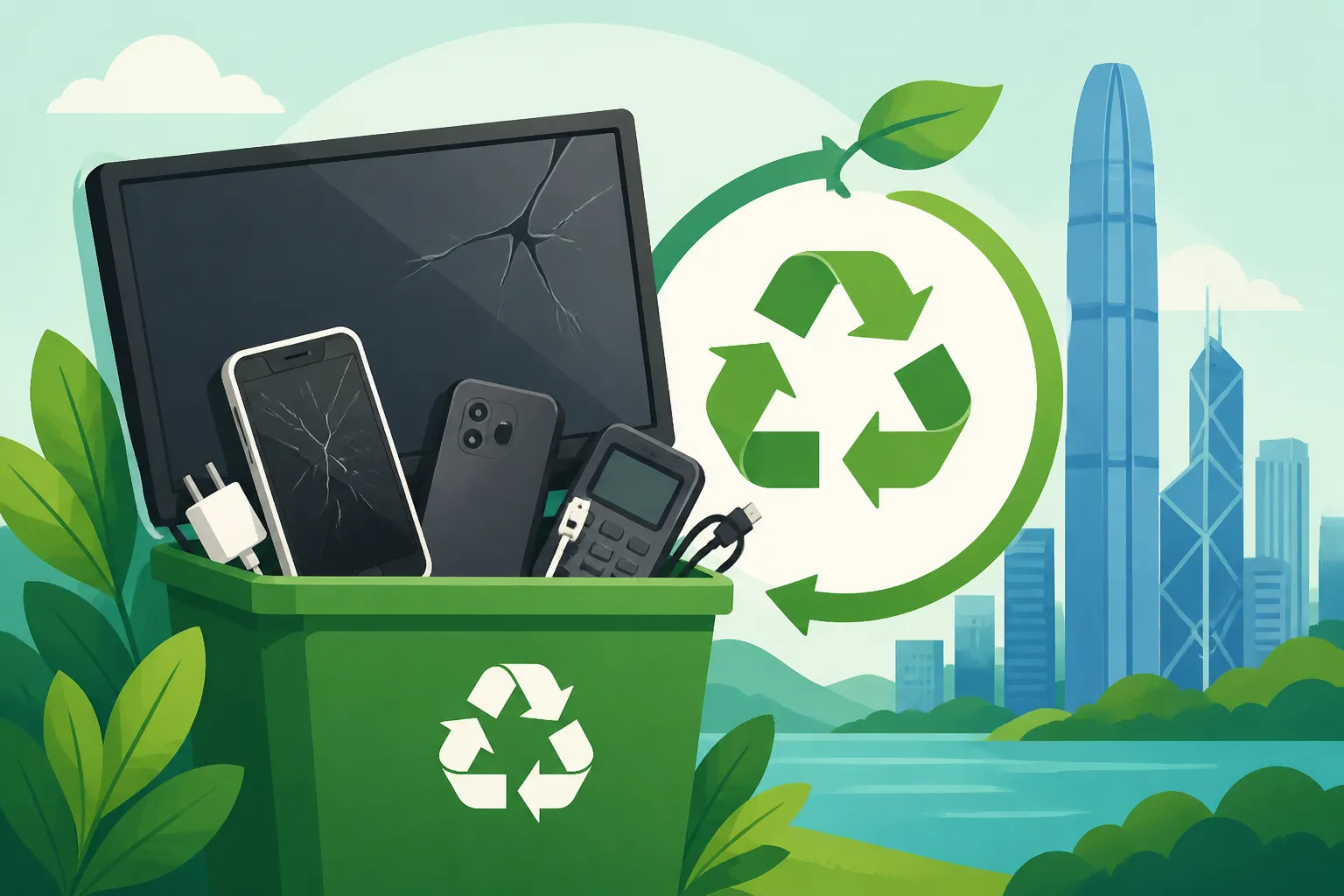
Living in a city as compact as Hong Kong means every square inch of your apartment is prime real estate. When that old plasma TV finally dies or your drawer becomes a graveyard for outdated iPhones, you cannot simply toss them into the building’s trash room without a plan. This guide provides the exact steps to navigate Hong Kong’s e-waste regulations, ensuring your old electronics are recycled legally and efficiently.
Understanding the WPRS and Regulated Electrical Equipment
If you have spent any time navigating the logistics of a move with Moving Companies in HK: Man with a Van vs Full Relocation, you already know that disposing of large items is a headache. In Hong Kong, the government manages this through the Waste Producer Responsibility Scheme (WPRS). This law specifically targets what is known as Regulated Electrical Equipment (REE). This category includes the "big eight": air conditioners, refrigerators, washing machines, televisions, computers, printers, scanners, and monitors.
The most important thing for an expat to understand is the "statutory free removal service." When you buy a new piece of REE, the seller is legally obligated to arrange for the free removal of your old, similar appliance. This is a lifesaver because moving a refrigerator down a narrow stairwell in a Sheung Wan tong lau is a nightmare you do not want to face alone. However, many newcomers do not realize that this service is not always automatic or immediate. You usually have to request it at the time of purchase, and the collection often happens a few days after your new item arrives.
If you aren't buying a new appliance but just need to get rid of an old one, the government’s operator, WEEE·PARK, provides a separate collection hotline. You can call them to schedule a pickup, though wait times can be significant. For those living in managed buildings, your management office might have a designated day for e-waste collection, but you must verify this first. Simply leaving a TV in the hallway is a quick way to lose your security deposit and irritate your neighbors, which is something we discuss in our guide on Everyday Etiquette and Safety in Hong Kong: A Survival Guide.
Navigating the GREEN COMMUNITY Network and Collection Points
For smaller items like mobile phones, tablets, and cables, the GREEN@COMMUNITY network is your best friend. This is a sophisticated system of recycling stations (GREEN@STATION), recycling stores (GREEN@STORE), and recycling spots (GREEN@SPOT) scattered across the territory. Unlike the old, dusty bins you might see on the street, these facilities are clean, modern, and often staffed by helpful locals who can guide you through the process.
When you visit a GREEN@COMMUNITY location, you can participate in the GREEN$ (Greeny Coins) electronic participation incentive scheme. By using a smart card or a mobile app, you earn points for every kilogram of recyclables you bring in, including small electrical appliances. These points can eventually be traded for household goods like flour, oil, or toilet paper. It is a small reward, but in a city where the cost of living is high, every bit helps. This system is particularly useful for those who have just moved into Short-Term Serviced Apartments for Your First Month in HK and are looking to declutter personal gadgets before settling into a permanent home.
Beyond the government-run spots, many shopping malls and large housing estates host the Rechargeable Battery Recycling Programme. You will often see these yellow bins near the concierge desks or in the basement levels of malls like IFC or Elements. These are specifically for portable rechargeable batteries found in digital cameras, mobile phones, and laptops. Never throw these in the general waste; Hong Kong’s humidity can lead to corrosion and potential fire hazards in garbage trucks, a risk heightened by the conditions mentioned in Dealing with Humidity and Mold in Your Apartment.
Trade-Ins and Resale for High-Value Electronics
Before you look for a recycling bin, consider if your "e-waste" still has financial life. Hong Kong has one of the most vibrant second-hand electronics markets in the world. If you have a relatively recent iPhone or MacBook, the trade-in values at the official Apple Store (with locations in Causeway Bay, Central, and TST) are often quite fair. Samsung and other major brands offer similar programs. This is often the easiest path for expats because it handles the data security aspect for you.
If you prefer cash, Sham Shui Po is the legendary heart of Hong Kong’s tech scene. Specifically, the Apliu Street market is where old tech goes to find a second life. You can walk into dozens of small shops with your old laptop or phone, and they will give you an on-the-spot cash offer. Be prepared to haggle. It can be intimidating if you don't speak Cantonese, but most shopkeepers understand enough "tech English" to get the deal done. For those who prefer a digital approach, Buying Second-Hand Furniture on Carousell and AsiaXpat is a great way to see how locals use apps to move goods quickly. Carousell is incredibly popular here for selling used electronics, often fetching better prices than a trade-in.
For those moving into more permanent setups through providers like Habyt or Blueground, you might find yourself inheriting old tech from previous tenants or needing to upgrade your workspace. In these cases, using professional relocation services like Sirelo can help you transport items, but they won't necessarily help you sell them. If you do sell privately, always perform a "factory reset" and, if possible, a multi-pass data wipe. Identity theft is rare but possible, and your old phone contains your entire life in Hong Kong, from your The Octopus Card: Hong Kong's Essential Transport & Payment Tool logs to your banking apps.
Specific Disposal Methods for Common Items
Different types of e-waste require different handling procedures. It is not a one-size-fits-all situation. The way you handle a dead microwave is vastly different from how you handle a laptop with a swollen battery. In the context of the upcoming Municipal Solid Waste (MSW) Charging Scheme: Current 2026 Status, knowing exactly where each item goes will save you from potential fines.
| Item Type | Best Disposal Method | Location / Service |
|---|---|---|
| Large Appliances (TVs, Fridges) | WPRS Statutory Removal | Retailer where you bought the new unit |
| Mobile Phones & Tablets | Trade-in or GREEN@COMMUNITY | Apple Store, Sham Shui Po, or Green@Store |
| Rechargeable Batteries | Yellow Collection Bins | Malls, public libraries, or supermarkets |
| Laptops & Desktops | Computer Recycling Programme | WEEE·PARK collection points |
| Small Gadgets (Toasters, Fans) | GREEN@COMMUNITY | Local Green@Store in your district |
| Fluorescent Lamps/Tubes | Specialized Collection Bins | Designated housing estate collection points |
When dealing with computers, remember that the "Computer Recycling Programme" covers not just the tower or laptop, but also the peripherals. This includes keyboards, mice, and even those ancient VGA cables you have been hoarding since 2012. If you are a freelancer setting up a home office and just finished Setting Up Utilities: Electricity, Water, Gas, and Broadband in HK, you might find yourself with a surplus of routers and modems. These are also welcomed at GREEN@COMMUNITY sites.
One final note for those who live in more remote areas like Sai Kung or the outer islands: the logistics are harder. You might need to wait for a mobile collection van. The Environmental Protection Department (EPD) operates a "WEEE Collection Van" that tours different districts on weekends. It is a great community initiative where you can drop off REE without making a special trip to a government facility. Just like you might need to find where to go for Where to Dispose of Expired Prescription Medications Safely in HK, keeping a list of these mobile collection dates in your calendar is a hallmark of a seasoned Hong Kong expat.
Disclaimer
The information provided in this guide is for general informational purposes only and does not constitute legal or professional advice. While we strive to keep the information up to date and correct, regulations regarding waste disposal in Hong Kong are subject to change. Always verify current procedures with the Environmental Protection Department (EPD) or your building management office before disposing of electronic waste.