The Octopus Card: Hong Kong’s Essential Transport & Payment Tool
Stepping off the plane into the humid embrace of Hong Kong, you’re hit with a whirlwind of sights, sounds, and an entirely new way of life. Navigating public transport and making everyday purchases can feel like a daunting puzzle, especially when you’re still wrestling with jet lag and a thousand other settlement tasks. But fear not, because there’s one little plastic card that acts as your indispensable magic wand for almost everything here: the Octopus Card. This guide is your veteran expat companion to understanding, using, and maximizing Hong Kong's most essential payment tool.
What Exactly Is the Octopus Card and Why Do You Need It?
When you first arrive, you might hear "Octopus Card" thrown around, and it might sound like just another public transport pass. Oh, my dear friend, it is so much more than that. Think of it as your passport to seamless daily life in Hong Kong, a stored-value smart card system that has been revolutionizing how people pay for things here since 1997. It's truly ubiquitous, deeply ingrained into the city's fabric, making cash transactions feel almost archaic in comparison. For an expat still getting their bearings, it removes so many small frictions, from fumbling for exact change on a bus to speeding through a convenience store checkout.
More Than Just a Transport Card: Everyday Uses
While its roots are firmly planted in transportation, the Octopus Card quickly branched out to become a city-wide payment solution. Imagine being able to pay for your morning coffee, your lunch at a local cha chaan teng, your groceries at Wellcome or ParknShop, and even entrance to public swimming pools, all with a single tap. This isn't just convenience; it's a profound simplification of daily finance. No need to carry huge wads of cash, no worrying about foreign transaction fees on your credit card for small purchases, and no endless digging for coins. The sheer breadth of vendors that accept Octopus is astonishing, encompassing everything from vending machines to large chain stores.
The Seamless Convenience Factor for Expats
For us foreigners, the Octopus Card is a sanity saver. Seriously. When you're still grappling with the language, the street names, and figuring out if you need to take the MTR, a tram, or a minibus to get to your new apartment, having a reliable, universally accepted payment method takes a huge load off. It eliminates the constant mental arithmetic of currency conversion for small purchases and the awkwardness of holding up a queue because you're struggling with cash. Whether you've just moved into a serviced apartment arranged by Blueground for your initial stay or are coordinating a full household relocation with Sirelo, getting an Octopus Card should be one of your absolute top priorities the moment you land. It really is the first step to feeling truly integrated into Hong Kong's efficient pace.
Getting Your First Octopus Card: Types and Where to Buy
The process of acquiring your first Octopus Card is thankfully straightforward, a welcome relief amidst the myriad of administrative tasks that come with moving to a new country. Understanding the different types available is the first step to choosing the one that best fits your needs. Don't worry, even if you pick the "wrong" one, it's not a disaster, but a little foresight can save you a minor hassle later on.
Standard vs. Tourist Cards: Choosing the Right Fit
When you first arrive, you'll primarily encounter two types: the "Standard Octopus Card" and the "Tourist Octopus" (sometimes called "Sold Octopus").
Standard Octopus Card: This is the common, refundable version. You pay a deposit (usually HK$50), which you can get back, along with any remaining stored value, when you eventually leave Hong Kong. These cards come in adult, elder, and child versions, each offering different concessionary fares on public transport where applicable. The Adult card is what most expats will go for. You can purchase these at any MTR Customer Service Centre. They are perfect for long-term residents, as you'll want the flexibility of a refundable deposit and the option for personalization later on. The ability to eventually refund the deposit and balance is a major plus when you're preparing for your Leaving Hong Kong Financially Prepared: Taxes, Banks, and MPF checklist.
Tourist Octopus Card (Sold Octopus): These are non-refundable and often come with unique designs or branding. They typically cost a flat fee (e.g., HK$39-HK$50) and have no deposit. While convenient for short-term visitors who want a souvenir, they are not ideal for expats settling in, as you lose the deposit and the convenience of being able to get it back. If you buy one of these by mistake, it's not the end of the world, but you might find yourself wanting to get a standard one later anyway. You can find these at MTR Customer Service Centres, 7-Eleven, and Circle K stores.
Personalized Octopus Cards: What They Are and How to Get One
Once you're settled, particularly if you plan on living here long-term, you might consider a Personalized Octopus Card. These cards bear your name and a photo, and they can be useful for things like automatic top-up services or easier reporting if lost. The key benefit is that if you lose it, the stored value (and any attached auto-add service) can be protected and transferred to a new card, minimizing your financial loss. The application process, however, is a bit more involved than just buying an off-the-shelf card. You usually need to fill out a form, provide identification, and submit a photo. This is something you'd typically do once you have your HKID and a stable address, so it's not a day-one priority but a good consideration for down the line. For those considering long-term stays, getting an HKID is a crucial step for many administrative processes, and you can learn more about Booking an Appointment for HKID Registration at ImmD Offices.
Digital Octopus: Adding it to Your Mobile Wallet
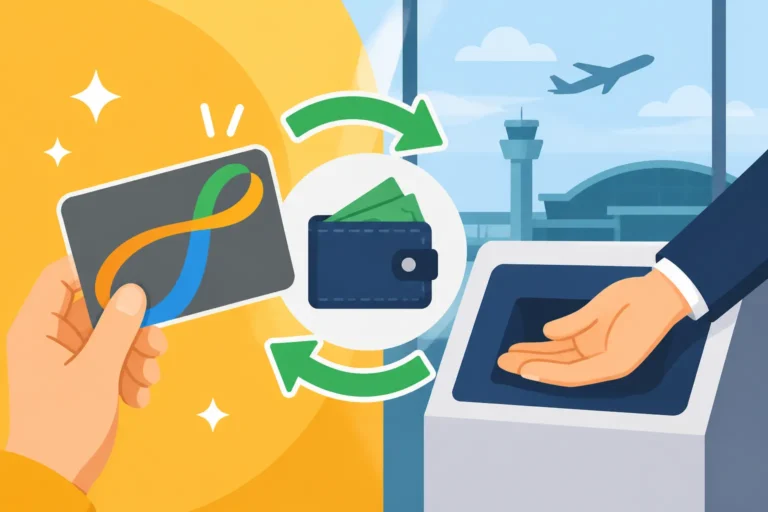
Welcome to the 21st century! Hong Kong’s Octopus system has evolved, and now you can integrate your Octopus Card directly into your mobile wallet, like Apple Wallet or Samsung Pay. This is a game-changer for many, offering unparalleled convenience. Instead of fumbling for a physical card, you simply tap your phone or smartwatch.
The process of adding your Octopus to your digital wallet typically involves downloading the Octopus App, then selecting the option to add a new Octopus or transfer an existing physical card. You can even create a new digital Octopus directly within your phone. This digital version functions identically to a physical card, with the added benefit of being able to check your balance and transaction history directly on your device. It also supports instant top-ups from linked credit cards or bank accounts, which we'll delve into shortly. While you're getting your digital life in order, don't forget to also consider Adding the Digital Octopus Card to Your Apple Wallet. This technology means one less card in your actual wallet, simplifying your life even further in this bustling city.
Topping Up Your Octopus: Keeping It Charged and Ready
The Octopus Card operates on a stored-value principle, meaning you need to load it with money to use it. Running out of balance in the middle of an MTR turnstile queue or at a supermarket checkout is a quintessential expat "oops" moment – we’ve all been there! Thankfully, Hong Kong makes it incredibly easy to keep your card topped up and ready for action. Understanding the various methods will save you from those awkward moments and ensure your daily flow remains uninterrupted.
Cash Top-Ups: MTR Stations, Convenience Stores, and Supermarkets
The most common and straightforward way to top up your Octopus is with cash. This method is incredibly accessible throughout the city, making it easy to quickly add funds whenever you see your balance dipping.
MTR Stations: Every MTR station has customer service centres where staff can top up your card. Many stations also have Add-Value Machines (AVMs) that accept HKD banknotes (usually HK$50 or HK$100 denominations). These machines are multilingual and quite user-friendly. Just place your Octopus on the reader, insert cash, and it’s done.
Convenience Stores & Supermarkets: This is where the Octopus truly shines for everyday convenience. You can top up your card at nearly every 7-Eleven, Circle K, VanGO, Watsons, Mannings, Wellcome, ParknShop, and many other retail outlets across Hong Kong. Just hand the cashier your Octopus Card and the cash amount you wish to add (minimum HK$50, often in multiples of HK$50). They’ll tap it for you, and you're good to go. This integration into common retail spaces is a huge plus, allowing you to top up while grabbing groceries or a drink, without making a special trip. For a deeper dive into these retail options, check out Using the Octopus Card at 7-Eleven and Supermarkets.
Auto-Add Service: Linking to Your Credit Card
For ultimate convenience, especially if you prefer to avoid carrying cash, the Auto-Add Service is a lifesaver. This feature links your Octopus Card (or digital Octopus) directly to your credit card, automatically topping up your balance when it falls below a certain threshold (typically HK$50). Each auto-reload transaction is usually a set amount, like HK$250 or HK$500.
Applying for the Auto-Add Service usually requires submitting an application form to Octopus Cards Limited through your bank. Major banks in Hong Kong, such as HSBC, Standard Chartered, and Hang Seng Bank, commonly support this feature. The application process can take a few weeks to be approved and activated. Once set up, you no longer have to worry about manually topping up; your card is always ready. This is an absolute must-have for busy professionals or families, ensuring you're never stranded without a valid payment. Just remember to monitor your linked credit card statements to keep track of your auto-add transactions.
Topping Up via Mobile Apps and FPS
With the rise of digital payments, topping up your Octopus has become even more integrated into the mobile ecosystem. If you've opted for a digital Octopus in your Apple Wallet or Samsung Pay, you can often top it up directly from within your phone using linked credit/debit cards or even through the Faster Payment System (FPS).
The Octopus App itself allows you to manage your physical card and top it up using various methods, including the FPS. FPS is Hong Kong's real-time payment platform, allowing instant transfers between different banks and payment systems using just a mobile number or email address. This means you can transfer money directly from your bank account to your Octopus without needing a physical interaction or a credit card link to a bank. It’s particularly useful for those who want to top up smaller, specific amounts without committing to an auto-add service. This flexibility highlights how Hong Kong's payment landscape is constantly evolving, with Digital Payments in HK: Octopus, AlipayHK, PayMe, and WeChat Pay becoming increasingly intertwined.
Beyond Transport: Everyday Spending with Your Octopus
The true brilliance of the Octopus Card lies in its versatility. While its origin story is rooted in transport, it has blossomed into Hong Kong's de facto micro-payment system. Forget fumbling for change, or the awkward situation where a small local shop might not accept foreign credit cards. The Octopus has got you covered in almost every imaginable daily scenario.
Supermarkets, Convenience Stores, and Retailers
One of the greatest conveniences the Octopus Card offers is its widespread acceptance in retail. From your daily essentials to a spontaneous treat, you'll find yourself tapping away.
Grocery Runs: Whether you're doing a big shop at a Wellcome or ParknShop for the week or just grabbing a few items, your Octopus is accepted. This speeds up checkout lines considerably, especially during peak hours. No more waiting for card authorizations or dealing with cash counting.
Convenience at Your Fingertips: Those ubiquitous 7-Eleven and Circle K stores? Absolutely. Need a quick snack, a drink, or a top-up for your phone? Tap your Octopus. This makes those late-night runs or quick pit stops incredibly easy.
Everyday Retail: Beyond groceries and convenience stores, a vast array of other retailers accept Octopus. Think Watsons, Mannings (for health and beauty products), even some smaller boutiques or local bakeries. It's truly a seamless experience that allows you to manage your Everyday Budgeting in HK: Cost of Living Benchmarks (2026) with ease, as every small transaction is quickly handled.
Food & Beverage: Restaurants, Cafes, and Vending Machines
Hong Kong is a food paradise, and the Octopus Card plays a significant role in making culinary adventures effortless, particularly for casual dining.
Casual Dining: Many local eateries, cha chaan tengs, fast-food chains like McDonald's, KFC, and even some mid-range restaurants accept Octopus. It's a quick and efficient way to pay for your lunch or dinner, especially if you're eating solo or splitting a bill with friends who also use Octopus. While fine dining establishments might prefer credit cards, for the vast majority of your daily meals, the Octopus is king.
Coffee and Snacks: That indispensable morning coffee from Pacific Coffee or Starbucks? Tap. A pastry from a local bakery? Tap. Vending machines, found across MTR stations, public parks, and office buildings, are almost exclusively Octopus-enabled. This means hydration and quick snacks are always just a tap away, removing the stress of carrying exact change.
Leisure and Public Services: Libraries, Pools, and Car Parks
The Octopus Card's reach extends far beyond retail and food, integrating into public services and leisure activities, further solidifying its role as an essential tool for expats to navigate Hong Kong life.
Public Facilities: Want to use a public swimming pool? Tap your Octopus for entry. Borrow books from a public library? Your HKID acts as your library card, but you might use Octopus for any printing or overdue fines. Even some public toilets in parks are surprisingly pay-to-use, and guess what? Octopus is accepted.
Parking: If you drive, the Octopus Card is widely used for paying at car parks across the city, especially public car parks managed by the government or MTR Corporation. This eliminates the need for parking tickets or fumbling for coins, ensuring a smooth exit. Even some toll booths used to accept it, though the HKeToll system has largely taken over for modern road usage. For any expat renting a car or considering Driving in Hong Kong: License Conversion, HKeToll, and Car Ownership, having a loaded Octopus is still useful for parking.
Managing Your Octopus: Checking Balances and Transaction History
Keeping an eye on your Octopus balance and understanding your spending habits is crucial for effective budgeting, especially when you're navigating the initial expenses of setting up life in Hong Kong. Thankfully, Octopus Cards Limited has provided several convenient ways to monitor your card. This transparency helps you avoid those unexpected "insufficient balance" moments and stay on top of your finances.
Octopus App and Online Services
The most powerful tool for managing your Octopus Card, particularly if you have a digital Octopus or a Personalized Octopus, is the official Octopus App. This app, available on both iOS and Android, transforms your smartphone into a comprehensive Octopus management hub.
Balance and History: With the app, you can instantly check your current balance. Even better, it provides a detailed transaction history for up to three months, showing you exactly where and when you spent your money. This is invaluable for tracking your daily expenses, whether it's transport fares, your morning coffee, or that unexpected purchase at a local market.
Top-Up & Services: The app also facilitates easy top-ups, often linking directly to your bank account or credit card. For those with Auto-Add enabled, it allows you to manage those settings. It's also the portal for applying for other services or reporting a lost card. It’s truly an all-in-one solution that brings the physical card's utility into the digital age.
Physical Card Readers and MTR Machines
For those who prefer a more traditional approach or don't have the app set up, there are plenty of physical touchpoints across Hong Kong where you can check your balance and review recent transactions.
MTR Stations: Every MTR station has "Enquiry Processors" – those small, often yellow, machines that look like mini ATMs. Simply place your Octopus Card on the reader, and it will display your current balance and the last ten transactions. This is a quick and easy way to check your funds before you tap into the MTR system. The MTR customer service centres can also provide this information. Understanding your transport costs is essential, especially when figuring out the MTR Network Guide: Maps, Fares, and Interchange Stations.
Retail Outlets: Many larger retail chains, like supermarkets and convenience stores, will often display your remaining balance on the card reader screen after a transaction is completed. While they won't show a detailed history, it's a handy way to get an immediate update on your funds.
Refunds and What to Do When You Leave Hong Kong
Eventually, your time in Hong Kong might come to an end, or you might simply decide you no longer need your physical Octopus Card. It's good to know that your deposit and any remaining balance can be refunded, provided you have a standard, refundable card.
Refund Process: You can get a refund at any MTR Customer Service Centre. Simply present your card, and the staff will process the refund of your HK$50 deposit and any remaining stored value. Note that for cards with a balance exceeding HK$500, or for cards that have been issued for less than 90 days, there might be a small handling fee (currently HK$11 or 1% of the remaining value, whichever is higher). This is designed to deter frequent, small refunds. Knowing this process is a small but important detail when you're making your final preparations to Close Your HK Bank Account and Phone Plan When Relocating.
Negative Balance: It's important to know that an Octopus Card can incur a negative balance (up to -HK$35 for Adult cards, -HK$20 for Child/Elderly). This usually happens if your balance is, say, HK$5, and you make a HK$10 MTR journey. The system allows the transaction, and you owe the difference. When you top up next, this negative amount is cleared first. When you process a refund, any outstanding negative balance will be deducted from your deposit or remaining value. This flexibility is another reason the Octopus is so user-friendly; it prevents you from being stranded by a few dollars. Don't forget, when dealing with your refund, remember to hold onto your card receipt if you plan to get a full deposit refund without potential fees. For those who used the Tourist Octopus, remember, there's no deposit to refund, but any stored value can still be used up. If you bought a Tourist Octopus, learning How to Refund Your Octopus Card Deposit at the Airport won't apply directly to the card itself, but rather to any leftover balance you might want to spend before departure.
Troubleshooting Common Octopus Issues
Even with Hong Kong's renowned efficiency, technology isn't always foolproof. There might be a rare occasion when your beloved Octopus Card acts up, gets lost, or simply baffles you. Don't despair; many common issues have simple solutions, and understanding them beforehand can save you a good deal of stress.
Lost or Stolen Cards: Reporting and Recovery
Losing your Octopus Card can feel like losing a limb in Hong Kong – it's that integral to daily life! But don't panic. The course of action depends on the type of card you had.
Standard (Non-Personalized) Octopus Cards: Unfortunately, if you lose a standard, non-personalized Octopus Card, it's very much like losing cash. The stored value cannot be recovered, as the card is anonymous. This is a significant drawback and highlights why it’s prudent not to load excessively large sums onto a non-personalized card. If you find yourself in this situation, your best bet is to purchase a new card and be more vigilant. This scenario is a strong argument for why many expats eventually opt for a Personalized Octopus Card if they intend to stay long-term.
Personalized Octopus Cards or Digital Octopus Cards: This is where personalization pays off. If you lose a Personalized Octopus (which has your name and HKID linked) or a Digital Octopus (linked to your mobile wallet and often your Apple ID/Google account), you can report it missing. You should immediately call the Octopus Customer Service Hotline or report it via the Octopus App. Once reported, the card will be deactivated, and any value on it will be protected. A replacement card can then be issued, with the remaining balance transferred, usually minus a small administrative fee. This process gives you peace of mind and financial security. For detailed steps on What to Do If You Lose Your Personalized Octopus Card, refer to specific guidance provided by Octopus Cards Limited.
Card Malfunctions and Error Messages
Occasionally, an Octopus Card might simply stop working, or you might encounter an error message at a reader. These issues are rare but can happen.
"Please Try Again" / Unresponsive Card: If a reader repeatedly gives you a "Please Try Again" message or doesn't register your tap, first try a different reader. If the problem persists, the card might be damaged. Physical damage, even if not visible, can affect the internal chip.
"Invalid Card" / "Expired Card": An "Invalid Card" message usually means the card's data is corrupted, or it's genuinely no longer recognized by the system. An "Expired Card" is less common for standard Adult Octopus cards, but some special-issue or older cards might have an expiry date. In either case, take your card to an MTR Customer Service Centre. They have diagnostic tools to check the card's status and can advise on whether it needs replacement or if there's an issue with the card's data. If the card is genuinely faulty and not physically damaged by misuse, they can usually issue a free replacement with your balance transferred.
Expired Cards and Data Retention
While standard Adult Octopus Cards technically don't "expire" in the same way a credit card does, older cards might have a limited operational lifespan or become technologically outdated. Octopus Cards Limited occasionally phases out older card technologies, encouraging users to upgrade to newer versions.
Inactive Cards: If a card hasn't been used for a significant period (e.g., three years), it might become "inactive." This doesn't mean the value is lost, but you may need to reactivate it at an MTR Customer Service Centre or add value before it can be used again.
Data Retention: Octopus Cards typically retain a limited amount of transaction history. If you need a more extensive record, it's best to regularly check your history via the Octopus App. For data privacy, no personal information is stored on a non-personalized card itself. For personalized cards, data is linked to your account but protected. This robust system makes it easy to use for everyone, from an expat just starting out in a Habyt co-living space to a long-term resident in a sprawling family home.
The Evolution of Octopus: Future Developments and Alternatives
Hong Kong's payment landscape is dynamic, constantly adapting to new technologies and consumer preferences. While the Octopus Card remains firmly at the top of the payment hierarchy, it's important to understand how it integrates with other digital payment systems and what alternatives are gaining traction. This insight helps you choose the most efficient payment strategy for your expat life here.
Integration with Digital Payment Systems
The Octopus Card has cleverly adapted to the digital era, ensuring its continued relevance in a world increasingly moving away from physical wallets. Its integration with mobile payment platforms is a prime example.
Mobile Wallets: As discussed, the ability to add your Octopus to Apple Wallet or Samsung Pay has been a significant leap forward. This not only offers convenience but also opens doors for new functionalities. For instance, instant top-ups via linked credit cards directly from your phone. This makes your phone truly multifunctional, reducing the need to carry multiple cards or cash.
Online Commerce: While traditionally a brick-and-mortar payment system, Octopus is also making inroads into limited online transactions. While not as widespread as credit cards for online shopping, certain services, especially those related to public utilities or transport bookings, might offer Octopus as a payment option through the app, leveraging its unique identification system. This is a subtle but growing area where Octopus is expanding its utility.
Octopus vs. Other Contactless Payment Methods
While Octopus is king, Hong Kong is not devoid of other contactless payment options. Understanding their strengths and weaknesses helps you decide when to tap your Octopus and when to use something else.
Credit Card Tap-and-Go: Many international credit cards now offer contactless payment (Visa payWave, Mastercard PayPass, American Express Contactless). These are widely accepted in larger retail chains, supermarkets, and restaurants. For tourists, these can be very convenient. However, for smaller transactions, local wet markets, or some independent eateries, Octopus often remains the only tap-and-go option. Plus, foreign credit cards can sometimes incur currency conversion fees, making Octopus a more cost-effective option for everyday micro-payments.
AlipayHK and WeChat Pay HK: These mobile payment apps are hugely popular in Hong Kong, especially among locals and those with ties to mainland China. They operate on a QR code scanning system and are accepted in a vast number of shops, restaurants, and even some taxis. They offer features like peer-to-peer transfers and various promotions. For expats, these can be a great addition to your payment arsenal, particularly if you frequent local shops or need to pay service providers who primarily use these apps. The choice often comes down to personal preference and where you do most of your spending. For a deeper dive, check out Digital Payments in HK: Octopus, AlipayHK, PayMe, and WeChat Pay.
PayMe: Developed by HSBC, PayMe is a popular peer-to-peer payment app primarily used for splitting bills and sending money to friends. While not a direct competitor to Octopus for general merchant payments, it complements it well for social transactions. You can link your bank account to PayMe and use it to easily transfer money to others.
Tourist Pass Bundles and Discounts
For short-term visitors, Octopus also offers specific products tailored to maximize convenience and potentially offer cost savings.
Airport Express Travel Pass: While not strictly an Octopus Card, this combined pass includes a round-trip Airport Express ticket and three days of unlimited MTR travel, along with a refundable deposit that can also be used for other Octopus payments. This is fantastic value for tourists exploring Hong Kong extensively.
Discounts and Offers: Octopus Cards Limited regularly partners with merchants to offer discounts or loyalty points. Keep an eye on their website or local advertisements for these promotions. While usually small, every little bit helps, especially when you're settling into the cost of living in Hong Kong. Whether you're commuting to your new job or taking the Riding the "Ding Ding": Hong Kong Island's Historic Trams for a scenic route, your Octopus remains a constant companion for seamless travel and transactions. The same applies for hopping on the iconic Star Ferry Guide: Fares, Routes, and Using Octopus or navigating the sometimes bewildering Minibuses in HK: Red vs Green and How to Yell Your Stop – your Octopus ensures you're ready for any journey.
Disclaimer
The information provided in this guide is for general informational purposes only and is subject to change. While we strive to keep it accurate and up-to-date, rules and regulations in Hong Kong, particularly concerning payment systems and public services, can evolve. Always refer to the official websites of Octopus Cards Limited, the MTR Corporation, and relevant government departments for the most current and authoritative information.