Health Requirements and Medical Exams for Domestic Helpers
Hiring a domestic helper in Hong Kong is a massive transition for any household, but the health requirements often feel like a confusing administrative maze. I remember the anxiety of waiting for my first helper’s medical report, terrified that a minor issue might derail her visa and our family’s schedule. This guide breaks down the mandatory exams and health obligations you must navigate as an employer.
The Legal Framework for Helper Health Checks
When you begin the process of hiring, the Hong Kong Immigration Department and the Labor Department have very specific, albeit sometimes overlapping, expectations regarding the health of a prospective Foreign Domestic Helper (FDH). It is not just about ensuring they can do the work; it is about the legal liability you inherit the moment that contract is signed. Under the Standard Employment Contract (ID 407) for Domestic Helpers Explained, you as the employer are responsible for 100% of the medical expenses incurred by the helper during their employment, regardless of whether the condition was pre-existing or developed in Hong Kong.
Mandatory Requirements for the Visa Application
While the Immigration Department does not always demand a physical medical report attached to every single visa application, they require a declaration that the helper is fit for employment. However, most reputable agencies and experienced employers consider a comprehensive medical exam a non-negotiable step before the helper ever boards a plane or transfers from another employer. If you are Hiring a Foreign Domestic Helper in HK: Legal Rules and Costs, you will find that the medical exam is often the first "gatekeeper" in the process. If a helper fails a specific screening—such as testing positive for a contagious disease that they cannot be treated for quickly—the visa may be denied, or more likely, the agency will recommend finding a different candidate to avoid future repatriation costs.
The Standard Employment Contract Obligations
Clause 9 of the ID 407 contract is the part that keeps most expat employers awake at night. It states that "free medical treatment" must be provided. This includes medical consultation, maintenance in a hospital, and emergency dental treatment. Because of this, the "pre-employment" medical exam is your only real opportunity to assess the risk you are taking on. If you skip a thorough check and your helper arrives with a chronic condition requiring expensive specialists, you cannot simply terminate the contract to avoid the bills. Understanding the Medical Checkups for Helpers: What Employers Must Legally Cover is essential because it sets the baseline for what you are protecting yourself against. Some employers even look into premium options like Cigna Global to cover their helpers if they want to ensure access to private facilities, though most stick to the required local insurance.
Ethical and Cultural Considerations
Beyond the law, there is a significant human element. Many helpers come from rural areas where regular health screenings are not the norm. A medical exam in Hong Kong might be the first time they have ever had their blood pressure checked or a chest X-ray taken. Approaching these exams with empathy—rather than just as a "pass/fail" test—builds immense trust. Validating their nervousness about the needles or the X-ray machine goes a long way. You are not just checking a box; you are ensuring that the person who will live in your home and perhaps care for your children is healthy and supported.
Comprehensive Medical Exam Components
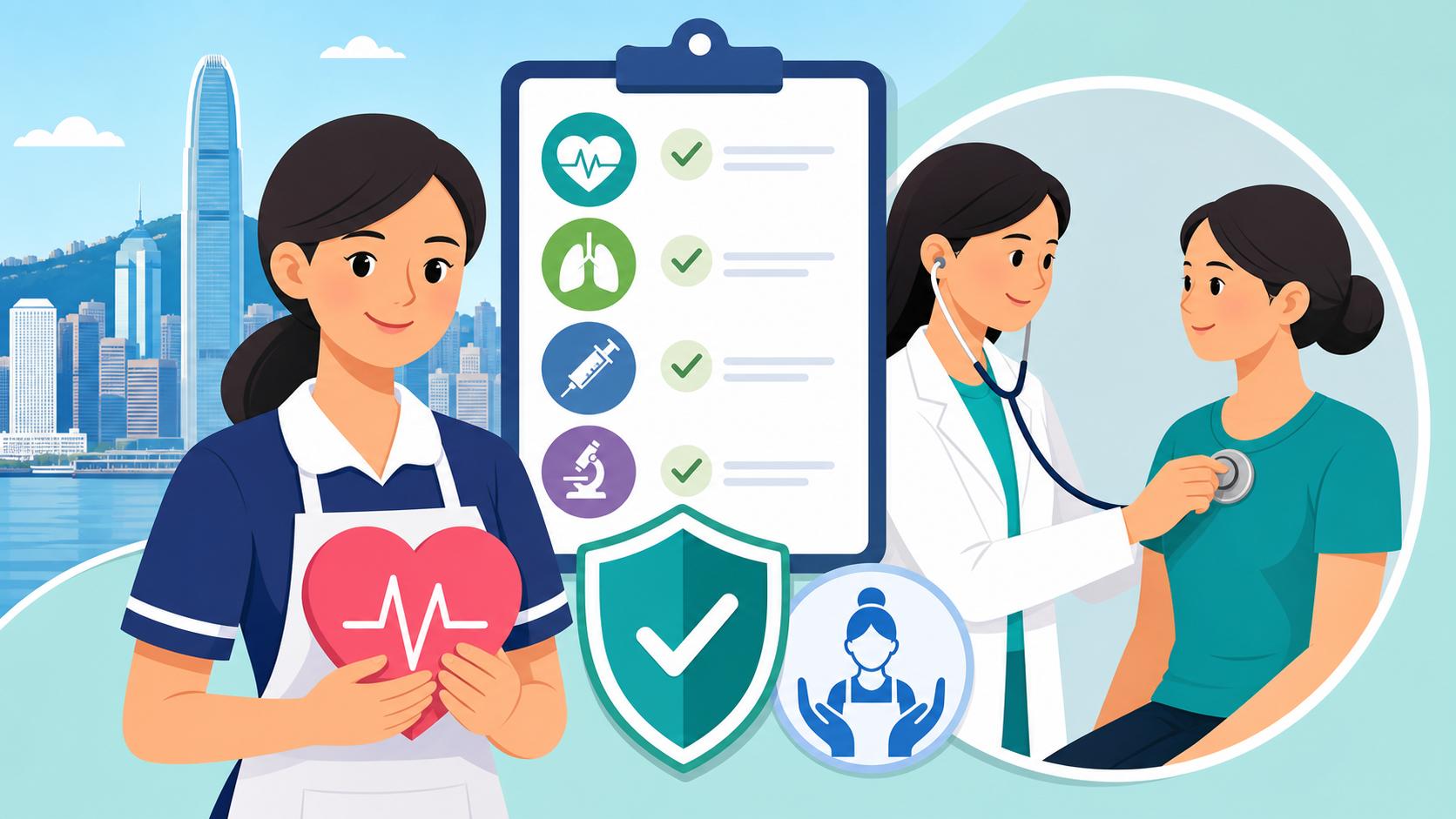
A standard medical package for a domestic helper in Hong Kong is significantly more involved than a typical office worker’s "body check." It focuses on communicable diseases, reproductive health, and physical stamina. You want a clinic that understands the specific requirements of the Labor Department and the common health issues found in the Philippines, Indonesia, or other origin countries.
Essential Screenings for HIV and Hepatitis B
Blood tests are the core of the medical exam. Screenings for HIV and Syphilis are standard. While a positive result for these does not legally bar someone from working in Hong Kong (thanks to anti-discrimination laws), it is a critical piece of health data for the employer to have, especially if the helper will be handling food or caring for infants. Hepatitis B is another major focus. In Southeast Asia, Hepatitis B is quite common, and knowing the helper's status allows you to ensure they are receiving proper care or that your family is vaccinated. If you are worried about the costs of ongoing treatment, looking into a robust plan from a provider like Cigna Global can help manage long-term medical expenses that basic local policies might not cover.
Chest X-Rays and Tuberculosis Prevention
Tuberculosis (TB) remains a serious public health concern in Hong Kong. Every domestic helper medical exam must include a chest X-ray to rule out active TB. This is one of the few conditions where the Hospital Authority (HA) Guide: Accessing Public Healthcare for Expats becomes a vital resource, as active TB is often managed through the public health system's specialized chest clinics. If a shadow appears on the X-ray, the helper will usually be required to undergo further sputum tests. As an employer, this can be a stressful waiting period, but it is a vital safeguard for the health of everyone living in your apartment.
Fitness for Work Assessments
A doctor will also perform a physical examination to check for general fitness. This includes checking the heart, lungs, and abdomen, as well as a basic vision and hearing test. They will look for signs of chronic conditions like diabetes or hypertension. Given the physical nature of the job—climbing ladders to clean fans, lifting heavy groceries, or chasing toddlers—musculoskeletal health is also assessed. If you live in a hilly area like Mid-Levels or a walk-up in Sheung Wan, you need to know if your helper has any back or knee issues that will be exacerbated by the environment.
| Test Category | Specific Test | Purpose | Required/Recommended |
|---|---|---|---|
| Blood Work | HIV & Syphilis | Screen for STIs | Highly Recommended |
| Blood Work | Hepatitis B Surface Antigen | Check for HBV status | Recommended |
| Imaging | Chest X-Ray | Rule out Tuberculosis (TB) | Mandatory by most agencies |
| Reproductive | Pregnancy Test (Urine) | Check for pregnancy | Mandatory for most agencies |
| Physical | General Consult | Assess fitness for manual labor | Mandatory |
| Stool/Urine | Parasites & Routine | Check for intestinal worms/infections | Recommended |
Timing and Costs of Medical Examinations
When you should conduct these exams depends on whether you are hiring a "fresh" helper from overseas or a "finished contract" helper who is already in Hong Kong. The costs can vary wildly depending on the clinic's location and the depth of the screening.
Pre-Arrival vs. Post-Arrival Checkups
If you are hiring from overseas, the helper will undergo a medical exam in their home country as part of the visa processing. However, many Hong Kong employers do not fully trust the results from rural clinics abroad. It is a very common practice to have the helper undergo a "verification" medical exam within the first week of their arrival in Hong Kong. This ensures the results are accurate and documented by a local doctor. If you are hiring a helper already in the city, you should arrange the medical checkup after you have signed the contract but before the new visa is fully processed. This is the time to verify their health status before they move their belongings into your spare room.
Annual Wellness Checks and Why They Matter
While the law only emphasizes the initial check, I strongly recommend an annual wellness check for your helper. Hong Kong’s humid climate and the stress of living away from family can take a toll. Early detection of high blood pressure or diabetes—common as helpers age—can save you thousands of dollars in emergency hospital bills later. An annual checkup is also a great time to ensure they are up to date on their flu shots. If your helper is caring for young children, you might also consider CPR and Choking First Aid Courses for Foreign Domestic Helpers as a supplement to their medical wellness, ensuring they are prepared for emergencies in the home.
Where to Go: Clinics and Packages in Hong Kong
You will find a range of options for these exams. Large chains like Quality HealthCare or Raffles Medical offer "Domestic Helper Packages" that usually cost between HK$800 and HK$1,500. These are efficient but can feel a bit like a factory. If you prefer a more personal touch, you can find Finding English-Speaking General Practitioners (GPs) in Central who offer comprehensive screenings in a more comfortable setting. For those looking for budget-friendly options, some NGOs and smaller community clinics in areas like North Point or Causeway Bay provide basic screenings at a lower price point. Regardless of where you go, ensure the clinic provides a formal written report in English that you can keep for your records.
Managing Health Issues and Legal Protections
What happens when the medical report isn't perfect? This is where the "veteran expat" experience really matters, because the emotional and legal stakes are high. You have to balance your family's safety with the helper's rights under the Employment Ordinance.
What Happens if a Helper Tests Positive?
If a helper tests positive for a condition like Hepatitis B or a parasitic infection, it is usually not a reason for panic. Most parasitic infections can be cleared with a simple course of medication available at any local pharmacy. For chronic issues like Hepatitis B, the doctor will advise on whether the helper is a "carrier" or has an "active" infection. In most cases, carriers can work perfectly safely as long as they follow basic hygiene—which they should be doing anyway. The real challenge is if they test positive for a condition that prevents them from performing their duties. In this case, you must be very careful about how you handle the situation to avoid claims of disability discrimination.
Pregnancy Rights and Employer Obligations
One of the most complex situations in Hong Kong is when a helper discovers she is pregnant. You cannot legally fire a helper for being pregnant; doing so is a criminal offense and can lead to massive fines and lawsuits. If the pregnancy is discovered during the pre-employment medical, the agency will usually handle the withdrawal of the application. However, if she becomes pregnant during her employment, you are legally required to provide maternity leave and cover her medical expenses. This is where Legal Obligations if Your Domestic Helper Gets Pregnant becomes the most important document you will read. Many expats find this daunting, but understanding the law early protects you from making an emotional decision that could lead to legal trouble.
Terminating for Medical Reasons: Risks and Realities
Can you terminate a helper because they are "too sick to work"? The short answer is: rarely, and only with extreme caution. If a helper has a Statutory Sick Leave Certificates (MC) Rules compliant note, they are protected from dismissal. If they develop a long-term illness, you must follow the Labor Department’s guidelines on "incapacity." This usually involves medical evidence that they can no longer perform the core requirements of the job even with "reasonable accommodation." Before taking any steps to terminate a sick helper, I always advise consulting with a labor lawyer or a specialized agency to ensure you are not violating the Disability Discrimination Ordinance.
Insurance and Long-Term Care Responsibilities
Because you are the "insurer of last resort" for your helper, the insurance policy you choose is your primary shield against financial ruin. A simple hospital stay in Hong Kong can easily top HK$50,000, which is why a basic policy is often not enough.
Statutory Requirements for Employee Compensation Insurance
By law, every employer of a domestic helper must have Employee Compensation (EC) insurance. This covers work-related injuries. However, most "Helper Insurance" packages sold in Hong Kong are "Combo" policies that include the mandatory EC insurance plus a small amount of medical cover (usually HK$25,000 to HK$30,000 per year). While this meets the legal minimum, it is often insufficient for major surgeries or long-term illnesses. You must ensure your policy is active the day the helper starts work. If you are a digital nomad or an expat who travels frequently, a flexible provider like SafetyWing can sometimes offer gap coverage, but for a domestic helper living in your home, a local Hong Kong policy is usually the standard requirement.
Supplemental Medical Insurance for Peace of Mind
Many experienced expats choose to upgrade their helper’s insurance. High-end policies from providers like Cigna Global offer significantly higher limits and cover a wider range of specialists. When you consider that you are liable for their medical bills, paying an extra HK$2,000 a year for a premium insurance plan is actually a very smart financial move. It shifts the risk from your bank account to the insurance company. You should specifically look for policies that cover "Major Critical Illness" and "Repatriation Expenses," so that if the helper becomes too ill to stay in Hong Kong, the cost of sending them home with medical escort is covered. This is one of the most overlooked aspects of Domestic Helper Insurance: Legal Requirements and Best Policies.
Handling Chronic Conditions and Major Surgery
If your helper requires major surgery, the public system is your best friend. As a Hong Kong Identity Card holder, your helper is entitled to subsidized rates at public hospitals. This means a surgery that costs HK$200,000 in a private hospital might only cost a few hundred dollars in a public ward. You can learn more about how this works in the Private Hospitals in Hong Kong: Admission, Costs, and Insurance guide, which compares the two systems. As an employer, you will still need to pay the daily ward fee (around HK$120) and for any "self-purchased" medical items like stents or specialized implants. Being prepared for these "hidden" costs is part of being a responsible employer in Hong Kong.
Essential Health Disclaimer
The information provided in this guide is for educational and informational purposes only and does not constitute legal or medical advice. Health regulations, immigration policies, and labor laws in Hong Kong are subject to change. Always consult with the Hong Kong Labor Department, the Immigration Department, or a qualified legal professional regarding your specific obligations as an employer. Medical decisions should be made in consultation with a registered medical practitioner. Ensure that any insurance policy you purchase meets the current statutory requirements of the Hong Kong Special Administrative Region.