Telemedicine Apps in HK: DoctorNow and Virtual Consultations
Waking up with a splitting headache and a fever in a humid Hong Kong apartment is a rite of passage every expat eventually faces. I remember my first time; the thought of navigating the MTR just to sit in a crowded waiting room felt like an impossible task. This guide solves that exhaustion by explaining how to use telemedicine apps like DoctorNow to get medical care without leaving your bed.
The Rise of Virtual Care in Hong Kong
For years, the medical culture in this city was defined by the "waiting room shuffle." Whether you were queuing at a public clinic or a high-end private practice in Central, the physical presence of the patient was considered non-negotiable. However, the last few years have seen a massive shift in how we access primary care. Telemedicine has moved from a "tech-bro" novelty to a core pillar of the local healthcare ecosystem. If you are struggling with a minor ailment, the old days of dragging yourself through the humidity are largely over.
From Niche to Necessity
Before 2020, if you suggested a video call to a local doctor, they might have looked at you with genuine confusion. The traditional model was built on physical diagnostics. But as the city adapted to various social and health challenges, the infrastructure for virtual consultations exploded. It wasn't just about convenience; it was about safety and efficiency in a city where space is at a premium and viral loads can spread quickly in high-rise environments. For an expat, this shift has been a lifesaver, especially when you are still Finding English-Speaking General Practitioners (GPs) in Central and haven't yet established a long-term relationship with a family doctor.
The transition was supported by the rapid adoption of 5G technology across the territory. Hong Kong has some of the fastest internet speeds in the world, making high-definition video calls seamless even in the deepest corners of the New Territories. This technological backbone allowed platforms to integrate features like instant document sharing, digital prescriptions, and real-time payment processing. It has fundamentally changed the "patient journey," turning what used to be a four-hour ordeal into a twenty-minute interaction on your smartphone.
How Telemedicine Bridged the Gap
Telemedicine has also played a crucial role in managing the heavy load on the Hospital Authority (HA) Guide: Accessing Public Healthcare for Expats. By diverting patients with "Category 4 or 5" symptoms—think common colds, minor skin rashes, or simple stomach bugs—away from the physical clinics, the system remains more available for those in dire need. For you, the expat, this means you no longer have to feel guilty about "clogging up the system" for a simple flu shot or a prescription refill. You can handle it virtually, leaving the physical slots for those who require hands-on intervention.
Furthermore, these apps have bridged the linguistic gap. Many of the doctors on these platforms are Western-trained and perfectly fluent in English, which removes the anxiety of a language barrier during a vulnerable moment. When you're sick, the last thing you want to do is struggle with medical terminology in Cantonese. Telemedicine platforms often allow you to filter doctors by language, ensuring you can communicate your symptoms clearly and receive advice you fully understand.
Top Telemedicine Apps and Platforms in Hong Kong
Choosing the right app can be overwhelming because there are now several major players in the market. Each has its own strengths, whether it's a massive network of doctors, lightning-fast delivery of medication, or integration with specific insurance providers. Understanding the nuances between these platforms will help you choose the one that fits your current needs, whether you're looking for a quick one-off consultation or a more integrated health management tool.
DoctorNow: The Local Frontrunner
DoctorNow has quickly become one of the most recognizable names in the local telehealth space. What sets it apart is its user-centric design specifically tailored for the Hong Kong lifestyle. The app allows you to book a video consultation with a registered doctor in minutes. I’ve found that the interface is incredibly intuitive; you select your symptoms, choose a doctor, and the video link is generated almost instantly. They have a robust network of GPs and specialists, which is helpful if you need more than just a general check-up.
One of the standout features of DoctorNow is its seamless medication delivery. Once the consultation ends, the doctor issues an electronic prescription, and the medicine is typically delivered to your door within four hours. In a city where we are used to everything being "on-demand," this speed is consistent with the local pace of life. They also provide digital sick leave certificates, which are essential for those who need to prove their absence to an employer. For many expats, this app acts as the first line of defense before seeking Private Hospitals in Hong Kong: Admission, Costs, and Insurance for more serious issues.
DrGo: The Tech Giant’s Solution
DrGo is another heavy hitter, backed by HKT, one of the city's largest telecommunications companies. Because of this backing, the app is incredibly stable and often comes with various promotions if you are already a customer of their mobile or broadband services. DrGo emphasizes a "holistic" approach, offering not just GP consultations but also access to specialists, mental health professionals, and even Traditional Chinese Medicine practitioners. It’s a great "all-in-one" option if you want to keep all your virtual health records in one place.
The app's delivery network is particularly impressive. They partner with major pharmacy chains and logistics providers to ensure that even if you live in a more remote area like Sai Kung or South Lantau, your medication will arrive promptly. They also have a clear pricing structure, which is vital for budgeting. If you are using a plan from a provider like Cigna Global, you might find that DrGo has direct billing arrangements or streamlined reimbursement processes, making the financial side of getting sick much less of a headache.
Quality HealthCare: The Established Provider
Quality HealthCare (QHMS) is one of the oldest and largest private healthcare providers in Hong Kong. Their entry into the telemedicine market brought a level of institutional trust that many expats appreciate. If you prefer a platform backed by a company with physical clinics all over the city, this is the one. The benefit here is continuity of care; if your virtual consultation reveals that you actually need a physical examination or a blood test, you can easily transition to one of their many brick-and-mortar clinics in Tsim Sha Tsui, Central, or Shatin.
Their app provides access to a massive database of doctors, and because they are such a large entity, they are often the "preferred provider" for many corporate insurance schemes. If your employer provides a local plan, check if QHMS is on the list. Even for those with international coverage like SafetyWing, using a well-known name like Quality HealthCare can simplify the claims process because their receipts and medical reports are standardized and universally recognized by insurers.
| App Name | Key Strength | Delivery Time | Specialist Access |
|---|---|---|---|
| DoctorNow | Speed and UI | 4 Hours | Yes |
| DrGo | Integration & TCM | 4-6 Hours | Yes |
| QHMS | Network & Trust | Same Day | Extensive |
| Doctor BB | Pediatric Focus | 4 Hours | Pediatricians |
How Virtual Consultations Actually Work
If you've never used a medical app before, the process might seem a bit clinical or detached. However, the workflow is designed to be as close to a physical visit as possible, minus the travel. From the moment you log in to the moment the delivery driver rings your doorbell, every step is tracked and documented. It’s important to understand the mechanics of the digital sick note and prescription, as these are the two things your HR department and your body will care about most.
The Step-by-Step Process
First, you’ll need to download your chosen app and register an account using your HKID or passport number. Most apps will require a brief health history—allergies, chronic conditions, and current medications. Once registered, you can choose between an "on-demand" consultation (waiting for the next available doctor) or booking a specific time slot. I usually recommend the on-demand option if you're feeling miserable and just want to see someone "now."
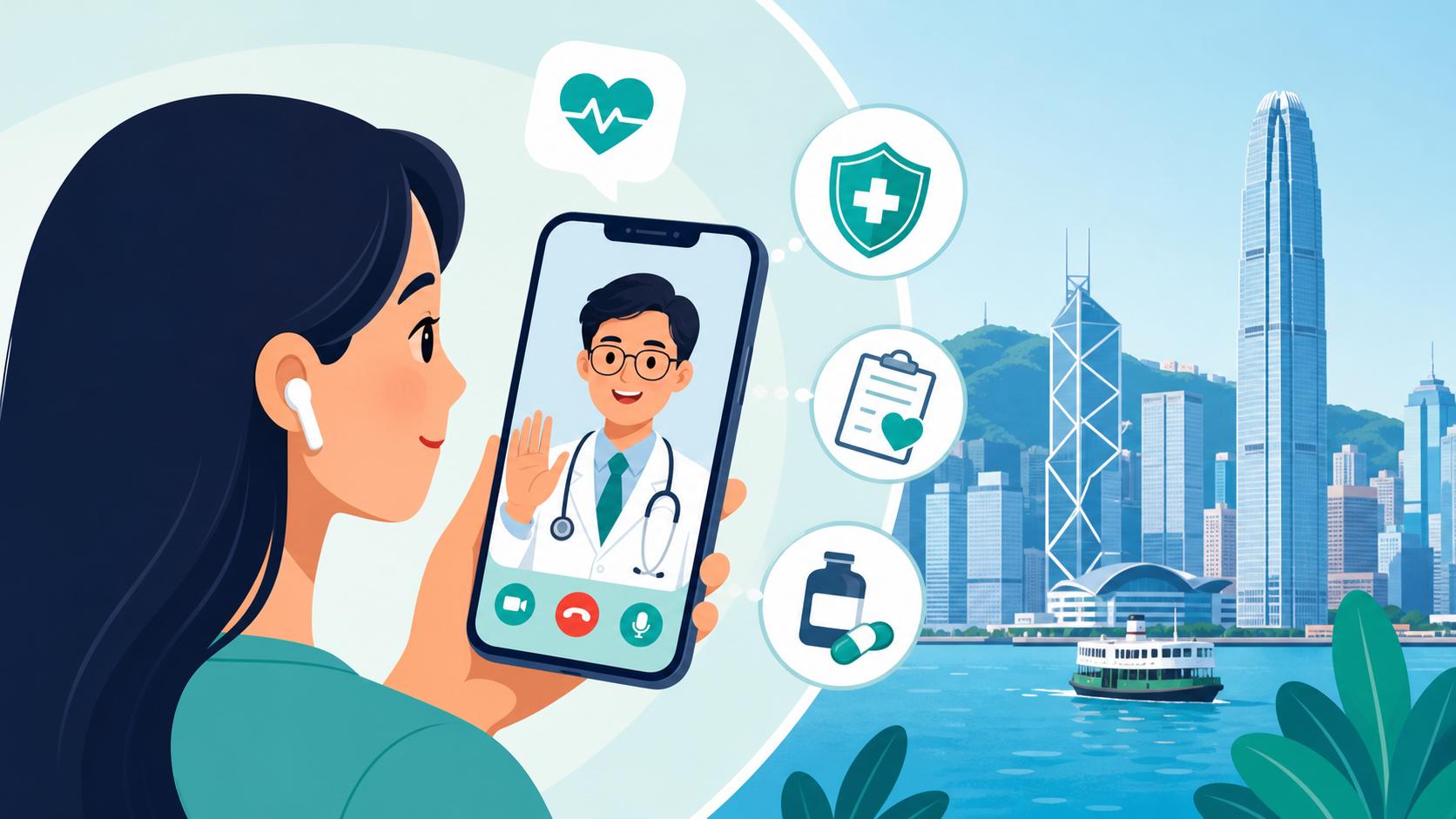
During the video call, the doctor will ask about your symptoms just like they would in a clinic. You can use your phone’s camera to show them things like throat inflammation, skin rashes, or eye redness. It’s helpful to be in a well-lit room for this. Once the diagnosis is made, the doctor will discuss the treatment plan with you. After the call ends, you will receive a notification to pay the consultation fee and the cost of the prescribed medications. After payment is confirmed, the pharmacy prepares your order, and a courier is dispatched.
Handling Prescriptions and Medication Delivery
One of the biggest concerns expats have is whether virtual prescriptions are "real." In Hong Kong, electronic signatures and digital prescriptions issued through these accredited platforms are legally valid. The medication you receive is the same "factory-sealed" or "pharmacy-labeled" stock you would get at a physical clinic. The app typically provides a digital copy of the prescription, which is useful for your records or if you need to show it to a pharmacist later for a refill of non-controlled substances.
The logistics of delivery are surprisingly efficient. Most platforms use dedicated medical couriers or reputable services like SF Express. The medicine is usually packed in a discreet, tamper-evident bag. It’s worth noting that for certain controlled drugs—like some high-strength painkillers or psychiatric medications—you might still be required to visit a physical clinic or a The Difference Between Registered Pharmacies (Rx) and Drug Stores to pick them up in person, as laws regarding the delivery of "Part 1 Poisons" can be quite strict.
Obtaining Sick Leave Certificates (MC)
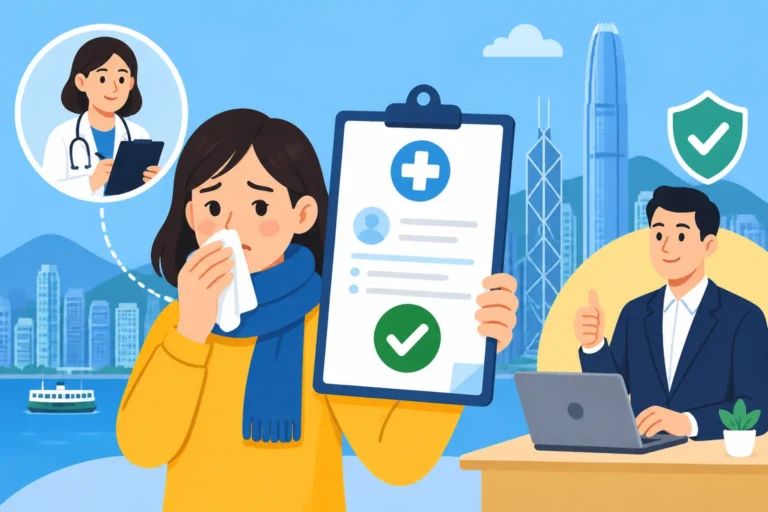
In Hong Kong's work culture, a Medical Certificate (MC) is often required for even a single day of sick leave. Thankfully, telemedicine apps are fully authorized to issue these. Once the doctor concludes your consultation, a digital MC (usually in PDF format) is uploaded to your app's "records" section. It contains the doctor's name, registration number, and the dates you are unfit for work. You can simply email this PDF or a screenshot to your HR department.
It is important to ensure that the MC is "valid" according to your specific employment contract. Most Hong Kong employers accept digital MCs from major platforms, but it never hurts to double-check. If you are ever in a dispute about your leave, you can refer to the Occupational Health: Statutory Sick Leave Certificates (MC) Rules to understand your rights. Generally, if the doctor is a registered practitioner in Hong Kong, their certificate carries full legal weight, whether it was issued in a mahogany-row office or via a smartphone screen.
Comparing Telemedicine vs. In-Person Visits
While the convenience of an app is undeniable, there are times when virtual care just doesn't cut it. Part of being a "veteran" expat is knowing when to save your energy and use an app, and when to bite the bullet and head to a physical facility. There are cost implications, diagnostic limitations, and safety considerations to weigh before you hit that "call doctor" button.
Cost Analysis for Expats
Financially, telemedicine is often a middle-ground option. It is significantly cheaper than a walk-in visit to a high-end private clinic in a prime location like Central or Tsim Sha Tsui, where consultation fees alone can exceed HKD 1,000. Most telemedicine apps charge a flat consultation fee ranging from HKD 350 to HKD 600, which usually includes basic medication delivery. This makes it a very attractive option for those who are Managing Chronic Conditions: Diabetes and Hypertension in HK and just need a quick check-in or a routine adjustment.
However, if you have a HKID and are looking for the absolute cheapest option, the public system's GOPCs (General Outpatient Clinics) are still the winner at around HKD 50 per visit. But—and this is a big "but"—getting a slot at a GOPC can be a Herculean task, often requiring you to use the Using the HA Go App for Booking Public Outpatient Clinics at the crack of dawn. For most expats, the "time-cost" of trying to save a few hundred dollars usually favors the telemedicine route.
Limitations of Virtual Care
We have to be realistic: a doctor cannot listen to your lungs or palpate your abdomen through a screen. If you have a persistent cough that sounds deep and "chesty," or if you have acute abdominal pain that could be appendicitis, an app is not the right choice. Virtual care is best for "visual" or "descriptive" ailments—think conjunctivitis, migraines, mild food poisoning, or routine skin issues. It is also excellent for mental health check-ins or Accessing English-Speaking Psychologists and Psychiatrists.
Another limitation is the inability to perform immediate lab tests. If you suspect you have a bacterial infection that requires a swab or a blood test, the virtual doctor will likely refer you to a physical laboratory or clinic. This can end up costing you more time and money than if you had just gone to a clinic in the first place. Newcomers are generally advised: if you need a "diagnostic" (X-ray, blood work, or physical manipulation), go to a clinic. If you need a "consult" (advice, prescription, or MC), use the app.
When to Skip the App and Head to A&E
This is the most critical distinction. Telemedicine is for non-emergencies. If you are experiencing chest pain, difficulty breathing, sudden slurred speech, or severe physical trauma, do not open an app. You need to be aware of the Accident and Emergency (A&E) Triage Categories in Public Hospitals. In an emergency, your best bet is either a private hospital emergency room or calling 999 for public services.
Some people try to use apps for things that are clearly urgent because they are worried about the cost of an ambulance. Let me put your mind at ease: the public ambulance service is highly efficient. If you’re unsure about the costs involved, you can read Is the Ambulance Free in Hong Kong for Tourists and Expats? to see how the billing works. Always prioritize your immediate physical safety over the convenience of a virtual call.
Insurance and Coverage for Telehealth
One of the biggest questions I get from the expat community is, "Will my insurance actually pay for this?" The answer has changed significantly over the last two years. As telemedicine became mainstream, insurance providers had to adapt their policies to remain competitive and to keep their own costs down by encouraging virtual visits over expensive ER trips.
Do Private Insurers Cover Virtual Visits?
Most major international and local insurance plans now explicitly cover telemedicine. Providers like Cigna Global have been at the forefront of this, often integrating their own "Virtual Health" features directly into their member portals. If you have a high-end expat plan, there is a very high probability that your virtual consultation is covered under your "outpatient" benefit. Some plans even offer "unlimited" virtual GP visits as a way to encourage early intervention before a condition worsens.
Even more "digital nomad" style insurance, like SafetyWing, recognizes the value of telehealth, especially for those who move around frequently. Since these platforms provide digital receipts and medical reports in English, the claims process is generally much smoother than trying to translate a handwritten note from a small local clinic. However, always check your "Table of Benefits" to see if there is a co-payment involved or if you need to use a specific network of apps.
Direct Billing vs. Reimbursement
Direct billing is the "holy grail" of expat healthcare. This is where you don't pay anything at the point of service; the app bills the insurer directly. Many platforms like DrGo and QHMS have direct billing arrangements with large local insurers and some international ones. When you register, you can often upload your insurance card to see if you are eligible. If you are, the "out-of-pocket" cost for your consultation and medication could literally be zero.
If your insurer doesn't support direct billing with your chosen app, you will have to pay upfront and file a claim. Because these apps are digital by nature, they provide perfect documentation. You will get a PDF receipt and a clinical note that you can upload to your insurer’s app. In my experience, these claims are processed much faster than paper ones. If you are using a plan from Cigna Global, for example, their digital claims process is very straightforward, and having a clear, typed digital report from an app like DoctorNow helps avoid the "back-and-forth" that often happens with illegible doctor notes.
Privacy and Security in HK Virtual Care
In a city as densely populated as Hong Kong, privacy is a major concern. When you are sharing your medical history and video-chatting about your health, you want to know that the data is secure and that the person on the other end is who they say they are. Fortunately, the regulatory environment in Hong Kong is quite robust regarding both medical practice and data privacy.
Data Protection Laws
All telemedicine apps operating in Hong Kong must comply with the Personal Data (Privacy) Ordinance. This means they are legally required to protect your personal and medical information using high-level encryption. Your video calls are not recorded unless you give explicit consent, and your medical records are stored in secure databases. As an expat, this should give you peace of mind that your sensitive health data isn't being shared inappropriately.
Furthermore, the Medical Council of Hong Kong has issued specific "Ethical Guidelines on Practice of Telemedicine." These guidelines ensure that doctors maintain the same standard of care and confidentiality as they would in a physical clinic. If you ever feel that your privacy has been compromised or the care was substandard, you have the right to file a formal complaint. You can learn more about this process in the guide on Filing a Medical Complaint: The Medical Council of Hong Kong.
Verifying Doctor Credentials
A common fear among newcomers is "How do I know this isn't just someone in a white coat?" Every doctor on reputable platforms like DoctorNow, DrGo, or QHMS must be a Registered Medical Practitioner with the Medical Council of Hong Kong. Their registration number is usually visible in their profile on the app. You can actually cross-reference these numbers on the official Medical Council website if you ever feel the need to be extra thorough.
When using these apps, you are seeing the same doctors who work in the physical clinics across the city. Many of them split their time between seeing patients in person and taking virtual shifts. This ensures that the medical advice you are receiving is grounded in the local clinical context. Whether you are seeking a simple prescription or looking for Finding Expat-Friendly Pediatricians and Family Doctors, the credentialing process on these major platforms is your primary safeguard.
Disclaimer
This article is for informational purposes only and does not constitute professional medical advice, diagnosis, or treatment. Always seek the advice of your physician or another qualified health provider with any questions you may have regarding a medical condition. Never disregard professional medical advice or delay in seeking it because of something you have read in this guide. In case of a medical emergency, call 999 immediately.