Riding the “Ding Ding”: Hong Kong Island’s Historic Trams
One of the first things that strikes you when you arrive in Hong Kong, especially if you land on the bustling island, is the sheer variety of transport. You’ve got the efficient MTR, the countless buses, the iconic Star Ferry, and then there’s that curious, double-decker contraption trundling down the road, rattling and swaying. For many expats, the "Ding Ding" tram seems intimidating at first – an antique among modern giants, a mystery to be solved. But trust me, once you overcome that initial hesitation, you’ll find it's not just a ride; it’s an experience, a slice of authentic Hong Kong life that every foreigner should embrace. This guide is here to demystify the charming tram system, helping you navigate its routes, understand its quirks, and ultimately fall in love with its unique rhythm.
What Exactly Is the Ding Ding, Anyway?
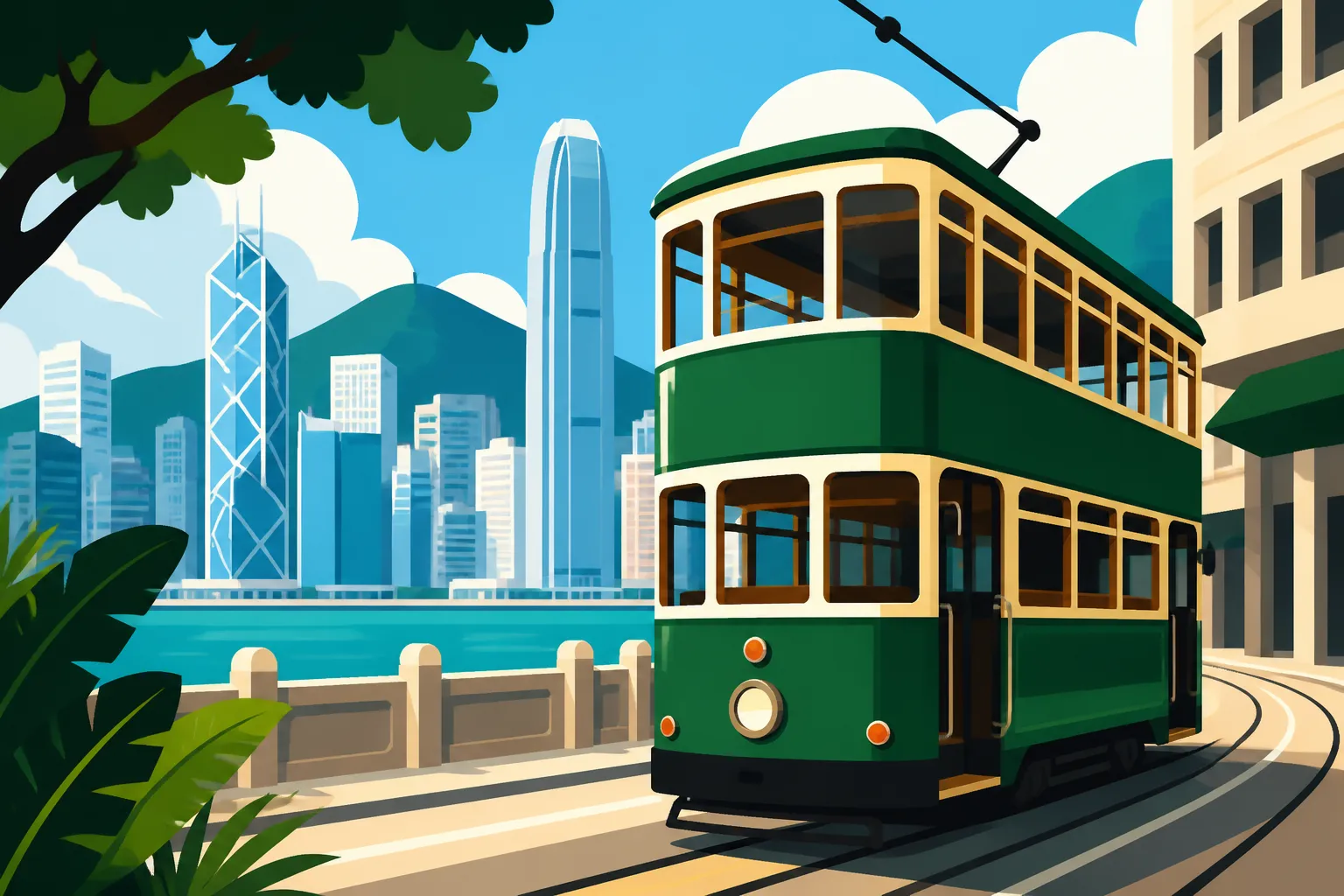
Before we dive into the nitty-gritty of how to ride it, let's establish what we're actually talking about. The "Ding Ding" isn't just a quirky nickname; it’s a loving moniker derived from the double-bell chime the tram drivers use to signal their approach, alert pedestrians, and generally make their presence known. It's an indispensable part of Hong Kong Island's identity.
A Brief, Charming History of Hong Kong's Trams
Imagine Hong Kong over a century ago. The year is 1904, and the Hong Kong Tramways company begins operating its electric tram service along the northern shore of Hong Kong Island. It was a revolutionary mode of transport, a symbol of modernity, and it quickly became an integral part of the city's fabric. Over the decades, while other cities worldwide phased out their tram systems, Hong Kong held onto its beloved "Ding Ding." Why? Because it works. It's efficient, affordable, and incredibly resilient. It survived wars, economic booms, and the relentless march of development, adapting but never truly changing its core essence. Today, it operates one of the world's largest double-decker tram fleets, a testament to its enduring legacy.
The route itself has seen some minor extensions over the years, stretching further east and west, but the fundamental path it carves through the urban landscape remains largely the same. It's a living museum on rails, connecting neighborhoods from Kennedy Town in the west all the way to Shau Kei Wan in the east, with a branch line serving Happy Valley. When you're sitting on the upper deck, looking out at the blend of colonial-era buildings and gleaming skyscrapers, you're not just moving from point A to point B; you're traveling through time, tracing a path that millions of Hong Kongers have taken before you. It’s a wonderfully grounding experience in an otherwise whirlwind city, offering a unique perspective you just can’t get from the underground MTR or a bus.
Why Expats Should Embrace This Iconic Ride
I know, I know. When you first move here, the MTR feels like your lifeline. It's air-conditioned, fast, and impeccably signposted in English. But relying solely on the MTR means you're missing out on so much of the city's character. The "Ding Ding" offers something entirely different. For starters, it’s above ground, providing unparalleled opportunities for people-watching and soaking in the street-level energy. From its elevated upper deck, you get a bird’s-eye view of the city’s vibrant tapestry – the local shops, the bustling wet markets, the daily lives unfolding.
It's also incredibly economical. Seriously, for a city known for its high cost of living, the tram is a welcome relief for your wallet. It's a flat fare regardless of how far you travel, making it one of the cheapest ways to get around Hong Kong Island. If you're new here and looking for budget-friendly ways to explore your surroundings, or even just to commute without breaking the bank, the "Ding Ding" is your friend. Companies like Sirelo, which help with relocation services, often advise new arrivals to embrace local transport methods to get a true feel for their new home, and the tram is definitely at the top of that list. It encourages you to slow down, observe, and truly absorb the city, which is an invaluable experience, especially during your initial adjustment period.
Navigating the Ding Ding: Routes, Fares, and How-To
Getting your head around a new public transport system can be daunting. With the MTR, it’s all very clear with lines and colors. The "Ding Ding" is a bit more linear, but still requires a little understanding to master.
Understanding the East-West Routes and Stops
The Hong Kong Tramways operates along essentially one main artery on Hong Kong Island, running predominantly east and west. There are six main routes, but they all share significant stretches of track. Think of it less as separate lines and more as variations on a theme, all moving in the same general direction.
The primary termini are:
- Kennedy Town (Westbound)
- Shau Kei Wan (Eastbound)
- Whitty Street (Westbound – short route)
- Sai Wan Ho (Eastbound – short route)
- North Point (Eastbound – short route)
And then there's the special Happy Valley Loop, which branches off near Wan Chai. Trams heading to Happy Valley will have a clear sign (and usually a distinct destination board) indicating this.
The beauty of the system is its simplicity: trams generally travel in one of two directions, east or west. If you're standing on the street and want to go west towards Central or Kennedy Town, you look for a westbound tram stop. If you're heading east towards Causeway Bay, North Point, or Shau Kei Wan, you find an eastbound stop. The tram stops are usually quite prominent, marked with a distinctive green and white sign, sometimes with a little shelter. Don't worry too much about which specific number tram you're getting on for long distances, as they all cover the central areas. Just make sure it’s going in your desired general direction. You can check the destination board on the front of the tram to confirm the final stop.
Here's a simplified overview of common routes:
| Route Direction | Major Stops Covered | Common Destinations |
|---|---|---|
| Eastbound | Sheung Wan, Central, Admiralty, Wan Chai, Causeway Bay | North Point, Sai Wan Ho, Shau Kei Wan |
| Westbound | Causeway Bay, Wan Chai, Admiralty, Central, Sheung Wan | Shek Tong Tsui, Kennedy Town, Whitty Street (short) |
| Happy Valley | Wan Chai, Happy Valley Loop, then back to Wan Chai | Happy Valley Racecourse, residential area |
Fares, Payment, and the All-Important Octopus Card
This is where the "Ding Ding" shines for budget-conscious expats: the fare structure is incredibly straightforward. It's a flat rate for any journey, regardless of distance, for adults, children, and seniors. This makes it significantly cheaper than the MTR for anything more than a couple of stops.
Disclaimer
This article is for general informational purposes only and does not constitute professional advice. Laws, prices and regulations vary by location and change over time. Consult a qualified professional for guidance on your specific situation.