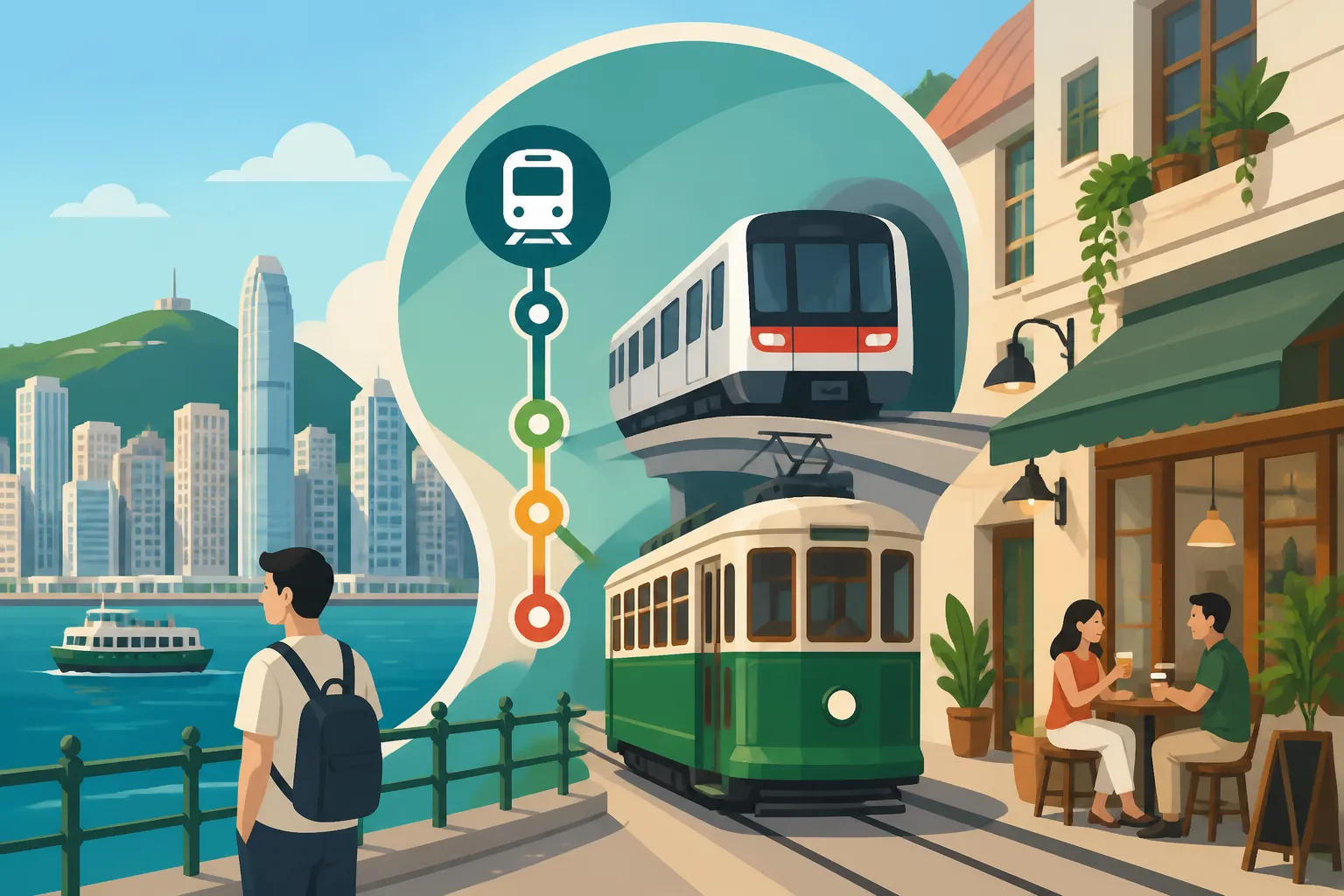
Kennedy Town Living: Transport Links and Vibe
Moving to a new city, especially one as dynamic and sometimes overwhelming as Hong Kong, often means grappling with the colossal decision of where to live. You want convenience, a sense of community, and maybe even a bit of local charm, but often that comes with eye-watering rents or a soul-crushing commute. This guide is for those of you eyeing Kennedy Town – or "K-Town" as we affectionately call it – and wondering if this vibrant, evolving district on the western edge of Hong Kong Island truly offers that elusive balance of accessible transport, a relaxed vibe, and a great expat lifestyle.
The Allure of Kennedy Town: A Neighborhood Evolving
Stepping into Kennedy Town, you might feel a pleasant shift in pace compared to the frenetic energy of Central or Causeway Bay. It's got this unique blend of old-world charm and modern cool, a testament to its recent transformation. For years, K-Town was a bit of a forgotten gem, known more for its traditional wet markets, dried seafood shops, and local eateries. It was authentic, yes, but not necessarily on every expat's radar for living.
From Gritty to Chic: K-Town's Transformation
The game-changer for Kennedy Town was undoubtedly the MTR extension that arrived in 2014. Before that, getting here involved buses, trams, or taxis, which made it feel a world away despite its proximity to the city center. Once that MTR station opened its doors, it was like a quiet, understated neighborhood suddenly got a direct lifeline to the rest of Hong Kong, and boy, did it embrace it.
Now, while it has certainly seen an influx of shiny new residential towers, trendy cafes, and stylish restaurants, K-Town hasn't completely lost its soul. You can still find grandpas playing chess by the promenade, aunties haggling for fresh produce at the market, and the clang of the tram passing by. This delightful juxtaposition is what gives Kennedy Town its unique character. It's a place where you can grab an artisanal coffee and then pop next door to buy some pungent dried scallops. It’s laid-back, community-focused, and generally feels a little less "on" than some of the more intensely commercial districts. It validates that yearning for a bit of authenticity without sacrificing modern comforts.
Who Thrives in Kennedy Town?
So, who is K-Town actually for? I've seen all sorts of people settle in and absolutely love it here. It's particularly popular with:
- Young Professionals and Couples: Those who want easy access to Central for work but prefer a slightly quieter, more residential environment to come home to. The rents, while still Hong Kong rents, can be a smidge more forgiving than say, Mid-Levels, for what you get.
- Families Seeking Space and a Slower Pace: While apartments are still generally compact, K-Town often offers better value for slightly larger units compared to the premium districts. Plus, with its waterfront promenade and several parks, it provides more outdoor breathing room for kids and pets. Many families appreciate the community feel and the fact that it's less touristy.
- Foodies and Social Butterflies: With its explosion of new dining options, from hole-in-the-wall local gems to chic international bistros, there’s always something new to try. The evening scene is more about casual drinks with friends than high-octane clubbing, which suits many expats perfectly.
If you’ve found yourself overwhelmed by the sheer density of places like Mong Kok or the perceived isolation of areas like Discovery Bay, Kennedy Town strikes a really nice balance. It feels connected but offers a distinct neighborhood identity. If you're pondering Where to Live in HK: Neighborhood Guide for Expat Families, K-Town definitely deserves a strong consideration.
Navigating Kennedy Town: Your Transport Guide
One of K-Town’s biggest selling points – and arguably the reason for its resurgence – is its superb connectivity. You might be dreading Hong Kong's infamous commute, but Kennedy Town makes it genuinely manageable.
The MTR: Your Lifeline to the City
The Kennedy Town MTR station, the western terminus of the Island Line, is a true game-changer. It means you’re just a direct train ride away from almost anywhere you need to be on Hong Kong Island, and with easy interchanges, the entire network opens up.
Let's talk specifics. Getting to and from work in the central business district is incredibly efficient:
- Central: A breezy 10-12 minute ride, direct on the Island Line. You can practically finish a podcast episode before you even hit the escalators at Central station.
- Admiralty: About 14-16 minutes.
- Causeway Bay: Approximately 20-22 minutes.
- Sheung Wan: A quick 6-8 minutes.
This direct access takes so much stress out of daily life. For those venturing to Kowloon, it's just a quick interchange at Central or Admiralty to hop on the Tsuen Wan Line or Kwun Tong Line. If you're planning your daily finances, understanding Everyday Budgeting in HK: Cost of Living Benchmarks (2026) will show you that MTR fares are generally very affordable, especially if you use your Octopus Card. Speaking of which, if you're new to the city, make sure you check out The Octopus Card: Hong Kong's Essential Transport & Payment Tool – it's an absolute must-have!
Buses, Trams, and Taxis: Beyond the MTR
While the MTR is fantastic, Kennedy Town offers a robust network of other public transport options for shorter journeys, or just when you fancy a different view.
- Buses: Numerous bus routes serve Kennedy Town, connecting it to other parts of Hong Kong Island and even beyond. For example, route 10 and 101 take you through Central and further into Causeway Bay and Happy Valley, perfect if your destination isn't directly on the MTR line or if you simply prefer surface transport. These can be particularly useful for reaching areas slightly off the MTR track, or when the MTR is packed during peak hours (though K-Town is less prone to the sardine-can effect than, say, Mong Kok).
- Trams (Ding Ding): For a truly iconic Hong Kong experience, hop on a "Ding Ding" tram. The tram line runs right through Kennedy Town along Des Voeux Road West and Connaught Road West. While slower than the MTR, they offer an incredibly charming and cheap way to travel eastwards across Hong Kong Island, from Sheung Wan all the way to Shau Kei Wan. It's an excellent way to soak in the street life and offers fantastic photo opportunities. They are also incredibly convenient for short hops within the Western District itself. Learn more about your options by reading Public Transport in HK: MTR, Trams, Buses, and Ferries.
- Taxis: Taxis are readily available throughout Kennedy Town, especially around the MTR station and main roads. They’re a convenient option for late nights or when you’re laden with groceries. Fares are metered and generally reasonable for short to medium distances on Hong Kong Island. Just be prepared for the typical Hong Kong taxi experience – efficient, sometimes a bit brisk, and mostly cash-based.
Ferry Services: A Hidden Gem for Outings
While Kennedy Town doesn't have a major ferry terminal like Central or North Point, it's incredibly well-situated for accessing the numerous ferry services from nearby piers. Just a short bus or tram ride (or even a walk, depending on where in K-Town you are) eastwards brings you to the Central Piers, where you can catch ferries to the Outlying Islands like Lamma, Cheung Chau, or Peng Chau for a dose of nature and tranquility. These island escapes are a favourite weekend activity for many expats, offering a complete change of scenery from the urban bustle. It’s a fantastic way to explore Hong Kong’s natural beauty without needing a car.
Here's a quick overview of commute times from Kennedy Town MTR:
| Destination | MTR (Island Line) | MTR Travel Time (Approx.) | Notes |
|---|---|---|---|
| Sheung Wan | Direct | 6-8 minutes | Quick hop for work or dining |
| Central | Direct | 10-12 minutes | Core business district, multiple interchange options |
| Admiralty | Direct | 14-16 minutes | Key interchange station, government offices |
| Wan Chai | Direct | 17-19 minutes | Convention Centre, dining, nightlife |
| Causeway Bay | Direct | 20-22 minutes | Major shopping and entertainment hub |
| Quarry Bay | Direct | 28-30 minutes | Eastern District business hub |
| Tsim Sha Tsui (TST) | Change at Central | 20-25 minutes | Via Tsuen Wan Line |
| Mong Kok | Change at Central | 25-30 minutes | Via Tsuen Wan Line |
Kennedy Town's Vibe: Lifestyle and Amenities
Beyond its transport links, K-Town offers a lifestyle that many expats truly appreciate. It's a place where you can comfortably blend into the local fabric while still finding plenty of familiar comforts.
Dining and Nightlife: Casual Eats to Waterfront Views
The culinary scene in Kennedy Town has exploded in recent years, moving far beyond just traditional Cantonese fare. You'll find a delightful mix, catering to all tastes and budgets.
- Local Delights: Don't miss the chance to dive into the countless cha chaan tengs (Hong Kong-style cafes) and local noodle shops. They offer incredibly affordable and authentic meals, from steaming bowls of wonton noodles to crispy pineapple buns. These are the places where the community gathers, and experiencing them is part of truly living in Hong Kong.
- Trendy Cafes and International Cuisine: Alongside the traditional spots, a plethora of modern cafes, Western bistros, and international restaurants have opened up, particularly along Catchick Street and Forbes Street. You can find everything from sourdough bakeries and artisan coffee shops to Italian, French, and Japanese eateries. This means you don't always have to venture to Soho or Central for a good meal out.
- Waterfront Dining and Drinks: One of Kennedy Town's undeniable highlights is its stunning waterfront promenade. Many restaurants and bars have opened up with outdoor seating, offering fantastic views of Victoria Harbour and the distant islands. Imagine enjoying a sundowner with friends, watching the boats go by – it's a truly relaxing way to end the day, and a real differentiator from many other residential areas. The nightlife here is more about cozy pubs and sophisticated wine bars rather than loud clubs, fostering a friendly, local atmosphere.
Green Spaces and Recreation: Escaping the Concrete Jungle
Despite being an urban area, Kennedy Town doesn't lack green spaces or opportunities for outdoor activities, which is a huge plus for anyone living in Hong Kong.
- Kennedy Town Praya and Promenade: The revamped waterfront promenade is a gem. It’s perfect for an evening stroll, a morning jog, or just sitting and watching the sunset. You'll see locals walking their dogs, families playing, and friends enjoying the sea breeze. It offers a much-needed sense of open space.
- Sai Wan Swimming Shed: A hugely popular spot, especially at golden hour, this rustic wooden pier offers incredible photo opportunities and is a testament to K-Town's unique character. While not strictly a "green space," it's a beloved outdoor landmark.
- Parks and Playgrounds: There are several smaller parks and playgrounds tucked away, providing essential breathing room for children and relaxation for adults. Belcher Bay Park is a notable one, offering a good space for kids to run around.
- Access to Nature Trails: K-Town is also a fantastic starting point for accessing hiking trails. You're not far from Lung Fu Shan Country Park, and from there, you can connect to trails leading up to The Peak, offering breathtaking views and a proper escape into nature. If you're into fitness, you'll also find numerous gyms and yoga studios dotted around the neighborhood, catering to the health-conscious crowd.
Shopping and Everyday Conveniences
Living in Kennedy Town means you have everything you need for daily life right on your doorstep. You won't have to trek far for groceries or household items, which is a big relief after a long workday.
- Supermarkets: You'll find both major supermarket chains like Wellcome and ParknShop, offering a good range of local and imported goods. There are also smaller, independent grocery stores and specialty shops catering to expat tastes.
- Wet Markets: For an authentic Hong Kong experience and fresh, affordable produce, meat, and seafood, the local wet markets are indispensable. They can be a sensory overload, but it’s an incredible way to truly engage with local life and get the freshest ingredients.
- Pharmacies and Medical Services: Watsons and Mannings are ubiquitous for over-the-counter medications and toiletries. You'll also find local pharmacies with registered pharmacists. For medical needs, there are numerous local clinics and general practitioners. If you need a more specific doctor, you might consider Finding English-Speaking General Practitioners (GPs) in Central or other expat-friendly clinics nearby. For anything specific like dental work, a quick trip to Central for a private clinic might be on the cards, and you can get an idea of costs from Dental Scaling, Polishing, and Orthodontics: Average HK Costs.
- Other Services: From banks and laundromats to pet supply stores and florists, K-Town is well-equipped for all your daily needs. You won’t feel isolated or lacking in services here.
Practicalities of Living in Kennedy Town
Now for the nitty-gritty: what's it really like to make Kennedy Town your home?
Housing Options and Rental Market
Hong Kong's rental market is notorious, and Kennedy Town is no exception to high prices. However, compared to its eastern neighbors like Mid-Levels or Soho, you might find a little more value for money, especially if you’re willing to live in an older building or a slightly smaller unit.
- Building Types: K-Town offers a mix. You'll see charming, older walk-up buildings, some of which have been beautifully renovated, offering a unique character. Then there are the sleek, modern high-rises with facilities like gyms and swimming pools, often with sea views. The newer developments, especially those closer to the MTR, will naturally command higher rents.
- Apartment Sizes: Expect compact living, as is typical for Hong Kong. However, compared to what you’d get for the same price further east, K-Town can sometimes offer slightly larger living spaces, or at least a more efficient layout.
- Rent Ranges: While it's hard to give exact figures that won't change next week, expect a one-bedroom in a decent modern high-rise to be anywhere from HKD 18,000-25,000+, depending on size, view, and building age. Older walk-ups might offer slightly cheaper options.
- Getting Started: When you first arrive in Hong Kong, finding a long-term rental can be a challenge. Companies like Blueground and Habyt offer fully furnished, flexible-term serviced apartments, which can be an excellent option for your initial stay in Kennedy Town. They give you a comfortable base while you get your bearings, set up utilities, and explore the long-term rental market. Similarly, if you're planning your move, services like Sirelo can help you compare moving companies to get your belongings to Hong Kong stress-free. Remember to be mindful of things like Dealing with Humidity and Mold in Your Apartment when choosing a flat, as it’s a constant battle in Hong Kong. And, of course, read up on Renting in Hong Kong: Apartments, Leases, and Tenant Rights before signing anything!
Schools and Family Resources
For families, access to education and child-friendly resources is paramount. While Kennedy Town doesn't host a large number of international schools directly within the neighborhood, its excellent transport links make it a viable option for those attending schools elsewhere on Hong Kong Island.
- International School Access: Many international schools are easily reachable by MTR or school bus routes. For example, schools in Pok Fu Lam, Mid-Levels, or even further east in Tai Koo Shing are just a short commute away. This connectivity is why many families choose K-Town, even if their kids' school isn't on their doorstep.
- Local Schools and Kindergartens: There are also local schools and kindergartens in the area, offering a more immersive cultural experience, though language can be a barrier for non-Cantonese speaking children.
- Healthcare for Children: For younger children, the Maternal and Child Health Centres (MCHC) offer government-subsidized health services and vaccinations, which are generally of good quality. Additionally, there are private pediatricians in the area and easily accessible from Kennedy Town. For a general overview of the health system, check out Healthcare in Hong Kong: Public vs Private Systems Explained (2027).
Community and Expat Integration
One of the most appealing aspects of Kennedy Town, particularly for expats, is its burgeoning sense of community. Because it's a bit removed from the purely transient nature of Central, people tend to settle in, leading to a more stable and friendly atmosphere.
- Expat Groups: You'll find various informal expat groups forming around common interests, from hiking to playdates for kids. Local Facebook groups for Kennedy Town residents are also great for connecting, asking for recommendations, and staying updated on neighborhood happenings.
- Local Interaction: Unlike some expat bubbles, Kennedy Town encourages interaction with locals. Whether it’s your morning coffee shop barista, the lady at the wet market, or your building's security guard, there are plenty of opportunities for small, friendly exchanges. It’s a wonderful way to feel truly part of Hong Kong, not just observing it.
- Events and Activities: Keep an eye out for local community events, often organized by resident groups or businesses. These are fantastic ways to meet people and immerse yourself in the K-Town vibe.
Kennedy Town is a fantastic choice for expats seeking a genuine Hong Kong living experience without sacrificing modern comforts and excellent connectivity. Its unique blend of old and new, relaxed pace, and vibrant community make it a truly special place to call home.
Disclaimer
Please remember that all information provided in this guide is for general informational purposes only and is subject to change. While we strive to provide accurate and up-to-date content, Hong Kong's regulations, costs, and market conditions can evolve rapidly. We recommend verifying specific details, such as visa requirements, rental prices, or government policies, with official sources or relevant professionals before making any decisions. This guide does not constitute professional advice.