Setting Up Water Bills with the Water Supplies Department (WSD)
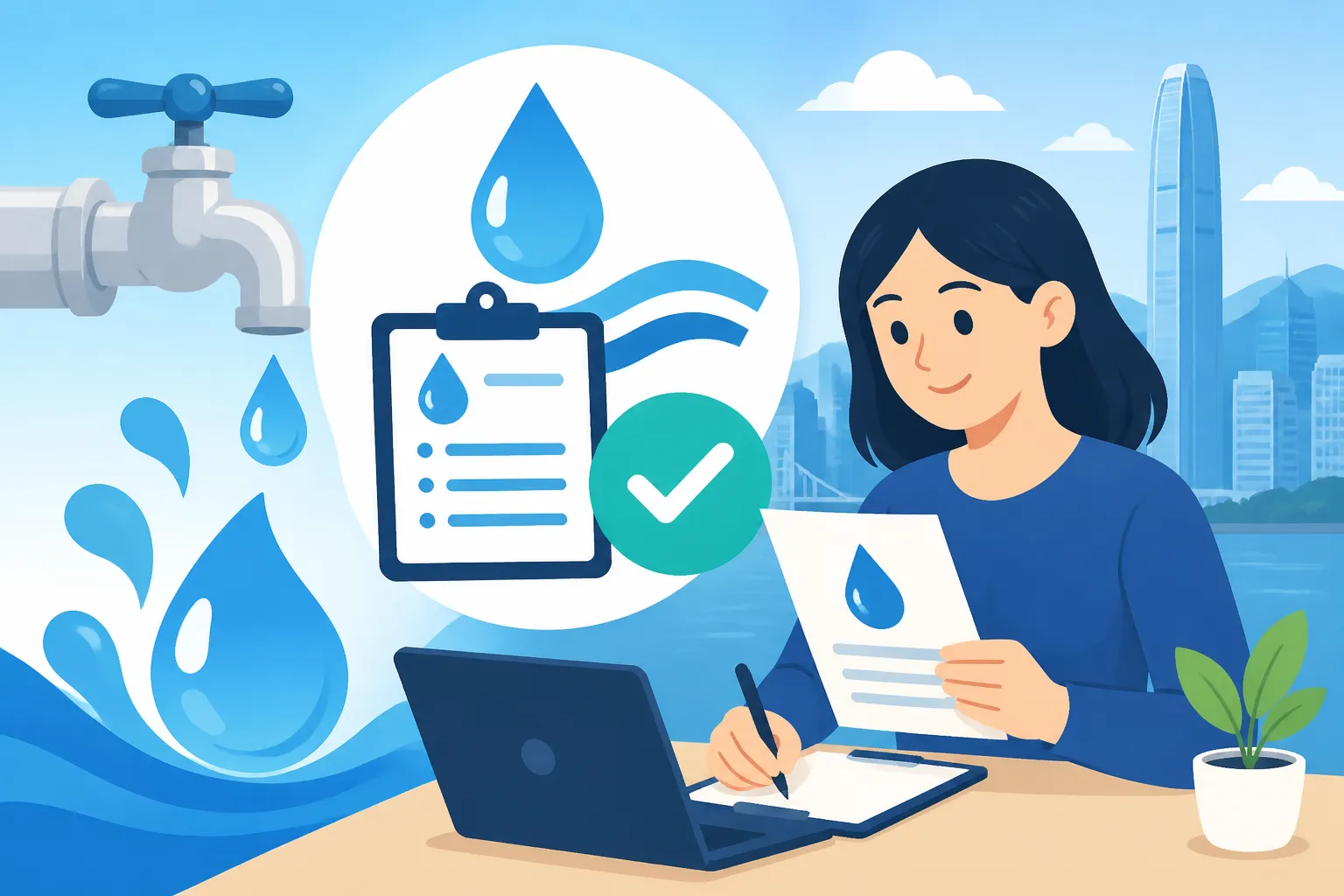
Moving into a new apartment in Hong Kong is an exhilarating milestone, but the administrative hurdle of setting up utilities can quickly dampen the excitement. Navigating the Water Supplies Department (WSD) requirements often feels like a maze of bureaucratic forms and technical jargon. This guide provides a clear, step-by-step roadmap to setting up your water account, ensuring you have one less thing to worry about.
The Initial Steps: Taking Over a Tenancy or Starting Fresh
When you first sign a lease for a long-term flat, the responsibility for the water supply usually shifts from the landlord (or the previous tenant) to you. Unlike some countries where utilities are bundled, in Hong Kong, you must proactively apply to become the "registered consumer" for your specific unit. If you are using a professional relocation service like Sirelo to move your life across continents, they can often provide advice on these local nuances, but the legal signature on the WSD forms must come from you as the resident.
Understanding the Transfer of Consumer Status
In most Renting in Hong Kong: Apartments, Leases, and Tenant Rights scenarios, there is already an existing water meter and supply at the property. Your task is not to "install" water, but to change the name on the account. This is technically known as an application for the "Change of Consumer Ship." It is vital to do this within the first few days of moving in. If the previous tenant has already submitted a termination notice and you haven't applied to take over, the WSD may actually come and disconnect the meter, which leads to a much more expensive and time-consuming reconnection process.
Before you sign anything, always check with your estate agent or landlord to see if there are any outstanding water charges. While the WSD generally holds the previous registered consumer liable for old debts, a disconnected meter because of a previous tenant's non-payment is a headache you want to avoid during your first week. If you are staying in managed accommodation through providers like Blueground or Habyt, these administrative tasks are typically handled for you, as they specialize in hassle-free expat living. However, for a traditional private lease, you are the captain of this ship.
Required Documentation for the WSD
To ensure a smooth application, you need to have your paperwork in order. The WSD is strict about documentation, and missing a single item can result in your application being bounced back. You will need a copy of your Hong Kong Identity Card (HKID) or, if you haven't received it yet, your passport. If you are still waiting on your ID, refer to our guide on Hong Kong Identity Cards (HKID): Registration and Smart IDs to understand the timeline for receiving your official documentation.
In addition to your identification, you will need a copy of your signed tenancy agreement. The WSD uses this to verify that you are the legal occupant of the premises. You should also take a photo of the current water meter reading on the day you take possession of the keys. While the WSD will do their own calculation based on the date of your application, having a timestamped photo of the meter ensures you aren't paying for the previous tenant's long showers or a leaky toilet that existed before you arrived. This is a crucial part of the Essential Health Checklist for Your First 30 Days in Hong Kong.
Navigating the Application Process: Online vs. Paper Forms
The Water Supplies Department has made significant strides in digitalization, but the process still requires a bit of patience. You have three main ways to apply: through the "WSD Mobile App," via the "Electronic Portal" on their website, or by mailing a physical Form WWO 1. For most expats, the online route is the most efficient, provided you have a digital copy of your tenancy agreement ready to upload.
Filing the WSD Form WWO 1
The Form WWO 1 is the "Application for Change of Consumer." If you choose the paper route, you can pick this up at any Post Office or WSD Customer Service Centre. However, most people now prefer the online "e-Application." When filling out the form, you will be asked for the "Meter Number" or the "Account Number" of the previous tenant. You can find these on a previous bill or by looking at the physical meter itself, which is usually located in a cupboard in the common hallway of your apartment floor.
One quirk of Hong Kong plumbing is the distinction between fresh water and salt water. In many districts, salt water is used for flushing toilets to conserve fresh water. Usually, when you apply for a fresh water account, the salt water account is updated simultaneously if it is part of the same meter system, but it is always worth double-checking the "Service Type" listed on your application. If you find yourself confused by the technical terms, looking into How to Read Water Meters and Understand the Billing Cycle can provide much-needed clarity on what those spinning dials actually mean.
Setting Up Digital Billing and the WSD App
Once your application is processed—which usually takes about seven working days—you will receive a "Welcome Letter" and your first deposit demand note. This is the perfect time to register for the "e-Bill" service. Not only is it better for the environment, but it also ensures you don't miss a bill because it got lost in the tiny mailboxes common in Hong Kong apartment lobbies.
The WSD app is relatively functional and allows you to track your consumption. This is particularly helpful during the humid summer months when water usage tends to spike. If you are splitting a flat with roommates, the app makes it easy to show everyone the exact usage to divide the costs fairly. For those who are still in the process of setting up their entire home, remember that Setting Up Utilities: Electricity, Water, Gas, and Broadband in HK involves similar digital portals for the power and gas companies, so keeping a folder of all your account numbers is a veteran expat move.
Understanding Deposits, Billing Cycles, and Payments
Financial management in a new city can be tricky, especially with different billing intervals. The WSD typically operates on a four-month billing cycle for domestic consumers. This means you won't get a bill every month, which can lead to a nasty surprise if you haven't budgeted for four months of water usage at once.
The Water Deposit and How to Pay It
Every new consumer must pay a water deposit. For a standard residential flat, this is usually HK$400. This deposit is held by the WSD for as long as you are the registered consumer and is refundable (minus any outstanding charges) when you eventually move out and terminate the account. This is a standard procedure, similar to the deposits required for Setting Up HK Electric or CLP Power: Deposits and Tariffs.
You will receive a separate demand note for this deposit shortly after your account is opened. You must pay this by the deadline, or the WSD reserves the right to cut off your supply. If you are using a service like Sirelo for a full-service relocation, you might be used to having things handled for you, but this deposit is a personal liability that you must settle directly.
| Payment Method | Description | Processing Time |
|---|---|---|
| FPS (Faster Payment System) | Scan the QR code on the bill using your banking app. | Immediate |
| Autopay | Set up via your bank for automatic deduction. | 2-4 weeks to activate |
| 7-Eleven / Circle K | Bring the physical bill to any convenience store and pay in cash. | 1-2 working days |
| PPS | Online or phone payment service widely used in HK. | 1 working day |
| Post Office | Pay in person at any branch across the territory. | 1-2 working days |
Reading Your Water Bill and Billing Intervals
When your first bill arrives, it will look quite different from utility bills in Europe or North America. Hong Kong uses a "tiered" pricing structure to encourage water conservation. The first 12 cubic meters of water you use in a four-month period are actually free. After that, the price per cubic meter increases as you move into higher tiers.
This tiered system is why your bill might seem very low one quarter and then jump significantly if you have guests staying or if you are doing more laundry than usual. For a typical expat couple, a water bill rarely exceeds a few hundred Hong Kong dollars every four months, making it one of the most affordable utilities in the city. If you are living in a larger home in areas like Sai Kung or Discovery Bay, your usage might be higher, so keep an eye on those tiers. If you are staying in a flexible living space provided by Habyt or Blueground, these costs are often bundled into your monthly rent, which can simplify your Everyday Budgeting in HK: Cost of Living Benchmarks (2026) significantly.
Troubleshooting and Practical Expat Tips
Sometimes, things don't go according to plan. Whether it's a bill that seems impossibly high or a move-out process that needs to happen in a hurry, knowing how to handle these situations will save you hours of frustration.
Dealing with High Bills and Leakages
If you receive a bill that is suddenly four or five times higher than your average, the first thing to check is for a leakage. Hong Kong's high humidity and aging infrastructure can sometimes lead to pipe issues. A common culprit is the toilet cistern; because many buildings use salt water for flushing, the salt can corrode the internal valves over time, leading to a "silent leak" where water constantly runs into the bowl.
To check for a leak, turn off all taps and appliances that use water, then go to your meter in the hallway. If the dial is still turning, you have a leak. You are responsible for all pipes "inside" the property line, so you will need to hire a private plumber. If the leak was hidden (like a pipe behind a wall), you can sometimes apply to the WSD for a "one-off" bill adjustment if you can prove the leak was repaired by a licensed plumber. This is part of the learning curve of Everyday Etiquette and Safety in Hong Kong: A Survival Guide.
Terminating Your Account When Moving Out
When your time in your current flat comes to an end, you must formally terminate your consumer status. Do not simply walk away and assume the next person will take over. If they don't, you will remain legally liable for all water used in that flat until someone else registers.
You should submit the "Termination of Consumer Ship" (Form WWO 1) at least 14 days before you move out. You can specify the exact date you want the final reading to be taken. The WSD will then issue a "Final Bill." Your initial HK$400 deposit will be used to offset this final bill. If there is a surplus, they will mail a check to your new address or transfer it to your bank account. If you are Leaving Hong Kong Financially Prepared: Taxes, Banks, and MPF, ensuring your utility deposits are refunded is a final, satisfying step in closing your Hong Kong chapter. For those transitioning into a different neighborhood, make sure to check out our Where to Live in HK: Neighborhood Guide for Expat Families to start the process all over again with confidence.
Disclaimer
The information provided in this guide is for general informational purposes only and does not constitute legal or professional advice. While we strive to keep the information up-to-date and correct, policies of the Water Supplies Department (WSD) may change without notice. Always verify requirements directly with the official WSD website or a licensed professional before making financial or legal commitments regarding your utilities.