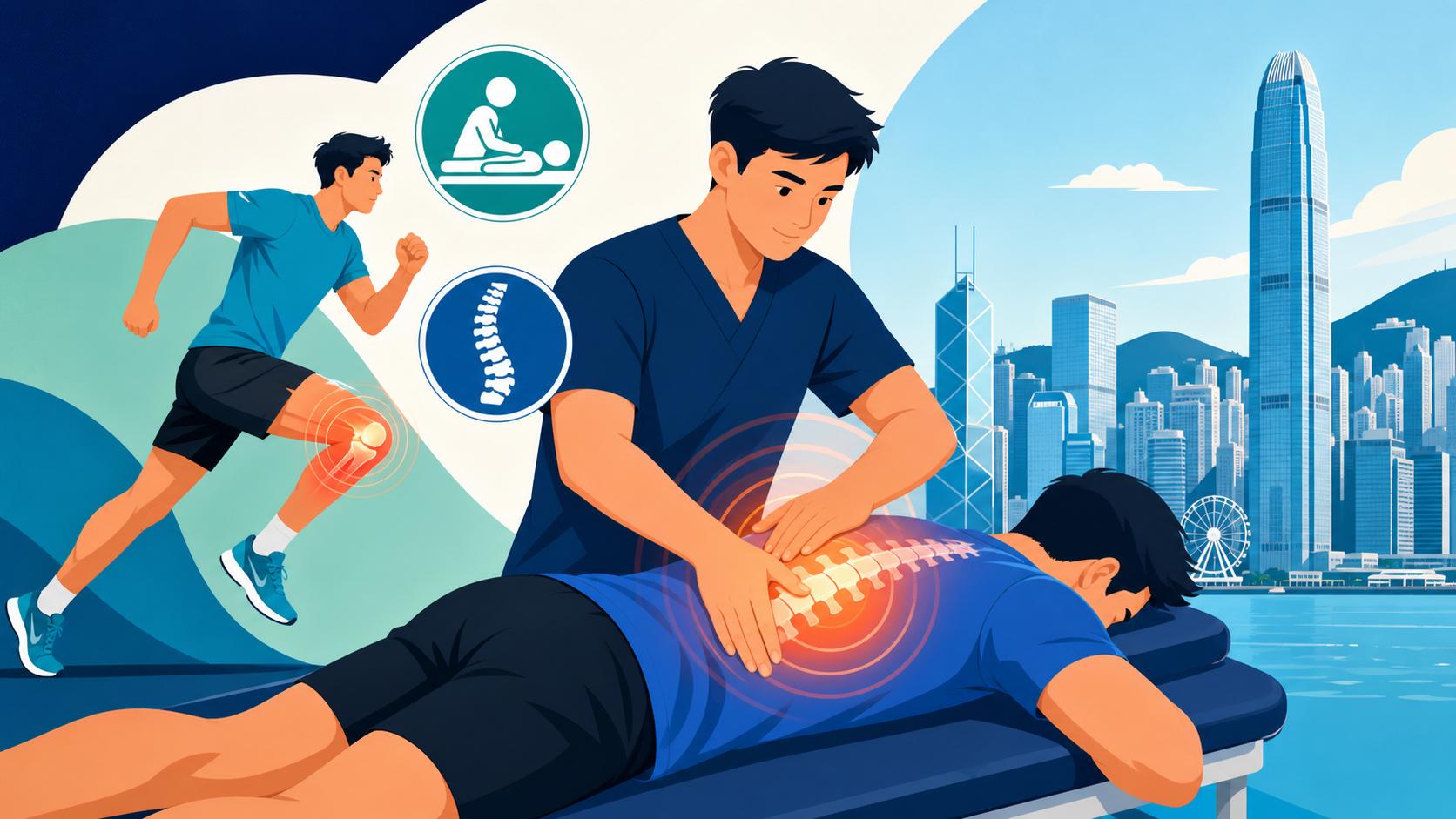
Physiotherapy and Chiropractic Care for Sports Injuries in HK
Whether you have just spent a grueling morning running the trails of Dragon’s Back or you have tweaked your lower back during a social touch rugby match at Happy Valley, dealing with a physical setback in this fast-paced city is incredibly draining. I remember my first year here, stubbornly ignoring a persistent hip clicking until I could barely manage the stairs at the Central MTR station. This guide will walk you through the nuances of accessing physiotherapy and chiropractic care in Hong Kong so you can get back to your active life without the administrative headache.
The Landscape of Sports Medicine in Hong Kong
The first thing you realize as an expat in Hong Kong is that the health system is split into two very different worlds. On one side, you have the highly efficient but severely overburdened public sector, and on the other, a world-class private network that caters specifically to those who need immediate results. When it comes to sports injuries, the path you choose will define your recovery timeline.
Public versus Private Care for Injuries
If you decide to go the public route through the Hospital Authority, be prepared for a test of patience. While the quality of clinicians is generally high, sports-related injuries that are not life-threatening often fall to the bottom of the priority list. You might find yourself waiting months for an initial assessment unless you are coming straight from a major trauma. For most of us who just want to get back to the gym or the hiking trail, this is rarely a viable option. Understanding Healthcare in Hong Kong: Public vs Private Systems Explained (2027) is essential before you make a decision, as the costs and waiting times vary drastically between the two.
In the public system, you are an "Eligible Person" if you hold a valid HKID, but even then, the specialized sports clinics are often reserved for elite athletes or those with severe functional impairments. If your goal is "performance" rather than just "basic walking," the public system may not offer the targeted rehabilitation you are looking for.
Why Expats Usually Choose Private Clinics
The private sector in Hong Kong is where you will find the most specialized Sports Medicine Clinics for Hiking and Rugby Injuries in HK. These clinics are often staffed by expatriate or internationally trained local practitioners who understand the specific needs of an active lifestyle. Most private clinics offer same-day or next-day appointments, which is a godsend when you are in acute pain.
The level of equipment in private facilities—ranging from high-end Pilates reformers to AlterG anti-gravity treadmills—is significantly better than what you will find in most public wards. Furthermore, English is the primary language in these clinics, ensuring that nothing gets lost in translation when you are describing a complex nerve pain or a mechanical clicking in your joint.
Physiotherapy in Hong Kong What to Expect
Physiotherapy is often the first port of call for anyone dealing with a muscle tear, ligament strain, or post-operative recovery. In Hong Kong, "physios" are highly regulated professionals who focus on movement science and functional rehabilitation.
Common Treatment Modalities
When you walk into a clinic in Central or Tsim Sha Tsui, your initial session will usually involve a deep dive into your injury history. I’ve found that HK physios are particularly keen on gait analysis—watching how you move in this vertical city is a big part of their diagnosis. Treatments often include manual therapy, where the therapist uses their hands to mobilize joints and soft tissues.
Beyond manual work, many clinics now offer dry needling, which is effectively a Western medical version of acupuncture used to release "trigger points" in the muscles. It can be intense, especially the first time, but for chronic shoulder tension caused by long hours at a desk in IFC or ICC, it is incredibly effective. You might also encounter shockwave therapy, which uses acoustic pulses to stimulate healing in stubborn tendons like the Achilles or the plantar fascia.
Finding an English-Speaking Physiotherapist
Language barriers can be a major stressor when you are already dealing with physical pain. Fortunately, the vast majority of private physiotherapists in major districts like Central, Causeway Bay, and Discovery Bay speak fluent English. Many have practiced in the UK, Australia, or Canada before returning to Hong Kong.
When searching for a practitioner, look for those who are registered with the Physiotherapists Board of Hong Kong. It is also worth checking if they have a specific interest in your sport. For instance, some clinics specialize in "running mechanics" for the marathon crowd, while others are geared toward "ergonomics" for those suffering from what we locally call "tech neck"—that specific cervical strain from looking at your phone during a long MTR commute. If you are also dealing with other health issues, you might find that Managing Chronic Conditions: Diabetes and Hypertension in HK requires a more integrated approach to physical activity.
Chiropractic Care Adjusting to Life in the City
Chiropractic care is widely available in Hong Kong and is a popular choice for those dealing with spinal alignment issues or nerve-related pain like sciatica. While physiotherapists focus on movement and muscles, chiropractors typically focus on the relationship between the spine and the nervous system.
The Philosophy of HK Chiropractors
In Hong Kong, chiropractic care is recognized as a primary healthcare profession. This means you do not necessarily need a referral from a GP to see one, although your insurance might require it. The local philosophy often leans toward "maintenance" care. You will find that many expats visit their chiropractor once a month just to "realign" after the stresses of city living.
The core of the treatment is the spinal adjustment or manipulation. It can be a bit startling to hear those "cracks" and "pops," but for many of us who have spent years hunched over laptops in cramped Hong Kong apartments, the relief is almost instantaneous. Chiropractors here often use X-rays or even MRI scans to get a clear picture of your spinal health before they begin any significant adjustments.
Costs and Consultation Procedures
Chiropractic sessions in the private sector are typically shorter than physiotherapy sessions, often lasting 15 to 20 minutes after the initial consultation. Because of this, the per-session cost might seem lower, but you may be advised to come in more frequently in the beginning—sometimes two or three times a week for an acute injury.
| Feature | Physiotherapy | Chiropractic |
|---|---|---|
| Primary Focus | Soft tissue, movement, rehab | Spinal alignment, nervous system |
| Session Length | 45 – 60 minutes | 15 – 30 minutes |
| Common Methods | Exercise, dry needling, manual | Spinal manipulation, decompression |
| Referral Needed? | Often for insurance | Usually not for initial visit |
| Best For | Sports injuries, post-surgery | Chronic back pain, neck issues |
Before you commit to a long-term package, always ask about the total cost. Some clinics in high-rent areas like Mid-Levels can be quite expensive, and it is helpful to know if they offer "block booking" discounts. If you are worried about the financial side, checking Private Hospitals in Hong Kong: Admission, Costs, and Insurance can give you a better sense of the broader medical pricing landscape.
Navigating Insurance and Referrals
One of the biggest hurdles I faced when I first moved here was the paperwork. The medical system is efficient, but the insurance companies have very specific rules about how you access specialized care.
Direct Access versus GP Referrals
In Hong Kong, you can technically walk into most physiotherapy or chiropractic clinics without a note from a doctor. However—and this is a big "however"—most insurance providers will not reimburse you unless you have a referral letter from a General Practitioner (GP). This letter essentially states that the treatment is "medically necessary."
I always recommend visiting a GP first to get that piece of paper. It usually lasts for 6 to 12 months or a specific number of sessions. If you are unsure who to see, Finding English-Speaking General Practitioners (GPs) in Central is a good starting point. Having this referral in hand makes the claims process much smoother, especially when dealing with high-end providers. You should also clarify Do I Need a GP Referral to See a Private Specialist in HK? with your specific policy holder to avoid out-of-pocket surprises.
Using Cigna Global and SafetyWing for Treatments
For many expats, international insurance plans like Cigna Global or SafetyWing are the primary way to manage these costs. Cigna Global often provides comprehensive outpatient benefits that cover physiotherapy and chiropractic care, sometimes even including direct billing at larger multi-specialty clinics. This means you don't have to pay upfront and wait weeks for a check; the clinic handles it with the insurer directly.
SafetyWing is also a popular choice, particularly for younger professionals or digital nomads who might be on a more flexible budget. While it is primarily designed for catastrophic or emergency care, some of its plans offer add-ons for outpatient physical therapy. When using these brands, always check your "co-pay" or "deductible." In Hong Kong, it is common to have a 20% co-pay for outpatient services, so keep your receipts. If you are looking for long-term security, Private Health Insurance Plans Beyond VHIS for Expat Families might offer the broader coverage you need for sports-related mishaps.
Specialized Sports Injury Recovery
Recovery in a place like Hong Kong often requires more than just a few sessions of "wait and see." The culture here is about optimization and getting back to work and play as quickly as possible.
Post Surgery Rehabilitation
If your injury was severe enough to require surgery—such as an ACL reconstruction or a rotator cuff repair—your rehabilitation will be much more intensive. You will likely be seeing a physiotherapist two or three times a week for several months. In these cases, the coordination between your orthopedic surgeon and your physical therapist is crucial.
Most private surgeons have "preferred" therapists they work with. While you are free to choose your own, there is a distinct advantage to using a therapist who knows exactly how that specific surgeon likes to manage the post-op protocol. If you find yourself in this situation, knowing the Accident and Emergency (A&E) Triage Categories in Public Hospitals might be less relevant than knowing how to navigate the Navigating the Private Specialist Network: Direct Access vs Referrals to find the best surgeon-therapist duo.
TCM and Western Medicine Integration
Hong Kong is one of the few places in the world where Western sports medicine and Traditional Chinese Medicine (TCM) live side-by-side in harmony. It is not uncommon for an expat to see a Western physiotherapist for their knee stability and then visit a TCM practitioner for acupuncture to manage inflammation.
Many find that TCM Acupuncture and Cupping: Integration with Western Medicine provides a "holistic" edge to their recovery. Cupping, which leaves those distinctive circular bruises, is surprisingly popular among the rugby and CrossFit communities here for its supposed ability to improve blood flow to damaged tissues. Just be sure to tell both your "Western" and "Eastern" practitioners what the other is doing to ensure a cohesive treatment plan.
Practical Tips for Choosing a Practitioner
With so many clinics in the Yellow Pages (or more likely, on Google Maps), how do you actually choose the right one? Here are a few "boots-on-the-ground" tips from someone who has been through the cycle of injury and recovery more times than I’d like to admit.
Checking Registrations and Credentials
The first step is always checking that your therapist is registered. The Hong Kong government maintains a public register of both physiotherapists and chiropractors. If a clinic seems "off" or the prices are too good to be true, check the registry.
Also, look for postgraduate certifications. A therapist with a "Masters in Sports Physiotherapy" or a "CSCS" (Certified Strength and Conditioning Specialist) credential is more likely to understand the mechanics of a tennis serve or a golf swing than a generalist. If you are injured on the job, you will also need to ensure your therapist can provide the documentation required for How to Get a Valid Sick Leave Certificate for Your HK Employer.
Location and Convenience Factors
In Hong Kong, convenience is king. If your clinic is a 45-minute trek away, you are going to skip your sessions when the humidity is at 95% or when work gets busy. Try to find a clinic that is either:
- Within walking distance of your office in Central, Admiralty, or Quarry Bay.
- Near your home if you are based in a residential hub like DB or Sai Kung.
Many clinics offer early morning sessions (starting at 7:30 AM) or late evening slots (up to 8:00 PM) to accommodate the infamous Hong Kong work culture. Always ask about their cancellation policy; in this city, a 24-hour notice rule is strictly enforced, and you will likely be charged the full session fee if a last-minute meeting keeps you from your appointment.
Finally, don't be afraid to "shop around" for a therapist whose personality matches yours. Some are very "drill sergeant" and will give you a mountain of homework, while others focus more on manual relaxation. Finding the right fit is the most important factor in staying committed to your rehab and getting back to the life you moved to Hong Kong for.
Disclaimer
The information provided in this article is for informational purposes only and does not constitute professional medical advice, diagnosis, or treatment. Always seek the advice of a qualified healthcare provider with any questions you may have regarding a medical condition. Never disregard professional medical advice or delay in seeking it because of something you have read on this website. The mention of specific brands like Cigna Global or SafetyWing does not imply endorsement; always review policy terms directly with the insurer.