TCM Acupuncture and Cupping: Integration with Western Medicine
Navigating the Hong Kong medical scene can feel like a high-stakes balancing act between two worlds that seemingly never meet. When I first arrived, I was completely overwhelmed by the choice between high-tech Western clinics and the aromatic, herb-filled TCM shops on every corner. This guide bridges that gap, explaining how you can safely integrate acupuncture and cupping into your modern healthcare routine while living in the 852.
Understanding Traditional Chinese Medicine in the Hong Kong Context
In many Western countries, Traditional Chinese Medicine (TCM) is relegated to the "alternative" category, often viewed with a healthy dose of skepticism or seen merely as a spa luxury. In Hong Kong, however, TCM is a foundational pillar of the healthcare system. It is not "alternative" here; it is "complementary" and deeply mainstream. You will see businessmen in Central heading for a quick acupuncture session during their lunch break and elderly residents queuing at public clinics for their herbal prescriptions. This cultural integration means that the standards of practice are exceptionally high, and the practitioners are often university-educated professionals who understand both the ancient texts and modern biology.
The Philosophy of Qi and Balance
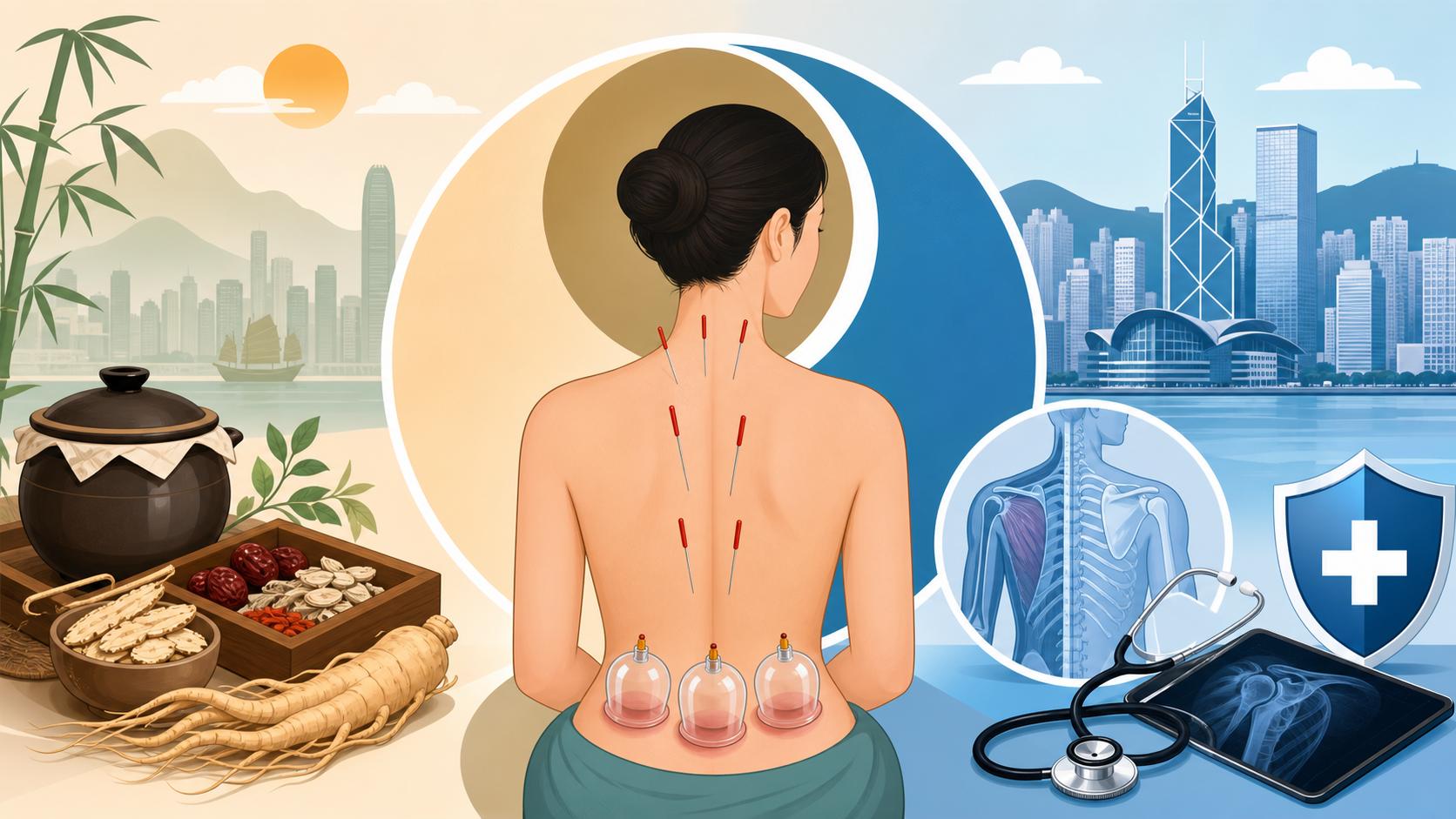
To understand why your local colleagues might suggest acupuncture for a headache instead of a paracetamol, you have to understand the concept of "Qi" (pronounced chee). In the TCM worldview, health is the result of a harmonious balance of internal forces—Yin and Yang—and the smooth flow of Qi, or vital energy, through pathways called meridians. When I first heard a practitioner tell me my "Qi was stagnant" because of the humidity in Mid-Levels, I laughed. But after six months of struggling with lethargy that no Western blood test could explain, I began to see the logic. TCM doesn't just look at the symptom; it looks at the environment, your diet, and your emotional state as a single, interconnected web.
Living in a high-pressure environment like Hong Kong, our bodies are constantly bombarded by external stressors—extreme humidity, air conditioning that feels like a walk-in freezer, and the relentless pace of city life. These factors are believed to cause blockages in our meridians. Acupuncture and cupping are the tools used to "unblock" these channels, restoring balance before a minor imbalance turns into a chronic illness. It’s a proactive approach to health that many expats find refreshing once they move past the initial culture shock of seeing jars of dried roots and seahorses in the pharmacy windows.
Regulation and Professional Standards in HK
One of the biggest hurdles for foreigners is the fear of "cowboy" practitioners. I certainly had visions of being poked with rusty needles in a back alley when I first considered it. Fortunately, Hong Kong has one of the strictest regulatory frameworks for TCM in the world. The Chinese Medicine Council of Hong Kong oversees the registration of all practitioners. To be a Registered Chinese Medicine Practitioner, one must typically complete a five or six-year full-time degree followed by a rigorous licensing exam. This ensures that when you walk into a clinic in Wan Chai or Central, you are dealing with someone who has a deep academic and clinical background.
There are also "Listed" practitioners who may have practiced for years before the current regulations were fully enacted, but for most expats, seeking out a "Registered" practitioner provides that extra layer of security. Most of these professionals speak at least some English, especially in areas like Central, Tsim Sha Tsui, or near the major hospitals. If you are ever unsure, you can check the official register online or look for the registration certificate prominently displayed in their clinic. This level of professionalism is why many international insurers, including providers like Cigna Global, often include TCM benefits in their premium Hong Kong plans.
Acupuncture and Cupping More Than Just Wellness Trends
If you’ve spent any time at a public pool in Hong Kong, you’ve likely seen people with perfectly circular purple bruises on their backs. That was my first introduction to cupping. At first, it looks like the aftermath of a particularly aggressive octopus encounter, but in reality, it’s one of the most effective ways to deal with the muscular tension that comes from hunching over a laptop in a tiny Hong Kong office. Acupuncture and cupping are the "dynamic duo" of TCM, often used together to treat everything from sports injuries to chronic insomnia.
How Acupuncture Works for Pain and Stress
Acupuncture involves the insertion of hair-thin, sterile, single-use needles into specific points on the body. The goal is to stimulate the nervous system and encourage the body’s natural healing response. From a Western perspective, this is often explained as the release of endorphins and the modulation of pain signals. From a TCM perspective, it’s about rerouting the flow of Qi. When I finally tried it for a recurring shoulder injury, the sensation wasn't painful—it was a strange, heavy "de-qi" sensation, like a dull ache or a mild electric pulse.
In Hong Kong, acupuncture is frequently used alongside Physiotherapy and Chiropractic Care for Sports Injuries in HK to speed up recovery times. Many expats find that while physiotherapy helps with the structural alignment, acupuncture is what finally calms the underlying inflammation and nerve sensitivity. It is also an incredible tool for managing the "Hong Kong Burnout." The city's "work hard, play hard" culture takes a massive toll on the adrenal system, and regular acupuncture sessions can help regulate the sympathetic nervous system, essentially "teaching" your body how to relax again after a 12-hour workday.
The Benefits of Cupping and Scraping Gua Sha
Cupping, or "ba guan," uses glass or plastic jars to create a vacuum on the skin’s surface. This suction pulls the skin and superficial muscle layer upward, which is believed to stimulate blood flow, help the lymphatic system, and "draw out" toxins or dampness from the body. In the humid Hong Kong summer, practitioners often talk about "expelling dampness." While that might sound like something you'd do to a basement, in TCM terms, "dampness" manifests as heavy limbs, digestive issues, and skin breakouts. Cupping is the primary tool for clearing this out.
Then there is Gua Sha, or scraping. This involves using a smooth-edged tool (often made of jade or water buffalo horn) to stroke the skin until redness appears. It looks intense, but for someone suffering from a brewing cold or a stiff neck from a T8 typhoon’s pressure change, it can provide almost instant relief. Many families in Hong Kong use these techniques as "first aid" at home, but for expats, it’s best to visit a professional clinic first to understand how your body reacts. If you are an active traveler using a plan from SafetyWing, you might find that while basic travel insurance covers emergencies, having a local policy that includes these "wellness" TCM treatments is a game-changer for long-term maintenance.
Navigating the Integration TCM Meets Western Medicine
One of the most unique aspects of the Healthcare in Hong Kong: Public vs Private Systems Explained (2027) is how the two systems are starting to talk to each other. We are moving away from the era where you had to hide your herbal tea from your Western GP. Today, many of the city’s leading medical institutions recognize that a patient might be seeing a cardiologist for their blood pressure while simultaneously seeing a TCM practitioner for their stress and digestion.
Shared Care Models in Hong Kong Hospitals
The Hospital Authority has been proactive in integrating TCM into the public sector. There are now 18 Chinese Medicine Clinics cum Training and Research Centres across the city, one in every district. These clinics often collaborate with the major public hospitals. For instance, if you are recovering from a stroke or undergoing cancer treatment at a facility mentioned in our Hospital Authority (HA) Guide: Accessing Public Healthcare for Expats, you might be offered acupuncture as a supportive therapy to manage pain or nausea. This "East meets West" approach is designed to provide the best of both worlds: the diagnostic precision of Western medicine and the holistic, side-effect-minimizing approach of TCM.
In the private sector, the integration is even more seamless. Many Private Hospitals in Hong Kong: Admission, Costs, and Insurance now have dedicated TCM departments. This means your medical records can, in some cases, be shared between your Western specialist and your Chinese medicine doctor, ensuring there are no dangerous interactions between pharmaceutical drugs and herbal prescriptions. This is particularly important because some Chinese herbs can affect how blood thinners or heart medications work. Always be transparent with both doctors about what you are taking.
When to Choose TCM over Western Clinics
Deciding which door to walk through can be tricky. As a general rule of thumb that I’ve lived by: if it’s an emergency, an acute infection, or requires surgery, go Western. You won't find better Emergency Medical Services in HK: Calling 999 and A&E Wards than the public system. However, for chronic conditions that Western medicine struggles to "cure" rather than just "manage," TCM shines. This includes things like irritable bowel syndrome (IBS), chronic fatigue, menstrual irregularities, and persistent lower back pain.
TCM is also fantastic for "sub-health" states. This is that gray area where you don't feel "sick" enough to go to a GP, but you know you aren't at 100%. Maybe your sleep is shallow, your digestion is sluggish, or you’re catching every cold that goes around the office. In these cases, a TCM practitioner will look at your tongue, feel your pulse (which is a much more complex diagnostic tool in TCM than just counting heartbeats), and prescribe a lifestyle and herbal regimen to get you back on track. For those who want English-speaking support, you can often find practitioners who bridge this gap by Finding English-Speaking General Practitioners (GPs) in Central who have a secondary interest or qualification in integrative medicine.
Practical Guide to Finding a TCM Practitioner
Finding a practitioner in Hong Kong is easy; finding the right one for an expat who might be a bit needle-shy or confused by the terminology takes a bit more effort. You have three main avenues: the public clinics, the "boutique" private clinics, and the traditional street-side herbalists.
Public vs Private TCM Clinics
Public TCM clinics are highly affordable, especially if you are Registering Your HKID for Subsidized Public Healthcare Rates. These clinics are modern, clean, and strictly regulated. The downside? They can be very busy, and you might not get as much "hand-holding" or English explanation as you’d like. They are excellent for straightforward acupuncture for pain management, but the atmosphere is very functional.
Private clinics, particularly in areas like Central, Soho, and Repulse Bay, cater specifically to the expat and professional community. These clinics, such as those found within the networks of Private Health Insurance Plans Beyond VHIS for Expat Families, offer a more "Westernized" experience. The practitioners usually speak fluent English, the consultation rooms feel more like a spa or a high-end GP office, and they are experts at explaining TCM concepts in terms that a Western-educated patient can understand. They will often provide a superbill that you can submit to insurers like Cigna Global for reimbursement.
| Feature | Public TCM Clinics | Private "Boutique" Clinics |
|---|---|---|
| Cost | Subsidized (Approx HK$120-$200) | Premium (HK$800 – HK$2,000+) |
| Language | Mostly Cantonese/Mandarin | Fluent English commonly available |
| Wait Times | Can be long; booking required | Generally flexible; shorter wait |
| Environment | Clinical and functional | Holistic, spa-like, or modern office |
| Herb Format | Raw herbs or granules | Easy-to-swallow granules or capsules |
What to Expect During Your First Consultation
Your first visit will feel quite different from a standard GP appointment. After the basic paperwork, the doctor will ask a series of questions that might seem irrelevant—about your thirst, your preference for hot or cold drinks, your sleep patterns, and even your emotional state. Then comes the "look and feel." They will ask to see your tongue (don't brush it right before the appointment, as the "coating" is a key diagnostic sign!) and they will take your pulse on both wrists using three fingers.
In TCM, there are nearly 30 different pulse qualities they are looking for. Once they have a "pattern diagnosis," they will explain which meridians are affected. If you are there for acupuncture, you will lie down on a treatment table. The needles are so thin that you often don't feel them enter; you only feel the "tingle" once they are in place. You’ll usually rest with the needles in for 20 to 30 minutes. It’s surprisingly relaxing—I’ve fallen asleep during treatments more times than I care to admit.
Insurance and Costs for TCM Treatments
The question of "who pays" is often the biggest concern for expats. While TCM is affordable at the public level, a long-term course of treatment at a private clinic can add up quickly. Understanding your insurance coverage is vital before you commit to a 10-session acupuncture package.
Coverage Under Private Health Insurance
Most international health insurance plans designed for the Hong Kong market recognize the importance of TCM. Companies like Cigna Global often have "Outpatient" modules that specifically list Chinese Medicine, Acupuncture, and even Bonesetting (another form of traditional orthopedic treatment). However, there is usually a "per visit" cap or a total annual limit for these treatments. For example, your plan might cover up to HK$800 per session for up to 15 sessions a year.
It is also worth checking if your insurer requires the practitioner to be on a "preferred provider" list. In my experience, as long as the practitioner is a "Registered Chinese Medicine Practitioner" with the Council, most major insurers will accept the claim. If you are using a more flexible, digital-nomad-style plan like SafetyWing, you should check if TCM is covered under their "complementary" or "wellness" clauses, as these plans sometimes prioritize Western emergency care over traditional maintenance.
The Role of Employer-Provided Medical Benefits
If you are working for a major corporation or a law firm in Hong Kong, your group medical insurance almost certainly includes a TCM component. This is because local employees demand it. These plans often come with a "medical card" system. You can go to a clinic within the network, swipe your card, and pay only a small co-payment (often HK$30 to HK$100).
When reviewing your contract, look for the "Chinese Herbalist" or "Acupuncturist" benefit. If it isn't there, you can still use your Traditional Chinese Medicine (TCM) in HK: A Guide for Foreigners knowledge to argue for its inclusion during your next HR review. Many companies are realizing that covering acupuncture for back pain is much cheaper than paying for expensive spinal surgeries or long-term sick leave.
Common Ailments Treated with TCM in Hong Kong
While you can treat almost anything with TCM, there are specific "Hong Kong" ailments where these traditional methods truly excel. The environment here is unique, and the local medicine has evolved specifically to deal with the challenges of living in a sub-tropical, high-density metropolis.
Managing Humidity-Related Health Issues
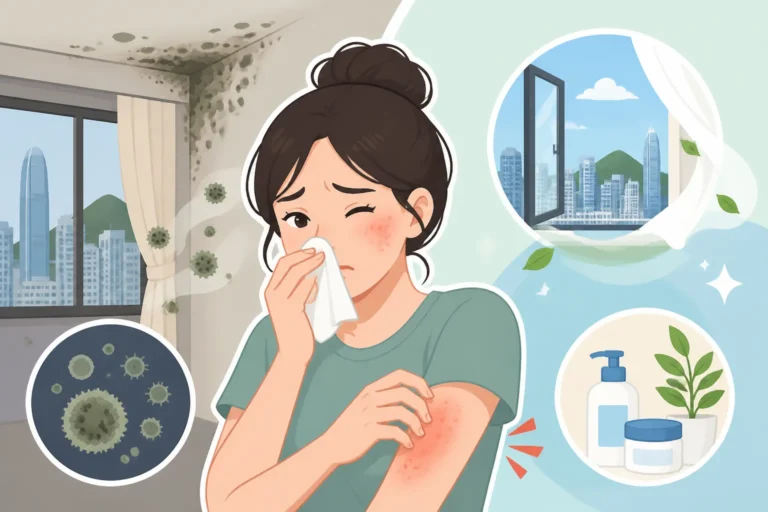
The humidity in Hong Kong isn't just about frizzy hair; it’s a major health factor in TCM. High humidity is thought to "invade" the body, leading to a condition called "internal dampness." This often manifests as a feeling of "brain fog," heavy limbs, bloating, and a lack of appetite. I spent my first two years in HK feeling like I was walking through molasses until a TCM doctor explained that my iced coffee habit and the 90% humidity were a recipe for dampness.
Acupuncture points on the legs and stomach are used to "strengthen the Spleen" (the organ responsible for fluid metabolism in TCM), while cupping on the back helps to pull that heavy, sluggish energy out of the system. Many expats find that after a few sessions, that "heavy" feeling lifts, and their digestion improves significantly. It’s an essential part of acclimatizing to life in Southeast Asia.
Respiratory Support and Immunity Boosters
Air quality can fluctuate in Hong Kong, and the constant transition between the sweltering heat outside and the freezing air conditioning inside is a shock to the respiratory system. This often leads to a "lingering cough" that Western cough syrups can't seem to touch. TCM focuses on "moistening the Lungs" and clearing "Heat."
Herbal formulas containing things like lily bulbs, almonds, and pear are often prescribed alongside acupuncture to calm the respiratory tract. For those of us who grew up thinking a cough just needed a lozenge, the complexity of TCM’s approach to respiratory health is eye-opening. It’s about building up the "Wei Qi" (defensive energy), which functions like your body’s immune shield. By strengthening this shield through seasonal acupuncture, many expats find they stop catching every seasonal flu that ripples through the MTR.
Disclaimer
The information provided in this guide is for educational and informational purposes only and is not intended as medical advice. Always consult with a qualified health professional—whether a Western-trained General Practitioner or a Registered Chinese Medicine Practitioner—before starting any new treatment or herbal regimen. Traditional Chinese Medicine involves complex diagnoses that must be tailored to the individual. Ensure your practitioner is registered with the Chinese Medicine Council of Hong Kong to guarantee professional standards.