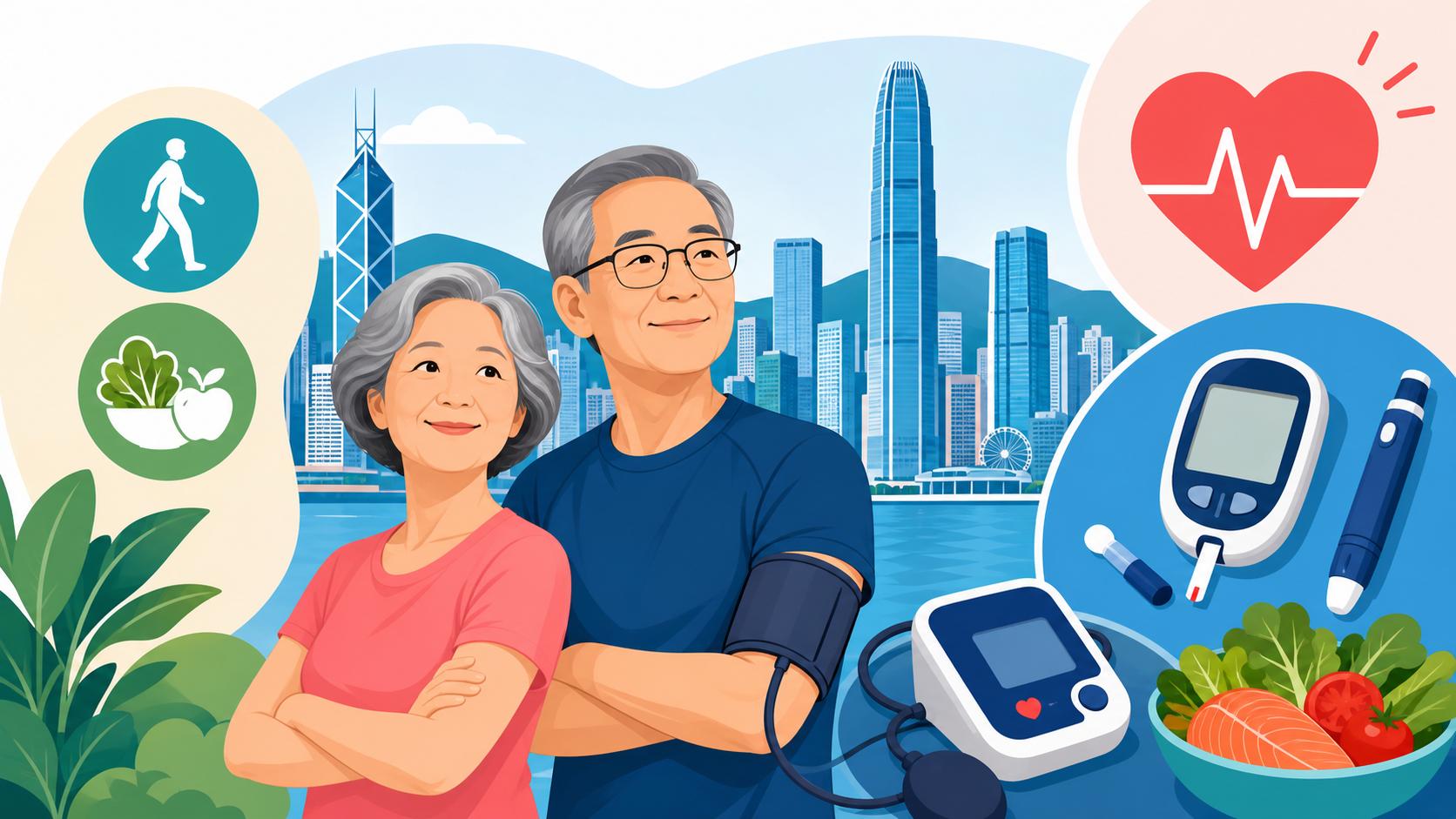
Managing Chronic Conditions: Diabetes and Hypertension in HK
Trying to manage a chronic condition like diabetes or hypertension while navigating a high-pressure city like Hong Kong can feel like a full-time job you never applied for. I still remember the sheer panic I felt during my first month here, standing in a crowded pharmacy in Causeway Bay, realizing the local brand of my blood pressure medication looked nothing like what I had back home. This guide breaks down exactly how to manage your long-term health, from securing affordable prescriptions to finding specialists who actually listen.
The Public Healthcare Route: Navigating the Hospital Authority
Hong Kong is home to one of the most efficient public healthcare systems in the world, managed by the Hospital Authority (HA). For expats with a valid HKID, this is the most cost-effective way to manage chronic conditions. However, the system is designed for volume, not necessarily for comfort or speed. If you are moving here for the long term, understanding the Healthcare in Hong Kong: Public vs Private Systems Explained (2027) is the first step in deciding where to place your trust and your budget.
Registering and Accessing Specialist Outpatient Clinics
To manage diabetes or hypertension in the public sector, you don't just walk into a hospital. You must first go through a General Outpatient Clinic (GOPC) or have a referral from a private GP. I found that the easiest way to start is by Registering Your HKID for Subsidized Public Healthcare Rates. Once you are in the system, you will likely be referred to a Specialist Outpatient Clinic (SOPD). For hypertension, this is usually Internal Medicine; for diabetes, it is the Endocrinology department.
Be prepared for the "wait." Public wait times for non-urgent chronic cases can span months, or even over a year for the initial appointment. However, once you are "in the loop," the care is consistent. You will be assigned to a team of doctors at a major facility like Queen Mary Hospital or the Prince of Wales Hospital. While you may not see the same doctor every time, your electronic health record (eHRSS) ensures that every clinician has access to your full history, glucose readings, and previous BP stats.
The Cost Structure and Subsidies for Residents
The primary reason many expats choose the public system for chronic care is the price. A consultation at a specialist clinic usually costs around HK$135 for the first visit and HK$80 for subsequent visits, with medications charged at a flat rate of HK$15 per item. When you consider that some modern insulin analogs or advanced SGLT2 inhibitors can cost thousands of dollars privately, the public subsidy is a lifesaver.
Even if you have international coverage through Cigna Global, many residents still maintain a file with the HA as a safety net. This is because the public system handles the most complex emergency complications—such as diabetic ketoacidosis or a hypertensive crisis—better than any private facility. However, keep in mind that the public system may not always offer the absolute newest "lifestyle" drugs immediately upon their global release, sticking instead to a strictly vetted formulary of proven medications.
The Medication Loop and Repeat Prescriptions
One of the quirks of managing a chronic condition in the public system is the pharmacy queue. After your consultation, you’ll take your prescription to the hospital pharmacy. For stable conditions, doctors often prescribe 16 to 24 weeks of medication. However, they may only give you a portion of the physical pills, requiring you to return for "repeat" collections.
This is where the Hospital Authority (HA) Guide: Accessing Public Healthcare for Expats becomes essential reading. You can now use the HA Go app to arrange for medication delivery to your home or a nearby lockers for a small fee, which saves you from sitting in a hospital waiting room for three hours just to pick up your Metformin. It is a modern solution to a very old, very "Hong Kong" problem of overcrowding.
The Private Healthcare Sector: Speed and Personalized Care
If the idea of waiting months for an appointment or sitting in a crowded public waiting room makes your blood pressure spike, the private sector is your alternative. Private care in Hong Kong is world-class but comes with a price tag that can be eye-watering if you aren't prepared. For those transitioning into the city or working as digital nomads, having a plan from SafetyWing can provide a necessary buffer for unexpected medical needs while you set up your long-term local coverage.
Finding Specialist Endocrinologists and Cardiologists
The private sector allows you to choose your specific doctor, which is a massive advantage for chronic disease management where a relationship of trust is key. Most specialists have rooms in Central, Tsim Sha Tsui, or attached to major private hospitals. If you are looking for a specialist, Finding English-Speaking General Practitioners (GPs) in Central is often the best starting point, as these GPs act as "gatekeepers" and can refer you to the city’s top endocrinologists.
In the private world, you can often get an appointment within 24 to 48 hours. Doctors here have more time to discuss your CGMS (Continuous Glucose Monitor) data or your home blood pressure logs in detail. Facilities like the Matilda International Hospital or Gleneagles Hong Kong Hospital offer a hotel-like experience, but expect to pay anywhere from HK$800 to HK$3,000 per consultation, excluding the cost of tests and medication.
Private Hospital Wellness Packages for Chronic Care
Many private hospitals offer specific "Chronic Disease Management Packages." These are bundled services that include blood tests (HbA1c, lipid profiles, kidney function), doctor consultations, and even sessions with a dietitian. This is often more cost-effective than paying for every blood draw and consultation separately.
When looking at these packages, check if they are covered by your insurance. A comprehensive plan from Cigna Global often covers these outpatient specialist visits and the associated diagnostic tests, which are crucial for monitoring the long-term impact of diabetes on your kidneys and eyes. Without insurance, the cost of an annual "full workup" for a diabetic patient in the private sector can easily exceed HK$15,000.
Direct Access and Specialist Referrals
In Hong Kong, you generally don't need a GP referral to see a private specialist, but it is highly recommended for insurance purposes. If you want to see a cardiologist for your hypertension, you can simply call their office and book. This "direct access" model is fantastic for speed, but it can lead to fragmented care if you aren't diligent about sharing your records between different specialists.
It is advisable that expats keep a digital folder of all their private test results. If you ever decide to switch to the public system or need to use Emergency Medical Services in HK: Calling 999 and A&E Wards, having those private records ready will save a lot of time. Many private doctors are now also uploading data to the government's eHealth system, but it is not yet universal, so stay proactive with your own documentation.
Managing Medication and Supplies in the City
Hong Kong's rules around medication are quite specific, and "pharmacy" doesn't always mean what you think it means. For a chronic patient, knowing where and how to get your supplies is critical to avoiding a lapse in treatment.
| Feature | Public Hospital Pharmacy | Registered Pharmacy (Rx sign) | Drug Store (No Rx sign) |
|---|---|---|---|
| Cost | Heavily Subsidized (HK$15) | Market Price (High) | Low (Over-the-counter only) |
| Wait Time | 1–4 hours | 5–10 minutes | None |
| Availability | HA Formulary only | Wide variety of brands | Basic OTC only |
| Pharmacist | Always on duty | On duty specific hours | Rarely present |
Pharmacies, Registered Pharmacists, and Regulations
In Hong Kong, you will see shops called Watsons and Mannings everywhere. Most of these have a pharmacy counter, but not all of them do. You must look for the "Rx" logo—a red and white symbol—which indicates a registered pharmacist is on duty. For chronic medications like ACE inhibitors or insulin, you will need a valid local prescription. For more details, see Pharmacies and Medication in HK: Prescriptions and OTC Rules.
One thing that caught me off guard was the "pharmacist's hours." Even if a shop is open until 10 PM, the pharmacy counter might close at 6 PM. If you are Managing Diabetes in HK: Finding Insulin and Test Strips Locally, always call ahead to ensure they have your specific brand of insulin or sensor in stock, as specialized items are often ordered on demand rather than kept on the shelf.
Importing Prescription Drugs for Personal Use
Many expats prefer to bring a supply of their medication from their home country when they first move. This is generally allowed for personal use (usually a three-month supply), but you must have a copy of your prescription and the medication must be in its original packaging.
If you are planning to have medication sent to you from abroad, be very careful. Hong Kong has strict laws regarding the importation of certain drugs. It is often much safer and easier to find a local GP who can prescribe an equivalent brand locally. Check the guide on Declaring Prescription Drugs at HK Customs: Forms and Limits to ensure you don't accidentally fall foul of the law. If you are traveling frequently, SafetyWing can be a great resource for identifying local providers if you lose your medication while on a trip to nearby countries.
Lifestyle and Cultural Challenges for Chronic Patients
The "Hong Kong lifestyle" is arguably the biggest hurdle for anyone with hypertension or diabetes. The city is built on convenience, high-sodium dining, and a "work hard, play hard" culture that isn't always conducive to steady blood sugar or low stress levels.
Navigating High-Sodium and High-Sugar Local Cuisine
Hong Kong food is delicious, but it is a minefield for chronic patients. Local staples like wonton noodles or cha siu (BBQ pork) are often loaded with hidden salt and sugar. Even a "healthy" looking clear soup can have enough sodium to exceed your daily limit in one bowl. When eating out, I've learned to ask for "siu tim" (less sugar) or "siu yim" (less salt), though the success rate in local cha chaan tengs can vary.
The high humidity also affects how your body processes glucose and manages blood pressure. It is easy to get dehydrated, which can lead to false high readings on your glucose monitor or a sudden drop in blood pressure. Managing Food Safety in HK: Preventing Gastroenteritis in Humid Weather is also vital, as a stomach bug can wreak havoc on a diabetic's insulin sensitivity and electrolyte balance.
Humidity and Exercise: Maintaining an Active Routine
Staying active is key to managing chronic conditions, but Hong Kong’s climate can be punishing. From June to September, the heat and humidity make outdoor exercise risky for those with heart conditions or blood pressure issues. I highly recommend joining a gym or using the public sports centers managed by the LCSD, which are all air-conditioned.
If you do insist on hiking—which is a great way to manage stress—make sure you are aware of Heatstroke Prevention during HK's Extreme Summer Weather. For diabetics, keep in mind that extreme heat can actually change the absorption rate of your insulin if it's injected into a "hot" limb, and it can also cause your insulin to degrade if it’s sitting in your backpack. Always carry a cooling pouch for your pens.
Digital Tools and Community Support
The good news is that Hong Kong is a very tech-forward city, and there are many tools designed to make your life easier as a patient. Leveraging these can turn a complex medical schedule into a manageable routine.
Using the HA Go App for Remote Management
The HA Go app is the single best tool for anyone using the public system. It allows you to see your upcoming appointments, pay your hospital bills via FPS or credit card, and even view your lab results (though there is a delay for some sensitive data). You can also use it to book appointments at General Outpatient Clinics, which is much easier than trying to call the automated phone booking system.
Through the Using the HA Go App for Booking Public Outpatient Clinics guide, you can learn how to set up the "Easy Pay" function. For a chronic patient who needs to visit the hospital every few months, being able to walk out of the clinic and have the bill automatically charged to your phone is a small but significant victory over the city's infamous queues.
Support Groups and Community Resources
Living with a chronic illness in a foreign city can be isolating. There are several expat-focused groups on Facebook and platforms like Meetup where you can find others navigating the same hurdles. Whether it's finding a specific brand of low-carb bread or recommending a doctor who understands the nuances of Type 1 versus Type 2 diabetes, the community is an invaluable resource.
For mental health support, which is often overlooked in chronic disease management, there are many English-speaking services. Managing the stress of a move alongside a health condition is a lot to handle. Don't hesitate to reach out to Mental Health in Hong Kong: Counseling and Expat Support Services if the "Hong Kong grind" starts to impact your physical health management.
Summary of Management Options
For most expats, the best strategy is a hybrid approach. Use a private GP for your regular check-ups and personalized advice, but keep a record with the public Hospital Authority for emergencies and high-cost medications. This ensures you get the "best of both worlds"—the speed and attention of the private sector, and the financial safety net of the public system.
If your employer provides a group medical plan, check the limits carefully. Many local plans have very low "sub-limits" for outpatient specialist visits, which can be exhausted quickly if you have a chronic condition. Supplementing this with an individual plan from a provider like Cigna Global can ensure that your pre-existing conditions are covered even if you change jobs or decide to stay in Hong Kong long-term.
Disclaimer
This article is for informational purposes only and does not constitute professional medical advice, diagnosis, or treatment. Always seek the advice of your physician or other qualified health provider with any questions you may have regarding a medical condition. Never disregard professional medical advice or delay in seeking it because of something you have read in this guide. Healthcare regulations and costs in Hong Kong are subject to change.