Sports Medicine Clinics for Hiking and Rugby Injuries in HK
Coming home after a grueling weekend match at King’s Park or a steep descent down the MacLehose Trail only to feel that sharp, sickening pop in your knee is a rite of passage for many in this city. I remember my first major hiking injury on the Dragon’s Back, where I spent three hours hobbling down to Shek O because I didn't know who to call. This guide provides the definitive roadmap to finding the right sports medicine clinics and specialists in Hong Kong to get you back on your feet.
Understanding the Landscape of Sports Injuries in Hong Kong
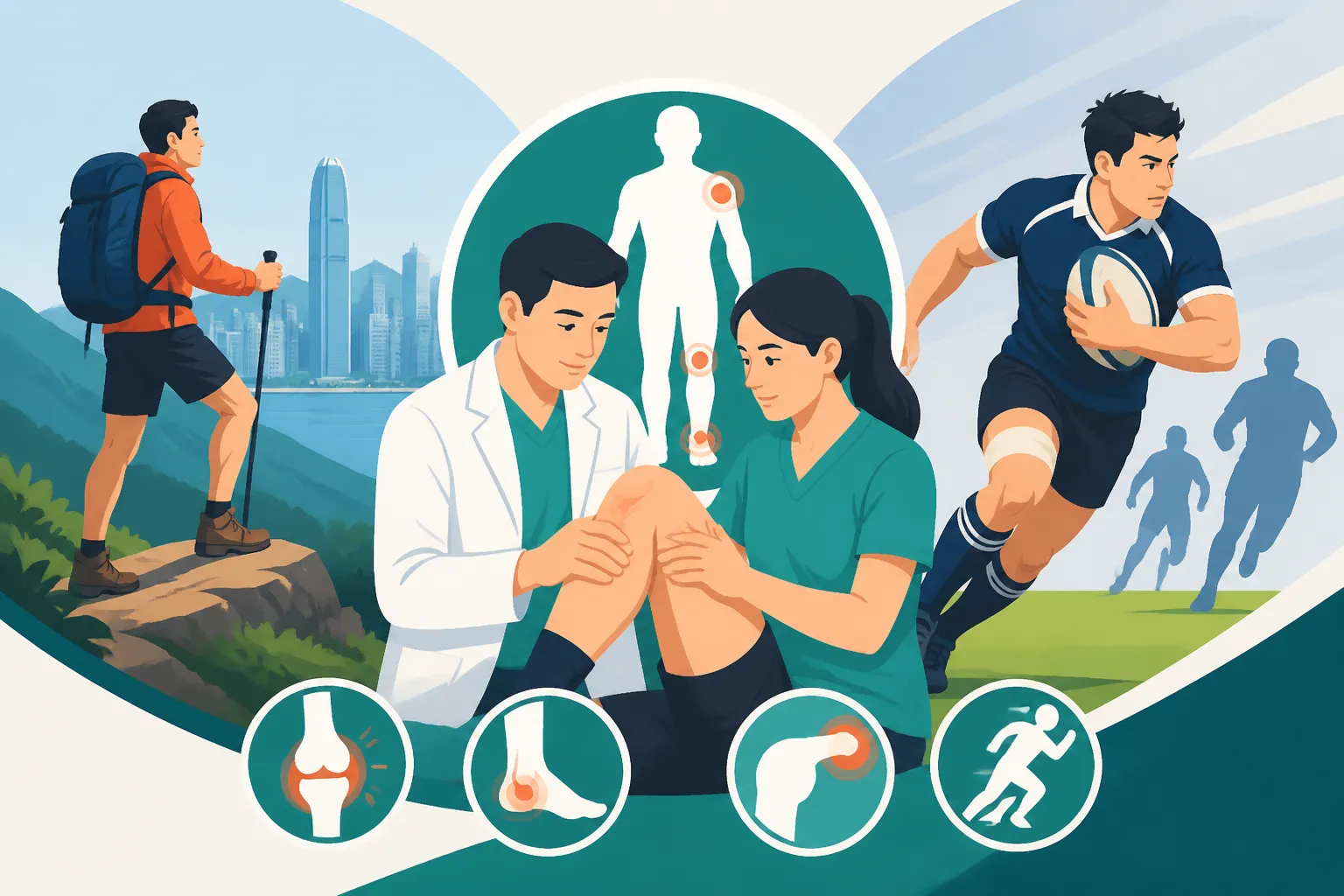
The unique geography of Hong Kong creates two very distinct types of athletic trauma. On one hand, you have the "weekend warriors" tackling the vertical concrete stairs and uneven dirt trails of the New Territories. On the other, you have the high-impact intensity of the local rugby scene, which is one of the most vibrant in Asia. Each requires a different approach to diagnostics and rehabilitation.
Hiking Injuries: The Toll of the Stairs
If you have lived here for more than a month, you know that hiking in Hong Kong isn't just a walk in the woods; it is an endless series of stairs. This repetitive vertical movement often leads to Iliotibial (IT) Band Syndrome and Patellofemoral Pain Syndrome, commonly known as "hiker’s knee." I’ve seen many expats ignore that dull ache during a descent, only to find themselves unable to walk the next morning. Understanding Physiotherapy and Chiropractic Care for Sports Injuries in HK is crucial here because these overuse injuries often stem from poor biomechanics or improper footwear tailored for the city's unique terrain.
Chronic ankle instability is another frequent complaint. The trails here can be deceptively slick after a humid morning, and a Grade 2 sprain can quickly become a recurring issue if not treated by a specialist who understands trail dynamics. When you visit a clinic, they shouldn't just look at the joint; they should be asking about your gait on the Wilson Trail versus your gait on a paved road.
Rugby Injuries: High-Impact Management
Rugby in Hong Kong, from the social leagues to the professional level, brings a much higher risk of acute, traumatic injuries. We are talking about ACL tears, shoulder dislocations (often during a poorly executed tackle), and, most importantly, concussions. The medical community here is very attuned to World Rugby protocols, but you need to ensure your clinic of choice has a dedicated sports physician who can manage a "return to play" schedule.
Fractures and dislocations are also common at the amateur level. If you take a hard hit during a match, you might need to navigate Emergency Medical Services in HK: Calling 999 and A&E Wards before you ever see a sports specialist. The immediate triage is about stabilization, but the long-term recovery—the part that determines if you will ever play again—happens in the specialized sports medicine clinics of Central and Causeway Bay.
Top Sports Medicine Clinics and Specialists
When you are looking for a specialist, you aren't just looking for a general orthopedist. You want someone who works with athletes daily. Hong Kong is home to some of the finest sports surgeons in the world, many of whom serve as team doctors for the Hong Kong Sevens or local football clubs.
Private Specialized Centres in Central
The majority of expat-friendly sports medicine is concentrated in Central. Clinics like Asia Medical Specialists or the Orthopaedic & Sports Medicine Centre are the "gold standard" for those with comprehensive insurance. These facilities offer "one-stop" shops where you can get an MRI, see a surgeon, and begin your physiotherapy all in the same building. This is incredibly helpful when you are on crutches and trying to navigate the hills of Hong Kong Island.
When choosing a clinic, it is wise to look for clinics that offer a multidisciplinary team. A surgeon might tell you that you need an operation, but a good sports physician might suggest a conservative approach with targeted rehab first. If you are struggling to find a starting point, Finding English-Speaking General Practitioners (GPs) in Central can help you get that initial referral and a clearer picture of which specialist is right for your specific injury.
Hospital-Based Sports Clinics
Several private hospitals have dedicated sports medicine departments that are excellent for more complex cases requiring inpatient care. The Matilda International Hospital, for instance, is famous among the rugby community for its orthopedic excellence. They have specific packages for knee and shoulder reconstructions that provide a level of predictability in pricing.
For those who are more budget-conscious or have limited insurance, the public system does have sports medicine capabilities, though the waiting times are notorious. Understanding the Hospital Authority (HA) Guide: Accessing Public Healthcare for Expats is essential if you plan to go this route. While the surgeons are world-class, you might wait months for an MRI that you could get in 24 hours in the private sector.
Navigating the Recovery Process
Getting the diagnosis is only 20% of the battle. The real work begins in the weeks and months of rehabilitation. In Hong Kong, you have a wealth of options, ranging from traditional Western physiotherapy to more holistic approaches.
Integrated Rehabilitation and TCM
One thing I love about the medical scene here is the integration of Eastern and Western methods. Many top-tier sports clinics now work alongside practitioners of Traditional Chinese Medicine. Using TCM Acupuncture and Cupping: Integration with Western Medicine can be a game-changer for managing the inflammation and chronic pain associated with long-term hiking injuries. Some people report that acupuncture can significantly speed up the recovery of a stubborn calf strain that traditional physio alone wasn't touching.
However, you must ensure that your physiotherapist and your TCM practitioner are communicating. You don't want to be doing heavy eccentric loading in the gym while simultaneously receiving deep tissue cupping that might compromise your muscle recovery. Most expat-friendly clinics in Central are very comfortable with this "dual-track" recovery.
The Importance of a Valid Medical Certificate
If your injury is severe enough to keep you away from your desk, you need to be very careful with the paperwork. Hong Kong employers are strictly bound by the Labour Ordinance, and a casual note won't cut it. You need to know How to Get a Valid Sick Leave Certificate for Your HK Employer to ensure your time off is legally protected and paid. Always ask your sports physician for a "sick line" during every follow-up appointment; they are used to it, but they won't always offer it proactively.
| Service Type | Private Clinic (Central) | Private Hospital (Matilda/Adventist) | Public Hospital (HA) |
|---|---|---|---|
| Initial Consultation | HKD 1,200 – 3,000 | HKD 1,500 – 3,500 | HKD 135 (Eligible Persons) |
| MRI Scan (One Joint) | HKD 5,000 – 8,500 | HKD 6,000 – 10,000 | Months of waiting / Urgent only |
| Physiotherapy Session | HKD 800 – 1,800 | HKD 1,000 – 2,000 | HKD 80 per session |
| Surgery (ACL) | HKD 100,000 – 180,000 | HKD 150,000 – 250,000 | Highly subsidized (long wait) |
Insurance, Costs, and Practical Considerations
The cost of sports medicine in Hong Kong is among the highest in the world, second only to the United States in many categories. If you are playing rugby or regularly hitting the trails, having a robust insurance policy is not optional; it is a necessity.
Choosing the Right Coverage
Most employer-provided plans in Hong Kong have relatively low "outpatient" limits. A few sessions of physio will often blow through your annual limit before you’ve even reached the halfway point of your recovery. This is where a supplemental policy from a provider like Cigna Global becomes invaluable. They offer much higher limits for specialist consultations and diagnostic imaging, which are the primary costs of sports medicine.
If you are a digital nomad or a frequent traveler who likes to hike across the region, a plan from SafetyWing might be more your speed. While it is more focused on catastrophic injury and travel-related medical needs, it provides that essential safety net if you have a major accident on a remote trail. Just remember that many "standard" travel policies exclude organized sports like rugby, so you must read the fine print to ensure your specific activity is covered.
Direct Billing and Pre-Authorization
If you are heading into a major clinic in Central with a Cigna Global policy, you can often arrange for direct billing. This means the clinic deals with the insurer directly, and you only pay your deductible or co-pay. However, for expensive procedures like MRIs or surgery at Private Hospitals in Hong Kong: Admission, Costs, and Insurance, you must get pre-authorization. Some expats get stuck with a HKD 80,000 bill because they assumed their "comprehensive" policy covered an MRI without a prior referral.
For those using more flexible plans like SafetyWing, you will likely need to pay upfront and claim back later. If this is the case, keep every single receipt, every doctor's report, and every referral note. The more documentation you have, the faster the reimbursement process will be. If you are bringing the kids along for the match, you might also want to look into Finding Expat-Friendly Pediatricians and Family Doctors who can act as the primary point of contact for minor sports-related ailments in children.
Logistics During Typhoons and Rainstorms
Finally, a very "Hong Kong" piece of advice: keep an eye on the weather. If you have a physiotherapy appointment scheduled and a T8 signal is hoisted, the clinic will close immediately. Navigating Medical Emergencies During T8 Typhoons or Black Rainstorms is a skill every expat needs. If you are injured on a trail during a sudden storm, rescue services will be significantly delayed, and the danger to both you and the rescuers increases exponentially. Always check the HK Observatory app before you head out, and if you are already injured, ensure you have enough medication and ice packs at home to last through a 24-hour storm lockdown.
Actionable Steps for the Injured Athlete
If you’ve just felt that "pop" or "twinge," here is exactly what you should do:
- Immediate Care: Follow the RICE (Rest, Ice, Compression, Elevation) protocol immediately. Do not try to "walk it off" on a Hong Kong trail; you risk turning a minor tear into a total rupture.
- Triage Your Needs: If you can’t bear weight or there is visible deformity, head to the Accident and Emergency (A&E) Triage Categories in Public Hospitals to rule out a fracture.
- Find Your Specialist: Look for a clinic in Central that specifically mentions "Sports Medicine" or "Orthopedic Surgery." Ensure they have an in-house MRI or a fast-track relationship with an imaging center.
- Verify Insurance: Contact Cigna Global or your specific provider to check your outpatient limits and if they require a GP referral for a specialist.
- Commit to Rehab: Don't stop going to physio as soon as the pain dies down. The goal of sports medicine in Hong Kong is to ensure you can handle the "stairs" and the "tackles" of this city for the long term.
Disclaimer
The information provided in this article is for informational purposes only and does not constitute professional medical advice, diagnosis, or treatment. Always seek the advice of your physician or other qualified health provider with any questions you may have regarding a medical condition. Never disregard professional medical advice or delay in seeking it because of something you have read in this guide. The medical landscape in Hong Kong, including costs and available services, is subject to change.