CPR and Choking First Aid Courses for Foreign Domestic Helpers
The nightmare scenario for any parent or employer in Hong Kong is coming home to a medical emergency and realizing your domestic helper—the person you trust with your most precious family members—doesn't know how to respond. I remember the paralyzing fear when my own helper once called me in a panic because my toddler had swallowed a coin; that moment of shared helplessness changed how I viewed household safety forever. This guide provides the essential roadmap for finding, booking, and supporting your helper through professional CPR and choking first aid training to ensure your home is truly prepared for the unexpected.
Why First Aid Training is a Non-Negotiable for Hong Kong Households
Living in one of the most densely populated cities on earth brings unique challenges to emergency response. While our response times for ambulances are generally excellent, those first three to five minutes during a choking incident or cardiac arrest are the difference between a full recovery and a tragedy. When you are Hiring a Foreign Domestic Helper in HK: Legal Rules and Costs, you are often focused on the visa paperwork and the salary, but the "safety gap" is frequently overlooked. Most helpers coming from the Philippines or Indonesia have incredible caregiving instincts, but they may never have received formal, Western-standard medical training.
The physical layout of Hong Kong apartments also adds a layer of risk. We often live in high-rise buildings where wait times for elevators can delay paramedics, or in older walk-ups where navigating a stretcher is a logistical nightmare. Furthermore, the dietary habits in many expat households involve small "choke-hazard" foods like grapes, nuts, or popcorn that a helper might not realize are dangerous without proper education. By investing in a course, you aren't just "training an employee"; you are building a safety net for your children or elderly parents. This is also a vital part of your broader strategy for Medical Checkups for Helpers: What Employers Must Legally Cover because it ensures the person maintaining your home is physically and mentally capable of handling high-stress situations.
Beyond the practical skills, there is a psychological benefit. A helper who is certified in CPR feels more confident and empowered. They are less likely to freeze during a crisis. In my experience, showing this level of investment in their professional development also strengthens the employer-employee relationship. It signals that you value their role as a professional caregiver, not just a pair of hands for housework. This sense of security is priceless, especially when you are away at the office or traveling for work.
Top Organizations for English-Language First Aid in Hong Kong
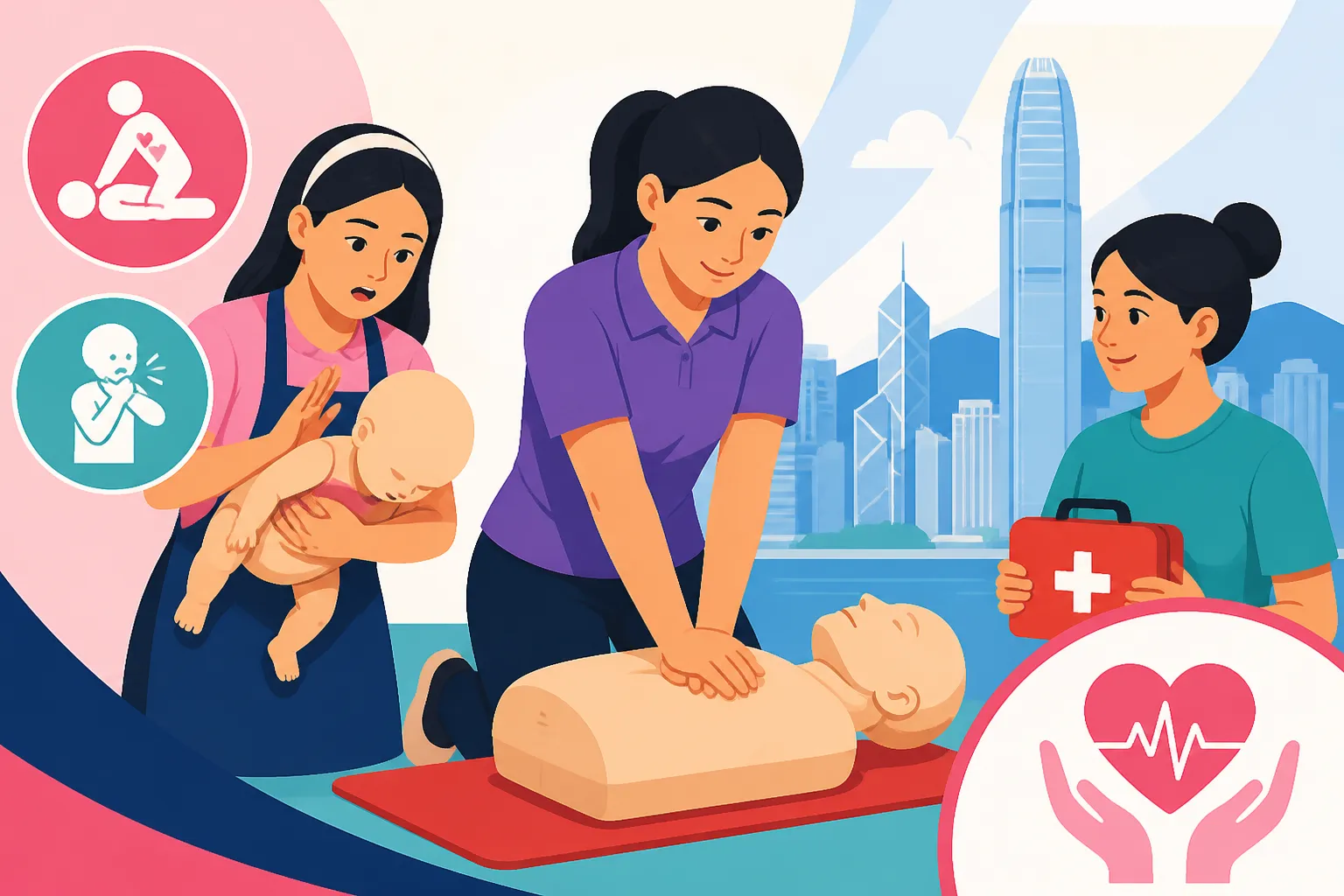
Choosing the right provider is crucial. You want a course that is taught in clear English (or the helper's native tongue) and offers hands-on practice with manikins. In Hong Kong, three main organizations dominate the landscape for high-quality, recognizable certifications.
The Hong Kong Red Cross is perhaps the most well-known. They offer a variety of courses at their headquarters in West Kowloon and other training centers. Their "Standard First Aid" course is comprehensive, but for most families, the "Domestic Helper First Aid Course" is the most relevant. It specifically targets the common household injuries helpers encounter. Another heavyweight is Hong Kong St. John Ambulance. They are a fixture of the local medical scene and provide rigorous training that is recognized by the government. Their courses are often held in Mid-Levels or Causeway Bay, making them convenient for those living on Hong Kong Island.
For a more boutique, expat-focused experience, many families turn to private clinics like Matilda International Hospital or Annerley. These courses are often taught by midwives or nurses who understand the specific anxieties of expat parents. They tend to have smaller class sizes and more time for Q&A sessions. While more expensive, the environment can be less intimidating for a helper than a large institutional classroom. Regardless of which you choose, ensure the certification includes a module on Emergency Medical Services in HK: Calling 999 and A&E Wards so your helper knows exactly how to interface with local authorities.
| Provider | Course Name | Duration | Language | Focus |
|---|---|---|---|---|
| Hong Kong St. John Ambulance | Domestic Helpers First Aid | 8 Hours | English/Cantonese | Child & Infant CPR, Choking, Home Safety |
| Hong Kong Red Cross | Basic First Aid for Helpers | 6-8 Hours | English/Tagalog | CPR, Bleeding, Choking, Burns |
| Matilda Hospital | Helper First Aid & CPR | 4 Hours | English | Infant/Child focused, Emergency response |
| Private Providers (e.g., Annerley) | Pediatric First Aid | 4-6 Hours | English | Newborn care and emergency stabilization |
Practical Tips for Enrolling and Supporting Your Helper
The logistics of training can be a point of friction if not handled with empathy. You must remember that your helper’s schedule is already demanding. Simply telling them to "go find a course" is rarely effective. You should take the lead on the registration process. This includes checking the dates and ensuring they don't clash with your own work travel or the helper's Rest Day Rules for Helpers: Can You Ask Them to Work?. Legally, if you require this training for their job, the cost should be borne entirely by you. Think of it as a business expense that protects your most valuable assets.
Language barriers can be a significant hurdle. Even if your helper speaks good English, medical terminology can be confusing. It is wise for students to buy the course manual in advance so they can read through the terms. Encourage them to attend with a friend or a fellow helper from the neighborhood; having a "study buddy" makes the practical exam much less stressful. After the course, don't just file the certificate away. Sit down with them and ask them to demonstrate the Heimlich maneuver on a pillow or show you how they would describe your home address to a 999 operator.
It is also wise to ensure your Domestic Helper Insurance: Legal Requirements and Best Policies is up to date before they start. While unlikely, any activity involving physical practice carries a minor risk of injury. More importantly, seeing that you have comprehensive coverage like Cigna Global for your family or a robust policy for them through a provider like SafetyWing gives everyone peace of mind. Supporting your helper in this way transforms the training from a chore into a shared commitment to the family’s well-being.
Managing Emergencies and Navigating the Public System
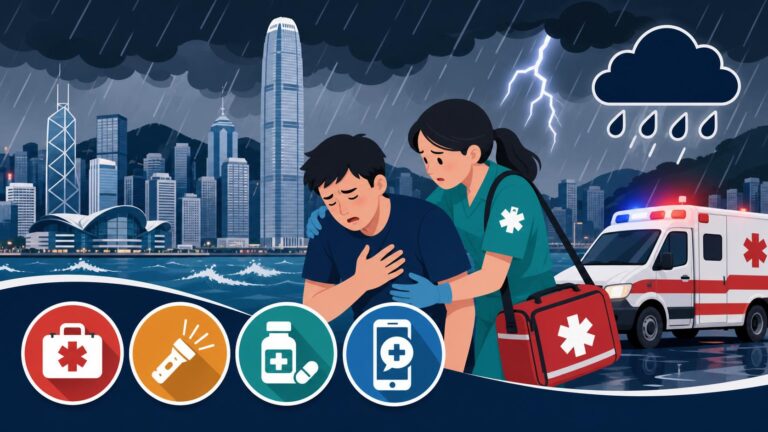
The training your helper receives is only the first step. They must also understand the "after-action" steps. In Hong Kong, the public health system is world-class but can be overwhelming during a crisis. If an emergency occurs, the helper needs to know What to Say When Calling 999 for a Medical Emergency—specifically, the need to stay calm, provide the exact floor and building name, and state whether the patient is breathing. In the heat of the moment, even basic Cantonese phrases for "emergency" or "choking" can be helpful, though 999 operators are fluent in English.
Once the ambulance arrives, the patient will likely be taken to the nearest Hospital Authority (HA) Guide: Accessing Public Healthcare for Expats facility. It is vital that your helper has a "grab bag" ready near the door. This should include copies of the children's HKIDs or birth certificates, any known allergy lists, and your contact information. If your family uses private insurance like Cigna Global, make sure the helper knows which card to present, although in a true life-threatening emergency, the public A&E is the first port of call regardless of your insurance status.
Understanding Accident and Emergency (A&E) Triage Categories in Public Hospitals is another key piece of knowledge. If your helper takes your child to the hospital after a choking incident that has been resolved, they need to understand that they might be categorized as "non-urgent" and face a long wait. This avoids unnecessary panic. By educating your helper on the full spectrum of care—from the first chest compression to the hospital discharge—you ensure that the "chain of survival" remains unbroken in your home.
Essential First Aid Kit Components for Your Helper
A certified helper needs the right tools. A basic first aid kit from a pharmacy like Watsons or Mannings is a start, but a veteran Hong Kong expat knows you need a few "local extras." Because of our humidity, bandages often lose their stickiness, so check your kit every six months. Your helper should know exactly where this kit is kept—ideally in a central location like the kitchen or living room, out of reach of toddlers but accessible to adults.
Your kit should include:
- CPR Face Shield: To encourage the helper to perform rescue breaths without fear of fluid transmission.
- Epipen (if prescribed): Ensure the helper has practiced with a "trainer" pen and knows the expiration date.
- Saline Solution: Essential for washing out grit after a fall at a Hong Kong playground.
- Digital Thermometer: Crucial for monitoring fevers, which are a common precursor to febrile seizures in infants.
- Emergency Contact Sheet: A laminated card with your work numbers, the nearest hospital address, and a neighbor's contact info.
By combining professional training with a well-stocked kit and a clear emergency plan, you move from a state of "hoping for the best" to "preparing for the worst." In a city as fast-paced as Hong Kong, that preparation is the best gift you can give your family and the dedicated person who helps you care for them.
Disclaimer
The information provided in this article is for educational and informational purposes only and does not constitute medical or legal advice. First aid protocols change; always refer to the latest guidelines from certified organizations like the Red Cross or St. John Ambulance. The author and publisher are not responsible for any actions taken based on the content of this guide. Always consult with a healthcare professional for medical concerns.