English-Speaking Doulas and Independent Midwives in Hong Kong
Navigating the high-pressure, often clinical environment of Hong Kong’s maternity wards can feel like being swept up in a fast-moving current where your personal preferences are secondary to hospital protocol. I remember the sheer panic of my first prenatal appointment at a public clinic, realized I was just a number on a folder, and desperately craved someone to actually listen to my birth plan. This guide provides the roadmap to finding English-speaking doulas and independent midwives who offer the personalized, empathetic support you need to reclaim your birthing experience in the city.
Understanding the Need for Personalized Birth Support in Hong Kong
The Hong Kong medical system is world-class in terms of safety and efficiency, but for many expats, it can feel culturally rigid and emotionally distant. Whether you are booked into a prestigious private suite or are utilizing the heavily subsidized public system, the "conveyor belt" feel of prenatal checkups and labor management is a common complaint. This is where the roles of doulas and independent midwives become vital for the international community.
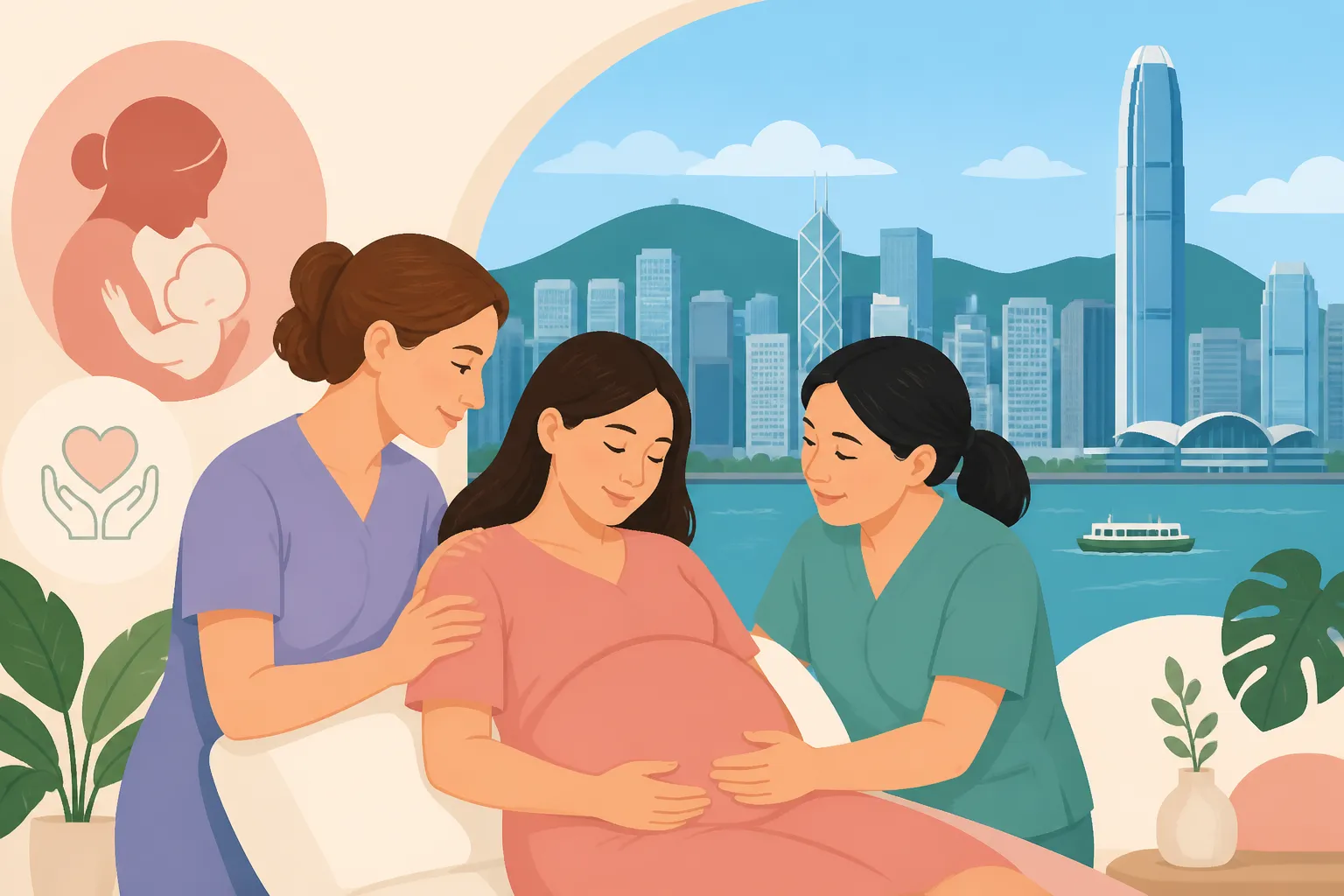
A doula in Hong Kong serves as a non-medical companion who provides continuous physical, emotional, and informational support to the mother before, during, and shortly after childbirth. They are the advocates who remind you of your breathing techniques when the hospital staff is busy with paperwork. Independent midwives, on the other hand, are medically trained professionals who can offer more clinical care, often providing a bridge between the highly clinical hospital environment and the comfort of your own home.
When you first start exploring Healthcare in Hong Kong: Public vs Private Systems Explained (2027), you will quickly notice that the public system is excellent for emergencies but offers very little in the way of "bedside manner" or continuity of care. You will likely see a different doctor at every visit. Hiring an independent professional ensures that at least one person in the delivery room knows your history, your fears, and your specific birth goals. This continuity is a luxury that many expats find essential for their mental well-being during such a transformative life event.
The Role of English-Speaking Doulas in Public and Private Hospitals
The experience of having a doula varies significantly depending on where you choose to give birth. In private hospitals like Matilda or Sanatorium, doulas are generally welcomed and often have established relationships with the private obstetricians. They can act as a seamless extension of your birth team, helping you navigate the various maternity packages at private hospitals and ensuring you don't feel pressured into unnecessary interventions.
In the public system, such as Queen Mary or Prince of Wales, the situation is more nuanced. While the Hospital Authority has become more open to birth partners, the physical space in labor wards is often limited. A doula may not always be allowed into the restricted "active labor" zones of a public ward, but their value during the early stages of labor at home and the postpartum period is immeasurable. They help you understand when it is truly time to head to the hospital, potentially saving you from hours of waiting in a public triage area.
Many expats choose to use a doula to bridge the gap between Public Maternity Wards: What to Pack for Your Hospital Bag and their desire for a more holistic experience. For instance, if you are concerned about the language barrier, an English-speaking doula can help translate the gist of what the nurses are discussing in Cantonese, providing a sense of calm and control. They are also well-versed in the specific local hospital cultures, knowing which wards are more flexible about movement during labor and which ones strictly adhere to "on-the-bed" monitoring.
Independent Midwives and Continuity of Care
While all hospitals have midwives on staff, these are "rostered" midwives who work in shifts. An independent midwife is someone you hire privately to oversee your entire journey. They provide a level of care that goes beyond the standard 15-minute consultations found in most clinics. For many expat families, this relationship begins early in the second trimester and continues well into the "fourth trimester" or postpartum phase.
Independent midwives in Hong Kong are particularly skilled at providing home-based prenatal and postnatal checkups. This is a godsend for those living in areas like Sai Kung or Discovery Bay, where trekking to a Central clinic can be an exhausting half-day affair. These professionals can perform many of the routine checks, such as monitoring the baby’s heartbeat and checking the mother’s blood pressure, in the relaxed environment of your living room.
If you are considering Maternity and Childbirth in HK: Public Wards vs Private Packages, an independent midwife can help you weigh the pros and cons based on your medical history. They can also provide expert guidance on The Hong Kong Childhood Immunisation Programme: Required Vaccines and help you navigate the administrative hurdles of Registering Your Newborn's Birth at the HK Births Registry. This holistic approach ensures that you aren't just prepared for the birth, but also for the reality of bringing a baby home to a small Hong Kong apartment.
Comparing Support Options for Expat Parents
Choosing the right professional requires an understanding of what each role provides and how they interact with the broader medical landscape. The following table summarizes the key differences you should consider when building your support team in Hong Kong.
| Feature | Hospital Midwife (Public/Private) | Independent Midwife | Doula (Birth/Postpartum) |
|---|---|---|---|
| Medical Training | Fully qualified, hospital-employed | Fully qualified, privately hired | Non-medical support |
| Continuity | Low (depends on shift) | High (same person throughout) | High (same person throughout) |
| Clinical Care | Delivers baby, performs exams | Performs exams, prenatal/postnatal | No clinical exams or delivery |
| Advocacy | Follows hospital protocol | Balances protocol with your wishes | Primarily focused on your wishes |
| Home Visits | None | Frequent prenatal/postnatal | Primarily prenatal/postnatal |
| Average Cost | Included in hospital fees | HK$20,000 – HK$45,000+ | HK$10,000 – HK$25,000 |
It is worth noting that while a doula is not a medical professional, their presence has been statistically shown to reduce the likelihood of C-sections and the use of epidurals, if those are your goals. Many expats find that having a doula allows their partner to be more present and less stressed, as the doula takes on the burden of remembering the birth plan and managing the logistics of the room.
Financial Planning and Insurance for Specialized Care
One of the biggest shocks for new expats is the cost of private maternity care. While a doula or independent midwife adds to the upfront cost, many families find the investment pays off by avoiding unnecessary private hospital "add-ons." When reviewing your Private Health Insurance Plans Beyond VHIS for Expat Families, it is crucial to check if "midwifery services" or "doula support" are covered.
Most standard local plans will not cover a doula, as they are considered non-medical. However, premium international plans from providers like Cigna Global often have more flexible maternity modules that may reimburse a portion of private midwifery fees or postnatal home visits. It is essential to secure this coverage well before conception, as almost all insurers in Hong Kong impose a 10 to 12-month waiting period for maternity benefits.
For those on a tighter budget or using the public system, you might not have a comprehensive maternity rider. In these cases, brands like SafetyWing can be useful for general health coverage, but you will likely be paying for your doula out-of-pocket. Always ask your potential doula or midwife for a clear breakdown of their fees. Many offer "package rates" that include a set number of prenatal visits, on-call support for the birth, and one or two postnatal "settling in" visits once you are back home.
Postnatal Support: The "Fourth Trimester" in Hong Kong
The support shouldn't end the moment the baby is born. In fact, for many expats living far from their extended families, the first two weeks at home are the most challenging. English-speaking postpartum doulas specialize in this transition. They can assist with everything from breastfeeding techniques to helping you manage your Domestic Helper Food Allowance vs Providing Free Food if you are also navigating the complexities of hiring help for the first time.
Hong Kong has a strong tradition of "sitting the month" (Zuo Yue Zi), but this local custom can sometimes clash with Western ideas of recovery. An expat-friendly doula or midwife can help you integrate the best of local wisdom—like nutritious soups and rest—with your own cultural preferences. They are also trained to spot the early signs of Expat Support Groups for Postpartum Depression in Hong Kong, providing a vital safety net in a city that can often feel isolating for new mothers.
If you are struggling with breastfeeding, an independent midwife or a lactation-specialist doula can spend hours with you in your home, rather than the hurried few minutes you might get from a busy ward nurse. This hands-on support is often the difference between a successful breastfeeding journey and an early switch to formula due to stress and lack of guidance. They can also help you understand the rules around Can Husbands Stay Overnight in HK Public Maternity Wards?, which is notoriously strict in the public sector, and help you prepare for the nights your partner might not be allowed to stay.
How to Find and Interview Your Support Team
Finding the right "fit" is deeply personal. You are inviting this person into one of the most vulnerable and private moments of your life. Start by asking for recommendations in expat Facebook groups or through organizations like Annerley (now part of the OT&P network), which has long been a hub for independent midwifery in the city.
When interviewing a potential doula or midwife, don't be afraid to ask direct questions about their experience with specific hospitals. You might ask:
- How many births have you supported at Queen Mary Hospital?
- What is your relationship like with the doctors at Matilda?
- How do you handle a situation where the hospital staff ignores the birth plan?
- What happens if you are at another birth when I go into labor? (They should always have a backup person you have also met).
It is also wise to discuss how they can help you with the logistics of Registering Your HKID for Subsidized Public Healthcare Rates if you are new to the city, or how they can assist with Finding Expat-Friendly Pediatricians and Family Doctors once the baby arrives. A good support professional is a fountain of local knowledge, often having the "inside track" on which clinics are the most supportive of natural birth or which ones have the shortest wait times for postnatal checkups.
Final Considerations for a Positive Birth Experience
Ultimately, hiring an English-speaking doula or independent midwife is about creating a "bubble" of support around yourself. In a city as fast-paced and sometimes impersonal as Hong Kong, having a dedicated advocate ensures that your voice is heard. This is especially true if you are navigating the Hospital Authority Fees: Eligible Persons (EP) vs Non-Eligible Persons (NEP) as a new resident, where the administrative stress can sometimes overshadow the joy of the pregnancy.
Whether you are looking for someone to hold your hand through the intensity of a public ward birth or a professional to provide high-end clinical care in a private setting, Hong Kong’s community of independent birth workers is exceptional. They understand the unique pressures of the expat lifestyle—the lack of family nearby, the demanding work schedules, and the desire for a birth that feels like a human experience rather than a medical procedure. By investing in this support, you are not just paying for a service; you are buying peace of mind, confidence, and a smoother transition into parenthood in the 852.
Disclaimer
This guide is for informational purposes only and does not constitute medical advice. Hong Kong’s medical regulations and hospital policies are subject to change. Always consult with a qualified healthcare professional and verify the registration status of any independent midwife with the Midwives Board of Hong Kong before engaging their services. All insurance information should be verified directly with your provider, such as Cigna Global or SafetyWing, to ensure your specific policy covers the services discussed.