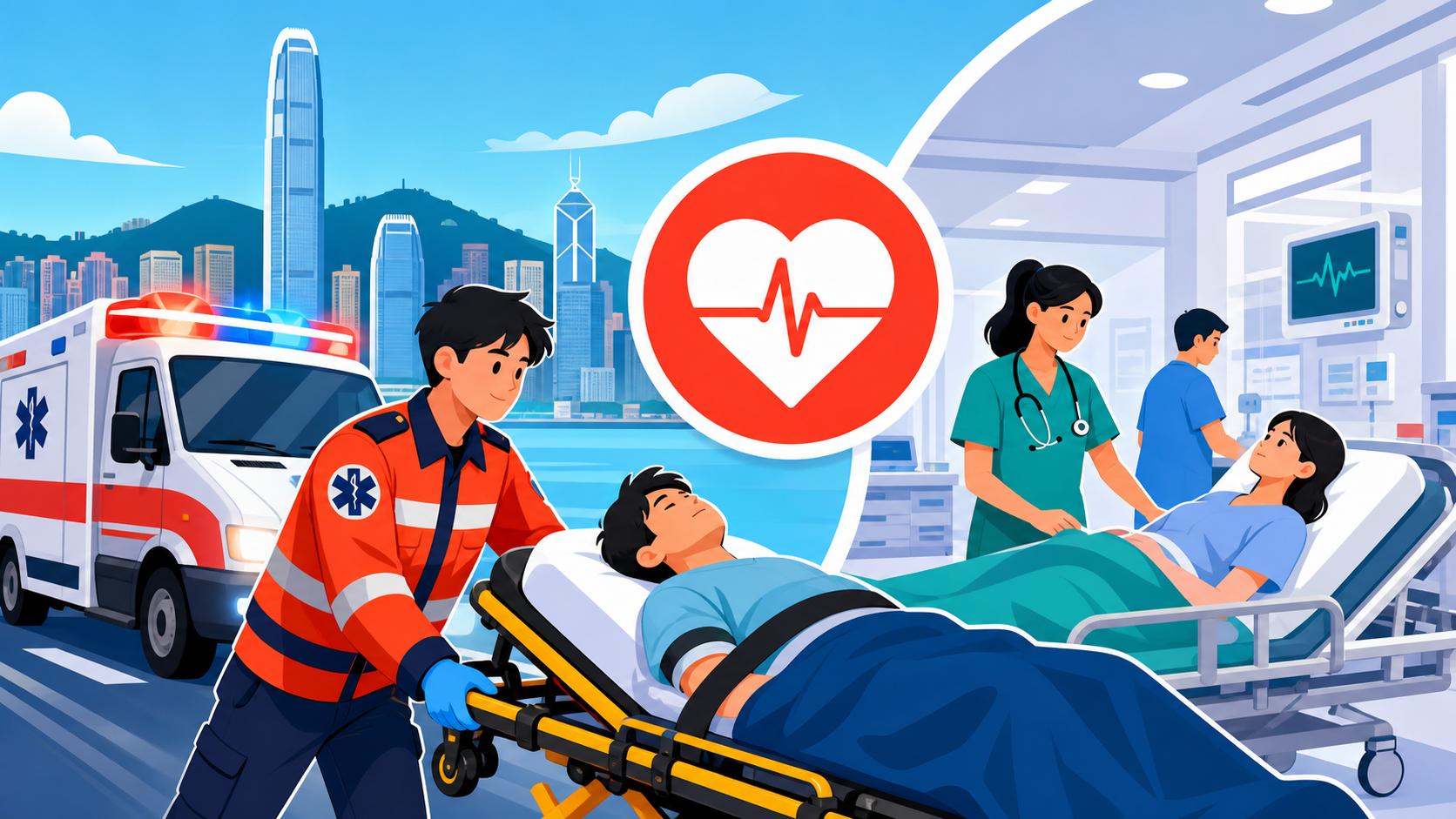
Emergency Medical Services in HK: Calling 999 and A&E Wards
Waking up to a medical crisis in a foreign city is a terrifying experience that strips away your usual confidence. I remember the paralyzing chill I felt when my young daughter developed a high fever and a strange rash in our first month in Mid-Levels, and I realized I didn't even know if the ambulance was free. This guide provides the hard-won clarity you need to navigate 999 calls and A&E wards with the composure of a local.
Understanding the 999 System in Hong Kong
The first thing you need to realize about Hong Kong’s emergency response is that it is remarkably efficient but strictly prioritized. When you dial 999, you aren't just calling for a ride to the hospital; you are activating a highly coordinated network managed by the Hong Kong Police, the Fire Services Department, and the Government Flying Service. In my experience, the dispatchers are incredibly calm, but they expect you to be precise. They operate on a performance pledge where ambulances aim to arrive at the scene within 12 minutes of the call. This is a feat of logistics considering the verticality and traffic density of the city.
One of the most common questions new residents ask is Is the ambulance free in Hong Kong for tourists and Expats? For any person requiring emergency transport to a public hospital via the 999 system, the ambulance service provided by the Fire Services Department is free of charge at the point of use. This is a life-saving policy that ensures financial status never prevents someone from reaching a trauma center. However, keep in mind that this ambulance will take you to the nearest public hospital based on your location, not necessarily the one where your private doctor is located.
When to Call vs When to Go Yourself
Deciding whether to call an ambulance or hop in a taxi is a nuance you’ll learn quickly. If the situation is life-threatening—unconsciousness, severe chest pain, major trauma, or difficulty breathing—dial 999 immediately. The paramedics in Hong Kong are exceptionally well-trained and can begin life-saving interventions the moment they reach you. Visitors often see them navigate narrow stairwells in old Tong Lau buildings with incredible speed and grace.
However, if you are stable and mobile, taking a taxi can sometimes be faster, especially during peak traffic hours when ambulances might be slowed by the city’s gridlock. Taxis are ubiquitous in most parts of the city and drivers generally know the locations of all major hospitals. If you decide to go yourself, make sure you know whether you want a public A&E or a private urgent care center. For major accidents, the public system is almost always the superior choice due to their heavy-duty equipment and trauma expertise. It’s worth reading up on Healthcare in Hong Kong: Public vs Private Systems Explained (2027) to understand which facility suits your specific crisis.
Communicating with Dispatchers
When the operator answers, they will ask if you need police, fire, or ambulance. Say "Ambulance" clearly. Most dispatchers speak excellent English, but in the heat of the moment, your accent or panic might make communication difficult. Be prepared to give your location first. In a city of skyscrapers, a street address isn't enough; you need the building name, floor, and flat letter. If you are out hiking or on a remote beach, look for the nearest distance post number or use a landmark.
Knowing What to Say When Calling 999 for a Medical Emergency can save precious seconds. State the nature of the emergency—"My husband is having chest pains" or "My child has fallen from a height"—and then stay on the line. The dispatcher might provide over-the-phone instructions, such as how to perform CPR or how to stem bleeding. Do not hang up until they tell you to. While you wait, if you have a domestic helper or a neighbor nearby, ask them to go down to the street level to flag the ambulance. Finding the correct entrance in a complex development can be the most time-consuming part of the rescue.
The Public AE Ward Experience
Walking into a public Accident & Emergency (A&E) ward in Hong Kong for the first time can be an overwhelming sensory experience. Whether you are at Queen Mary Hospital in Pok Fu Lam or Queen Elizabeth in Jordan, you will likely find a crowded waiting room filled with people of all ages. The public system is the backbone of the city’s health, handling millions of visits a year. The efficiency is industrial, but the atmosphere is rarely "cozy."
The process always begins with registration. You will need to present your Hong Kong Identity Card (HKID) or a passport. If you don’t have your physical card, having a photo of it on your phone is a vital backup. Once registered, you will be directed to the triage station. This is where a nurse will take your vitals—blood pressure, pulse, oxygen levels—and ask about your symptoms. This initial assessment determines how long you will wait, and it has nothing to do with the order in which you arrived.
Triage Categories and Waiting Times
Hong Kong uses a five-tier triage system to ensure that the sickest patients are seen first. Understanding Accident and Emergency (A&E) Triage Categories in Public Hospitals is essential for managing your expectations. Category 1 is "Critical," and these patients are treated immediately without exception. Category 2 is "Emergency," with a target waiting time of under 15 minutes. Category 3 is "Urgent," where they aim to see you within 30 minutes.
The frustration for many expats begins in Categories 4 (Semi-urgent) and 5 (Non-urgent). If you arrive with a sprained ankle or a minor cut during flu season, you may see a sign on the wall stating that the waiting time for non-urgent cases is over 8 hours. I once spent an entire night at a public hospital with a persistent but non-life-threatening stomach issue. It wasn't fun, but the care, when it finally happened, was top-notch. If you find yourself in Category 4 or 5 and have a solid insurance plan like Cigna Global, you might consider leaving and visiting a private clinic instead.
Costs and Registration for Residents vs Non-Residents
The cost of public emergency care depends entirely on your residency status. For those with a valid HKID, the fee for an A&E visit is currently HK$180. This is an incredible value, as it covers all consultations, basic diagnostic tests (like X-rays or blood work), and initial medications. It’s part of the social safety net that makes living here sustainable.
However, if you are a visitor or haven't yet received your HKID, you will be classified as a Non-Eligible Person (NEP). For NEPs, the flat rate for an A&E visit is HK$1,230. It’s important to check the current Hospital Authority Fees: Eligible Persons (EP) vs Non-Eligible Persons (NEP) because these rates are adjusted periodically. Even at the higher rate, it is often cheaper than private emergency rooms in other major world cities. If you are a digital nomad or a short-term visitor, having a policy from SafetyWing can be a lifesaver, as they are well-versed in reimbursing these types of unexpected public hospital charges.
| Patient Category | A&E Visit Fee (HKD) | Ambulance Fee | Typical Wait Time (Urgent) |
|---|---|---|---|
| HKID Holder (Eligible Person) | $180 | Free | 30 – 60 Minutes |
| Visitor (Non-Eligible Person) | $1,230 | Free | 30 – 60 Minutes |
| Private Hospital Patient | $1,000 – $3,000+ | $2,000+ (Private) | 15 – 30 Minutes |
Private Hospital Emergency Departments
While the public system is medically excellent, many expats prefer the comfort and speed of private hospitals. Not all private hospitals in Hong Kong have 24-hour emergency departments or "Urgent Care" centers, so it is vital to know which ones near you offer these services. Hospitals like Matilda International on the Peak, Gleneagles in Wong Chuk Hang, and Hong Kong Adventist Hospital are popular choices for the expat community.
The main draw of a private emergency room is the drastically reduced waiting time. Instead of an eight-hour wait for a minor fracture, you are often seen by a doctor within 20 minutes. The environment is also much more "hotel-like," with quiet waiting areas, English-speaking staff who have more time to explain things, and higher levels of privacy. For more details on these facilities, refer to Private Hospitals in Hong Kong: Admission, Costs, and Insurance.
Why Choose Private for Emergencies
The decision to go private often comes down to comfort and the desire for continuity of care. If you already have a specialist at a private hospital, going to their emergency room means they can be paged and might even see you personally. The diagnostic tools in private facilities—like MRI or CT scans—are often available much faster than in the public system for non-critical cases.
It is often advised that if it’s a "broken arm" or a "bad case of croup," go private. You’ll be home in three hours rather than twelve. However, be aware that if your condition is truly catastrophic—think a massive multi-vehicle accident or a complex neurosurgical emergency—the private hospital might stabilize you and then transfer you to a public hospital like Queen Mary, which has the massive specialized teams and equipment that even the best private hospitals sometimes lack.
Admission Requirements and Financial Guarantees
One thing that catches many newcomers off guard is the financial side of private emergency care. Unlike public hospitals that treat first and bill later, private hospitals will require a credit card swipe or a "Letter of Guarantee" from your insurance provider before you are admitted or sometimes even before certain expensive tests are performed.
Costs can escalate quickly. A consultation might be HK$1,000, but once you add in blood tests, imaging, and specialized nursing care, a single emergency visit can easily top HK$10,000. This is where a comprehensive plan from Cigna Global is invaluable, as many private hospitals in the city have direct billing arrangements with major international insurers. Without direct billing, you should be prepared to pay the full amount upfront and seek reimbursement later.
Specialized Emergency Care Scenarios
Emergencies aren't always physical traumas. Hong Kong has specific pathways for pediatric crises and mental health emergencies that you should be aware of before you need them. The stress of expat life—long working hours, isolation from extended family, and the high-pressure environment—can sometimes lead to mental health breakdowns that require urgent intervention.
Similarly, for parents, the public system has specialized children’s hospitals and wards. Knowing where to go for a pediatric emergency can save you from being redirected while your child is in distress. It is wise for parents to keep a list of the nearest Finding English-Speaking General Practitioners (GPs) in Central who might offer out-of-hours advice before you head to the A&E.
Pediatric Emergencies and Childcare
In the public sector, children are usually triaged very quickly. If your child has a serious respiratory issue or a high-grade fever with lethargy, they will move to the front of the line. The Hong Kong Children’s Hospital in Kai Tak is a world-class facility, but it is a referral-only hospital. For initial emergencies, you still head to the A&E of a general public hospital.
If you choose the private route, make sure the hospital has a pediatrician on-site 24/7. Not all private emergency rooms do. Matilda and Adventist are generally well-equipped for kids. A useful tip for parents: always keep your child’s "Blue Book" (immunization record) in your "go-bag." The doctors will inevitably ask for it during an emergency admission to check their growth charts and vaccination history.
Mental Health Crises and Support
Mental health emergencies in Hong Kong are often handled through the public system’s psychiatric observation units. If someone is a danger to themselves or others, 999 will involve both the police and ambulance services. This can be a distressing experience as the protocols are quite rigid.
For a less acute but still urgent crisis, there are private options and dedicated hotlines. It is helpful to know about Mental Health in Hong Kong: Counseling and Expat Support Services before a crisis hits. Groups like Mind HK or The Samaritans offer English-language support. If you have international insurance, check if your policy covers private psychiatric hospital stays, as these are notoriously expensive in Hong Kong and the public psychiatric wards can be very crowded and stark.
Navigating the Logistics of an Emergency
Once the immediate medical intervention is underway, the secondary layer of expat stress kicks in: logistics. How do you communicate with staff who might have limited English? What happens if there is a typhoon? How do you get your medical records if you need a second opinion?
Hong Kong is a city of "apps," and healthcare is no different. The Using the HA Go App for Booking Public Outpatient Clinics is a tool you should download today. While it’s primarily for outpatient care, it allows you to see your records, lab results, and even pay your hospital bills from your phone, which is a godsend when you’re stuck in a hospital bed.
Ambulance Services Public vs Private
We’ve discussed the 999 public ambulances, but there are also private ambulance services like the St. John Ambulance. St. John provides a free ambulance service to both public and private hospitals, though their fleet is smaller and wait times can vary. Many private hospitals also have their own dedicated ambulances for inter-hospital transfers.
If you are at home and want to be taken specifically to a private hospital, you cannot call 999 for that. You would need to call the private hospital’s direct emergency line. They will dispatch their own ambulance, for which you will be billed several thousand dollars. It is a premium service for a premium price, often covered by high-end expat insurance but rarely by basic travel plans like SafetyWing, which focus more on emergency stabilization.
Language Barriers and Translation
While most doctors in Hong Kong are trained in English and are highly proficient, the same may not be true for the entire nursing and support staff in a busy public ward. During a night shift in a public hospital, you might find that communication becomes more difficult.
Don't be afraid to ask for a translator if you don't understand a consent form or a diagnosis. Public hospitals are legally required to provide interpretation services, though it might be via a telephone service. Carrying a small card with your medical history and allergies translated into traditional Chinese can be a literal lifesaver. Most importantly, stay calm. The "I've-been-there" reality is that the medical staff are doing their best in a high-pressure environment; a little patience goes a long way.
Insurance and Financial Protection
One of the biggest mistakes I see expats make is assuming their employer-provided insurance is enough. Often, these local plans have "inner limits" that might only cover HK$500 for an A&E visit or HK$2,000 for a night in a hospital. In a private hospital, that won't even cover the admission fee.
Having a robust plan from Cigna Global provides a level of "peace of mind" that allows you to focus on recovery rather than the mounting bill. These plans are designed for the actual costs of Hong Kong private healthcare. On the other hand, if you are between jobs or just visiting, a more flexible option like SafetyWing is a great way to ensure you aren't wiped out financially by a sudden appendicitis or a hiking accident.
How International Health Plans Interface with HK Hospitals
The beauty of the Hong Kong private system is the "Direct Billing" network. When you arrive at a private A&E, you show your insurance card. The hospital staff will contact the insurer to verify your coverage. If everything is in order, you might only have to pay a small deductible or "co-pay" at the end of your visit.
In the public system, you almost always pay upfront ($180 or $1,230) and then file a claim later. Keep every single receipt, every "sick leave" certificate, and a copy of the clinical summary. Most international insurers have mobile apps where you can simply snap a photo of the receipt to start the reimbursement process.
Claiming Expenses After an Emergency
The paperwork can be the most tedious part of an emergency. If you are admitted to a public hospital, you must ask for a "Discharge Summary" before you leave. This document is essential for your insurance claim. If you forget it, getting a copy later involves a formal application to the Hospital Authority that can take weeks.
Be aware of Navigating Medical Emergencies During T8 Typhoons or Black Rainstorms. During extreme weather, many private clinics close, and the public A&Es become even more crowded. Insurance claims for taxi rides to the hospital during a T8 might be scrutinized, so ensure you have a clear medical reason for the trip. Always keep a digital folder of your medical documents on a cloud service like Google Drive or iCloud so you can access them from any device in the hospital.
Emergency Preparedness Checklist for Expats
Preparation is the antidote to panic. Before you find yourself in the back of an ambulance, take a few hours this weekend to set up your household's emergency protocol. This is especially important if you have children or elderly parents living with you.
- Print Your Address in Chinese: Paste it on the back of your front door and near the phone. If you are panicked, you might forget your own address, and your domestic helper needs to be able to read it to a 999 dispatcher.
- Save Local Emergency Numbers: Don't just save 999. Save the direct 24-hour lines for the two nearest private hospitals.
- Prepare a "Go-Bag": Keep your HKID, insurance card, a list of current medications, and a phone charger in an easy-to-grab folder.
- Train Your Helper: Ensure your domestic helper knows how to call 999 and which hospital you prefer. Consider enrolling them in a first-aid course.
Essential Documents and Apps
Beyond the HA Go app, I recommend having the "HKO" (Hong Kong Observatory) app. It might seem strange for medical emergencies, but knowing when a Black Rainstorm is about to hit can help you decide whether to head to the doctor now or wait. Also, ensure your "Medical ID" is set up on your iPhone or Android. This allows paramedics to see your blood type and emergency contacts even if your phone is locked.
If you have a chronic condition, having your records accessible via the Electronic Health Record Sharing System (eHealth) is a huge advantage. This allows both public and private doctors to see your history, medications, and allergies with your consent, preventing dangerous drug interactions during an emergency.
Preparing Your Household and Helper
Your domestic helper is often the first responder in a household emergency. Make sure they know that the 999 ambulance is free and that they should never hesitate to call it because of cost concerns. Some helpers try to "wait and see" because they were afraid of the medical bills their employers might face.
Give them a written "Emergency Authorization" letter that states they have your permission to seek medical care for your children in your absence. This can save time during the registration process at the hospital while you are rushing back from the office. A little preparation today can make a world of difference during the worst day of your expat life.
Disclaimer
The information provided in this article is for general informational purposes only and does not constitute professional medical or legal advice. While every effort has been made to ensure the accuracy of the details regarding the Hong Kong healthcare system as of 2026, policies and fees are subject to change by the Hospital Authority and private institutions. Always consult with a qualified healthcare professional or your insurance provider for specific guidance related to your medical needs and coverage. In a life-threatening emergency, always dial 999 immediately.