Fast-Track Immigration Clearance for TTPS and QMAS Applicants
Arriving in a new city, especially one as dynamic and bustling as Hong Kong, can be an exhilarating but also incredibly stressful experience. The last thing you want after a long flight and the mental gymnastics of relocation is to be stuck in a slow-moving immigration line, anxiously clutching your documents. This guide is here to alleviate that specific pain point for those fortunate enough to be coming to Hong Kong under the Top Talent Pass Scheme (TTPS) or the Quality Migrant Admission Scheme (QMAS), detailing how you can leverage these visas for a smoother, faster entry into your new home.
Understanding Fast-Track Immigration Clearance for Talents
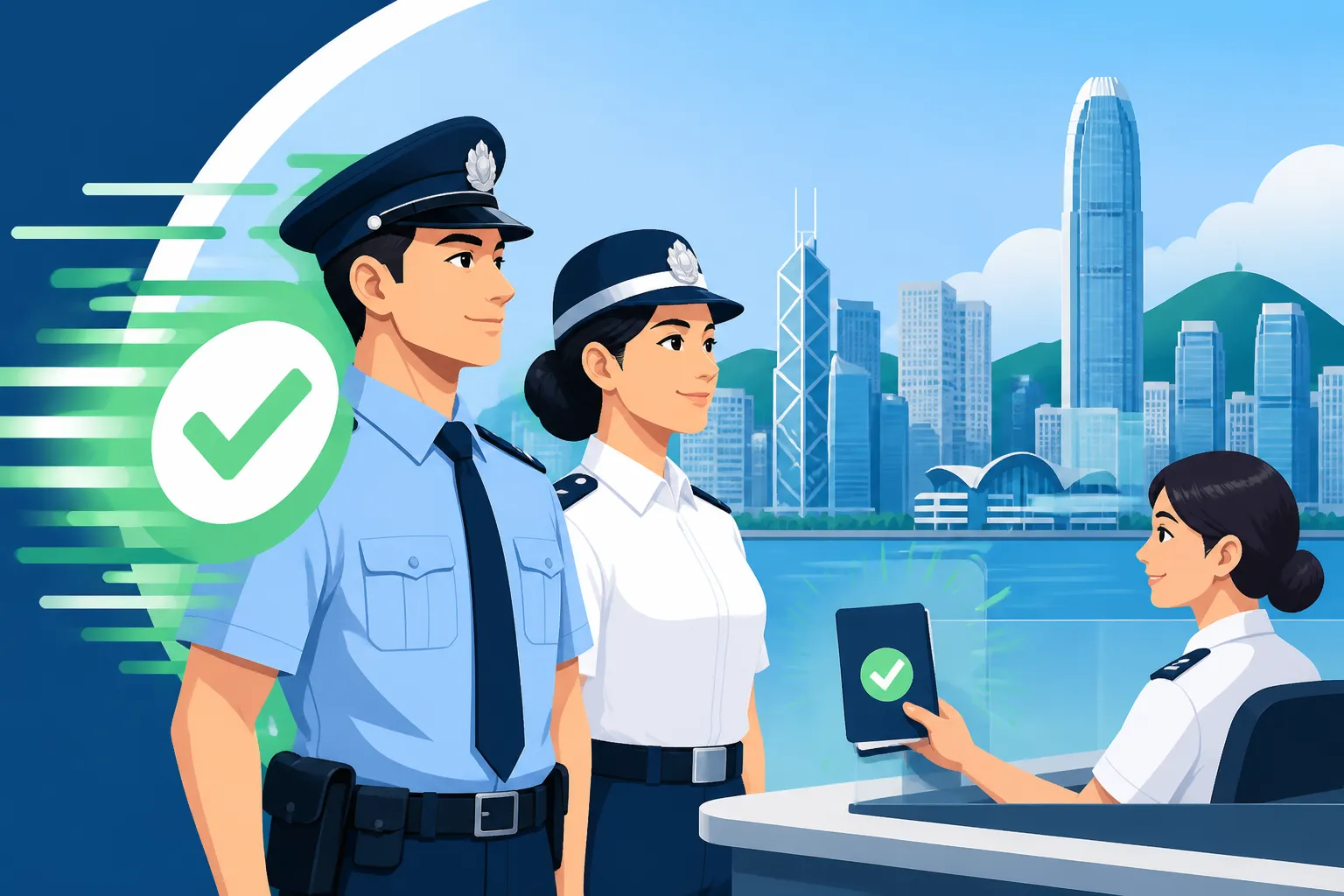
Hong Kong's Immigration Department (ImmD) has recognized the importance of attracting global talent, and with that comes the understanding that a seamless entry process is crucial. Fast-track immigration clearance isn't just about cutting down wait times; it's about making your initial experience in Hong Kong as welcoming and efficient as possible, setting a positive tone for your move. For holders of specific high-value visas like TTPS and QMAS, there are indeed mechanisms in place to help you bypass some of the usual immigration hurdles that other visitors or even general employment visa holders might face.
This streamlined process usually comes into play once you have your official visa label or e-Visa approval, which signifies your status as a valued individual contributing to Hong Kong's talent pool. It's designed to acknowledge that you've already gone through a rigorous application and vetting process, so your physical entry should reflect that trust. While it might not always feel "fast" when you're there in the moment, it's significantly more efficient than the queues for non-eligible persons or tourists, especially during peak travel seasons. The goal is to get you from plane to city with minimal friction.
Eligibility and Application Process for TTPS and QMAS
While both the Top Talent Pass Scheme (TTPS) and the Quality Migrant Admission Scheme (QMAS) are designed to attract skilled individuals, their fast-track clearance mechanics, especially upon first entry, can differ slightly based on how your visa is issued and your prior interaction with the ImmD. The core idea, however, is that your pre-approved status paves the way for a more efficient arrival.
For Top Talent Pass Scheme TTPS Applicants
If you've successfully navigated the Top Talent Pass Scheme (TTPS): The Fast-Track Work Visa and received your visa, you're already in a prime position for a smooth arrival. The TTPS is inherently designed for speed and efficiency, starting from the application process itself. When you arrive at Hong Kong International Airport (HKIA) or any other immigration control point, your TTPS approval letter and the associated e-Visa or visa label are your golden tickets.
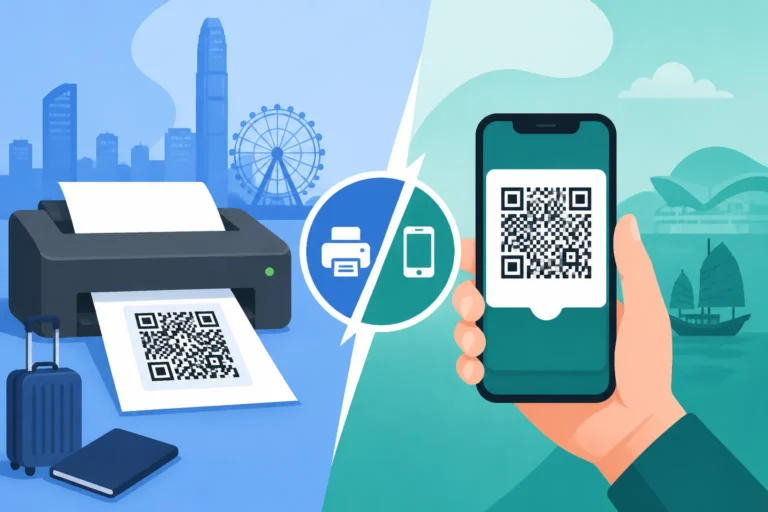
Upon your first entry, you'll generally head to the e-Channel or "Visitor" counters. While TTPS holders are eventually eligible for the full E-channel experience with their HKID, your initial entry often involves a brief interaction at a manned counter. Crucially, ensure you have your printout of the e-Visa (if you applied online through the e-Visa System: Applying, Downloading, and Airport Clearance) or your passport with the physical visa label. The immigration officer will verify your details against their system. What makes it fast-track is that the core vetting has already been done; they're primarily confirming your identity and matching it to your pre-approved status. You won't face the same level of scrutiny as someone entering on a standard visitor visa. Once cleared, they will stamp your passport with your conditions of stay, and you're good to go. Remember, the journey doesn't end there; one of your very first tasks in the city will be to get your Hong Kong Identity Cards (HKID): Registration and Smart IDs, which then unlocks even faster future entries.
For Quality Migrant Admission Scheme QMAS Applicants
The Quality Migrant Admission Scheme (QMAS): Scoring and Strategies is another excellent pathway for talented individuals, and like TTPS, it comes with an implicit promise of efficient processing upon arrival. QMAS applicants, having passed the stringent points-based assessment, are also highly regarded. Your visa, once approved, will either be an e-Visa or a physical label in your passport.
Similar to TTPS, your first port of entry will involve presenting your passport and visa to an immigration officer at a manned counter. It's imperative to have all your Travel Documents Required for e-Visa Entry at HKIA readily accessible. While the officers might ask a few standard questions, your pre-approved QMAS status means the hard work is done. They're simply confirming your documentation and identity. I remember a friend, Sarah, who came in on QMAS. She was so worried about queues, but because she had all her documents organized, including a printed copy of her approval letter and passport, she breezed through. The officer simply scanned her passport, checked the visa, and politely welcomed her to Hong Kong. It's a far cry from the grueling experiences some people might have with more complex visa types or without proper documentation. Your main focus is getting through that initial entry point, and then you’ll be off to book an appointment for your HKID.
The Actual Clearance Experience and What to Expect
Let's talk about the practical side of things. You've landed, you're probably jet-lagged, and all you want is to get to your apartment. Knowing what to expect at immigration can make a world of difference. For TTPS and QMAS holders, the experience is generally smooth, but being prepared is key.
Using E-Channels for Expedited Entry
The true 'fast-track' experience in Hong Kong is unlocked once you have your Hong Kong Identity Card (HKID) and have successfully enrolled in the e-Channel service. For your first entry on your TTPS or QMAS visa, you will typically need to go through a manned immigration counter as described above, where your visa is officially processed and stamped. However, once you've registered for your HKID – and remember, there’s a The 30-Day Rule for Registering a New HKID After Arrival – you become eligible for the fantastic e-Channel system.
Think of the e-Channel as your personal express lane. Instead of waiting for an officer, you simply scan your HKID (or eligible travel document) at a gate, place your finger on a scanner for biometric verification, and the gate opens, allowing you through. It’s incredibly efficient, taking mere seconds once you get the hang of it. To enroll for e-Channel, after obtaining your HKID, you can visit any e-Channel enrollment office at designated immigration control points (like the airport) or Immigration Branch Offices. The process is quick: present your HKID, get your fingerprints scanned, and you’re done. From then on, every entry and exit will be significantly faster. My friend, Mark, travels for work constantly, and he swears by the e-Channel. He says it’s transformed his travel experience, especially when he’s rushing for a connecting flight. You can find more details on E-Channel Enrollment for Faster Immigration Clearance.
Manual Counters vs. E-Channels: When to Use Which
Even with e-Channels, there are times when you might find yourself at a manual counter. It’s not a failure of the system, just part of navigating international travel.
| Feature | E-Channel (After HKID & Enrollment) | Manual Counter (Initial Entry & Specific Cases) |
|---|---|---|
| Speed | Extremely fast (seconds) | Varies, can be 5-30+ minutes during peak hours |
| Interaction | Minimal to none (machine-based) | Direct with an immigration officer |
| Eligibility | HKID holders (and other specific criteria) | All travelers |
| Biometrics | Fingerprint scan | May involve facial scan, no fingerprint for entry |
| First Entry | Not typically for first visa processing | Required for initial visa stamping |
| Family Travel | Each individual needs to use their own | Can process families together |
| Problem Resolution | Redirects to manual counter | Direct resolution with officer |
| Documentation | HKID (and passport) | Passport, visa, approval letters, arrival card |
For your very first entry on a TTPS or QMAS visa, you must use a manual counter. This is where your visa is formally activated in your passport. Once you have your HKID and have enrolled, the e-Channel is your go-to.
However, there are exceptions. If you’re traveling with family members who don't yet have e-Channel access, or if you have a new passport that hasn't been linked to your e-Channel profile, or if there's any anomaly with your fingerprint scan, the e-Channel might direct you to a manual counter. Don't panic! This is normal. Just have your passport, HKID, and any relevant visa documents ready. The officers are generally helpful and used to assisting expats. Always keep your original visa approval letter handy, especially during your initial period in Hong Kong, just in case any questions arise.
Tips for a Smooth Arrival and Continued Ease
Making a big move to a place like Hong Kong requires a lot of preparation. While the fast-track elements of TTPS and QMAS certainly help, a bit of foresight on your part can ensure your arrival and subsequent settlement are as stress-free as possible.
Pre-Arrival Preparation
The adage "fail to prepare, prepare to fail" holds particularly true for international moves. Before you even step foot on the plane, there are a few things you absolutely must sort out to ensure a smooth arrival.
Firstly, double-check all your travel documents. This means your passport, your TTPS or QMAS e-Visa printout or visa label, and any accompanying letters of approval from the Hong Kong Immigration Department. Make physical and digital copies of everything, keeping the physical copies separate from the originals. If any of your supporting documents, like marriage certificates for dependent visas, were issued in a language other than English or Chinese, ensure you have certified translations. Services like RushTranslate can be invaluable for this, providing official translations that meet immigration standards. Don't leave this to the last minute; official translations can take time.
Secondly, consider your travel insurance. While your work visa covers your legal right to be in Hong Kong, it doesn't cover unexpected medical emergencies or travel disruptions on your way here. A good international travel insurance plan, perhaps from a provider like SafetyWing, can offer peace of mind, covering everything from lost luggage to medical emergencies during your transit or even your initial days before your local healthcare system kicks in. It's an investment in your peace of mind that pays dividends if things go sideways.
Finally, have your temporary accommodation details and a local Hong Kong phone number (even if it's just a pre-paid SIM you plan to pick up at the airport) clearly noted. Immigration officers might ask for your local contact details. Being prepared shows you’re organized and ready for your new life in the city.
Post-Clearance Steps
Once you've cleared immigration and breathed that first sigh of humid Hong Kong air, your next crucial step is securing your Hong Kong Identity Card (HKID). As we discussed, this is the key to unlocking the true "fast-track" e-Channel experience for all future entries and exits. Make sure you adhere to the Booking an Appointment for HKID Registration at ImmD Offices and the 30-day rule for registration. It’s a bit of a process, but once done, life becomes much easier.
Beyond the HKID, consider setting up other essential services in your first few weeks. This includes getting your local bank account sorted, understanding Everyday Budgeting in HK: Cost of Living Benchmarks (2026), and familiarizing yourself with public transport routes. If you’ve come with pets, navigating the pet import regulations will be a priority; a service like Pet-Journey can assist with the complexities of bringing your furry friends to Hong Kong. Don't forget to review your Essential Health Checklist for Your First 30 Days in Hong Kong to ensure you're covered for healthcare needs.
Keep all your official documents – passport, HKID, visa approval letters – in a safe, secure place. Hong Kong is a safe city, but losing important identification can be a huge headache, leading to processes like learning Lost or Stolen HKID: How to Report and Replace It. Your visa status, whether TTPS or QMAS, is your foundation here, so guard those papers like gold.
Moving to Hong Kong is an adventure, and these schemes are designed to make it an exciting one. By understanding the immigration process and taking proactive steps, you can ensure your arrival is as smooth and fast-tracked as possible, allowing you to focus on the vibrant new life awaiting you.
Disclaimer
The information provided in this guide is for general informational purposes only and does not constitute legal or immigration advice. While we strive to keep the content up-to-date and accurate based on our experience and publicly available information, immigration policies and procedures in Hong Kong can change rapidly. Readers are strongly advised to consult the official website of the Hong Kong Immigration Department or seek professional advice from a qualified immigration consultant or lawyer for specific guidance related to their individual circumstances. We accept no liability for any loss or damage arising from reliance on the information contained herein.