Getting a Debit Card Without a Minimum Balance Requirement
Let's be honest, few things are more frustrating when you first land in Hong Kong than trying to sort out your finances, only to be met with bank accounts demanding hefty minimum balances. I've been there, staring blankly at application forms, wondering how on earth I was supposed to keep HKD 10,000 in an account when I was still waiting for my first salary. This guide is going to walk you through how to bypass those annoying requirements and get a debit card that works for your expat life.
Understanding Hong Kong's Banking Landscape and Minimum Balance Requirements
When you first arrive in Hong Kong, setting up a bank account is often one of the first, and most daunting, tasks on your checklist. You're probably used to banking systems in your home country where a basic checking account is straightforward and free. Hong Kong's traditional banking sector, however, has historically operated with a different philosophy, often leading to unexpected challenges for newcomers.
The Costly Reality of Traditional Bank Accounts
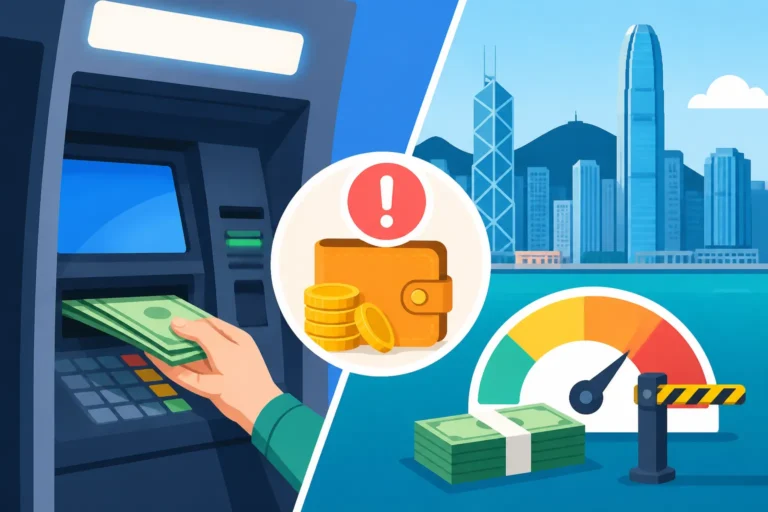
Traditional banks in Hong Kong, like HSBC, Standard Chartered, or Bank of China (Hong Kong), have long imposed minimum daily or monthly average balance requirements on many of their savings and checking accounts. These aren't just arbitrary numbers; they're designed to incentivize customers to maintain a certain level of funds, which helps the banks manage liquidity and justify the operational costs associated with maintaining physical branches, extensive ATM networks, and personalized customer service. For accounts that fall below these thresholds, typically anywhere from HKD 5,000 to HKD 100,000 depending on the account type, banks levy monthly service fees. These fees, while seemingly small, can quickly add up, eating into your hard-earned cash, especially if you're not careful. It’s a penalty for not being "wealthy enough" in their eyes, which can feel incredibly unfair when you're just trying to settle in.
The range of these minimum balance requirements can vary wildly. A basic savings account might demand HKD 5,000, while a premier or wealth management account could require HKD 1,000,000 or more. The penalties for dipping below can be HKD 50, HKD 100, or even more per month, effectively making your "free" account a drain on your resources. It’s a system that benefits those with substantial assets and often leaves new arrivals or those on tighter budgets feeling excluded or nickel-and-dimed. Trying to open a traditional bank account can feel like navigating a minefield of hidden rules and confusing terms, especially when you're still grappling with a new culture and language.
Why Expats Often Struggle with Minimum Balances
As an expat, these minimum balance requirements present a unique set of challenges that can genuinely add stress to an already stressful relocation. Firstly, your salary cycle might not always align perfectly with the bank's average balance calculations. You might receive your paycheque once a month, which means your account might sit below the minimum for a good portion of the month before payday, triggering those pesky fees. Many newcomers have faced cases where a salary deposit on the 10th of the month meant days of potential penalties because the average balance fell short.
Secondly, initial setup costs in Hong Kong are significant. Rent deposits, furnishing an apartment, buying new appliances, and general settling-in expenses can quickly deplete your savings upon arrival. If you're using those funds to get established, maintaining a separate, untouched sum in a bank account just to avoid a fee can feel impossible. Many expats also find themselves needing to send money home, which can further reduce their local balance. This often forces expats into a dilemma: pay fees to a traditional bank, or deal with the inconvenience of not having a fully functional debit card for local use. For those looking to manage their finances effectively from day one, exploring options beyond the conventional is crucial. If you're trying to figure out how to navigate all this, our guide on Banking in HK: Opening Accounts, Virtual Banks, and Credit Cards might be a great next read.
Your Lifeline: Virtual Banks and Multi-Currency Solutions
Thankfully, the banking landscape in Hong Kong has evolved, offering fantastic alternatives that ditch the restrictive minimum balance requirements. These newer players understand the needs of a diverse, mobile population, including expats, and have built their services around flexibility and transparency.
The Rise of Hong Kong's Virtual Banks
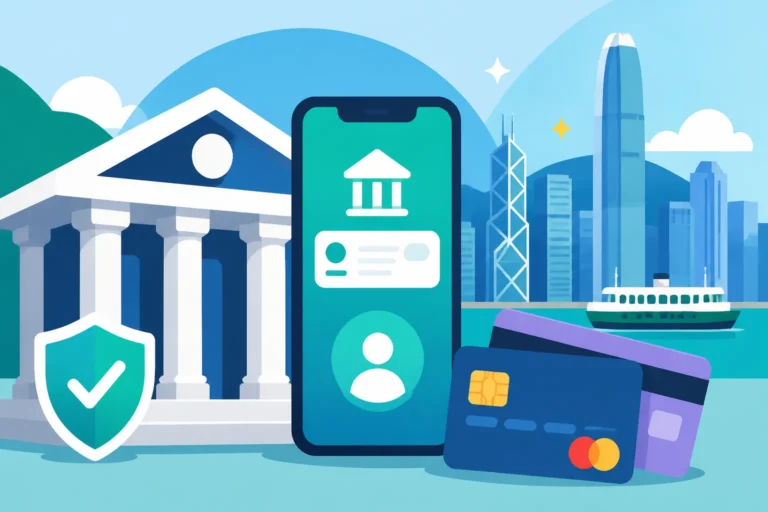
Virtual banks have truly revolutionized banking in Hong Kong, especially for those of us who arrived with the headache of traditional minimum balances. Unlike their brick-and-mortar counterparts, these digital-only banks operate almost entirely through mobile apps, significantly reducing their overheads. This efficiency allows them to offer accounts with no minimum balance requirements, no monthly fees, and often more competitive interest rates or cashback rewards. It’s a breath of fresh air, honestly.
Major players in Hong Kong's virtual banking scene include Mox Bank, ZA Bank, Livi Bank, and Ant Bank. These banks are fully licensed by the Hong Kong Monetary Authority (HKMA), meaning your deposits are protected under the Deposit Protection Scheme, just like with traditional banks. The application process is typically quick and entirely online, often taking just minutes using your HKID and facial recognition. For more detailed comparisons, you might want to check out our deep dive on Virtual Banks in HK: Comparing ZA Bank, Mox, Livi, and Ant Bank or even specific comparisons like Mox vs ZA Bank: Which Virtual Bank is Better for Everyday Spending?. This ease of access and lack of punitive fees makes them incredibly attractive for expats who want a straightforward banking experience.
Multi-Currency Accounts: The Wise Alternative
Beyond virtual banks, multi-currency accounts offered by fintech companies like Wise (formerly TransferWise) present another excellent solution for expats needing a debit card without minimum balance headaches. While not a traditional bank in Hong Kong, Wise offers a multi-currency account that comes with a debit Mastercard. This account allows you to hold, send, and receive money in over 50 currencies, including HKD, often at very competitive exchange rates and transparent fees.
The key advantage here is that there's no minimum balance required to keep the account open or to use the debit card. You only pay for what you use, primarily small fees for currency conversion or international transfers. This makes it ideal for expats who frequently deal with multiple currencies – whether receiving salary in one currency and spending in HKD, or sending money back home. The Wise debit card functions just like a regular debit card in Hong Kong for local spending, and it's a godsend for international travel, as it automatically converts at the real exchange rate. If you're regularly sending money home or managing funds across borders, understanding Wise vs Bank SWIFT Transfers: Cheapest Ways to Send Money will be invaluable.
Choosing and Applying for Your Ideal No Minimum Balance Debit Card
Deciding which no-minimum-balance debit card is right for you in Hong Kong involves looking beyond just the absence of fees. While that’s a huge win, the practicality of the card in your daily life, the ease of application, and the range of features it offers are equally important.
Key Considerations Beyond the Balance
When choosing your ideal debit card, consider the following:
- ATM Access: While virtual banks don't have their own ATMs, most partner with major local banks (e.g., ZA Bank with all JETCO ATMs, Mox with all HSBC/Hang Seng ATMs) allowing you fee-free cash withdrawals. Make sure your chosen card provides convenient access to cash when you need it.
- Foreign Transaction Fees: If you travel frequently outside Hong Kong, compare foreign exchange rates and transaction fees. Wise is particularly strong here due to its focus on international transfers and real exchange rates. Some virtual banks might also offer competitive rates or specific perks for overseas spending.
- App Features and User Experience: Since virtual banks are app-driven, a user-friendly, intuitive mobile app is crucial. Look for features like instant transaction notifications, budgeting tools, easy bill payments, and robust security settings (e.g., card freezing/unfreezing).
- Customer Support: While digital, good customer support is vital. Check if they offer 24/7 in-app chat, email, or a local hotline. Nothing worse than being stuck with a card issue and no one to talk to.
- Integration with Payment Systems: How well does the card integrate with Hong Kong's popular digital payment methods like Octopus, PayMe, and AlipayHK? Seamless integration makes daily life much smoother.
- Security: Ensure the platform has strong security measures, including two-factor authentication, biometric login, and clear policies for protecting your funds and data.
Here’s a quick overview to help you compare:
| Feature/Bank Type | Virtual Banks (Mox, ZA, Livi) | Multi-Currency (Wise) |
|---|---|---|
| Minimum Balance | None | None |
| Monthly Fees | None | None |
| HKD Account | Yes | Yes |
| Multi-Currency Holding | Some (Livi, Mox) | Extensive (50+ currencies) |
| Application Process | Fully digital, fast (HKID, facial recognition) | Online, identity verification |
| ATM Network | Partner ATMs (JETCO, HSBC/Hang Seng) | Global Mastercard network, partner ATMs |
| International Transfers | Available, may have fees | Core service, competitive rates |
| Physical Card | Yes, digital card available instantly | Yes, digital card available instantly |
| FX Rates | Generally competitive | Mid-market rate + small fee |
Note: Information is subject to change. Always verify current terms and conditions.
Navigating the Application Process: Virtual vs. Traditional
The application process for virtual banks and multi-currency services is one of their biggest selling points, especially for expats. Forget the multiple trips to a physical branch, the endless forms, and the weeks of waiting that are often part of Opening a Traditional Bank Account: HSBC, Standard Chartered, and BOC.
For Virtual Banks (Mox, ZA Bank, Livi, Ant Bank):
- Download the App: Start by downloading the chosen virtual bank's app from the App Store or Google Play.
- HKID and Identity Verification: You'll typically need your valid Hong Kong Identity Card (HKID). The app will guide you through scanning your HKID and often requires a live selfie or short video for facial recognition to verify your identity. This biometric authentication is secure and fast.
- Address Proof: While some virtual banks, like ZA Bank, might be able to verify your address directly from government records linked to your HKID, others might require proof of address. This could be a utility bill, bank statement from another HK bank, or a government letter, no older than three months. It’s a good idea to have these documents ready – our guide on Address Proof Requirements for Opening a Bank Account in HK offers more details.
- Basic Information: You'll input your personal details, contact information, and sometimes your employment details.
- Account Activation: Once verified (often within minutes to a few hours), your account is active. You usually get an instant digital debit card, and a physical card is mailed to your registered address.
For Multi-Currency Platforms (e.g., Wise):
- Sign Up Online or via App: Create an account on the Wise website or app.
- Identity Verification: You'll typically need to upload a photo of your passport or HKID, and sometimes a proof of address. They might also require a small transfer from a bank account in your name to confirm your identity.
- Order Debit Card: Once your account is verified, you can order your Wise debit Mastercard. It will be mailed to your address.
The beauty of these platforms is the sheer speed and convenience. You can often get an account and a functional digital card within the same day, allowing you to quickly start managing your money.
Making the Most of Your New Debit Card
Once you have your no-minimum-balance debit card in hand (or on your phone), it's time to put it to good use. These cards are incredibly versatile and can become your primary financial tool in Hong Kong.
- Everyday Spending: Use your debit card for almost everything – groceries, dining out, online shopping, and transport. Most virtual bank cards are Mastercard or Visa, so they're widely accepted across Hong Kong and internationally.
- Cash Withdrawals: As mentioned, virtual banks partner with extensive ATM networks. You can easily withdraw cash without worrying about fees from the bank itself (though specific ATM operators might have their own small charges).
- Online Bill Payments: Link your debit card or virtual bank account to recurring bill payments for utilities, phone plans, or even rent (if your landlord accepts bank transfers).
- Budgeting: Many virtual bank apps offer excellent budgeting tools, categorizing your spending automatically and helping you track where your money goes. This is fantastic for keeping an eye on your Everyday Budgeting in HK: Cost of Living Benchmarks (2026) and managing your expenses.
- International Transactions: If you have a Wise card, you can hold multiple currencies and spend directly in the local currency, avoiding hefty conversion fees. Even virtual bank cards often offer better foreign exchange rates than traditional banks.
Remember, these cards aren't just about avoiding fees; they're about providing a seamless, modern banking experience that genuinely caters to the fast-paced, digital-first lifestyle many expats embrace in Hong Kong.
Practical Tips for Managing Your Finances with Ease
Having a debit card without a minimum balance is just the first step. To truly thrive financially in Hong Kong as an expat, you need to integrate these tools smartly into your daily life and adopt some savvy money management habits.
Integrating Your Debit Card with Local Payment Systems
Hong Kong boasts a highly efficient and diverse digital payment ecosystem, and your new debit card can be the gateway to tapping into it.
- Octopus Card: While not directly linked, you can often top up your Octopus card using funds from your virtual bank account through platforms like the Octopus App or via FPS transfers. The Octopus is king here for public transport, convenience store purchases, and even some restaurants.
- FPS (Faster Payment System): This real-time payment system is ubiquitous in Hong Kong. You can link your virtual bank account (or Wise HKD account) to FPS, allowing you to instantly send and receive money using just your phone number, email address, or HKID. This is incredibly useful for splitting bills with friends, paying rent, or transferring money between your own accounts. Knowing Faster Payment System (FPS): How to Use It for Rent and Bills will simplify your life immensely.
- PayMe: Developed by HSBC, PayMe is a popular peer-to-peer payment app that many Hongkongers use. You can link your debit card or virtual bank account to PayMe, allowing you to easily send and request money from friends. Our article on Linking Your Bank Account to AlipayHK and PayMe can guide you through the setup.
- AlipayHK and WeChat Pay HK: These mobile payment apps are widely accepted, especially in smaller shops, markets, and for specific services. You can top up your AlipayHK or WeChat Pay wallets using your debit card or through FPS, making them convenient for various transactions.
By integrating your no-minimum-balance debit card with these local systems, you'll find that cashless transactions become incredibly smooth and efficient, reducing your reliance on physical cash and making your financial life in Hong Kong much more convenient.
Smart Money Management for Expats
Beyond the technicalities of debit cards, adopting smart money management practices is crucial for any expat in Hong Kong, where the cost of living can be notoriously high.
- Budget, Budget, Budget: This might sound obvious, but it's essential. Utilise the budgeting tools offered by many virtual banking apps or a separate budgeting app. Track your spending diligently to understand where your money is going. This will help you identify areas where you can cut back and ensure you're not caught off guard by unexpected expenses.
- Emergency Fund: Always aim to build an emergency fund, ideally three to six months' worth of living expenses. Having this buffer in an easily accessible, no-fee account will provide immense peace of mind, especially when you're far from your home country's support network.
- Review Statements Regularly: Make it a habit to check your bank statements and transaction history regularly. This helps you spot any unauthorized transactions immediately and keeps you aware of your financial health. It's also a great way to monitor those subtle fees or subscription charges you might have forgotten about.
- Understand Foreign Exchange: If you frequently deal with multiple currencies, either for remittances or travel, make sure you understand exchange rates and fees. Services like Wise, which focus on transparent mid-market rates, can save you a lot compared to traditional bank transfers. Even for local spending, being aware of how foreign transactions are processed on your card is important.
- Set Up Alerts: Many virtual banks allow you to set up instant notifications for every transaction. This immediate feedback helps you stay on top of your spending and quickly identify any suspicious activity.
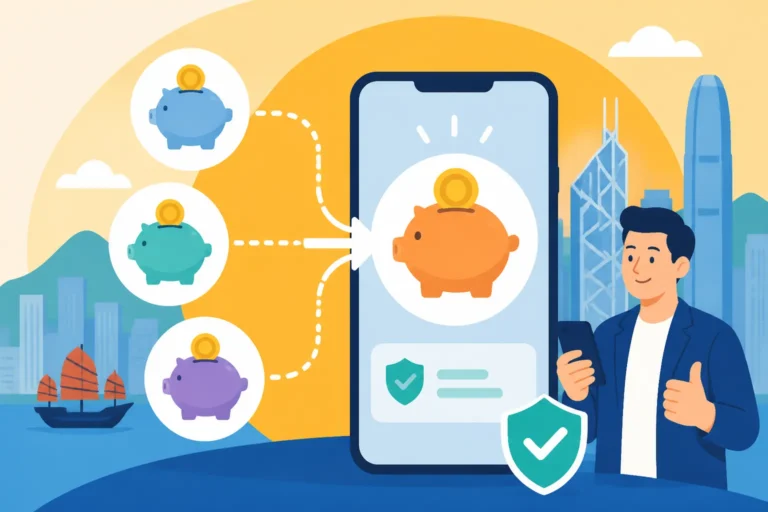
- Separate Savings: While your debit card account might be your primary spending account, consider having a separate savings pot, perhaps within the same virtual bank app or a different high-yield savings account if available, to compartmentalize your funds and discourage impulsive spending. This helps your money work harder for you, even if it's just a little bit.
By combining the convenience of a no-minimum-balance debit card with diligent financial habits, you can conquer the Hong Kong money maze and ensure your expat adventure isn't hampered by avoidable banking fees.
Disclaimer
The information provided in this guide is for general informational purposes only and does not constitute financial or legal advice. While we strive to keep the content up-to-date and accurate, banking regulations, product offerings, and fees in Hong Kong can change rapidly. Always consult with the respective financial institutions or a qualified financial advisor for the most current and personalized information.