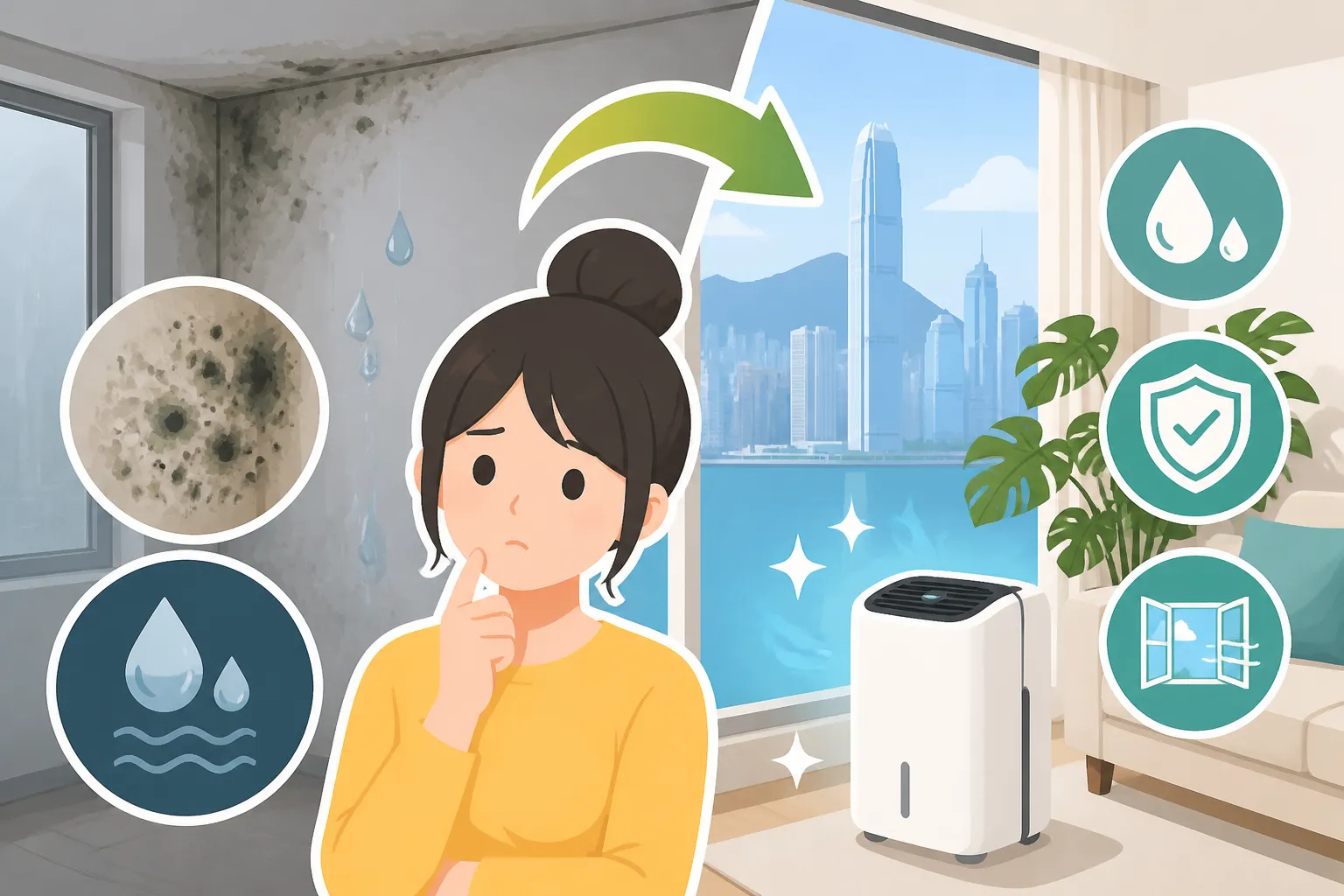
Dealing with Humidity and Mold in Your Apartment
One of the most insidious and persistent challenges of living in Hong Kong, especially for us expats who might be used to drier climes, is the relentless battle against humidity and its inevitable companion: mold. It creeps into your wardrobe, stains your walls, and even makes your lungs feel a bit heavier. This guide is dedicated to helping you understand, prevent, and, if necessary, conquer the pervasive problem of mold in your Hong Kong apartment, ensuring your home remains a sanctuary, not a science experiment.
Understanding Hong Kong's Humid Climate and Why It Matters
Moving to Hong Kong is exhilarating – the vibrant city life, the stunning hikes, the incredible food! But then, the seasons change, and suddenly, you’re not just feeling sticky, your belongings are too. This isn't just a minor annoyance; it's a fundamental aspect of life here that directly impacts your living space and your health.
The Battle Against Relentless Humidity
Hong Kong's unique geographical position makes it a hotspot for humidity. Nestled on the southeastern coast of China, it’s surrounded by the South China Sea, and its subtropical climate ensures high moisture levels for much of the year. We experience long, hot, and very humid summers, typically from April to September, where the relative humidity frequently hovers above 80% and often hits 90% or even 100% on particularly muggy days. The monsoon season, which usually overlaps with summer, brings heavy rainfall, further saturating the air. Even during the cooler, drier winter months, humidity can still be a factor, especially when warm, moist air blows in from the sea, leading to the infamous "rebound humidity" or "wet weather" phenomenon where surfaces literally drip with condensation. It’s not just a feeling; it’s a constant, tangible presence in your home. This environmental factor is something you quickly add to your Essential Health Checklist for Your First 30 Days in Hong Kong if you want to avoid issues later.
The Perfect Storm for Mold Growth
So, how does this relentless humidity translate into a mold problem? It's really a perfect storm created by several factors. Mold thrives in damp, dark, and poorly ventilated environments. Hong Kong apartments, for all their charm and convenience, often present these exact conditions. Many buildings are constructed from concrete, which can trap moisture. The compact living spaces mean that furniture is often pushed right up against walls, blocking airflow. Add to this the fact that many of us are hesitant to open windows widely for extended periods due to noise, pollution, or security concerns, and you've got stagnant, moisture-laden air just waiting for mold spores to land and flourish. Tiny leaks, condensation from air conditioners, or even residual moisture from heavy rain can seep into walls and ceilings, becoming invisible breeding grounds for mold. Before you know it, that faint musty smell turns into visible black or green patches on your walls, clothes, or even shoes. It’s a disheartening sight, and often, the first sign is that tell-tale odor rather than visible growth.
Proactive Measures: Preventing Mold Before It Starts
The old adage "prevention is better than cure" couldn't be more true when it comes to mold in Hong Kong. Once it takes hold, it's a nuisance, but with some consistent effort and the right tools, you can significantly reduce its chances of setting up shop in your home.
Ventilation is Your Best Friend
Proper airflow is critical to keeping humidity levels down and preventing mold spores from settling. It sounds simple, but it's often overlooked.
- Open Windows Strategically: I know, I know. Sometimes the air quality is terrible, or the jackhammers next door are deafening. But when the air is dry (check the Hong Kong Observatory app!), throw open those windows and let the air circulate. Even a few hours of cross-ventilation can make a huge difference. During humid days, this can actually make things worse, so be smart about when you open them.
- Utilize Fans: Ceiling fans, standing fans, and exhaust fans are your allies. Use exhaust fans in bathrooms and kitchens during and after use for at least 30 minutes to vent out steam and cooking odors. If your bathroom doesn't have an exhaust fan, a powerful standing fan pointed towards the door can help push moist air out.
- Create Air Gaps: Resist the urge to push all your furniture flush against the walls. Leaving a few inches of space allows air to circulate behind wardrobes, sofas, and beds, preventing moisture from getting trapped and creating a dark, damp haven for mold. This is especially important for exterior walls.
- Consider Extractor Fans: Some older apartments might not have adequate ventilation, particularly in bathrooms or internal rooms. If you own your place, or if your landlord is amenable, installing a small extractor fan can be a game-changer.
Dehumidifiers: An Essential Investment
If there's one appliance I'd recommend every expat in Hong Kong buy, it's a good dehumidifier. This isn't a luxury; it's a necessity.
- Types and Sizing: There are generally two main types:
- Compressor Dehumidifiers: These are common, work best in warmer, more humid conditions (i.e., Hong Kong summer), and are generally more energy-efficient. They cool air over coils, condensing the moisture into a collection tank.
- Desiccant Dehumidifiers: These use a desiccant material to absorb moisture and are more effective in cooler, less humid environments. While less common for general home use in HK's typical summer, they can be useful in very cold, damp spaces that compressor models might struggle with.
When choosing, consider the size of your space. A small unit might be fine for a bedroom, but a larger, more powerful one is needed for an open-plan living area or if you want to tackle multiple rooms. Look for models with a good liter-per-day extraction rate.
- Proper Usage: Run your dehumidifier regularly, especially during the spring and summer. Aim to keep your indoor humidity levels between 50-60%. Many models have a built-in hygrometer and can be set to a target humidity level, turning on and off automatically. Empty the water tank frequently, or ideally, get one with a continuous drainage option if you have a floor drain nearby. Some people even strategically move their dehumidifier from room to room over the course of the day or week. Brands like De'Longhi and Hitachi are popular choices in Hong Kong and widely available at major electronics retailers like Broadway and Fortress.
- Don't Forget Moisture Absorbers: For smaller, enclosed spaces like wardrobes, drawers, or under sinks, moisture-absorbing packets (often containing silica gel or calcium chloride) can be surprisingly effective. You'll find these easily at supermarkets or household stores like Japan Home Centre. They won't replace a dehumidifier for a whole room, but they're excellent for specific problem spots where airflow is minimal.
| Dehumidifier Type | Best For | Energy Efficiency | Noise Level | Key Feature |
|---|---|---|---|---|
| Compressor | Warm, very humid environments (HK summer) | Generally high | Moderate | Efficient at higher temperatures |
| Desiccant | Cooler, less humid environments, very cold rooms | Moderate to low | Quieter | Good for lower temperatures |
| Mini/Thermoelectric | Small, enclosed spaces (wardrobes) | Very low | Very quiet | Portable, but very limited capacity |
| Moisture Absorbers | Drawers, closets, shoe cabinets | N/A | Silent | Disposable, targeted absorption |
Strategic Cleaning and Maintenance
Regular cleaning goes a long way in preventing mold from taking hold. Mold feeds on organic matter, so keeping surfaces clean and dry removes its food source.
- Routine Cleaning: Wipe down surfaces regularly, especially in bathrooms and kitchens. Pay attention to corners, grout lines, and areas behind appliances. A general-purpose cleaner with some disinfectant properties can help.
- Check for Damp Spots: Make it a habit to check for dampness in less obvious places: under sinks, around window frames, behind washing machines, and in the often-overlooked utility cupboards. Early detection is key.
- Mold-Resistant Products: When repainting, consider using mold-resistant paint, particularly in bathrooms and kitchens. You can also find mold-resistant sealants for grout and caulking.
- Air Conditioner Maintenance: Cleaning Schedules and Landlord Disputes: This is absolutely vital. AC units are notorious breeding grounds for mold if not cleaned regularly, as they process large volumes of humid air. Make sure your filters are cleaned or replaced, and the coils are professionally serviced at least once a year. If you're renting, clarify with your landlord who is responsible for this in your Renting in Hong Kong: Apartments, Leases, and Tenant Rights agreement, and what the typical obligations are for Who Pays for Repairs: Landlord or Tenant Obligations?.
Reactive Measures: Tackling Existing Mold Problems
Despite your best efforts, mold might still appear. Don’t panic! Small patches can often be dealt with safely and effectively yourself. However, knowing when to call in the cavalry is also important.
Identifying the Culprits: Where Mold Hides
Mold is sneaky. It doesn't always grow in plain sight.
- Bathrooms: The most common culprit. Check shower curtains, grout lines, under sinks, behind toilets, and even on the ceiling from steam buildup.
- Wardrobes and Closets: This is where many expats discover their first major mold issue. Clothes, shoes, and leather bags are prime targets, especially if the wardrobe is against an exterior wall or poorly ventilated. Remember that tip about creating air gaps? Crucial here.
- Behind Furniture: Sofas, beds, and bookshelves pushed against walls, especially those that are externally facing, can create damp, dark pockets perfect for mold.
- Window Frames and Sills: Condensation often collects here, providing enough moisture for mold to grow.
- Hidden Leaks: This is the big one. Persistent mold in a localized area, particularly on a wall or ceiling, could indicate a plumbing leak from above or within the wall. This requires immediate attention. Even minor structural issues like cracks in external walls can let in moisture, particularly during heavy rains.
- Under Carpets or Rugs: If you have any carpets, especially older ones, check for mold underneath, particularly if they're near a bathroom or window.
DIY Mold Removal: What You Can Do Safely
For small, surface-level mold patches, you can often handle it yourself. Always wear gloves, eye protection, and a mask to avoid inhaling spores or irritating your skin.
- White Vinegar: A fantastic natural mold killer. Mix undiluted white vinegar in a spray bottle, spray directly on the mold, let it sit for about an hour, then scrub with a brush and wipe clean. The smell dissipates quickly.
- Hydrogen Peroxide: A 3% hydrogen peroxide solution (available at pharmacies) can also be used. Spray it on the mold, let it sit for 10-15 minutes, then scrub and wipe. It's safe for many surfaces, but test a small area first.
- Baking Soda: Great for mild mold and also helps absorb odors. Mix baking soda with water to form a paste, apply to the mold, let it dry, then scrub off and rinse.
- Commercial Mold Cleaners: Many products are available in supermarkets and hardware stores. Be sure to read the instructions carefully and ensure the area is well-ventilated when using them, as they often contain stronger chemicals. Dettol and Mr. Muscle often have readily available mold and mildew removers.
Remember, simply wiping away visible mold isn't enough; you need to kill the spores at the root. Also, never mix bleach with ammonia-based cleaners, as this creates dangerous toxic fumes. While bleach can kill surface mold, it doesn't always penetrate porous surfaces effectively and can sometimes discolor items.
When to Call in the Professionals
There are times when DIY simply isn't enough, and it's crucial to know when to bring in the experts.
- Large Areas of Mold: If mold covers more than a square meter or two, or if it's deeply embedded in walls or structural elements, it's best left to professionals. They have the right equipment for containment, removal, and disposal, preventing spores from spreading throughout your home.
- Hidden Mold: If you suspect mold behind walls or under flooring (e.g., strong musty smell but no visible source), a professional mold remediation company can use specialized tools to detect and safely remove it without causing further contamination.
- Health Concerns: If you or your family members are experiencing persistent respiratory issues, allergies, or other health problems that could be linked to mold exposure, get a professional assessment. Prolonged exposure can be detrimental, especially for those with asthma or compromised immune systems. You might also want to consult with Dermatologists in HK: Coping with Humidity and Eczema if skin issues arise.
- Persistent Recurrence: If you've cleaned mold yourself, but it keeps coming back in the same spot, it often indicates an underlying moisture problem that needs professional diagnosis and repair, such as a leaky pipe or structural issue.
- Serviced Apartments: If you’re in a serviced apartment, like those offered by Blueground or Habyt, any significant mold issue should be immediately reported to management. They are typically responsible for maintenance and professional remediation in such cases. They’ll likely have protocols in place to address it swiftly.
Living with Less Humidity: Everyday Habits and Apartment Choices
Beyond active prevention and treatment, adapting your lifestyle and making informed choices about your living space can significantly ease the humidity and mold burden.
Wardrobe Woes and Storage Solutions
Hong Kong's humidity is particularly unkind to textiles, leather, and paper. I've had many an expat friend bemoan a favorite leather bag suddenly sprouting a green fuzz!
- Ventilate Your Wardrobe: As mentioned, keep clothes slightly away from back walls. Open your wardrobe doors occasionally to air them out, especially on dry days.
- Use Moisture Absorbers: Place sachets of moisture absorbers or small dehumidifying boxes in your wardrobes and drawers. Replace them regularly as they fill with water.
- Proper Storage: Store seasonal clothes, expensive bags, and shoes in breathable bags or boxes, not sealed plastic containers, which can trap moisture. Throw in some silica gel packets. For leather items, ensure they are clean and dry before storage.
- Circulate Air: If you have a large wardrobe, a small fan pointed into it for a few hours can help circulate air.
- Important Documents: Keep passports, certificates, and other vital papers in sealed, waterproof bags or containers, preferably with a desiccant, to prevent them from becoming damp and brittle.
Apartment Hunting with Humidity in Mind
When you're searching for a new place, keep mold prevention at the forefront of your mind. It might save you a lot of headaches later, especially if you're navigating the complexities of Renting in Hong Kong: Apartments, Leases, and Tenant Rights.
- Aspect and Ventilation: Apartments on higher floors or those with good cross-ventilation (windows on opposite sides) tend to be less humid. South-facing apartments might get more sun, which can help with drying, but can also be hotter. North-facing units might be cooler but more prone to dampness. Pay attention to how air flows through the unit.
- Building Age and Construction: Newer buildings often have better seals and construction to mitigate dampness. However, older buildings, if well-maintained, can also be fine. Always check for visible signs of past water damage or mold during viewings. This is particularly relevant when considering distinct areas such as Living in Mid-Levels and Central: Pros, Cons, and Commutes versus Taikoo Shing: Why It's Popular with Expat Families or Kennedy Town Living: Transport Links and Vibe, as building ages and types vary widely.
- Serviced Apartments: For newcomers, Short-Term Serviced Apartments for Your First Month in HK can be a fantastic option. Many of these modern units are designed with better humidity control and have responsive maintenance teams to address issues quickly. This can give you a buffer before committing to a longer-term lease where you'll be more responsible for upkeep.
- Check the Bathroom: Inspect the bathroom carefully. Look at the ceiling for water stains, check the grout for black mold, and ensure there's an exhaust fan that actually works. A window in the bathroom is a huge plus.
- External Walls: Take note of rooms with large external walls, especially if they don't get much sunlight. These are often prime areas for condensation and mold.
Air Conditioner Maintenance: Cleaning Schedules and Landlord Disputes
We mentioned this earlier, but it truly deserves its own emphasis. Your air conditioning unit is not just for cooling; it's a vital tool in your humidity battle. It actively removes moisture from the air as it cools.
- Regular Cleaning is Non-Negotiable: Seriously, get those filters cleaned every few weeks, especially during peak season. You can often do this yourself by simply popping out the filters and washing them with water and a mild detergent. Let them dry completely before putting them back.
- Professional Servicing: Once a year, preferably before the summer hits, have a professional come in to deep clean the coils and drainage pipes. This prevents mold and bacteria buildup inside the unit, ensures optimal performance, and maintains air quality.
- Dehumidify Mode: Many modern AC units have a dedicated "Dry" or "Dehumidify" mode. This setting runs the unit at a lower fan speed and cooling capacity, specifically to remove moisture without making the room excessively cold. It can be more energy-efficient for dehumidifying than simply running the AC on a low temperature.
- Landlord Responsibilities: Refer back to your tenancy agreement or discuss with your landlord about who is responsible for major AC servicing. Typically, landlords are responsible for structural repairs and major appliance maintenance, but tenant upkeep (like filter cleaning) is expected. If a dispute arises, knowing your rights as a tenant is important. For more detail, you can explore the topic of Air Conditioner Maintenance: Cleaning Schedules and Landlord Disputes directly. Remember, landlords generally prefer you take care of small issues proactively to avoid major repair costs later.
By understanding Hong Kong's unique climate, being proactive with your prevention strategies, and knowing how to react when mold inevitably appears, you can ensure your apartment remains a comfortable, healthy home rather than a constant source of frustration. It takes effort, but the peace of mind (and the mold-free wardrobe!) is absolutely worth it. And who knows, you might even find some useful tips if you’re looking to get yourself some Buying Second-Hand Furniture on Carousell and AsiaXpat to fill your space, just be sure to give them a thorough cleaning first!
Disclaimer
The information provided in this guide is for general informational purposes only and does not constitute professional advice. While we strive to provide accurate and up-to-date information, living conditions and regulations in Hong Kong can vary. Always consult with relevant professionals (e.g., mold remediation specialists, landlords, legal advisors) for specific concerns related to your situation.