Dermatologists in HK: Coping with Humidity and Eczema
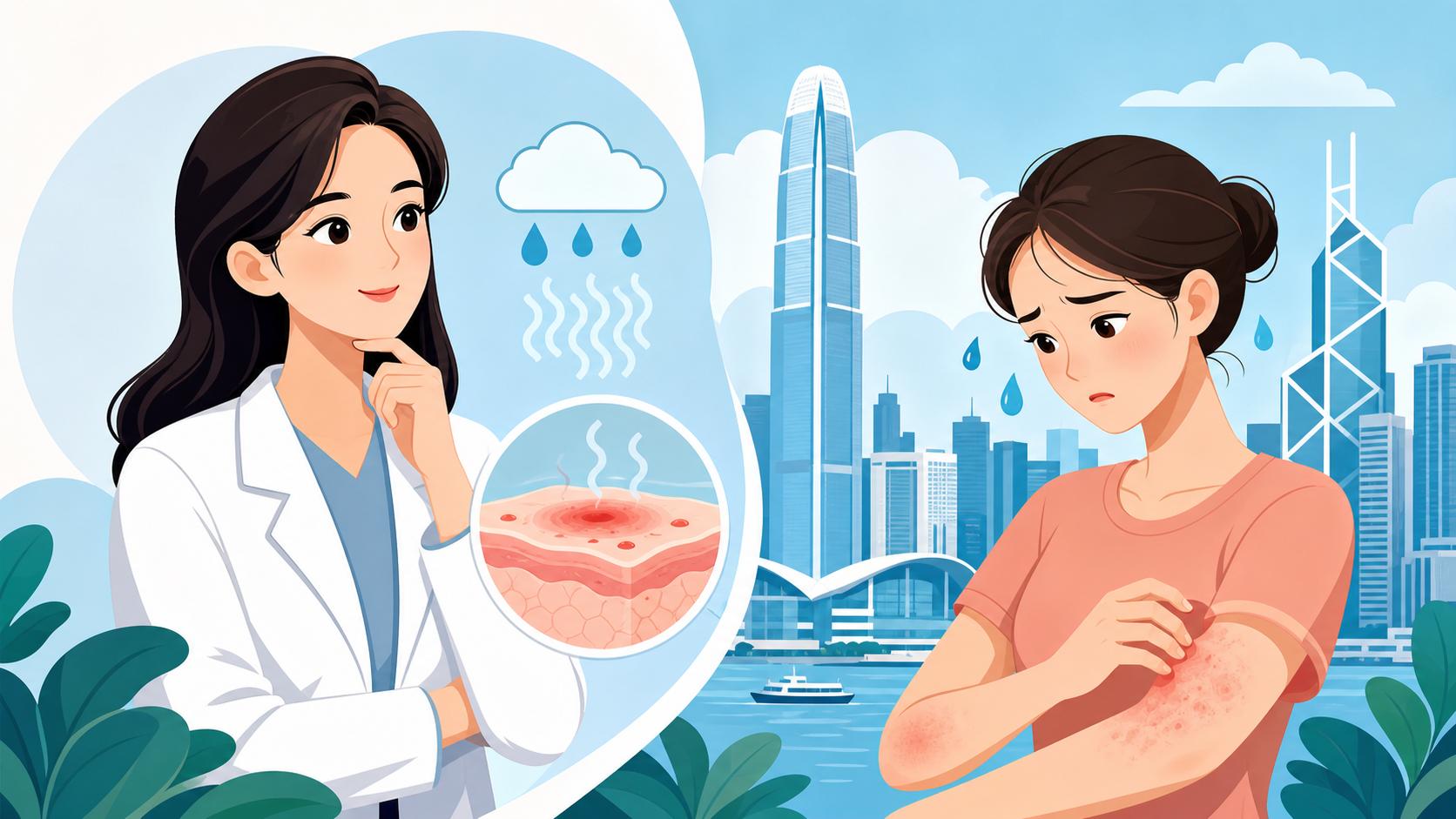
Living in Hong Kong means constant battle with humidity that feels like a heavy, wet blanket pressing against your skin. I remember my first summer in Mid-Levels when my skin, previously manageable, suddenly erupted into a weeping, itchy mess of eczema that left me desperate for answers. This guide solves the mystery of navigating dermatological care in the 852 while offering battle-tested strategies for surviving the city's unique climate.
Understanding the Hong Kong Humidity Factor
The subtropical climate of Hong Kong is not just about the heat; it is about the moisture saturation that rarely drops below 80 percent during the long summer months. For those of us used to temperate or dry climates, this shift is a massive shock to the skin's barrier function. The high humidity prevents sweat from evaporating effectively, which leads to a constant film of salt and bacteria sitting on the epidermis. This is the primary reason why many expats find their skin conditions worsening within weeks of arrival.
Why the Subtropical Climate Wreaks Havoc on Skin
In the 852, the skin is subjected to a "ping-pong" effect. You move from the stifling, humid outdoors into offices and malls where the air conditioning is set to a bone-dry 18 degrees Celsius. This constant oscillation causes the skin to rapidly expand and contract, leading to micro-tears in the moisture barrier. When the barrier is compromised, allergens like dust mites and pollutants can penetrate more easily, triggering the inflammatory response we know as eczema or dermatitis.
Furthermore, the humidity encourages the growth of Malassezia, a type of yeast that lives on the skin. In dry climates, this yeast is kept in check, but in the Hong Kong "sauna," it flourishes, leading to fungal acne or seborrheic dermatitis. This is why a skincare routine that worked in London, New York, or Sydney often fails miserably here. You aren't just fighting your genetics; you are fighting a geographical phenomenon.
The Sweat-Bacteria Cycle: Beyond Simple Heat
Sweat in Hong Kong is different. It is thick, persistent, and trapped under clothing. When sweat sits on the skin for extended periods, it can cause "miliaria" or heat rash, which often mimics eczema. The salt in the sweat acts as an irritant, and if you are already prone to atopic dermatitis, this becomes a nightmare cycle of itching and scratching.
I’ve found that even the friction from a backpack or a tight bra strap can become a focal point for a massive flare-up during a hike in Sai Kung. The bacteria that thrive in these warm, moist environments further complicate things, often leading to secondary infections. This makes it crucial to have a strategy for immediate cooling and cleansing the moment you step back indoors. Using a specialized plan from SafetyWing can be a lifesaver if you find yourself needing urgent care for a sudden, severe skin infection while exploring the region.
Managing Eczema in the 852
Eczema in Hong Kong is a distinct beast. It isn't just "dry skin"; it is often "inflamed, wet skin." The traditional advice of "moisturize, moisturize, moisturize" can actually backfire if you use heavy, occlusive creams that trap heat and sweat against the skin. Finding the balance between hydration and breathability is the holy grail for local residents.
Identifying Local Triggers: Mold, Dust Mites, and Pollution
One of the biggest hidden culprits for skin flare-ups in Hong Kong is indoor mold. Because of the humidity, mold spores are everywhere—inside your air conditioning units, behind your wardrobes, and even in your mattress. Many expats find that their "eczema" is actually a systemic allergic reaction to these spores. Dealing with Mold Allergies and Eczema Flare-ups in HK Apartments is a fundamental part of dermatological self-care here.
Dust mites also thrive in the warm, humid environment of a typical Hong Kong flat. Since many apartments are small and have limited ventilation, the concentration of these allergens can be incredibly high. I had to switch to hypoallergenic bedding and invest in a high-efficiency particulate air (HEPA) vacuum just to get through the night without clawing at my arms. Additionally, the roadside pollution in areas like Causeway Bay or Mong Kok introduces heavy metals and particulate matter that physically irritate the skin, making a thorough double-cleanse at the end of the day non-negotiable.
Daily Skincare Routines for High Humidity
The mantra for Hong Kong skincare is "light layers." Instead of one thick cream, think about using a hydrating toner, a light serum, and a gel-based moisturizer. This allows the skin to breathe while still maintaining its barrier. Look for ingredients like ceramides and hyaluronic acid, which help repair the skin without the heaviness of petrolatum or mineral oil.
During the peak of summer, I often keep my soothing mists and gel masks in the fridge. The cooling sensation helps to constrict the blood vessels and reduce the immediate urge to scratch. You also need to be wary of "fragrance-free" vs "unscented" products; in the local heat, even a mild fragrance can become an irritant when mixed with sweat. If you are struggling to find the right products, SafetyWing can provide the peace of mind needed when seeking professional advice on medical-grade skincare alternatives.
Finding the Right Dermatologist in Hong Kong
When the over-the-counter creams stop working and the itching is keeping you awake at 3 AM, it is time to see a specialist. Hong Kong has some of the best dermatologists in the world, but the system can be confusing for a newcomer. You have to choose between the efficiency of the private sector and the affordability of the public system.
Private Practice vs Public Hospital Referrals
If you have private insurance, the private route is almost always the way to go. You can usually get an appointment within a few days, and the clinics, especially those in Central or Tsim Sha Tsui, feel more like a spa than a doctor's office. Finding English-Speaking General Practitioners (GPs) in Central is often the first step, as a GP can provide a referral to a specialist, which might be required by your insurance provider.
The public system, while excellent, is under immense pressure. For non-urgent skin conditions, the waiting time at a public specialist clinic can be months, if not years. However, for acute, severe conditions, the public hospitals are world-class. Understanding the Public vs Private Systems Explained will help you manage your expectations regarding wait times and level of personalized care. In the private sector, doctors have more time to discuss lifestyle factors and offer advanced treatments like phototherapy or biologics.
Specialized Clinics for Chronic Skin Conditions
Some clinics in Hong Kong specialize specifically in "atopic" conditions. These are the places to go if you have a history of asthma, hay fever, and eczema—the so-called "atopic triad." These specialists often work closely with allergists to provide a holistic treatment plan that includes patch testing for local allergens.
When choosing a dermatologist, look for those who are members of The Hong Kong College of Dermatologists. This ensures they have undergone the rigorous local training required to handle the specific skin issues prevalent in this climate. Many of these specialists have offices in "Medical Suites" located in skyscrapers like Prince's Building or Entertainment Building in Central. These hubs are convenient but come with a price tag to match the real estate.
| Feature | Public Dermatology (HA) | Private Dermatology Clinic |
|---|---|---|
| Wait Time | 6 to 24+ months for stable cases | Same day to 1 week |
| Cost (Consult) | HKD 135 (with HKID) | HKD 800 – HKD 2,500 |
| English Proficiency | Variable, usually good | High |
| Treatment Range | Standard medications/procedures | Access to latest biologics/lasers |
| Referral Needed | Yes, from a public GP | Usually no (but check insurance) |
Costs and Insurance for Dermatological Care
One of the biggest shocks for expats in Hong Kong is the cost of specialized medical care. Dermatology is often considered a "specialist" service, which means it sits in a different tier for billing and insurance claims. It is not uncommon to walk out of a 15-minute consultation with a bill exceeding HKD 3,000 once medications are included.
Out-of-Pocket Expenses in Private Clinics
The consultation fee is just the starting point. In Hong Kong, doctors often dispense medication directly from their clinic. This is convenient, but the markup on specialized eczema creams or biological injections can be significant. A single tube of a non-steroidal anti-inflammatory cream like pimecrolimus can cost three times what you might pay in Europe or Southeast Asia.
You should always ask for a breakdown of the costs before the nurse packs your bag of medications. Sometimes, it is cheaper to take the prescription to a local pharmacy, though for specialized dermatological drugs, the clinic might be the only place that stocks them. If you are worried about these mounting costs, a comprehensive plan from Cigna Global can be essential for covering chronic conditions that require long-term specialist visits and expensive prescriptions.
How Insurance Covers Specialist Consultations
Most expat-focused insurance plans will cover dermatology, provided the condition is not considered "cosmetic." This is a crucial distinction in Hong Kong, where many dermatologists also perform aesthetic procedures like Botox or laser hair removal. If your visit is for eczema, acne, or a suspicious mole, it is typically covered.
However, you need to check if your policy requires a "GP Referral." If you go directly to a dermatologist without one, your insurer might reject the claim. How Specialist Referrals Work in the HK Public System is a good reference point for how the logic of referrals flows in the city. If you have a high-tier plan, such as those offered by Cigna Global, you often have "direct access" to specialists, meaning you can skip the GP altogether and head straight to the skin expert.
Over-the-Counter Solutions and Local Pharmacies
Not every skin issue requires a doctor. For mild flare-ups, the local pharmacies in Hong Kong are incredibly well-stocked, provided you know what you are looking for. However, the sheer variety of products can be overwhelming, and the advice given by shop assistants may not always be medically sound.
Deciphering Labels at Watsons and Mannings
Watsons and Mannings are the two dominant pharmacy chains. They both have "Rx" counters where a registered pharmacist is on duty. If you have a specific question about a cream, always wait for the pharmacist rather than asking the general floor staff. Pharmacies and Medication in HK: Prescriptions and OTC Rules provides a deeper dive into what you can and cannot buy without a doctor's note.
In Hong Kong, you can often find European brands like La Roche-Posay, Avene, and Bioderma at competitive prices. These brands are favorites among the expat community for their "minimalist" formulas that are less likely to irritate sensitive skin. Be wary of local whitening products, which are ubiquitous; many of them contain ingredients that can be harsh or thinning on already fragile eczema-prone skin. Always look for the "aqueous cream" or "emulsifying ointment" as a cheap and effective soap substitute.
Traditional Chinese Medicine (TCM) for Skin Issues
Many locals and long-term expats turn to TCM for managing chronic skin conditions. The philosophy here is that skin issues are an outward manifestation of "internal heat" or "dampness"—which makes sense given the Hong Kong environment. A TCM practitioner will usually prescribe a "cooling" herbal tea or a topical paste made from roots and bark.
If you decide to explore this route, it is vital to find a reputable practitioner. Some "miracle" TCM creams sold in smaller shops have been found to be illegally spiked with high-potency steroids. Traditional Chinese Medicine (TCM) in HK: A Guide for Foreigners is a helpful starting point for understanding how to integrate these ancient practices safely with Western medicine. Over-the-Counter (OTC) Medicines in HK: Watsons, Mannings, and Rx also lists where you can find regulated TCM products.
Practical Lifestyle Adjustments for Clearer Skin
Beyond the doctor's office, the way you live in Hong Kong will determine the health of your skin. Small changes in your daily routine can significantly reduce the frequency and severity of eczema flare-ups. It’s about creating a "micro-environment" that protects you from the macro-environment of the city.
Diet and Hydration in a Humid Environment
While the humidity is high, your body can still become dehydrated, especially if you are spending hours in air-conditioned environments. Dehydrated skin is more prone to itching. I’ve found that increasing my water intake and reducing my consumption of "heaty" foods—like fried chicken or spicy hotpot—actually makes a difference in my skin's inflammation levels.
There is a local belief in "cooling" soups, and while the science is debated, staying hydrated with electrolyte-rich drinks during the summer sweatfest is practical advice. If you’re a frequent traveler, SafetyWing can be a great companion for those quick trips out of the city to escape the pollution and give your skin a "clean air" break.
Apartment Management: Dehumidifiers and Air Purifiers
If you own only one appliance in Hong Kong, make it a high-powered dehumidifier. During the "humid season" (March to June), your dehumidifier should be running almost 24/7. Keeping your indoor humidity between 50 and 60 percent is the single best thing you can do for your skin. It prevents mold growth and stops that sticky feeling that leads to scratching.
Buying Dehumidifiers and Air Purifiers for HK Weather is essential reading for anyone moving into a new flat. I also recommend an air purifier with a HEPA filter to catch the fine PM2.5 particles that blow in from the harbor. These particles are small enough to lodge in your pores and trigger a dermatitis flare. Keeping your living space a "clean air sanctuary" gives your skin time to recover from the daily assault of the city streets.
If your condition is severe enough that you require inpatient treatment, you will want to know about the Private Hospitals in Hong Kong: Admission, Costs, and Insurance options. Some private hospitals, like the Matilda on the Peak, have dedicated dermatological wings that offer a level of comfort that can be very soothing during a major health crisis. For those with international lives, Cigna Global provides the kind of portable, high-limit coverage that ensures you can access these premium facilities without hesitation.
Disclaimer
The information provided in this article is for educational and informational purposes only and is not intended as medical advice. Always seek the advice of a qualified healthcare provider with any questions you may have regarding a medical condition or treatment. Never disregard professional medical advice or delay in seeking it because of something you have read in this guide. The author is a lifestyle blogger, not a medical professional.