Top Private Hospitals in Kowloon: Baptist, St. Teresa’s, and Union
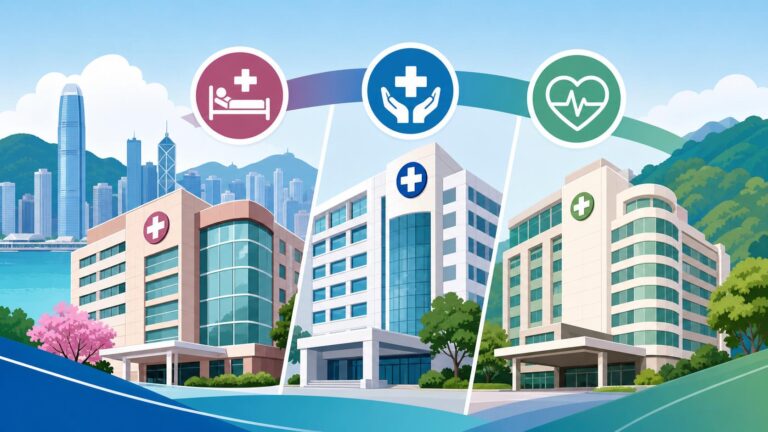
Finding yourself or a family member suddenly ill in a foreign city is an isolating experience that triggers immediate panic about where to go and who to trust. I’ll never forget the first time I had to navigate a high fever with my toddler in our Kowloon Tong flat, realizing that while the public system is world-class, the wait times were simply not an option for my sanity. This guide breaks down the top private hospitals in Kowloon—Baptist, St. Teresa’s, and Union—to ensure you have a clear roadmap for premium medical care when you need it most.
Why Choose a Private Hospital in Kowloon
The geography of Hong Kong healthcare is often split by the Victoria Harbour, but for those of us living in Tsim Sha Tsui, Ho Man Tin, or the New Territories, crossing the bridge to the famous hospitals on the Island isn't always practical. Kowloon’s private hospitals offer a level of efficiency and linguistic accessibility that mirrors the top-tier facilities in Central or Mid-Levels, often with slightly more spacious layouts.
The Public vs Private Gap
In Hong Kong, the distinction between the two systems is stark. While the public sector provides incredible life-saving care at subsidized rates, the experience is often characterized by "triage and wait." If you have a non-life-threatening but urgent issue, you might spend twelve hours on a hard plastic chair. Choosing a private hospital in Kowloon means you are paying for time, comfort, and the ability to choose your own specialist. You can learn more about how these dynamics work in our guide on Healthcare in Hong Kong: Public vs Private Systems Explained (2027).
For many expats, the decision is driven by insurance coverage. If you are using a premium plan from Cigna Global, the transition into these private facilities is almost seamless, as they are well-versed in international direct billing. The private system allows you to skip the queues and move straight into a diagnostic phase, which is invaluable when you're dealing with the stress of an undiagnosed ailment.
Accessibility and Convenience
Kowloon is the heart of the city's transport network, and its private hospitals are strategically placed near major MTR lines and arterial roads. Unlike the winding, narrow roads leading to some Island-side hospitals, Kowloon facilities like Baptist and St. Teresa’s are relatively easy for taxis to access even during the humid rush hours. This accessibility is a major factor when you’re choosing where to register for long-term care or maternity services.
When I first arrived, I assumed I had to go to the Island for "expat-level" care. I was wrong. The Kowloon "Big Three"—Baptist, St. Teresa’s, and Union—provide an equivalent, if not superior, level of service for residents living north of the harbour. If you are still in your first month of residency, make sure you've handled your Registering Your HKID for Subsidized Public Healthcare Rates just in case, but for day-to-day peace of mind, these private options are the gold standard.
English Speaking Staff and Expat Services
One of the most significant hurdles for any foreigner is the language barrier during a medical crisis. In the public system, while doctors speak excellent English, the support staff and nursing teams may primarily communicate in Cantonese. Private hospitals in Kowloon intentionally hire nursing staff with high English proficiency to cater to the international community and medical tourists.
These hospitals also understand the cultural nuances of Western medicine, such as the desire for a "family doctor" feel or specific birthing plan requirements. They provide comprehensive patient portals in English, making it easy to track your records. For those traveling on more flexible arrangements, having a plan like SafetyWing can provide the necessary buffer for unexpected outpatient visits to these facilities without breaking the bank.
Hong Kong Baptist Hospital: The Healthcare Landmark in Kowloon Tong
Located in the leafy, affluent suburb of Kowloon Tong, Hong Kong Baptist Hospital (HKBH) has grown from a small clinic in the 1960s into a massive multi-block medical powerhouse. It is often the first choice for families living in the northern part of Kowloon or along the East Rail line.
Specialized Centers and Clinical Excellence
Baptist is not just a general hospital; it is a collection of highly specialized centers. Their Oncology Centre, Upper Gastrointestinal Surgery Centre, and Renal Centre are renowned throughout Asia. When my neighbor needed a complex gallbladder surgery, the HKBH specialists were able to schedule the procedure within 48 hours of the initial consultation. This speed is a hallmark of their clinical efficiency.
The hospital invests heavily in the latest robotic surgical systems and diagnostic imaging. This means if you are referred for an MRI or a PET scan, the wait times are usually measured in days rather than the months you might face elsewhere. They also have a very robust 24-hour outpatient clinic that functions much like an urgent care center, which is a lifesaver for those "midnight croup" episodes with kids.
Accommodation and Room Types
Room options at Baptist range from "standard" wards (which are actually quite nice and usually house 4-6 people) to opulent VIP suites that feel more like a five-star hotel in Tsim Sha Tsui. For expats, the semi-private rooms (2 people) or private rooms are the most common choice. These rooms come with en-suite bathrooms, English-language cable TV, and Wi-Fi that actually works.
I’ve visited friends staying in the private suites, and the level of service is remarkable. The nurses are attentive, and the meal menus offer a surprisingly good variety of Western and Asian options. If you are admitted, the staff will walk you through the Private Hospitals in Hong Kong: Admission, Costs, and Insurance protocols to ensure you understand exactly what your room rate covers.
Maternity Services and Packages
Baptist is arguably most famous for its maternity ward. It is a "baby factory" in the best sense of the word—highly efficient, incredibly experienced, and very well-equipped for both natural births and C-sections. They offer comprehensive maternity packages that bundle the hospital fees, nursery care, and basic postnatal checkups into a single price.
However, be warned: Baptist is popular. If you want a bed here for a scheduled delivery, you often need to book as soon as your pregnancy is confirmed. Many expat moms choose Baptist because of the excellent neonatal intensive care unit (NICU), providing that extra layer of security just in case things don't go according to plan. You can compare these options further in our guide to Maternity and Childbirth in HK: Public Wards vs Private Packages.
St. Teresa’s Hospital: The French Hospital of Kowloon City
Known locally as the "French Hospital" due to its founding by the Sisters of St. Paul de Chartres, St. Teresa’s is an institution in Kowloon City. It strikes a unique balance between a traditional, mission-driven atmosphere and cutting-edge medical technology.
Heritage and Reputation
There is a sense of calm at St. Teresa’s that you don't always find in the high-traffic blocks of Baptist. The hospital has a long-standing reputation for nursing excellence. Many long-term expats prefer St. Teresa’s because the staff turnover seems lower, and you often see the same friendly faces year after year. It feels less like a corporate machine and more like a community pillar.
Despite its heritage, the hospital has kept pace with modern demands. It recently underwent significant renovations, adding new wings and state-of-the-art operating theaters. It remains a top choice for orthopedic surgeries and ophthalmology. If you’ve had a sports injury while hiking the MacLehose Trail, this is frequently where the best surgeons will operate.
Diagnostic Services and Outpatient Care
The diagnostic center at St. Teresa’s is one of the most efficient in the city. From endoscopy to complex cardiac screenings, they have a streamlined process that minimizes the time you spend in waiting rooms. Their 24-hour outpatient department is also highly regarded for its transparency in pricing—a rare and welcome feature in the private sector.
For those of us who don't speak Cantonese, the signage and patient navigation at St. Teresa’s are excellent. They have dedicated international patient coordinators who can help bridge any communication gaps. If you're looking for a specific specialist, you might find them through a referral from Finding English-Speaking General Practitioners (GPs) in Central, as many Island-based doctors also have admitting privileges at St. Teresa’s.
Cost Expectations and Insurance Billing
While no private hospital in Hong Kong is "cheap," St. Teresa’s is often perceived as providing slightly better value for money compared to the ultra-premium facilities on the Island. They are very transparent about their "Doctor’s Fees" vs. "Hospital Fees," which helps when you are filing claims.
Most international insurance providers, including Cigna Global, have a direct-settlement agreement with St. Teresa’s. This means for inpatient stays, you might not even have to touch your credit card. For minor issues or for those on a travel-centric plan like SafetyWing, the outpatient fees are manageable and clearly posted near the registration desks.
Union Hospital: Modern Excellence in Sha Tin and Tai Wai
Technically located just across the "border" in Sha Tin/Tai Wai, Union Hospital is a crucial part of the Kowloon healthcare ecosystem. It is the newest of the three and feels the most modern, often described as a "boutique" hospital experience.
Cutting-Edge Technology and Facilities
Union Hospital looks and feels like a modern corporate headquarters. It is bright, airy, and filled with the latest medical gadgets. They were among the first in Hong Kong to embrace fully digital health records, which makes transferring your data to overseas doctors incredibly simple. Their Minimally Invasive Surgery Centre is a highlight, attracting patients from all over the region for laparoscopic procedures.
The hospital also features a very high-end aesthetic and wellness center. If you are looking for health screenings that feel more like a spa day than a medical exam, Union is the place to go. They offer "Executive Health Check" packages that are very popular with the corporate expat crowd.
Pediatric and Family Health Focus
Union has made a significant name for itself in pediatrics. Their "Union Children’s Health Centre" is designed to be kid-friendly, reducing the "white coat syndrome" that can make hospital visits traumatic for little ones. When my son needed a minor ear procedure, the pediatric surgeons at Union were fantastic, taking the time to explain everything to him (and us) in perfect English.
They also offer specialized services for child developmental assessments and vaccinations. If you are navigating the Hospital Authority (HA) Guide: Accessing Public Healthcare for Expats but find the pediatric specialist waitlists too long, Union is the perfect private alternative. They provide a level of personalized care that is hard to find in the larger public hubs.
The VIP Experience and Medical Tourism
Union Hospital caters heavily to the high-net-worth market and medical tourists. Their "Presidential Suite" is legendary, offering a level of luxury that rivals any hotel in the city. For most expats, this is overkill, but it reflects the hospital's commitment to high-end service standards across all their room categories.
Even in their standard private rooms, the attention to detail is high. You’ll find better-than-average amenities and a very quiet environment, which is essential for recovery. The hospital is a bit further out, but they provide a frequent shuttle bus from the Tai Wai MTR station, making it surprisingly easy to reach even if you don't have a car.
Navigating Costs and Insurance for Kowloon Private Care
Understanding the financial side of private care in Hong Kong is just as important as choosing the right doctor. The billing can be complex, and surprises are the last thing you want when you're recovering.
Understanding the Billing Structure
In a Hong Kong private hospital, you will typically receive two sets of bills. One is the Hospital Bill, which covers your room, nursing care, medications, equipment, and consumables. The second is the Doctor’s Bill, which includes the fees for your attending physician, surgeon, and anesthesiologist.
The doctor’s fees are often tied to the "grade" of the room you choose. If you opt for a VIP suite, your doctor is legally allowed to charge you a higher fee for the same procedure than if you were in a standard ward. Always ask for a "medical estimate" before admission. This is a standard practice, and the hospital's business office is usually very helpful in providing these.
Direct Billing and International Plans
For those with comprehensive expat insurance, "direct billing" is the holy grail. This is where the hospital bills your insurance provider directly, and you only pay for non-covered items like extra guest meals or telephone charges. Both Baptist and Union have dedicated insurance counters to handle these authorizations.
If you are covered by Cigna Global, you should call their 24-hour hotline before any planned admission to get a "Guarantee of Payment" sent to the hospital. This speeds up the discharge process immensely. Without this, you might have to "pay and claim," which can involve a significant temporary hit to your credit card limit.
The Role of VHIS and Supplementary Insurance
Many expats now supplement their employer-provided care with a Voluntary Health Insurance Scheme (VHIS) plan. These are local plans regulated by the government that offer tax incentives. While great for basic coverage, they often have "inner limits" that might not fully cover a major surgery at a place like Union Hospital.
This is why many families keep a "top-up" or "international private medical insurance" (IPMI) plan. Having a robust plan ensures that you aren't limited to the public system during an emergency. You can read more about how to manage your coverage in Private Health Insurance Plans Beyond VHIS for Expat Families.
Practical Tips for Your Hospital Visit
Actually going to the hospital involves more than just picking a name. Here are a few "I've-been-there" tips to make the process smoother.
Booking and Referrals
While the outpatient clinics at these hospitals are walk-in, seeing a specific specialist usually requires an appointment. In some cases, you may need a referral letter from a General Practitioner. If you have an emergency that isn't life-threatening, you can head straight to the 24-hour outpatient departments. For true emergencies, however, you should still be aware of Emergency Medical Services in HK: Calling 999 and A&E Wards, as ambulances will always take you to the nearest public hospital first.
What to Bring for an Overnight Stay
Unlike some Western hospitals, HK private hospitals are quite well-equipped. They provide pajamas, basic toiletries, and slippers. However, I always recommend bringing:
- Your physical HKID card (essential for registration).
- Your physical insurance card and a printed copy of your policy.
- A long charging cable for your phone (plugs are often in awkward spots).
- A light cardigan or pashmina, as the air conditioning in HK hospitals is notoriously "Arctic."
Hospital Comparison Table
| Feature | HK Baptist Hospital | St. Teresa's Hospital | Union Hospital |
|---|---|---|---|
| Location | Kowloon Tong | Kowloon City | Tai Wai / Sha Tin |
| Vibe | Busy, Academic, Large | Traditional, Calm, Caring | Modern, Boutique, Tech-heavy |
| Best For | Maternity & Oncology | Orthopedics & Diagnostic | Pediatrics & Wellness |
| Transport | Near MTR (Walkable) | Taxi / Bus | MTR + Shuttle Bus |
| Expat Friendliness | High | High | Very High |
Mental Health and Support Services
While this guide focuses on physical hospitals, it's worth noting that these facilities also offer psychiatric and psychological support. The stress of relocation often manifests in physical ailments, and the private system in Kowloon is increasingly integrating mental health into their holistic care models. If you’re struggling with the transition, don't hesitate to check out Mental Health in Hong Kong: Counseling and Expat Support Services for additional resources.
Choosing a hospital is a personal decision based on your specific medical needs, your location, and your insurance. Whether it's the clinical depth of Baptist, the nursing tradition of St. Teresa’s, or the modern flair of Union, you are in good hands in Kowloon.
Disclaimer
The information provided in this article is for informational purposes only and does not constitute medical or legal advice. Healthcare policies, hospital fees, and insurance regulations in Hong Kong are subject to change. Always consult with a qualified medical professional or your insurance provider for specific advice regarding your health and coverage. The author is a lifestyle blogger, not a medical professional.