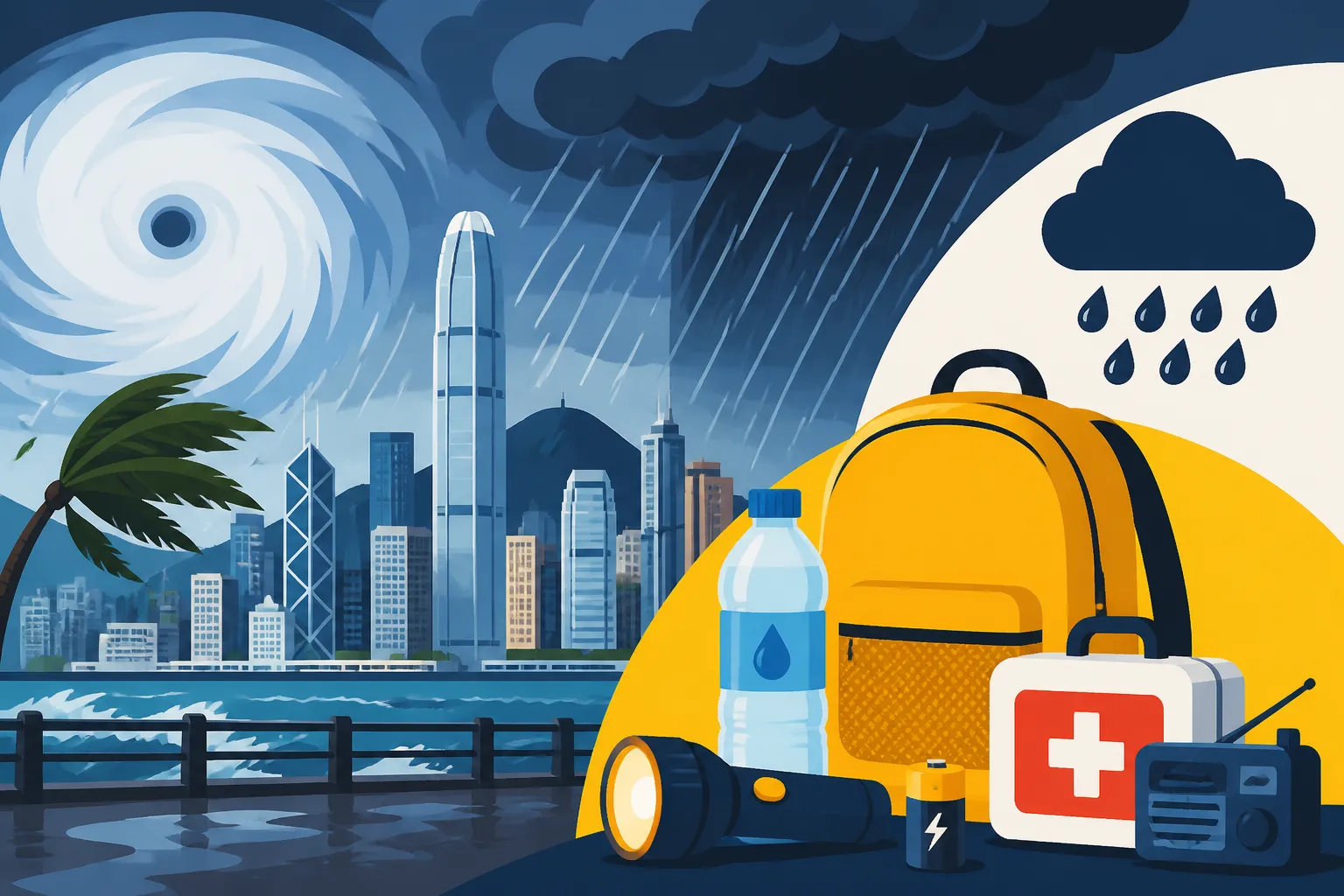
Natural Disasters in HK: Typhoon and Black Rainstorm Preparedness
Ah, the joys of Hong Kong weather! I remember my first typhoon like it was yesterday – a bewildering mix of panic, curiosity, and trying to decipher what "Signal No. 8" actually meant for my workday. It's easy to feel a bit lost when the city transforms from a bustling metropolis into a ghostly, wind-swept landscape at the drop of a weather warning. This guide is here to cut through the confusion and help you prepare, survive, and recover from Hong Kong's dramatic natural phenomena, specifically typhoons and black rainstorms, with practical, expat-focused advice.
Decoding Hong Kong's Weather Warning System
One of the first things you'll learn as an expat in Hong Kong is to keep a keen eye on the Hong Kong Observatory (HKO) website or, better yet, download their mobile app. It's your lifeline when the weather decides to get dramatic. Forget what you knew about weather forecasts; here, it's all about signals, and understanding them is paramount to your safety and sanity. If you're new here, trust me, this is way more nuanced than just "it's going to rain a lot." You can dive deeper into Using the HK Observatory App for Accurate Weather Warnings to make sure you're always getting the most current info.
Typhoon Signals: From Gentle Breezes to Category 5 Cyclones
The typhoon warning system in Hong Kong can feel a bit like a game of 'Simon Says,' but with much higher stakes. It's not just about the wind; it's about what the government expects you to do at each level, which directly impacts everything from your commute to whether the supermarkets are open.
It starts innocently enough with Standby Signal No. 1. This means a tropical cyclone is within 800 kilometers of Hong Kong and might affect us. Life pretty much goes on as normal, but you'll notice locals starting to keep an eye on the news. For us expats, it's a good time to mentally check your emergency kit or top up your Octopus card.
Then comes Strong Wind Signal No. 3. This means sustained winds of 41-62 km/h are expected or already affecting parts of Hong Kong. This is when schools often close, and some outdoor construction might stop. Ferries might reduce services, and those living near the coast or in exposed areas might start securing loose items. This is your cue to run to the supermarket if you need anything, as things might start to get serious.
The real game-changer is Typhoon Signal No. 8. This is a big one. It means sustained winds of 63-117 km/h are expected or affecting Hong Kong, with gusts potentially exceeding 180 km/h. When T8 goes up, most businesses close, and schools are definitely out. Public transport, including the MTR, will start to wind down or operate on a very limited schedule. If you're at work, your company will likely have a protocol to send everyone home safely. The city becomes eerily quiet. My advice? Get home, stay home. Don't be that person trying to brave the storm for a scenic selfie; it's genuinely dangerous. Winds can be strong enough to pick up loose objects or even cause structural damage.
Above T8, we have Increasing Gale or Storm Signal No. 9 and the terrifying Hurricane Signal No. 10. T9 means winds are strengthening, and T10, well, that's a direct hit, with hurricane-force winds (over 117 km/h) expected. These are rare, but when they happen, you'll feel the building shake. During these signals, literally everything shuts down, and it's absolutely critical to stay indoors, away from windows. You might even lose power or internet. I've had friends describe T10 as genuinely terrifying, like being inside a giant washing machine.
Rainstorm Warnings: Amber, Red, and Black Alerts
Beyond typhoons, Hong Kong also experiences torrential downpours, leading to the rainstorm warning system. This is a separate beast, and sometimes, you get both at once, which is a real treat!
Amber Rainstorm Warning means heavy rain exceeding 30 millimeters per hour has fallen or is expected to fall generally over Hong Kong, and is likely to continue. For most people, this means carrying a sturdy umbrella and perhaps avoiding low-lying areas. It's usually business as usual, but keep an eye on the news.
Red Rainstorm Warning indicates heavy rain exceeding 50 millimeters per hour. This is when things get a bit more disruptive. Schools will usually be suspended if the warning is issued before class starts, and some businesses might implement flexible work arrangements. Flooding might occur in some low-lying or poorly drained areas. It's a good idea to limit outdoor activities.
The most severe is the Black Rainstorm Warning, signifying extremely heavy rain exceeding 70 millimeters per hour. This is the equivalent of a mini-deluge. When a Black Rainstorm is in effect, you must stay indoors. Schools are closed, and if you're already at work, you're expected to stay there until the signal is lowered. Flash floods and landslides are real dangers, especially in the New Territories and hilly areas. Streets can turn into rivers very quickly, and driving becomes incredibly hazardous. Cars can end up half-submerged on major roads during a Black Rain, so these warnings should be taken seriously.
Other Atmospheric Alarms: Thunderstorms and Landslip Warnings
While typhoons and heavy rainstorms get most of the attention, Hong Kong issues other warnings you should be aware of.
Thunderstorm Warnings are pretty common, especially during the summer. They mean lightning is expected within a certain radius, along with possible heavy rain and gusty winds. While not as disruptive as a T8 or Black Rain, they can still be dangerous. Outdoor activities, especially hiking or swimming, should be avoided. Don't stand under trees, and unplug sensitive electronics.
The Landslip Warning is often issued in conjunction with prolonged heavy rainfall, indicating an increased risk of landslides, particularly near slopes. Hong Kong is very hilly, and many buildings are built into hillsides. If you live near a steep slope or in a village house at the base of one, this warning is particularly important. Evacuation orders might be issued for specific high-risk areas. If you live in an apartment, checking for Window Safety in HK Apartments: Installing Grilles for Children might also make you think about general structural safety measures.
Proactive Preparedness: Fortifying Your Home and Mind
Living in Hong Kong, you quickly learn that prevention is better than cure, especially when it comes to weather. Being proactive can save you a lot of stress, potential damage, and even keep you safe.
Securing Your Living Space: Balconies, Windows, and Loose Items
Before typhoon season (roughly May to November), take a good look at your apartment. If you have a balcony, everything on it that isn't bolted down needs to be brought inside. This includes potted plants, drying racks, patio furniture, and any decorations. Even items that feel heavy can be picked up by hurricane-force winds.
Check your windows. Are they securely latched? Some older apartments might have slightly less robust window frames, or perhaps the seals are worn. While rare, windows can break under extreme pressure. If you live in a high-rise, the wind tunnels created can be intense. Consider temporary measures like taping windows in a cross pattern (though effectiveness is debated, it can help prevent shattering into large shards). If you've just moved to Hong Kong, perhaps with a service like Blueground or Habyt that provides furnished apartments, you might not have as many outdoor items to worry about, but always check their guidelines for typhoon prep.
Assembling Your Emergency Kit: Essentials for Survival
This isn't just for doomsday preppers; it's common sense in a place prone to strong storms and power outages. Your emergency kit should be ready to go at the start of typhoon season and ideally topped up regularly.
Here’s a basic checklist for your kit:
- Water: Enough for at least 3 days (1 gallon per person per day). Don't forget water for pets!
- Non-perishable food: Canned goods, energy bars, dried fruit. A manual can opener is a must.
- First-aid kit: Bandages, antiseptic wipes, pain relievers, any essential prescription medications.
- Flashlights and extra batteries: Headlamps are great for hands-free use.
- Power bank: Keep your phone charged for communication.
- Radio: A battery-powered or hand-crank radio to listen for official updates if power and internet are out.
- Cash: ATMs might be out of service during power outages.
- Important documents: Copies of passports, visas, insurance policies, stored in a waterproof bag.
- Basic toiletries: Hand sanitizer, wet wipes.
- Whistle: To signal for help if needed.
Having a robust emergency kit can truly make a difference during a severe storm. Remember, sometimes the power can be out for more than just a few hours. When you're Setting Up Utilities: Electricity, Water, Gas, and Broadband in HK, consider also asking about outage protocols.
Developing a Communication Strategy for Your Household
If you live with family or flatmates, establish a plan for how you'll communicate if separated during a storm or if mobile networks go down. Designate an out-of-town contact person who everyone can check in with. This person might have better access to communication. Ensure everyone knows where the emergency kit is and understands the different warning signals. This is especially crucial for families with children, ensuring they know what to do if a warning is raised while they're at school.
Navigating the Storm: Safety Protocols During Warnings
So, the HKO has hoisted a Signal No. 8 or a Black Rain warning. Now what? It's time to shift from preparation to active safety.
Typhoon Day Survival: Staying Safe Indoors
When a T8 or higher is in effect, the golden rule is simple: stay indoors. Do not go outside. The risk of being hit by flying debris, falling trees, or even just being blown over by a strong gust is very real. Secure your windows and doors, and if you have curtains or blinds, close them to prevent glass shards from scattering should a window break.
Keep an eye on the HKO updates, but don't obsess over them. Use the time to check on family members (via phone, if possible), read a book, or catch up on Netflix if the power holds. If you're in a high-rise building, you might feel it sway a bit – this is normal and designed into the structure, but it can be unsettling. Move to an inner room, away from exterior windows, if you feel unsafe or if the winds are particularly violent. And for goodness sake, don't try to cook on your gas stove if you smell gas or suspect a leak after a severe tremor.
Black Rainstorm Protocol: Flood Risks and Outdoor Dangers
Black Rainstorms are often insidious because the danger isn't always immediately obvious. The rain can come down so heavily that visibility drops to near zero, and drains can't cope. Low-lying areas and underpasses are particularly vulnerable to flash flooding.
If you find yourself outside when a Black Rainstorm hits, seek shelter immediately. Do not attempt to wade through floodwaters, as they can conceal open manholes, sharp debris, or strong currents. If you're driving, pull over to a safe elevated spot and wait it out. Never drive through flooded roads; your car can stall or even be swept away. This is one of those times when Public Transport in HK: MTR, Trams, Buses, and Ferries will be significantly impacted, so planning ahead is crucial. The MTR might still run, but station entrances could be flooded, and outdoor sections of lines might be suspended.
Managing Utility Disruptions: Power Cuts and Water Issues
Power outages are a common occurrence during severe typhoons. Ensure your essential devices are charged before a major storm. During an outage, avoid opening your refrigerator or freezer frequently to preserve food. Unplug sensitive electronics to protect them from power surges when electricity is restored. Candles are an option, but flashlights are much safer to avoid fire hazards.
Sometimes, water supply can also be affected, especially in older buildings or if the pumping stations are hit. This is why having bottled water in your emergency kit is so important. If the water supply does go out, remember not to flush toilets more than necessary. You might also find your internet or broadband services interrupted, even if the power is still on. Patience is key here; utility companies usually work quickly to restore services but can be overwhelmed during widespread incidents.
Post-Storm Recovery: Picking Up the Pieces
The sun eventually comes out, the winds die down, and the rain stops. But the aftermath can be just as challenging as the storm itself.
Damage Assessment and Reporting to Authorities or Landlords
Once the warning signals are lowered and it's safe to venture out (or at least check your surroundings), assess any damage to your property. Take photos or videos of any damage, both inside and outside your apartment. This is vital for insurance claims or discussions with your landlord.
If you rent, report any significant damage to your landlord or property management company promptly. Be clear and document everything. It's often a bit of a dance between landlord and tenant responsibility, but generally, structural damage is the landlord's concern, while personal belongings are yours. This ties into understanding your Renting in Hong Kong: Apartments, Leases, and Tenant Rights.
If there's widespread damage to public infrastructure (fallen trees, damaged roads, etc.), local authorities will be working on it. You don't necessarily need to report every single fallen branch, but if it's a hazard or blocking access, the relevant government department (like the Highways Department or Leisure and Cultural Services Department) will appreciate a heads-up.
Cleaning Up Safely and Mitigating After-Effects
Post-typhoon cleanup can be extensive. Be careful when venturing outside; there might be fallen debris, broken glass, or even exposed power lines. Wear sturdy shoes and gloves.
Inside your home, check for any water ingress. Hong Kong's humidity means that even small leaks or dampness can quickly lead to mold. Address any wet areas immediately to prevent mildew. For more tips on this, read up on Dealing with Humidity and Mold in Your Apartment. If you experienced flooding, ensure everything is thoroughly dried and disinfected to prevent health hazards. Dispose of spoiled food properly.
Understanding Insurance Claims and Tenant Responsibilities
This is where your preparedness really pays off. If you have tenant's insurance (which I highly recommend for expats), refer to your policy documents for making a claim. Most policies cover damage to your personal belongings from natural disasters. If your employer provides housing, check with them regarding their insurance coverage for the property.
As a tenant, you are generally responsible for preventing damage that is reasonably avoidable. For example, if you failed to bring in your balcony furniture and it damaged the building, you might be held liable. However, for acts of nature beyond your control, your landlord's building insurance should cover structural damage. This is a good time to review your policy and understand the difference between Renters Insurance vs Fire Insurance in HK Apartments and what exactly each covers. Major relocation services like Sirelo often advise on these practical aspects when helping you settle.
Expat-Specific Challenges and Community Resilience
Living through a typhoon or black rainstorm as an expat can feel uniquely challenging, but Hong Kong's expat community is incredibly resilient and supportive.
Work, School, and Social Life During Typhoon and Rainstorm Days
One of the biggest questions for expats during a T8 or Black Rain is always, "Do I have to go to work?" The general rule for T8 is that if the signal is hoisted before working hours, you don't go to work. If it's hoisted during work, your employer is legally obligated to release you to go home. If it's lowered during working hours, some companies might expect you to return, depending on the time and your commute. Always check your company's specific typhoon policy.
Schools generally follow the HKO's advice. For T8 and Black Rain, schools are suspended. For Red Rain, if the warning is issued before school, classes are suspended. If it's issued during school, children are usually kept safely indoors until conditions improve or parents can pick them up. This can be tricky if you're stuck at work, highlighting the need for that communication plan with domestic helpers or other guardians.
Social life, as you can imagine, grinds to a halt. Restaurants and bars close, shops shutter, and the city goes quiet. It's an excellent opportunity for a cozy night in, but make sure you have enough snacks!
Public Transport and Travel: When to Stay Put
When Typhoon Signal No. 8 or higher is in effect, most public transport services, including buses, trams, ferries, and even some MTR lines (especially above ground or exposed sections), will either cease operations or run on very limited schedules. The Airport Express often continues with reduced frequency, but flights may be significantly delayed or canceled. MTR Peak Hour Crowds: Which Stations to Avoid at 8 AM might be relevant on normal days, but during a typhoon, avoid public transport altogether if possible, as services can stop with little notice, leaving you stranded.
If you have travel plans, always check with your airline or ferry operator. Flights and sailings will almost certainly be affected. If you are due to fly out during a T8, it’s best to contact your airline and reconfirm before heading to the airport.
Finding Support and Sharing Experiences in the Expat Community
The expat community in Hong Kong is incredibly tight-knit, especially during these dramatic weather events. Online forums and social media groups (like various Facebook groups for expats in Hong Kong) light up with people sharing information, checking on each other, and offering practical advice. You'll find people sharing real-time updates on conditions in their area, photos of fallen trees, and tips on where to find open shops if necessary. Don't hesitate to reach out if you have questions or need support. It’s a collective experience, and everyone usually has a story or two about their craziest typhoon experience. It's also a good idea to know about Navigating Medical Emergencies During T8 Typhoons or Black Rainstorms in case someone around you needs urgent help.
When you're first arriving, companies like Sirelo, Blueground, and Habyt provide valuable resources, and the community built around them can also be a great source of localized tips and support during storms.
| Typhoon Signal | Wind Speed (km/h) | General Impact | Expat Action |
|---|---|---|---|
| No. 1 | <41 | Cyclone within 800km, potential threat. | Monitor HKO updates, light prep. |
| No. 3 | 41-62 | Strong winds affecting HK. | Schools close, ferries reduced, secure balconies. |
| No. 8 | 63-117 | Gales/storm force winds over HK. | STAY INDOORS, businesses close, public transport stops. |
| No. 9 | 88-117 (increasing) | Gales/storm force winds increasing significantly. | Extreme caution, stay away from windows. |
| No. 10 | >117 | Hurricane force winds over HK. | ABSOLUTE URGENCY, extreme danger, building movement. |
| Rainstorm Signal | Rainfall (mm/hr) | General Impact | Expat Action |
|---|---|---|---|
| Amber | >30 | Heavy rain expected/falling. | Carry umbrella, avoid low-lying areas. |
| Red | >50 | Very heavy rain expected/falling. | Schools suspended (if issued before class), limit outdoor activity. |
| Black | >70 | Extremely heavy rain expected/falling. | STAY INDOORS, flash floods, landslides, do not travel. |
These weather events are certainly a dramatic part of living in Hong Kong, but with a bit of foresight and adherence to the official warnings, you can navigate them safely and even come away with some truly memorable stories. Stay safe out there!
Disclaimer
The information provided in this guide is for general informational purposes only and does not constitute professional advice. While we strive to ensure accuracy, weather conditions and official government guidelines can change rapidly. Always refer to the latest announcements from the Hong Kong Observatory and other official Hong Kong government sources for the most up-to-date and authoritative information regarding natural disaster warnings and safety protocols. Your personal safety should always be your top priority.