MTR Peak Hour Crowds: Which Stations to Avoid at 8 AM
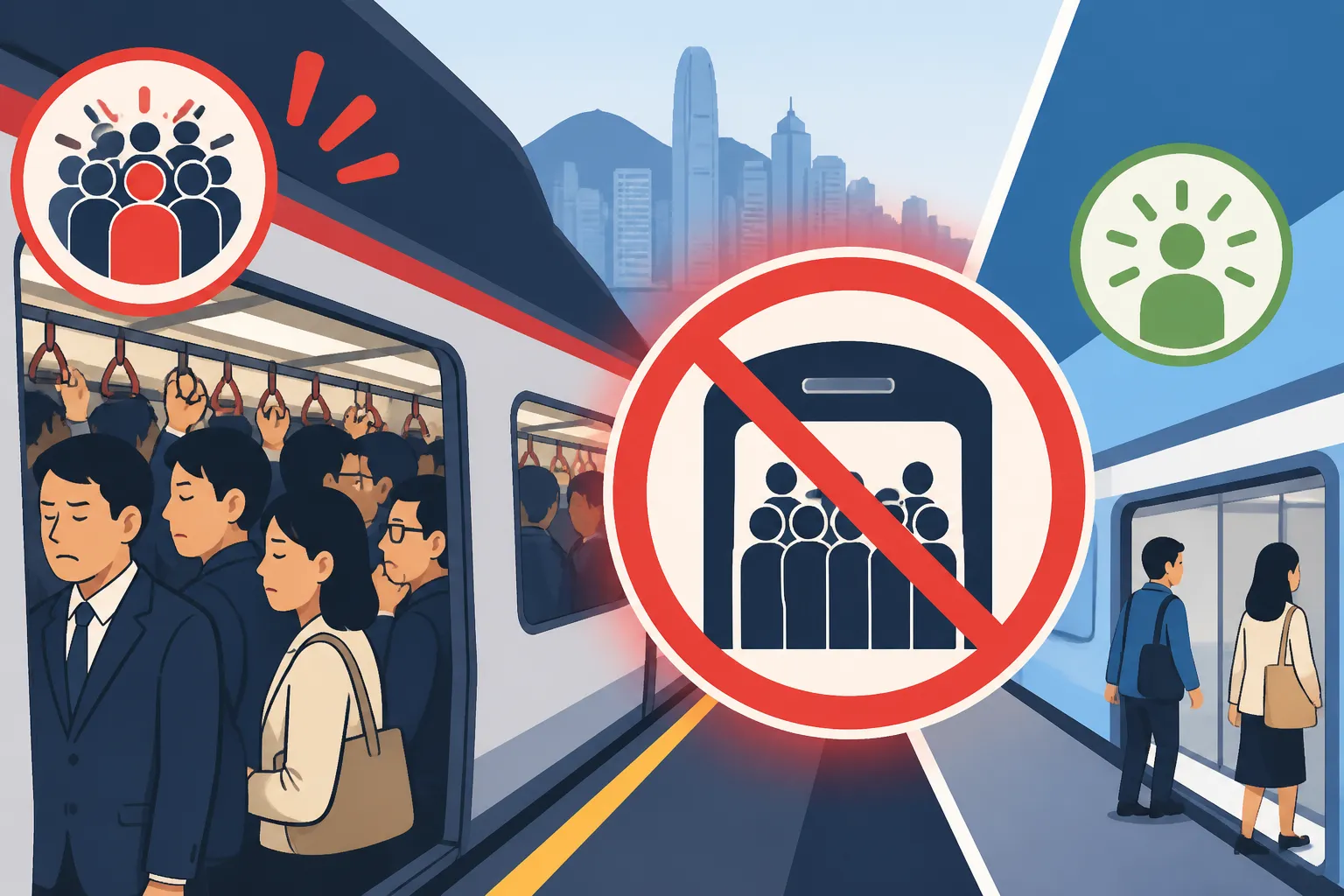
Stepping into a Hong Kong MTR station at 8 AM can feel like joining a high-stakes marathon where the prize is simply making it to your office without losing a button or your temper. The sheer density of humanity during the morning surge is a shock for many newcomers. This guide identifies the specific bottlenecks and stations to avoid to help you navigate the city like a seasoned professional.
The Geography of the Crunch: Key Bottlenecks and Lines
If you have lived in Hong Kong for more than a week, you know that the MTR is the lifeblood of the city. However, between 8:00 AM and 9:15 AM, that lifeblood is under immense pressure. The most significant congestion points are almost always at interchange stations where multiple lines converge. Admiralty is the undisputed heavyweight champion of morning chaos. Serving the Island Line, Tsuen Wan Line, South Island Line, and the East Rail Line, it acts as the central funnel for anyone traveling from the New Territories or Kowloon into the heart of the business district.
At 8 AM, the platforms at Admiralty are a sea of white shirts and focused faces. The transfer from the Tsuen Wan Line (coming from Kowloon) to the Island Line (heading toward Central or Causeway Bay) is particularly brutal. You might find yourself waiting for three or four trains to pass before there is enough physical space to squeeze into a carriage. For those who value their personal space, living in serviced apartments through providers like Habyt or Blueground can be a lifesaver, as they often offer properties closer to the office, allowing you to bypass these major interchange hubs entirely.
Kowloon Tong is another station that requires a mental "armor-up" before entry. It is the primary gateway for commuters coming from the New Territories via the East Rail Line who need to switch to the Kwun Tong Line. The sheer volume of students and office workers moving through the narrow transfer passages can lead to "human traffic jams" where you are essentially moved by the current of the crowd rather than your own feet. If you are moving to the city and planning your commute, it is worth consulting with experts like Sirelo to understand how your choice of neighborhood impacts your daily transit experience. Choosing the right location is the first step in winning the morning.
Surviving the 8 AM Surge: Strategies and Unspoken Rules
Navigating the MTR during peak hours is as much about psychology as it is about physics. There is an unspoken etiquette that keeps the system from collapsing. For instance, always stand on the right side of the escalator, though during the 8 AM peak, you will see both sides occupied to maximize capacity. When the train doors open, do not expect people to move out of the way gracefully; you must be assertive but polite. Understanding these nuances is a key part of Everyday Etiquette and Safety in Hong Kong: A Survival Guide.
One of the best tactical moves you can make is "back-tracking." If you are at a station like Mong Kok or North Point and the trains arriving are consistently full, consider taking a train one or two stops in the opposite direction to a terminus or a less crowded station, then switching back to your original direction. This almost guarantees you a spot on the train, and sometimes even a seat. While it adds ten minutes to your commute, it subtracts a massive amount of stress.
Another tip is to master the art of platform positioning. Most frequent commuters know exactly which carriage and door will align with the escalator at their destination. This information is vital for a quick exit before the wave of people behind you catches up. You can find detailed maps and car positions in the MTR Network Guide: Maps, Fares, and Interchange Stations. Being the first one off the train can save you five minutes of queuing at the exit turnstiles.
| Station | Primary Lines | Why to Avoid at 8 AM | Pro-Tip |
|---|---|---|---|
| Admiralty | Island, Tsuen Wan, South Island, East Rail | The ultimate interchange; extreme platform crowding. | Head to the very front or back of the platform; middle sections are the worst. |
| Kowloon Tong | East Rail, Kwun Tong | Massive influx from New Territories; narrow transfer walkways. | If coming from the North, consider MTR First Class Carriages on the East Rail Line to save energy. |
| North Point | Island, Tseung Kwan O | Major transfer point for commuters from New Territories East. | The transfer is long; walk fast and stay to the sides of the tunnel. |
| Mong Kok | Tsuen Wan, Kwun Tong | Extremely high foot traffic; narrow platforms compared to volume. | If possible, walk to Yau Ma Tei station to catch the train before it hits the Mong Kok surge. |
| Central | Island, Tsuen Wan | The destination for most; massive exit queues and long walks to Hong Kong Station. | Use the underground passages to walk toward less crowded exits if you aren't in a rush. |
Strategic Living: Positioning Yourself Outside the Danger Zone
The best way to avoid the 8 AM MTR crowd is to not be in it. This doesn't necessarily mean starting work at 10 AM, though that helps. It means being strategic about where you live. Many expats find that Living in Mid-Levels and Central: Pros, Cons, and Commutes offers the unique advantage of the Mid-Levels Escalator or even just a brisk downhill walk to work. By removing the MTR from your morning equation, you reclaim a significant portion of your mental health.
If you are currently looking for a home, consider the "reverse commute" or living on a line that is less prone to the 8 AM crush. The South Island Line, for example, is generally less congested than the Tsuen Wan Line, though it is gaining popularity. Using flexible housing providers like Habyt or Blueground allows you to test out different neighborhoods before committing to a long-term lease. You might find that a short-term stay in a different district reveals a commute you never thought possible.
For those who are in the process of relocating, don't just look at the floor plan of an apartment. Look at the MTR station it serves. If you are moving your entire household, professional services like Sirelo can help you transition smoothly so you can focus on the logistics of your new daily routine. Once you are settled, make sure you have the basics covered, starting with The Octopus Card: Hong Kong's Essential Transport & Payment Tool, which is your ticket to bypassing at least one set of queues at the ticket machines.
Alternatives to the Underground Gridlock
When the MTR becomes too much to handle, remember that Hong Kong has one of the most diverse transit systems in the world. Often, a bus or a ferry can be a significantly more pleasant, if slightly slower, alternative. The Public Transport in HK: MTR, Trams, Buses, and Ferries guide highlights several routes that offer stunning views and fresh air, which is a far cry from the humid, crowded tunnels of the MTR.
For example, if you live in the Western District, Kennedy Town Living: Transport Links and Vibe offers a fantastic mix of MTR access and bus routes that head straight into Central via the harbor-front road. These buses are often less crowded than the Island Line at 8 AM and offer a chance to catch up on emails or news with a view of the water. Similarly, if you are coming from the islands, the ferry into Central provides a 20-to-30-minute buffer of calm before the workday begins.
If you are moving from a neighborhood that feels too congested, you might need a change of scenery. Before you sign a new contract, it is wise to consult a Step-by-Step Guide to Renting an Apartment in Hong Kong to ensure you are getting the best terms. Once you have made the decision to move, a reliable Moving Companies in HK: Man with a Van vs Full Relocation service can take the heavy lifting out of the process. Remember to check your Understanding the HK Tenancy Agreement: Fixed vs Flexible Terms to see when you can realistically make your move to a more commute-friendly location.
Finally, for those who occasionally need to head to the airport during peak hours, skip the MTR interchanges and look into Cityflyer Airport Buses: Cheap Alternatives to the Airport Express. These buses often pick up in residential areas and bypass the central hubs entirely, saving you from navigating the 8 AM crowds with suitcases in hand. Living in Hong Kong is an exercise in efficiency; by avoiding the major MTR pitfalls, you can ensure your morning starts with momentum rather than frustration.
Disclaimer
The information provided in this guide is for general informational purposes only and reflects the experiences and observations of the author. Transport schedules, station conditions, and peak hour patterns in Hong Kong are subject to change by the MTR Corporation and the Hong Kong Government. While every effort is made to provide accurate and up-to-date advice, readers should consult official MTR announcements and apps for real-time traffic information.