Birth Control Pills in HK: Do You Need a Prescription at Watsons?
Navigating reproductive healthcare in a new city can feel like a high-stakes guessing game, especially when you are worried about a lapse in your medication. I remember wandering through the neon-lit aisles of a Causeway Bay pharmacy during my first week here, clutching an empty packet and praying I wouldn't need a formal local referral. This guide clarifies exactly how to buy birth control pills in Hong Kong without the administrative headache.
The Legal Status of Birth Control in Hong Kong
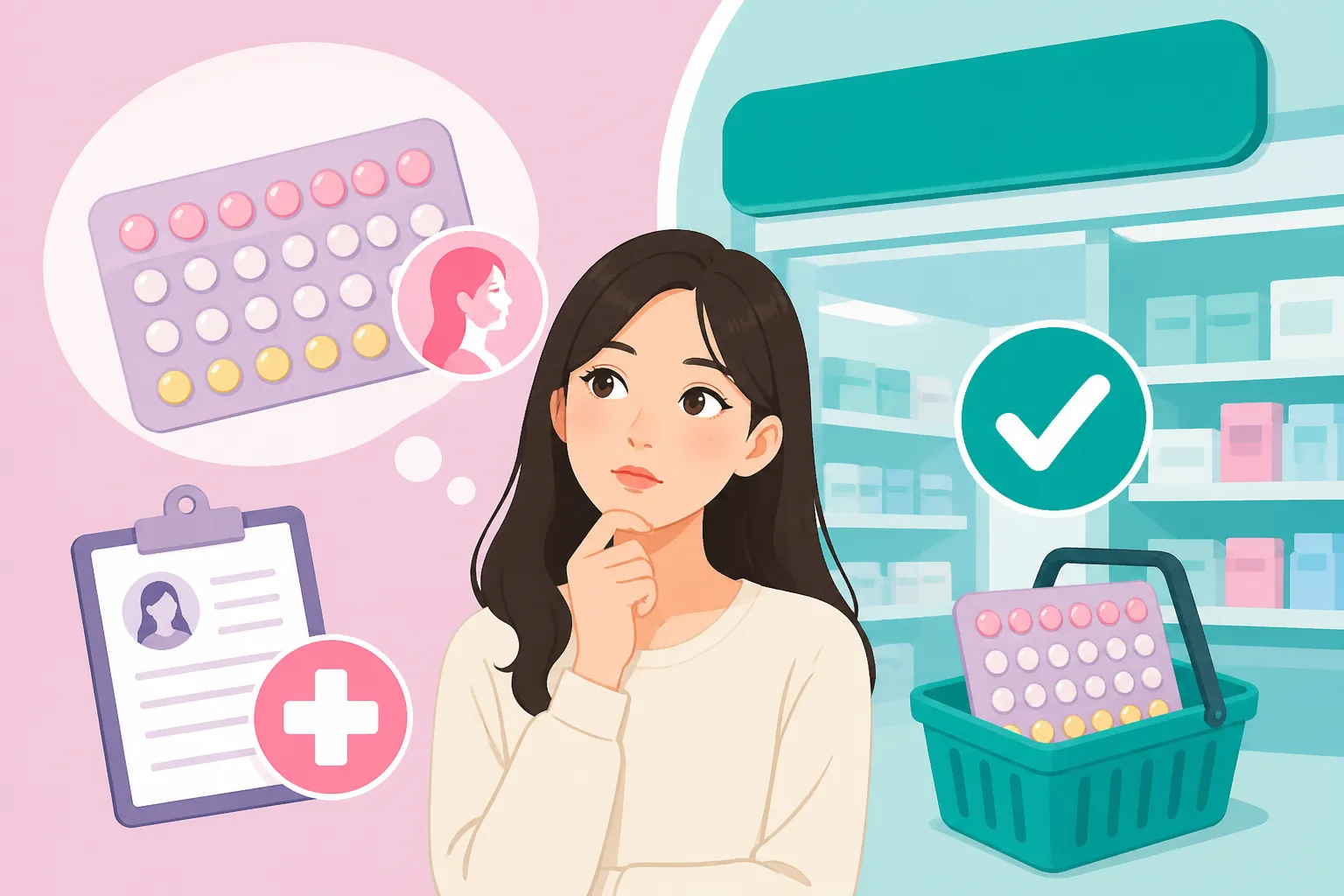
One of the first things you realize as an expat in Hong Kong is that the line between "prescription only" and "over-the-counter" (OTC) is often blurrier than it is in London, New York, or Sydney. Technically, hormonal contraceptives are classified as Part 1 poisons under the Pharmacy and Poisons Ordinance. In theory, this means they should be sold under the supervision of a registered pharmacist. In practice, however, birth control pills are widely available without a physical paper prescription from a doctor, provided you go to the right counter.
When I first arrived, I was braced for a long wait at a GP clinic just to get a refill of my usual brand. I soon learned that most of the major retail chains and local dispensaries operate on a "discretionary" basis for refills. If you already know which brand works for you and you aren't seeking a brand-new medical consultation, you can usually walk up to a pharmacy counter and ask for it directly. The pharmacist might ask a few basic questions to ensure you’ve used it before, but the process is remarkably transactional compared to many Western countries.
However, this accessibility comes with a caveat. While you can often skip the doctor for a refill, you cannot skip the pharmacist. You won't find these pills sitting on the open shelves next to the shampoo and vitamins. You must approach the "Rx" counter, which is usually tucked at the back of the store. If the pharmacist is not on duty—which often happens during lunch hours or late at night—the pharmacy counter will be gated off, and the staff at the regular cash register cannot sell them to you.
Where to Buy Birth Control at Watsons and Mannings
Watsons and Mannings are the two dominant health and beauty chains in Hong Kong. They are everywhere—from the basement of MTR stations to the glitzy malls in Central. Most expats gravitate toward these stores because the staff usually speaks excellent English and the environment feels familiar. If you are following an Essential Health Checklist for Your First 30 Days in Hong Kong, locating your nearest Mannings or Watsons with a pharmacy counter should be near the top of your list.
Not every Watsons or Mannings has a pharmacy. You need to look for the large red and white "Rx" symbol outside the store or above the counter. This indicates that a registered pharmacist is on-site. If you walk into a smaller "Express" version of these stores, they might only sell toiletries and snacks. In neighborhoods like Mid-Levels or Discovery Bay, the pharmacy counters are well-staffed, but they do have specific operating hours. Usually, the pharmacy operates from 10:00 AM to 7:00 PM, even if the store itself stays open until 10:00 PM.
When you approach the pharmacist, simply state the brand name you are looking for. I’ve found that carrying your old box or a photo of the packaging on your phone makes the process much smoother. They will check their stock, and if they have it, they’ll hand it over and you pay right there. It is a good idea to check How to Spot a Pharmacy with a Registered Pharmacist on Duty to ensure you aren't wasting a trip when the professional is on their break.
Understanding the Independent Pharmacy Alternative
Beyond the big chains, Hong Kong is famous for its local independent pharmacies, often identifiable by the same "Rx" logo and a flashing green cross. These are sometimes called "dispensaries" or "medicine shops." While they can look a bit more cluttered and intimidating than a polished Watsons, they are often a better bet for finding specific brands that might be out of stock in the larger chains.
In my experience, local pharmacies in areas like Wan Chai or Mong Kok are incredibly efficient. They often sell the exact same brands—Yaz, Yasmin, Diane-35—sometimes at a slightly lower price point than the big retailers. The culture in these shops is very direct. You don’t need to worry about Medical Translation Services: Navigating Local Clinics Without Cantonese in most of these shops, as the pharmacists are highly trained and usually have a solid grasp of medical English, especially regarding common medications like contraceptives.
One thing to be aware of is the difference between a "Registered Pharmacy" and a "Medicine Shop." A registered pharmacy displays the "Rx" logo and can dispense a wide range of regulated drugs. A medicine shop without that logo might only sell over-the-counter items like cough drops and bandages. If you are trying to understand The Difference Between Registered Pharmacies (Rx) and Drug Stores, always look for the displayed certificate of the registered pharmacist on the wall behind the counter.
Popular Birth Control Brands Available in Hong Kong
The variety of birth control available in Hong Kong is quite extensive, covering most of the major international pharmaceutical brands. If you are coming from North America or Europe, there is a high probability your brand is sold here under the same name. However, if your specific brand isn't available, the pharmacist can usually suggest a generic equivalent with the same hormonal composition.
| Brand Name | Common Type | Approx. Price (HKD) | Availability |
|---|---|---|---|
| Yaz | Combined (Low Dose) | $160 – $220 | Very High (Watsons/Mannings) |
| Yasmin | Combined | $140 – $190 | Very High (All Pharmacies) |
| Diane-35 | Combined (Anti-androgenic) | $110 – $150 | High |
| Microgynon 30 | Combined | $60 – $90 | High (Independent Shops) |
| Mercilon | Combined (Low Dose) | $100 – $140 | High |
| Cerazette | Progestogen-only (Mini-pill) | $150 – $200 | Moderate (Requires Rx often) |
Prices can fluctuate depending on whether you are in a high-rent district like Central or a more residential area in the New Territories. I usually buy a three-month supply at once to save a bit of money and avoid the monthly trip. If you are covered by Private Health Insurance Plans Beyond VHIS for Expat Families, you should check if your policy allows for the reimbursement of maintenance medications, though many people find the out-of-pocket cost low enough to manage without filing a claim.
When You Actually Need to See a Doctor
While you can technically get refills at a pharmacy, there are several scenarios where I strongly recommend booking an appointment with a professional. If you are experiencing new side effects—like unusual headaches, mood swings, or breakthrough bleeding—don't just try to swap brands on your own. Hong Kong has an excellent network of specialists who can help you navigate these issues.
You might want to start by Finding English-Speaking General Practitioners (GPs) in Central if you are looking for a quick consultation. For more specialized care, many expat women prefer Women's Health Clinics: Gynecology and Routine Cancer Screenings where they can get a full check-up, including a Pap smear and blood pressure monitoring, which is essential when you are on hormonal birth control long-term.
If the cost of private clinics is a concern, the Family Planning Association of Hong Kong (FPAHK) is an incredible resource. They offer subsidized consultations and contraceptives for a fraction of private prices. However, the wait times can be long, and the environment is much more "no-frills" public health. If you are balancing your budget, it's worth considering Healthcare in Hong Kong: Public vs Private Systems Explained (2027) to see which route fits your lifestyle and insurance coverage.
Insurance Coverage and Financial Considerations
Most standard employment-based health insurance in Hong Kong focuses on inpatient care and major accidents. Routine prescriptions like birth control pills are often excluded from basic outpatient benefits unless you have a premium "wellness" or "maternity" rider. When I was reviewing my options, I noticed that international plans like Cigna Global often provide more comprehensive "day-to-day" coverage that might include these costs.
If you are a digital nomad or on a shorter-term assignment, a provider like SafetyWing is great for emergencies, but you’ll likely be paying for your monthly pills out of pocket. Fortunately, as the table above shows, the cost is relatively manageable. It’s also worth noting that birth control pills are not covered under the Voluntary Health Insurance Scheme (VHIS): Coverage and Tax Benefits unless they are part of a treatment for a specific medical condition like endometriosis, rather than for contraception.
For those who prefer long-term solutions, such as IUDs or implants, insurance becomes much more relevant. These procedures are significantly more expensive and usually require a specialist. You can read more about IUD Insertion and Removal Options at HK Women's Clinics to compare the upfront costs versus the monthly expense of the pill. In these cases, having a plan from Cigna Global can save you thousands of dollars in procedural fees.
Emergency Contraception: The "Morning After" Pill
Life happens, and sometimes you need emergency contraception. In Hong Kong, the "morning-after" pill (such as Postinor-2) is legally required to be sold with a prescription. Unlike the regular birth control pill, where pharmacists are often lenient with refills, they are much stricter about emergency options. You will almost certainly be told you need to see a doctor first.
If you find yourself in this situation on a weekend, you can visit a private 24-hour clinic or a private hospital's outpatient department. Another reliable and affordable option is the FPAHK clinics, which have "walk-in" slots for emergency contraception, though you should call ahead. This is one of those times when knowing the layout of Emergency Medical Services in HK: Calling 999 and A&E Wards isn't quite right for the situation; you need an outpatient GP, not an emergency room, unless it’s a complicated medical issue.
The pharmacist at Watsons might be able to point you to a nearby doctor who can write the prescription quickly. Don't be embarrassed—this is a standard medical request in Hong Kong, and doctors are generally very professional and non-judgmental. If you are worried about the cost of a last-minute visit, check if your SafetyWing policy covers urgent care consultations, though "family planning" is often a common exclusion in travel-based policies.
Cultural Nuances and Privacy
Coming from a culture where reproductive rights are a hot-button issue, you might wonder about the "vibe" in Hong Kong pharmacies. Generally, Hong Kong is very pragmatic. The pharmacists see hundreds of customers a day, and buying birth control is seen as a routine health transaction. You don't need to be married, and you don't need to provide a reason for the medication.
That said, the pharmacy counters are often in the middle of a busy store. If you value privacy, you might feel a bit exposed discussing your needs with a pharmacist while someone behind you is waiting to buy toothpaste. In these cases, I prefer the smaller, quieter "Rx" pharmacies in less crowded side streets or the pharmacy departments in private hospitals.
If you are new to the city and feeling overwhelmed by the healthcare system, remember that you aren't alone. Whether you are navigating the Hospital Authority (HA) Guide: Accessing Public Healthcare for Expats for a regular check-up or just popping into a Mannings for your monthly pack, the system is designed to be efficient. Once you find a pharmacist you trust and a brand that works, the process becomes just another part of your Hong Kong routine.
Disclaimer
The information provided in this article is for informational purposes only and does not constitute professional medical or legal advice. Hong Kong’s pharmacy regulations and stock availability can change. Always consult with a qualified healthcare provider before starting or changing any medication. Ensure you read the labels and consult the on-duty pharmacist for specific instructions regarding hormonal contraceptives.