Women’s Health Clinics: Gynecology and Routine Cancer Screenings
Finding a gynecologist who makes you feel heard rather than just another number on a clipboard can be a daunting task in Hong Kong's fast-paced medical landscape. I remember sitting in a cramped waiting room in Causeway Bay for my first routine check-up, feeling completely overwhelmed by the different systems and technical jargon. This guide will clarify how to navigate women's health clinics, from public screenings to private specialist care, ensuring you get the preventative care you deserve.
Navigating the Public vs Private Choice for Women's Care
The first hurdle every woman faces in Hong Kong is deciding between the public and private sectors. The choice isn't just about the thickness of your wallet; it’s about the type of experience you want and how much time you have to spare. In the public system, care is exceptionally high-quality but can feel clinical and transactional. In the private sector, you pay for the luxury of time, continuity of care, and often, a doctor who remembers your history without having to scan a digital file for five minutes.
Public Services via Maternal and Child Health Centres
If you are a holder of a Hong Kong Identity Card, you have access to the Department of Health’s Maternal and Child Health Centres (MCHC). These centers are the backbone of subsidized women’s health in the city. They primarily focus on the Woman Health Programme, which covers health education, counseling, and physical examinations. For many expats, this is the most cost-effective way to handle routine screenings, provided you don't mind the "no-frills" environment.
Registering for these services is straightforward once you have completed Registering Your HKID for Subsidized Public Healthcare Rates. The MCHCs are scattered across the territory, from Fanling to Ap Lei Chau, making them geographically accessible. However, be prepared for a waiting list. While a routine smear test might be easy to schedule, more comprehensive health talks or specialized counseling sessions can take weeks or even months to secure a slot. The staff are professional, but English proficiency can vary once you step outside the main hubs like Central or Tsim Sha Tsui.
The Efficiency and Comfort of Private Specialist Clinics
For those who prioritize comfort and a personalized touch, private women’s health clinics are the gold standard. Most of these clinics are clustered in Central’s "Doctor Buildings" like the Prince’s Building or Jardine House. Here, you can expect a dedicated female gynecologist who will stick with you for years. This continuity is vital, especially when dealing with chronic issues or preparing for a family.
In a private setting, the environment is designed to reduce the anxiety often associated with pelvic exams. You’ll find softer lighting, more private changing areas, and a significantly higher level of English fluency. Many of these clinics are also integrated into larger Private Hospitals in Hong Kong: Admission, Costs, and Insurance, allowing for a seamless transition if you require minor surgery or specialized diagnostic imaging. The trade-off, of course, is the cost, which can range from HK$1,200 to over HK$3,000 for a consultation and basic screening.
Comparing Costs and Wait Times for Routine Exams
When comparing the two, it's helpful to look at the "hidden" costs of your time. A public screening at an MCHC might only cost a few hundred dollars, but it might require you to take half a day off work due to unpredictable queuing times. Private clinics allow for precise 15-minute appointments, which is often a necessity for the working professional.
| Service Type | Public (MCHC/FPAHK) | Private Specialist Clinic |
|---|---|---|
| Consultation Fee | HK$0 – $310 (Subsidized) | HK$1,200 – $3,500+ |
| Pap Smear | HK$100 | HK$800 – $1,500 (plus consult) |
| Mammogram | Subsidized (Age-dependent) | HK$2,000 – $4,500 |
| Wait Time | 4 – 12 Weeks | 1 – 5 Days |
| Continuity of Care | Assigned Doctor | Choice of Doctor |
Understanding these differences is a core part of the Healthcare in Hong Kong: Public vs Private Systems Explained (2027) framework that we always advise newcomers to study. If you have comprehensive coverage through a provider like Cigna Global, the private route is almost always the preferred choice due to the efficiency and level of care.
Essential Routine Screenings: Cervical and Breast Health
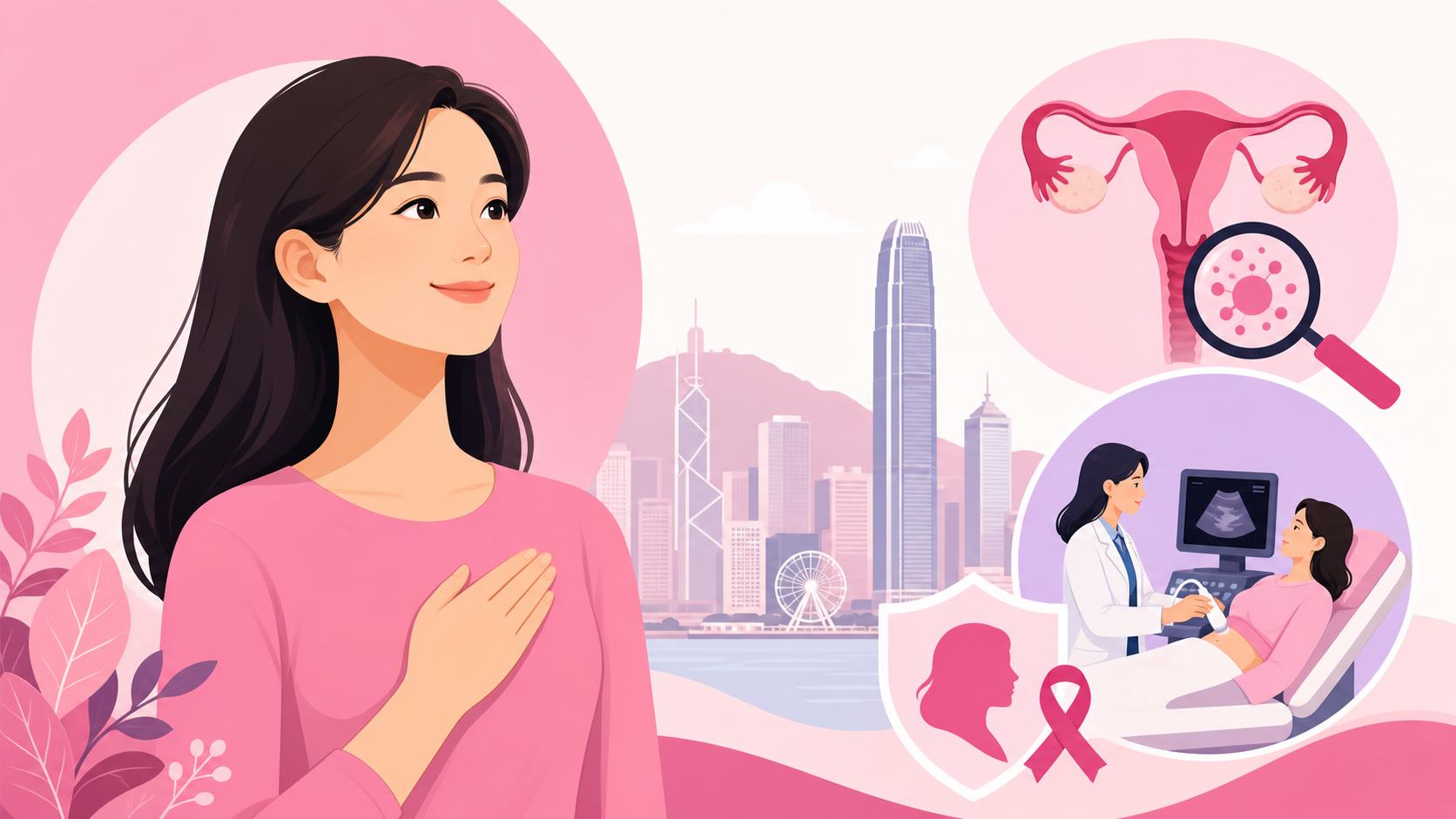
Prevention is the most powerful tool in women's healthcare, and Hong Kong has a very structured approach to cancer screenings. The government runs the Cervical Screening Programme, which encourages all women aged 25 to 64 who have ever been sexually active to have regular tests. It’s a proactive culture, but you have to be the one to initiate the first appointment.
Cervical Screening and HPV Vaccination
The Pap smear is the standard for cervical screening here. In most private clinics, they use liquid-based cytology, which is highly accurate. If you are under 30, your doctor might also suggest an HPV DNA test alongside the smear. This "co-testing" is becoming more common in the private sector as it provides a clearer picture of your risk levels.
For younger expats or those who haven't yet been vaccinated, HPV vaccines (like Gardasil 9) are widely available. There has been a massive push for this in local clinics over the last few years. It’s usually administered in three doses over six months. If your insurance through SafetyWing or a similar provider covers preventative care, this is a high-priority item to tick off your list. Many clinics in Central offer package deals that include the screening and the full vaccine course, which can save you a significant amount on the individual consultation fees.
Mammograms and Breast Ultrasound Services
Breast health is another area where Hong Kong's private clinics excel. Most doctors recommend a baseline mammogram starting at age 40, or earlier if there is a family history. However, for many younger women with denser breast tissue—which is common—a breast ultrasound is often recommended as a complementary tool.
When you book a mammogram, check if the clinic uses 3D Tomosynthesis. It’s a more advanced imaging technique that provides a 3D view of the breast, making it easier to spot abnormalities in dense tissue. These facilities are usually found in dedicated breast centers within Private Hospitals in Hong Kong: Admission, Costs, and Insurance. Be sure to ask for your results in a digital format or a hard copy film, as you’ll want to keep these for your long-term medical records if you ever move to another country.
Frequency and Age-Based Guidelines in Hong Kong
While international guidelines fluctuate, the general consensus among Hong Kong gynecologists is an annual physical exam, with cervical screenings every three years after two consecutive negative annual tests. For breast health, once you hit 40, an annual or biennial mammogram is the standard advice.
It is easy to let these dates slip by when you are busy adjusting to a new city. I highly recommend adding these to your Essential Health Checklist for Your First 30 Days in Hong Kong so they don't get lost in the shuffle of finding a flat and opening bank accounts. Most private clinics will send you a friendly SMS or email reminder when your next screening is due, which is a small but incredibly helpful perk of the private system.
Specialized Gynecological Concerns: From PCOS to Menopause
Beyond the routine screenings, many of us deal with ongoing issues like Polycystic Ovary Syndrome (PCOS), endometriosis, or the transition into menopause. Navigating these in a foreign country can be stressful because the treatment philosophies can sometimes differ from what you might be used to back home.
Managing Hormonal Health and Irregular Periods
PCOS is particularly common, and Hong Kong specialists are very adept at managing it. If you’re struggling with irregular periods, adult acne, or weight fluctuations, a gynecologist will typically start with a series of blood tests to check your hormone levels and an ultrasound to look at your ovaries.
In the private sector, you have more room to discuss lifestyle-based management alongside medication. Doctors here are often very open to a holistic approach, sometimes even suggesting TCM Acupuncture and Cupping: Integration with Western Medicine to help regulate cycles. This "East-meets-West" philosophy is one of the unique benefits of seeking care in Hong Kong. If you are looking for a specialist who understands both worlds, start by Finding English-Speaking General Practitioners (GPs) in Central who can then provide a referral to a gynecologist with a similar mindset.
Fertility Assessments and Pre-Conception Checkups
Hong Kong is a major hub for fertility treatments, and many women's health clinics offer "pre-conception packages." These are comprehensive checkups for both partners to ensure you’re in peak health before trying for a baby. They typically include screenings for infectious diseases, genetic carrier screening, and a deep dive into your reproductive health.
If you find that you need more help, the transition from a general gynecologist to a fertility specialist (REI) is very smooth in the private system. You don't necessarily need a referral, but having your GP coordinate the process helps. We often discuss this transition in our guide on Navigating the Private Specialist Network: Direct Access vs Referrals, as knowing when to jump from a generalist to a specialist can save you months of trial and error.
Navigating Menopause and Hormone Replacement Therapy
Menopause is finally getting the attention it deserves in the Hong Kong medical community. If you’re experiencing hot flashes, sleep disturbances, or mood changes, don't feel you have to "just get on with it." There are several menopause-specific clinics in Central and Southside that specialize in Hormone Replacement Therapy (HRT).
The doctors will typically perform a bone density scan (DEXA) and a cardiovascular risk assessment before starting HRT. Because Hong Kong's climate can be so punishing, managing the physical symptoms of menopause—like increased sensitivity to heat—is a major part of the conversation here. Having a policy with Cigna Global that covers outpatient specialist visits is incredibly helpful here, as HRT requires regular monitoring and blood work during the first year of treatment.
Sexual Health and Family Planning Services
For many expats, especially those in the earlier stages of their career or those not looking to start a family immediately, sexual health and contraception are the primary reasons for visiting a women's clinic. Hong Kong offers a mix of very discreet private services and highly accessible NGO-run clinics.
Contraception Options and Consultations
All major forms of contraception are available in Hong Kong, from daily pills to Long-Acting Reversible Contraceptives (LARC) like the IUD or the Nexplanon implant. If you're looking for a specific brand of birth control pill that you used in your home country, there’s a good chance a private gynecologist can source it or provide the local equivalent.
The process for getting an IUD (like Mirena or Kyleena) is very efficient in private clinics. It usually involves an initial consultation with an ultrasound to check your anatomy, followed by a second appointment for the insertion. If you’re looking for a more budget-friendly option, the Family Planning Association of Hong Kong (FPAHK) provides these services at a fraction of the cost, though you will need to navigate their booking system which can be quite busy.
Confidential STD Testing and Counseling
Sexual health is still a somewhat taboo subject in local culture, but the medical community is entirely professional and non-judgmental. Private clinics offer comprehensive "Sexual Health Screens" that are completely confidential. These usually involve a combination of blood tests and swabs, with results available via a secure portal or a phone call within a few days.
For those who prefer an anonymous or specialized environment, there are clinics specifically dedicated to sexual health. These are often the best places to go if you need post-exposure prophylaxis (PEP) or want to discuss PrEP. Maintaining your sexual health is a vital part of your overall wellness, and it shouldn't be neglected just because you're in a new environment.
Specialized Clinics for Family Planning (FPAHK)
The Family Planning Association of Hong Kong (FPAHK) is an incredible resource that many expats overlook. While it’s an NGO, it operates with a high degree of clinical excellence. They offer everything from pre-marital checkups to termination of pregnancy services, which are legal in Hong Kong under specific medical and psychological grounds.
Their clinics are generally more affordable than private specialists but offer a more focused range of services than the general MCHCs. For example, if you need a quick refill of your contraceptive pills or a routine screening, the FPAHK "Women's Health Centres" are a fantastic middle-ground option. Just be aware that English support can be slightly more limited than in a high-end Central clinic, though the medical forms are usually bilingual.
Choosing the Right Clinic and Insurance Considerations
The logistics of healthcare in Hong Kong are just as important as the clinical side. You need to know how to find a doctor you trust and, perhaps more importantly, how you’re going to pay for it without breaking the bank.
How to Find English-Speaking Female Gynecologists
In a city as international as Hong Kong, finding an English-speaking doctor is relatively easy, but finding one whose communication style matches yours can take some research. It is wise to check the "Medical Register" of the Medical Council of Hong Kong, but even better is asking for recommendations in expat community groups.
Many women prefer a female gynecologist for routine exams. In the private sector, you can specifically request this. Clinics like those in the Matilda Medical Centre or various specialist groups in Central have multiple female doctors on staff. If you are using a more flexible insurance plan like SafetyWing, you have the freedom to shop around and find a doctor who makes you feel comfortable, as these plans often allow for a wide choice of providers.
Utilizing Insurance for Preventive Care and Specialist Visits
Not all insurance plans are created equal when it comes to women's health. Some basic employer-provided plans might only cover "inpatient" (hospitalization) and have very low limits for "outpatient" (clinic visits). This is where having a supplemental or primary policy from Cigna Global becomes invaluable.
| Feature | Standard Employer Plan | Comprehensive Expat Plan (e.g., Cigna Global) |
|---|---|---|
| Routine Smear Test | Often Excluded | Usually Covered (Wellness Rider) |
| Mammogram | Only if Symptomatic | Covered as Preventative |
| Specialist Consults | Small Co-pay/Limit | Full Coverage (subject to plan) |
| Choice of Doctor | Limited Network | Almost Any Private Doctor |
We often delve deeper into these choices in our analysis of VHIS vs Employer Group Medical Insurance: Do You Need Both?. For many, the peace of mind that comes with a "Wellness" or "Preventative Care" rider is worth the extra premium, as it covers the very screenings we've discussed in this guide.
Direct Billing and Claiming Procedures in HK
One of the best parts about the private medical system in Hong Kong is "Direct Billing." If your insurance provider has an agreement with the clinic, you simply show your card, pay any small co-pay required, and walk out. The clinic handles the paperwork with the insurer.
If your clinic doesn't offer direct billing, you’ll need to pay upfront and claim later. Always ensure you get a "Clinical Assistant" or a "Physician's Statement" along with your receipt. Insurers in Hong Kong are very particular about the breakdown of costs—they want to see exactly how much was for the consultation, how much for the lab tests, and how much for medication.
Preventive Wellness and Holistic Women's Health
Finally, women's health in Hong Kong is moving towards a more holistic "well-woman" approach. It’s not just about the absence of disease; it’s about optimizing your health for the high-stress environment of this city.
Annual Body Check Packages for Women
Almost every private hospital and many large clinic groups offer "Executive Health Screenings" or "Women's Wellness Packages." These go far beyond a simple gynecological exam. They typically include blood work for cholesterol and glucose, thyroid function tests, bone density scans, and sometimes even a stress-test for your heart.
These packages are a great way to get a "snapshot" of your health once a year. They are often tiered—Standard, Gold, or Platinum—depending on the depth of the tests. If you’re over 40, these comprehensive checks are highly recommended. They are a staple of the Essential Health Checklist for Your First 30 Days in Hong Kong for many of our readers who want to start their expat life with a clean bill of health.
Integrating TCM and Western Medicine for Women's Wellness
It is very common in Hong Kong for a woman to see a Western gynecologist for her smear test and a Traditional Chinese Medicine (TCM) practitioner for help with painful periods or fertility. Most private hospitals now have integrated medicine departments.
TCM can be incredibly effective for managing the side effects of hormonal shifts, but always keep both your doctors informed. If you're interested in this route, our guide on TCM Acupuncture and Cupping: Integration with Western Medicine provides a great starting point for how to combine these treatments safely and effectively.
Mental Health Support for Women's Specific Life Stages
We cannot talk about women’s health without mentioning mental well-being. Whether it’s postpartum depression, the stress of the "sandwich generation" (caring for children and aging parents), or the isolation that sometimes comes with expat life, your mental health is a priority.
Hong Kong has a growing network of English-speaking psychologists and counselors who specialize in women's issues. Many private women’s health clinics now have a mental health professional as part of their multidisciplinary team. If you’re feeling overwhelmed, don't hesitate to check out Mental Health in Hong Kong: Counseling and Expat Support Services for a list of resources that can help you navigate the emotional side of your health journey.
Disclaimer
This guide is for informational purposes only and does not constitute professional medical advice, diagnosis, or treatment. Always seek the advice of your physician or other qualified health provider with any questions you may have regarding a medical condition or health objectives in Hong Kong.