Is the Ambulance Free in Hong Kong for Tourists and Expats?
You are lying in bed at 2:00 AM when a sudden, sharp pain or a child’s high fever turns a quiet night into a frantic emergency. I remember the paralyzing panic of my first medical scare in North Point, clutching my phone and wondering if dialing 999 would result in a massive bill I wasn't prepared for. This guide clarifies exactly who pays for ambulance services in Hong Kong and how to navigate the system without financial surprises.
The Short Answer: Who Pays for the Siren?
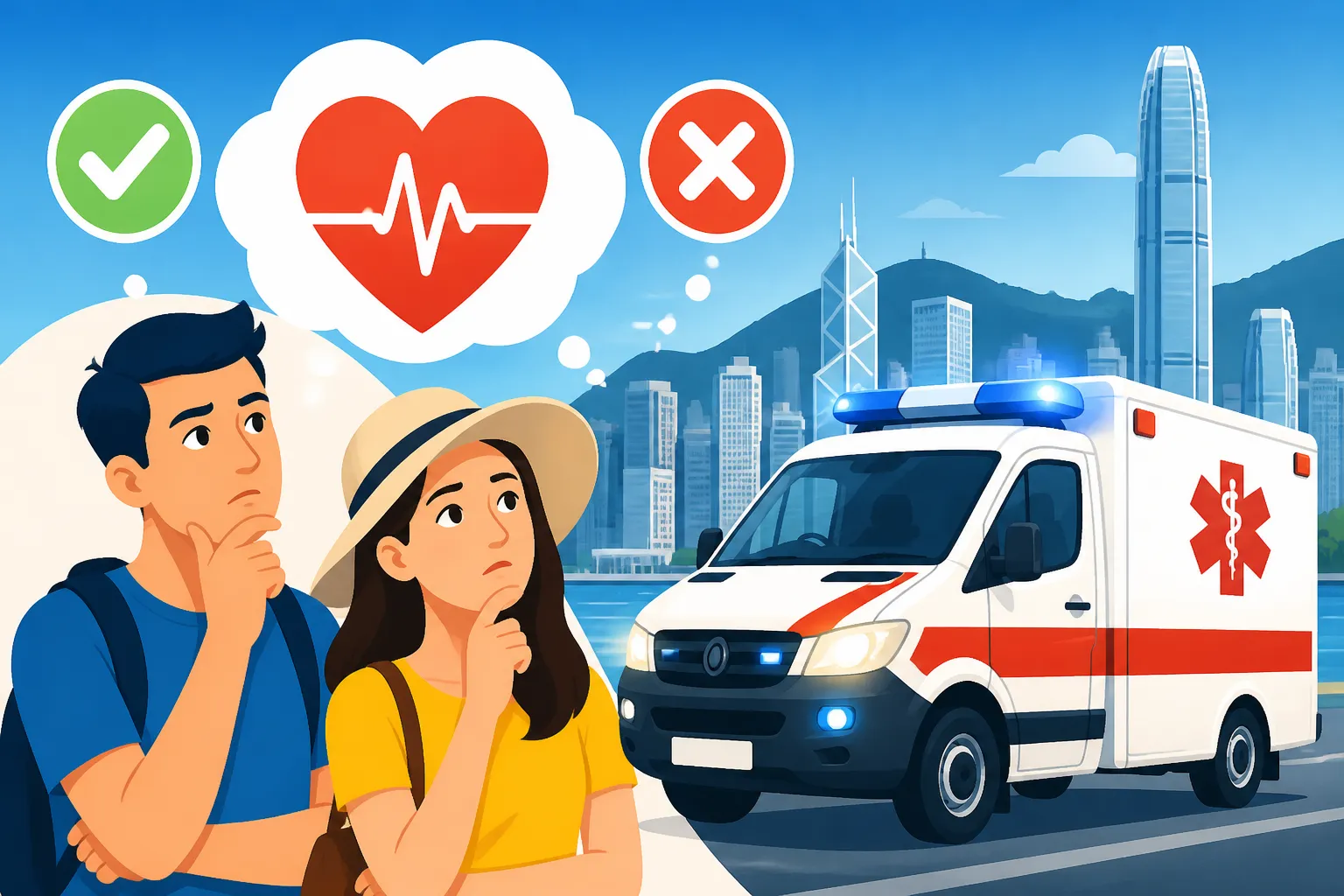
In many Western countries, an ambulance ride can cost as much as a month's rent. However, Hong Kong operates under a different philosophy when it comes to emergency transport. If you dial 999 and an ambulance from the Hong Kong Fire Services Department (FSD) arrives, the ride itself is free of charge. This applies regardless of whether you are a permanent resident, an expat on a work visa, or a tourist who arrived just hours ago. The city prioritizes life-saving intervention over immediate billing, ensuring that no one hesitates to call for help during a life-threatening event.
While the ride is free, the destination is almost always a public hospital's Accident and Emergency (A&E) department. This is where the "free" part of the journey ends for many. Once you pass through those sliding glass doors, your administrative status—specifically whether you hold a valid Hong Kong Identity Card—determines the cost of your care. It is a common misconception among newcomers that the entire emergency experience is subsidized. In reality, the ambulance is a public service provided by the FSD, while the hospital treatment falls under the Hospital Authority, which has a very specific fee structure.
Emergency Medical Services (EMS) Provided by the FSD
The Fire Services Department manages the vast majority of emergency ambulances you see weaving through the narrow streets of Mong Kok or Central. These paramedics are highly trained and follow strict protocols. When they arrive, their primary goal is stabilization. They will not ask for your credit card or insurance details before lifting the stretcher. They are part of the city's essential infrastructure, funded by taxpayers to maintain public safety. For an expat, this is a massive relief compared to systems in the US or even parts of Europe where "out-of-network" ambulance fees are a constant threat.
It is worth noting that because these services are free and high-quality, the system is often under significant pressure. The FSD categorizes calls based on urgency. If you are calling because of a minor scrape, you are taking a resource away from someone experiencing a stroke or cardiac arrest. This is why understanding Emergency Medical Services in HK: Calling 999 and A&E Wards is crucial. The paramedics have the authority to decide which hospital you are taken to; typically, it is the nearest public hospital with an A&E department capable of handling your specific condition. You cannot usually "request" a specific private hospital if you are using the public 999 service.
The Triage System and Immediate Care
Once the ambulance arrives at the hospital, you are immediately moved into the triage system. This is a five-tier scale ranging from "Critical" to "Non-urgent." Your ambulance ride might have been free, but your wait time and eventual bill are dictated by this assessment. If you are a tourist or a visitor without a local ID, you will be classified as a Non-Eligible Person (NEP). While the ambulance didn't charge you, the A&E department certainly will.
In my experience, the efficiency of the FSD is world-class. They often reach the scene within 12 minutes of a call. However, once they hand you over to the hospital staff, you enter the realm of the Hospital Authority. For those who are still waiting for their visas to be processed, it is essential to understand Waiting Times at Public A&E: What Category 4 and 5 Actually Mean because a "free" ambulance ride could still lead to an eight-hour wait in a crowded hallway if your condition isn't deemed life-threatening.
Eligible vs. Non-Eligible Persons: Decoding the Costs
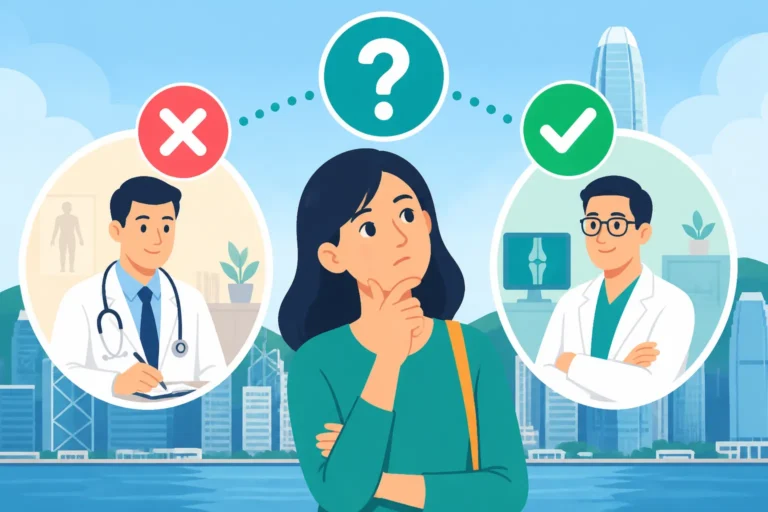
The real financial "sting" isn't the ambulance; it's the hospital admission. Hong Kong divides healthcare users into two categories: Eligible Persons (EP) and Non-Eligible Persons (NEP). If you are an expat living here on a valid GEP, TTPS, or dependent visa, you are an "Eligible Person" the moment you have your HKID or even the official application receipt. Tourists, however, fall into the NEP category, which carries significantly higher price tags for the exact same medical services.
| Service Category | Eligible Persons (HKID Holders) | Non-Eligible Persons (Tourists/Visitors) |
|---|---|---|
| Emergency Ambulance (FSD) | Free | Free |
| A&E Consultation (Per Visit) | HK$180 | HK$1,230 |
| General Ward Stay (Per Day) | HK$120 | HK$5,100 |
| Intensive Care Unit (Per Day) | HK$120 | HK$24,400 |
| Specialist Outpatient (First Visit) | HK$135 | HK$1,190 |
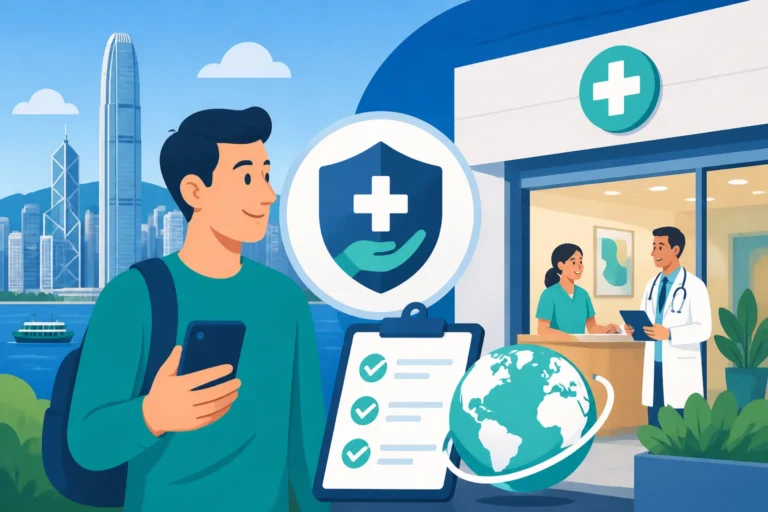
As you can see from the table, the jump from EP to NEP rates is staggering. A tourist who is admitted for three days after a free ambulance ride could easily walk away with a bill exceeding HK$20,000, excluding surgeries or specific medications. This is why visitors should be told that while the ambulance won't charge them, they absolutely must have travel insurance like SafetyWing to cover the hospital fees that follow.
Registering Your HKID for Subsidized Rates
If you are a new arrival, your priority should be Registering Your HKID for Subsidized Public Healthcare Rates as soon as possible. Some expats ignore this for months, thinking their company insurance covers everything. Then, an emergency happens, and because they don't have that plastic card in their wallet, the hospital bills them at the "tourist rate." While you can sometimes reclaim the difference later once your ID is issued, the initial out-of-pocket hit can be painful.
The Hospital Authority is very strict about documentation. When the ambulance drops you off, the registration desk will ask for your HKID. If you only have a passport and a landing slip, you are an NEP. If you have your HKID, you pay the subsidized rate of HK$180 for the A&E visit. This is a fundamental part of Hospital Authority (HA) Guide: Accessing Public Healthcare for Expats. The system is designed to be fair to residents, but it is unyielding for those who haven't formalized their residency status.
What Tourists (NEP) Actually Pay at the Hospital
For a tourist, the "free ambulance" is a bit of a silver lining in what can be an expensive cloud. If you are involved in a major accident, the public system is the best place to be for trauma care. However, the costs add up fast. Beyond the HK$1,230 A&E fee, you will be charged for every procedure, X-ray, and night spent in a bed. Unlike private hospitals, public hospitals do not usually offer "packages" for tourists; they bill per item and per day at the official NEP rate.
If you find yourself in this situation without insurance, the hospital social workers can sometimes assist, but the debt remains legally yours. This is a major reason why many expats choose to supplement their coverage with plans from Cigna Global, ensuring that even if they are treated in the public system as an NEP (perhaps while waiting for a visa extension), the costs are reimbursed. Understanding the nuances of Hospital Authority Fees: Eligible Persons (EP) vs Non-Eligible Persons (NEP) is the best way to prepare for the reality of medical billing in the city.
Beyond the FSD: St. John Ambulance and Private Options
While the FSD handles the majority of 999 calls, they aren't the only sirens in town. Hong Kong is home to the Hong Kong St. John Ambulance, a charitable organization that has been providing free emergency services for over a century. They operate a fleet of ambulances that respond to emergencies just like the FSD, and their service is also free to the public. You might see their vehicles stationed at major events or patrolling specific districts.
However, there is a third category: private ambulances. These are typically used for non-emergency transport, such as moving a patient from a public hospital to a private one, or for elderly residents needing transport to a clinic. These services are not free. If you arrange a private transfer, expect to pay a base fee plus a mileage charge, which can range from HK$1,000 to HK$3,000 depending on the medical equipment required during the journey.
St. John Ambulance: The Volunteer Heroes
St. John Ambulance is a unique part of Hong Kong's heritage. They have stations in Hong Kong Island, Kowloon, and the New Territories. If they are the closest unit to your emergency, the 999 dispatcher might send them. Like the FSD, they will not charge you for the emergency ride to a public hospital. They are largely staffed by volunteers who are incredibly passionate and professional. I often see them at the Hong Kong Sevens or the Marathon, providing a vital safety net for the city.
One thing to keep in mind is that St. John also provides "non-emergency" transport for a fee. If you need a specialized vehicle to take a relative from home to a scheduled appointment at Private Hospitals in Hong Kong: Admission, Costs, and Insurance, you can book them in advance. In these pre-booked cases, you will be given a quote, and this is where having a robust insurance plan becomes helpful, as some premium plans cover non-emergency medical transport.
Private Hospital Ambulances and Inter-Facility Transfers
Many of the top-tier private hospitals, such as Matilda International Hospital or Hong Kong Sanatorium & Hospital, have their own dedicated ambulances. However, these are generally not dispatched via the 999 system. They are used for their own patients or for transfers between facilities. If you have the means and the insurance coverage, you might choose to be transferred to a private facility once stabilized at a public A&E.
This transfer process is where things get complicated. A public hospital will generally not use their free FSD ambulances to "drop you off" at a private hospital because you want a nicer room. You will have to arrange and pay for a private ambulance service. If you are covered by Cigna Global, these transfer costs are often included in your policy, but you must check the specifics. Moving between systems is a common move for expats who want the specialized trauma care of the public system initially, followed by the comfort of Private Hospitals in Hong Kong: Admission, Costs, and Insurance for recovery.
Practical Tips for a Medical Crisis in Hong Kong
When the adrenaline is pumping, it’s easy to forget the basics. If you find yourself needing to call an ambulance, the first step is to remain calm and dial 999. You will be connected to a dispatcher who speaks English, Cantonese, and Mandarin. You need to be very specific about your location. In a city of skyscrapers, telling them you are at "the corner of Hennessy Road" isn't enough; they need the building name, floor, and flat number.
Knowing What to Say When Calling 999 for a Medical Emergency can save precious seconds. The dispatcher will ask for the age of the patient, the nature of the emergency (is the patient breathing? are they conscious?), and a contact number. Do not hang up until they tell you to. While waiting, clear a path for the stretchers. Hong Kong apartments are notoriously small, and moving furniture out of the way can help the paramedics reach the patient faster.
Navigating Medical Emergencies During T8 Typhoons or Black Rainstorms
One of the most harrowing experiences is having a medical emergency during a severe weather event. When a T8 typhoon signal or a Black Rainstorm warning is in effect, the city effectively shuts down. However, emergency services do not. The FSD and hospital A&E departments remain operational 24/7. That said, the response time might be slightly longer due to dangerous road conditions or fallen trees.
I’ve lived through several T8s, and the sense of isolation is real. If you need help, call 999 immediately. Do not try to drive yourself to the hospital, as your car insurance may be voided during a T8, and the roads can be treacherous. Paramedics are trained for Navigating Medical Emergencies During T8 Typhoons or Black Rainstorms, and they have the equipment to reach you when standard transport fails. Just be prepared for a bumpy ride and potentially longer wait times at the hospital as staff may also be struggling to commute.
The Role of Insurance for Tourists and Expats
While the ambulance ride is free, the subsequent medical bills can be a nightmare if you aren't prepared. For expats, your employer-provided insurance might have limits or high deductibles. This is why many veteran residents maintain a private plan that covers both public and private hospitalizations. Whether you choose SafetyWing for short-term visits or a comprehensive long-term policy from Cigna Global, having that coverage ensures that the "free" ambulance doesn't lead to a financial crisis.
Insurance also gives you more options. If you are taken to a public hospital in an emergency but your condition is stable, your insurance provider can help facilitate a transfer to a private ward or a private hospital where you might have your own room and English-speaking doctors who have more time to discuss your case. This flexibility is invaluable in a high-pressure environment like Hong Kong's medical system.
Summary of Emergency Contacts
Before you find yourself in a crisis, save these numbers and details. While 999 is the universal emergency line, knowing the alternative options can provide peace of mind.
- General Emergency: 999 (Police, Fire, Ambulance)
- St. John Ambulance (24-Hour Emergency): 1878 000
- Hospital Authority Hotline: 2112 9911 (For general inquiries about public hospital services)
Remember, the goal of the Hong Kong emergency system is to save lives first and handle the paperwork later. Whether you are a tourist or an expat, you will receive the care you need. Just ensure that once the siren stops and the hospital doors open, you have the right ID or insurance in place to handle the next steps of your journey.
Disclaimer
The information provided in this article is for general informational purposes only and does not constitute legal or medical advice. Healthcare fees, policies, and emergency protocols in Hong Kong are subject to change by the Fire Services Department and the Hospital Authority. Always verify current rates and regulations with official government sources or your insurance provider. In a medical emergency, always dial 999 immediately.