Public Hospital Visiting Hours: What You Need to Know Before Going
Navigating the bureaucracy of the Hong Kong public healthcare system can feel like trying to solve a Rubik's Cube in the dark, especially when a loved one is admitted. I remember the sheer panic I felt the first time I hurried to Queen Mary Hospital, only to be stopped by a stern security guard because I was exactly eight minutes past the designated visiting window. This guide solves the confusion by detailing everything you need to know about public hospital visiting hours, ward-specific rules, and the cultural etiquette required for a stress-free visit.
Understanding the Hospital Authority Visiting Policy
The public healthcare system in Hong Kong is managed by the Hospital Authority (HA), a massive statutory body that oversees dozens of hospitals across the territory. Unlike the more flexible environments you might find in private facilities, public hospitals operate with a high degree of standardization and strictness. This is primarily due to the sheer volume of patients and the need to maintain a sterile, efficient environment in one of the most densely populated cities on Earth.
General Ward Visiting Windows
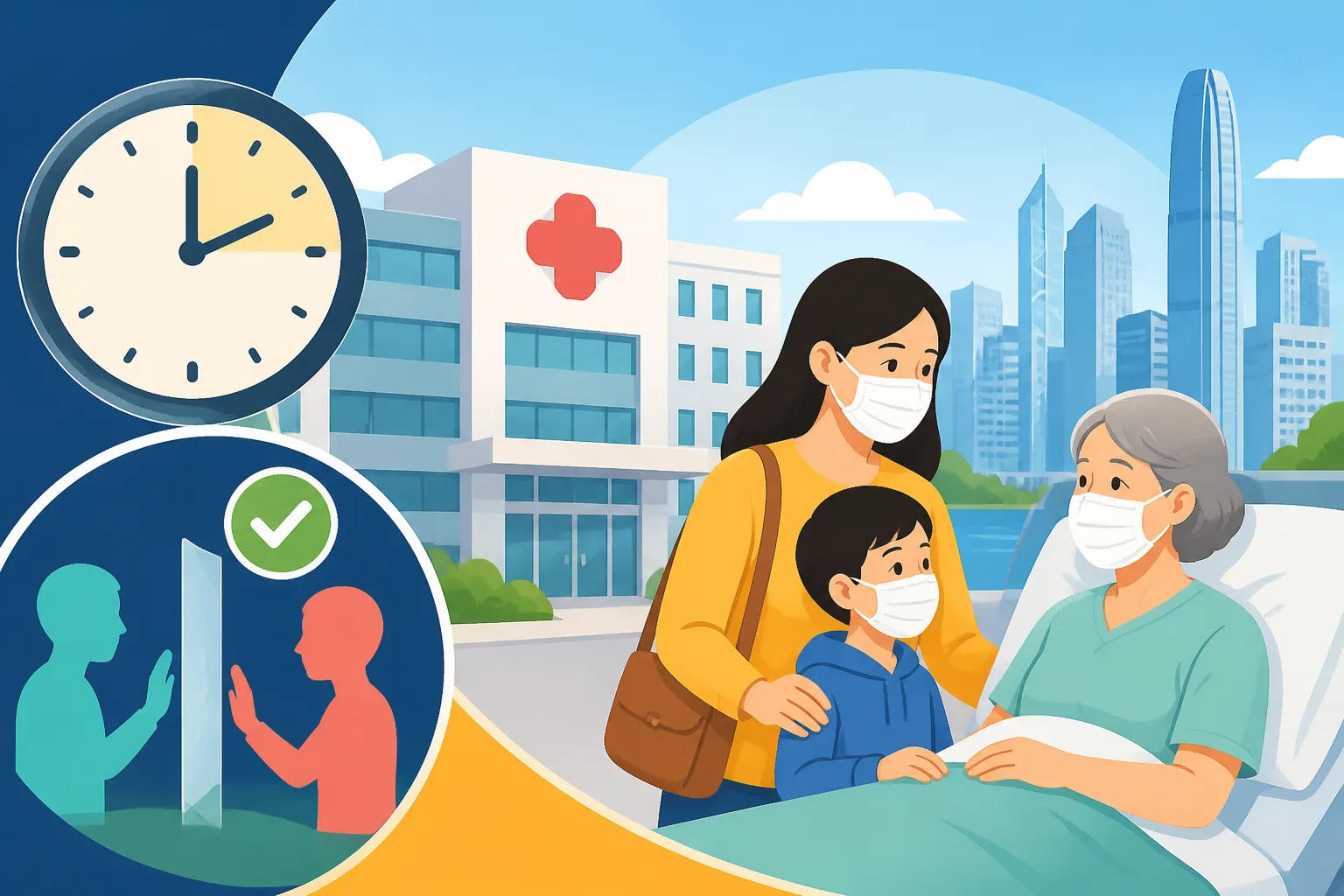
In most public acute hospitals—think big names like Queen Elizabeth, Prince of Wales, or Tuen Mun Hospital—visiting hours are typically restricted to two specific windows during the day. Generally, these fall between 12:00 PM and 1:00 PM for a quick lunch visit, and again from 5:30 PM to 8:30 PM for evening visits. However, it is vital to understand that these hours are not suggestions. If the ward says visiting starts at 5:30 PM, the doors will likely remain locked until that exact second.
When you first enter the world of Healthcare in Hong Kong: Public vs Private Systems Explained (2027), the rigidity can be shocking. Many expats try to "reason" with ward staff for an early entry because they have a work meeting, but in the public system, the rules apply to everyone equally. The staff are incredibly hardworking but are bound by strict protocols designed to ensure doctors can perform rounds without interruption.
Special Care and High Dependency Units
If your family member is in an Intensive Care Unit (ICU) or a High Dependency Unit (HDU), the rules change significantly. These wards often have much shorter visiting windows, sometimes limited to just 30 or 60 minutes per day, and usually only allow two visitors at a time. In some cases, hospitals may implement a "registered visitor" system where only specific, pre-named individuals are allowed entry.
For those who are in Hong Kong on a shorter basis or perhaps just arrived, having a plan for these situations is essential. If you are here as a digital nomad or a frequent traveler, services like SafetyWing can provide a safety net for medical emergencies, but they won't change the visiting hours of the public ward. You must still adhere to the local HA protocols regardless of your insurance status.
Convalescent and Rehabilitation Hospitals
If the patient has been moved to a "step-down" or rehabilitation hospital, such as Cheshire Home or Wong Tai Sin Hospital, you might find the visiting hours are slightly more generous. Because these facilities are focused on long-term recovery rather than acute emergency care, they often allow visitors for longer stretches in the afternoon. However, you should always check the specific hospital's website or the Hospital Authority (HA) Guide: Accessing Public Healthcare for Expats for the most current schedule before you make the trek.
Registration and Entry Requirements for Visitors
Gone are the days when you could just walk into a ward and find a bed. Post-pandemic Hong Kong has maintained a fairly high level of security and health screening at public hospital entrances. Understanding the "logistics" of getting from the hospital lobby to the bedside is half the battle.
The Resident Card and ID Requirement
When you arrive at the hospital, your first stop will usually be a registration kiosk or a security desk. You will be expected to show your Hong Kong Identity Card (HKID). If you are a new arrival, Registering Your HKID for Subsidized Public Healthcare Rates is one of the first things you should do, as it serves as your primary key for almost every administrative interaction in the city. If you don't have an HKID yet, a passport will suffice, but be prepared for a few extra minutes of manual data entry by the staff.
The Registered Visitor System
Many wards now limit the number of visitors to two per patient at any given time. Some hospitals issue a "Visiting Card" to the patient's next of kin upon admission. This physical card must be passed between visitors in the lobby. If you have a large family or a group of friends wanting to visit, you will need to coordinate a relay system downstairs. I’ve spent many evenings standing outside the hospital entrance at Pok Oi, waiting to catch a plastic card from a friend so I could head up for my thirty-minute slot.
Health Screening and PPE
While the most stringent COVID-era restrictions have eased, public hospitals remain high-risk environments. You will almost certainly be required to wear a surgical mask at all times while inside the hospital buildings. Hand sanitization is mandatory at the entrance of every ward. If you are visiting a patient in an isolation ward or a particularly sensitive area, the staff may provide you with a gown or gloves. Do not skip these steps; the nursing staff (the "Tun-si") are very observant and will not hesitate to remind you of the rules.
Navigating Hospital Fees and Patient Status
One of the most confusing aspects for foreigners is the distinction between "Eligible Persons" (EP) and "Non-Eligible Persons" (NEP). This status significantly impacts the cost of care and sometimes the administrative hurdles you face when managing a patient's stay.
Eligible vs Non-Eligible Persons
If you hold a valid HKID and are a resident, you are considered an Eligible Person. This means your stay in a public ward is heavily subsidized by the government, often costing as little as HK$120 per day. If you are a tourist or a non-resident, the costs are significantly higher. For a deep dive into these costs, you should review Hospital Authority Fees: Eligible Persons (EP) vs Non-Eligible Persons (NEP) to avoid a massive bill at the end of a stay.
| Category | Typical Visiting Hours (Acute) | Max Visitors at Bedside | ID Required? |
|---|---|---|---|
| General Medical Ward | 12:00–13:00 & 17:30–20:30 | 2 | Yes (HKID/Passport) |
| Intensive Care (ICU) | 18:00–19:00 (Varies) | 1 or 2 | Yes |
| Maternity Ward | 17:30–20:30 | 2 (Spouse + 1) | Yes |
| Paediatric Ward | 12:00–20:00 (Flexible for Parents) | 2 | Yes |
Using the HA Go App
The Hospital Authority has moved a lot of its functionality to a mobile app called "HA Go." While it’s mainly used for booking appointments and checking lab results, it’s a lifesaver for regular visitors. You can often see the patient's location and ward number directly in the app once you’ve linked your account. If you’re managing the care of an elderly relative, How to Register for a Hospital Authority Patient Number is a prerequisite to getting the most out of this digital system.
For expats who want a more premium experience, including private rooms and 24/7 visiting access, looking into Private Hospitals in Hong Kong: Admission, Costs, and Insurance is often the preferred route. Comprehensive plans from providers like Cigna Global can bridge the gap, allowing you to bypass the strict public ward hours altogether by opting for private care.
Cultural Nuances and Pro-Tips for Visiting
Visiting a hospital in Hong Kong isn't just about showing up on time; it’s about understanding the local "vibe" of the wards. Public hospitals are crowded. There is very little space between beds, and privacy is often limited to a thin curtain.
What to Bring (and What to Avoid)
In local culture, bringing a gift is common, but you have to be strategic. Fruit baskets are the gold standard, particularly oranges and grapes, but check with the nurses first as the patient might be on a restricted diet. Avoid bringing lilies or flowers with heavy pollen, as many wards have strict policies against them due to allergies and space.
If you are visiting a patient who was admitted through Emergency Medical Services in HK: Calling 999 and A&E Wards, they likely arrived with nothing but the clothes on their back. Essential items you should bring include:
- A pair of non-slip slippers (hospital floors are notoriously slick).
- A set of pajamas (public hospital gowns are functional but not exactly comfortable).
- A roll of toilet paper and basic toiletries (public hospitals do not always provide these for free).
- A small towel and soap.
Dealing with Weather Disruptions
Hong Kong's weather can shut down the city in a heartbeat. If a Typhoon Signal No. 8 or a Black Rainstorm Warning is issued, all public hospital visiting hours are immediately suspended. This is a safety measure to keep people off the streets and ensure the staff can focus on emergency operations. If you are unsure about the current status, refer to our guide on Navigating Medical Emergencies During T8 Typhoons or Black Rainstorms to understand how the city’s infrastructure shifts during a storm.
Communication with Medical Staff
Public hospital doctors are incredibly busy and usually do their rounds in the morning when visitors are not present. If you need a formal update on a patient's condition, you may need to request a "family meeting" through the ward clerk. Be prepared for a wait. Most doctors speak excellent English, but the supporting ward staff may primarily use Cantonese. Using the HA Go App for Booking Public Outpatient Clinics can sometimes help in tracking follow-up care, but for the actual hospital stay, clear, polite communication with the head nurse (the "Ward Manager") is your best bet.
Special Considerations for Families
If you are visiting someone in a specialized ward, such as a maternity or pediatric unit, the rules are slightly more human-centric but still very regulated.
Maternity and Childbirth
For those navigating Maternity and Childbirth in HK: Public Wards vs Private Packages, visiting hours for fathers are generally more flexible than for the general public, but do not expect to be allowed to stay overnight. In public hospitals, husbands are usually asked to leave after the evening visiting hours end, which can be a significant cultural shock for those used to private rooms or Western hospital standards.
Pediatric Visits
In children's wards, hospitals usually allow one parent to stay at the bedside 24 hours a day. This is a relief for many expat parents, but the facilities for the staying parent are often just a reclining chair next to the cot. The second parent and other visitors must still adhere to the standard afternoon and evening windows.
For long-term peace of mind, many families choose to supplement the public system with private coverage. Companies like Cigna Global offer plans that allow for private room stays where family members can remain together throughout the recovery process. This avoids the stress of being ushered out of the ward at 8:30 PM sharp while your child is still awake.
Final Practical Checklist
Before you head out to the hospital, run through this quick checklist to ensure you don't waste a trip:
- Check the time: Is it actually within the visiting window?
- HKID/Passport: Do you have your identification?
- The Visiting Card: If someone else from your group is already there, do you have a way to get the card from them?
- Mask up: Do you have a fresh surgical mask?
- Small Change: Many hospital cafeterias or vending machines still prefer Octopus cards or small notes.
Public hospitals in Hong Kong provide world-class clinical care, and the strict visiting hours are a part of the trade-off for an affordable, highly efficient system. By respecting the protocols and showing up prepared, you can focus on what really matters: supporting your loved one’s recovery.
Disclaimer
This guide is intended for informational purposes only and reflects the general policies of the Hong Kong Hospital Authority as of 2026. Hospital policies, including specific visiting hours and health requirements, can change without notice due to seasonal illness surges or administrative updates. Always contact the specific hospital ward or check the official Hospital Authority website before visiting to confirm current regulations. This content does not constitute medical or legal advice.