Accessing Medical Oxygen and Home Care Equipment in HK
Finding yourself in a situation where a loved one needs a hospital bed or a steady supply of medical-grade oxygen in a tiny 20th-floor apartment is a uniquely Hong Kong brand of stress. I still vividly remember the panic of trying to source a nebulizer for my daughter during a particularly bad pollution spike while navigating a language barrier at a local pharmacy. This guide provides the practical, boots-on-the-ground details you need to source medical oxygen and home care equipment across the territory without losing your mind.
The Logistics of Home Care in a High-Rise Environment
Hong Kong’s vertical living presents a specific set of challenges when you are trying to set up a home recovery room. Unlike the sprawling suburbs of the US or Australia, where a delivery truck can pull into a driveway, here you are dealing with narrow doorways, tiny service elevators, and the occasional walk-up in older districts like Sheung Wan or Sai Ying Pun. Before you even sign a rental agreement for a piece of equipment, you must measure your "clear opening" width for your front door and any internal bedroom doors.
Many high-end hospital beds for home use are surprisingly bulky. If you live in a modern complex with a service lift, you’ll usually be fine, but if you are in a mid-levels "tong lau" (walk-up), you might need to hire specialized movers who can dismantle and reassemble the frame. Most reputable suppliers in Hong Kong are used to this and will offer a "site visit" for a small fee. I highly recommend doing this; it is far better to lose HKD 300 on a failed site visit than to have a HKD 20,000 bed sitting in your lobby because it won't fit in the lift.
Furthermore, the humidity in Hong Kong is a hidden enemy for medical electronics. If you are using oxygen concentrators or electronic monitors, you must ensure the room is climate-controlled. Mold can grow inside the filters of respiratory equipment remarkably fast during the humid spring months. It is standard practice for veteran expats to keep a dehumidifier running 24/7 in any room housing sensitive medical gear to prevent malfunction or secondary respiratory infections.
Sourcing Medical Oxygen Cylinders and Concentrators
Medical oxygen is a regulated substance in Hong Kong, and you cannot simply walk into a hardware store and buy a tank. You will almost certainly need a valid prescription from a doctor registered in the city. If you are arriving from overseas with a prescription, I suggest Finding English-Speaking General Practitioners (GPs) in Central to have that script "localized" so that suppliers can legally fulfill your order.
Oxygen Concentrators for Long-Term Use
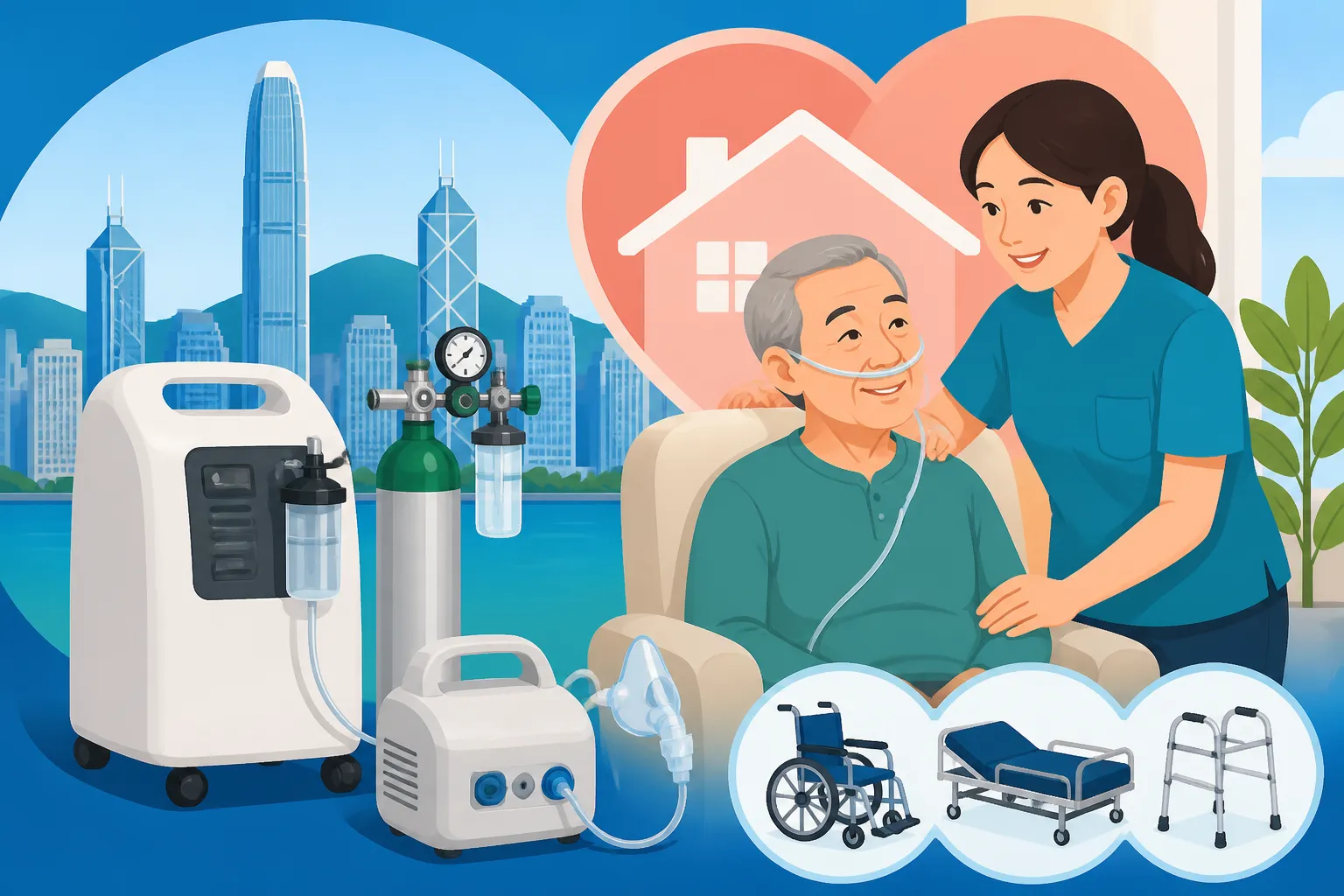
For those requiring long-term oxygen therapy, a concentrator is the most logical choice. These machines pull in ambient air, remove the nitrogen, and deliver purified oxygen. They are powered by electricity, which is convenient but means you are vulnerable during the rare power outage. In Hong Kong, the two main brands you will encounter are Philips Respironics and Invacare.
Renting a concentrator usually costs between HKD 1,200 and HKD 2,500 per month, depending on the flow rate required (usually 5L or 10L). Suppliers like The Linde Group or Air Liquide are the heavyweights here. They provide 24/7 technical support, which is vital. If your machine starts beeping at 3 AM on a Sunday, you want a company that actually answers the phone. If you are a frequent traveler or a digital nomad, companies like SafetyWing often provide support for emergency medical coordination, which can be a lifesaver if your equipment fails while you are technically "in-between" permanent residencies.
Oxygen Cylinders for Portability and Back-up
Even if you have a concentrator, you must have back-up cylinders. Hong Kong’s power grid is incredibly stable, but typhoons happen. If a T10 signal is hoisted and the power flickers, you need that "E-tank" (the small portable ones) ready to go. Delivery of these tanks is a specialized service. Companies like Linde have a fleet of small trucks that navigate the narrow alleys of Central and Kowloon.
The cost for the gas itself is relatively low, but the "bottle deposit" and delivery fees add up. You should expect to pay a deposit of around HKD 1,000 to HKD 2,000 per cylinder. It is also worth noting that many taxi drivers in Hong Kong are hesitant to carry large oxygen tanks due to safety concerns. If you need to transport a patient with oxygen, it is often better to book a private non-emergency ambulance or use the Emergency Medical Services in HK: Calling 999 and A&E Wards if the situation is critical.
Essential Home Care Equipment Beyond Oxygen
Beyond respiratory support, many families find themselves needing a suite of equipment to manage recovery from surgery or chronic illness. The Healthcare in Hong Kong: Public vs Private Systems Explained (2027) environment means that while the public system is excellent for acute care, home care support is often something the family has to coordinate independently through private vendors.
Hospital Beds and Pressure Mattresses
A proper medical bed is not just about comfort; it’s about preventing pressure sores and allowing the caregiver to work without destroying their back. In Hong Kong’s cramped quarters, look for "three-function" beds that allow for height adjustment, head elevation, and knee breaks. Brands like Hill-Rom are common in Private Hospitals in Hong Kong: Admission, Costs, and Insurance, but for home use, you might look at more affordable Japanese or Taiwanese brands like Apex.
Rental is the most common route for expats, as you likely don't want to own a 100kg bed when your lease ends. If you are planning to buy, check the second-hand market on platforms like AsiaXpat or Facebook expat groups. Many people "pay it forward" by selling gear at a steep discount once their recovery is complete. Just ensure you hire a professional to sanitize and service any second-hand electronic gear.
Mobility Aids and Daily Living Tools
For items like wheelchairs, walkers, and commodes, the options range from high-end specialty stores in Happy Valley to the budget-friendly shops near the Hospital Authority (HA) Guide: Accessing Public Healthcare for Expats facilities. If you only need a wheelchair for a few weeks, the Hong Kong Red Cross offers a very affordable rental service, though the equipment is basic and there can be a waitlist.
For more specialized needs, such as a lightweight folding electric wheelchair (essential if you plan to use the MTR), you will want to visit a specialist. These chairs are designed to be "HK-friendly," meaning they can navigate the tight turns of a Pacific Place shopping trip or a trip to the doctor. For more details on this, I have written a specific guide on Renting or Buying a Wheelchair and Mobility Aids in Hong Kong that covers the best showrooms in the city.
Comparison of Home Care Equipment Providers in HK
| Provider Type | Common Items | Estimated Monthly Rental (HKD) | Best For |
|---|---|---|---|
| Multinational Gas Co. (Linde/Air Liquide) | Oxygen Concentrators, Cylinders | $1,500 – $3,000 | Reliability and 24/7 Support |
| Local Medical Supply Shops | Wheelchairs, Walking Frames | $300 – $800 | Budget and Quick Pick-up |
| NGOs (Red Cross/Rehab Society) | Basic Mobility Aids, Beds | $100 – $500 | Short-term, low-cost needs |
| Specialty Private Firms | High-end Hospital Beds, Hoists | $2,500 – $6,000 | Complex home ICU setups |
Navigating Insurance and Financial Support
The cost of home care equipment can quickly spiral, especially if you are Managing Chronic Conditions: Diabetes and Hypertension in HK or dealing with a long-term disability. Most local base-level insurance plans are notoriously stingy when it comes to "durable medical equipment" (DME). They might cover the hospital stay but stop paying the moment the patient crosses the threshold of their own home.
This is where premium international expat insurance becomes essential. Companies like Cigna Global often have specific modules that cover the rental or purchase of home medical equipment, provided it is deemed medically necessary by a specialist. When dealing with Cigna Global, make sure you get a "Letter of Medical Necessity" from your doctor before you commit to a purchase. They are generally very efficient with reimbursements, but the paperwork must be precise.
If you are a visitor or on a short-term assignment, SafetyWing can be a great fallback for unexpected medical needs, though their focus is typically on acute emergencies rather than long-term chronic home care. Always read the fine print regarding "pre-existing conditions" if you are trying to get insurance to cover equipment for a condition that was diagnosed before you moved to the 852.
Maintenance and Emergency Repairs
Once the equipment is in your home, the responsibility for its upkeep shifts largely to you. I cannot stress enough how important it is to have a "backup for your backup." For oxygen users, this means always having one full "Emergency" tank that is never used for daily walks. For those with electric beds, keep a manual crank handle nearby in case the motor fails during a power surge.
If a piece of equipment breaks, don't try to "DIY" it. Hong Kong has a very specific "technician culture." Most major suppliers have a team of "sifus" (masters/technicians) who can be dispatched within a few hours. Keep the technician’s direct WhatsApp number taped to the side of the machine. In the local context, a quick WhatsApp message with a video of the problem often gets a faster response than a formal email to the company's "info@" address.
If you are caring for a child, Finding Expat-Friendly Pediatricians and Family Doctors who are familiar with home care is vital. They often have direct lines to smaller, niche suppliers who specialize in pediatric-sized equipment, which can be much harder to find in the standard adult-focused medical shops in Sham Shui Po.
Specialized Support for Expat Caregivers
Being a caregiver in a foreign country is isolating. In Hong Kong, we are lucky to have a robust network of private nursing agencies that can send a Registered Nurse (RN) or an Enrolled Nurse (EN) to your home to help set up the equipment and train your domestic helper on how to use it safely. If you have a helper, I strongly recommend paying for them to attend a specialized first aid or home care course. Their help in monitoring oxygen levels or operating a hoist is invaluable, but they need the proper training to do it safely.
Navigating the medical equipment landscape here is a marathon, not a sprint. Take the time to visit showrooms, measure your lifts twice, and always ensure your insurance company has pre-authorized the spend. Hong Kong is a city that rewards those who are organized and persistent, and while the initial setup is a headache, the quality of equipment available in the private sector is world-class.
Medical Information Disclaimer
The information provided in this article is for informational and educational purposes only and does not constitute professional medical advice, diagnosis, or treatment. Always seek the advice of your physician or other qualified health provider with any questions you may have regarding a medical condition or the use of medical equipment. Never disregard professional medical advice or delay in seeking it because of something you have read in this guide. The author is an expat blogger sharing personal experiences and research, not a licensed medical professional. Reliance on any information provided in this article is solely at your own risk.