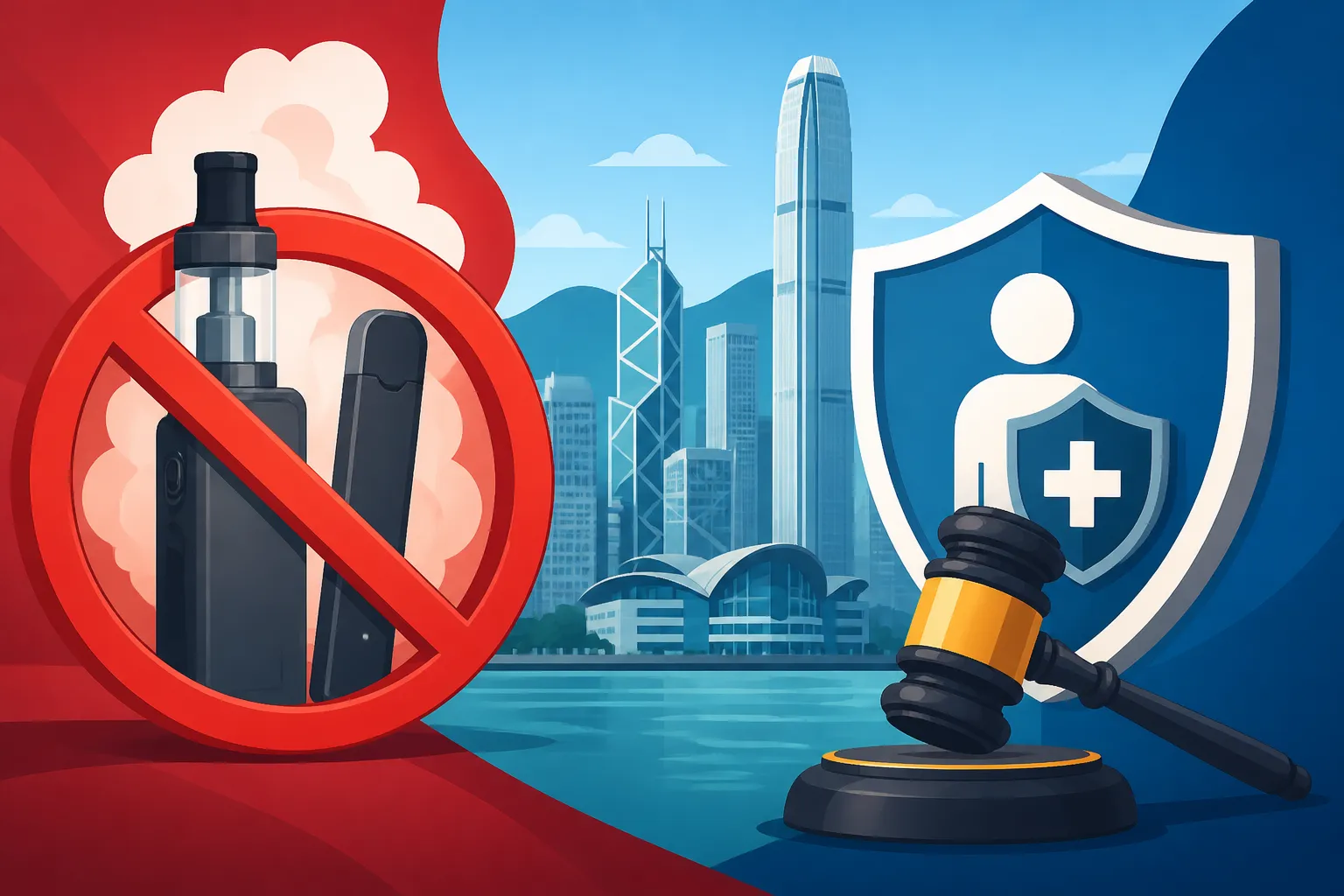
E-cigarettes and Vaping in HK: Strict Health Laws and Penalties
Arriving at Hong Kong International Airport with a vape pen in your carry-on can lead to a legal headache that most expats simply aren't prepared for. I once watched a fellow traveler get pulled aside by customs because they had a few spare pods tucked into their toiletry kit, and the look of pure confusion on their face was heartbreaking. This guide explains the nuances of Hong Kong's strict e-cigarette bans, the specific penalties you face for possession or importation, and how to navigate these health laws without compromising your residency status.
The Evolution of Vaping Laws in Hong Kong
For several years, Hong Kong existed in a bit of a legal gray area regarding electronic cigarettes. You could see people vaping in the designated smoking areas of Central or Tsim Sha Tsui, and specialty shops were popping up in trendy corners of the city. However, that changed drastically with the commencement of the Smoking (Public Health) (Amendment) Ordinance in early 2022. The government’s stance shifted from cautious observation to a comprehensive ban on the "alternative smoking product" (ASP) market.
When we talk about ASPs in the local context, the definition is incredibly broad. It doesn't just cover the e-liquid or the nicotine pods; it includes the physical devices, the heating elements, and even the "herbal cigarettes" that don't contain tobacco. If it mimics the act of smoking and uses a non-tobacco substance, it likely falls under this ban. As someone who has lived here through these transitions, I can tell you that the enforcement isn't just a paper threat; the Tobacco and Alcohol Control Office (TACO) is active and takes these regulations seriously.
The reasoning behind such a strict clampdown is rooted in the city's public health strategy to achieve a "Tobacco-Free Hong Kong." The authorities are particularly concerned about the "gateway effect" on the youth population. While some countries view vaping as a cessation tool, Hong Kong's medical establishment largely views it as a new threat to respiratory health. For expats, this means your usual habits from London, New York, or Sydney are not just frowned upon—they are illegal to facilitate. Understanding the Pharmacies and Medication in HK: Prescriptions and OTC Rules can give you some perspective on how the city tightly controls any substance that isn't a traditional pharmaceutical or a standard cigarette.
Importation Rules and the Customs Reality
The most common way expats find themselves in trouble is through importation. It is a common misconception that you can bring in a "personal supply" of e-cigarettes for your own use. This is false. Under the current law, no person may import an ASP by way of parcels, cargo, or even as part of their personal baggage. This includes transit passengers in some specific scenarios, though usually, those remaining in the "airside" of the airport are less scrutinized. However, the moment you cross the "Green Channel" at customs, you are subject to Hong Kong law.
If you are caught bringing in e-cigarettes or pods, the penalties are severe. The maximum penalty for importing these products is a fine of HK$50,000 and imprisonment for six months. While first-time offenders who are clearly tourists might sometimes receive a warning and have their goods confiscated, you cannot count on this leniency. The customs officers at HKIA are highly trained to spot the distinctive shapes of vape batteries and pods on X-ray machines. If you are moving to the city, you must ensure that your shipping containers do not contain any ASPs, as this can delay your entire shipment and lead to a criminal record before you’ve even received your HKID.
For those managing chronic health conditions who might be looking for alternative therapies, it's vital to stick to legal channels. You can read more about Declaring Prescription Drugs at HK Customs: Forms and Limits to understand how to properly bring in legitimate medication. Vaping, unfortunately, does not fall into the category of "prescribed medication" in the eyes of the Hong Kong Department of Health, regardless of what your doctor back home might say. If you are worried about your health coverage during a customs dispute, having a plan from Cigna Global can provide some peace of mind, though it won't shield you from criminal liability for illegal imports.
Penalties and Enforcement in Daily Life
Once you are actually living in Hong Kong, the laws regarding possession and use become the primary concern. Interestingly, the law focuses heavily on the commercial side—importation, manufacture, sale, and distribution. However, this does not mean you are "safe" if you have a device. While the mere possession of an e-cigarette for personal use was not originally criminalized in the same way as the sale, using the device in a statutory "No Smoking Area" (SNSA) is a major offense.
If you are caught vaping in a prohibited area—which includes almost all indoor public places, workplaces, restaurants, and many outdoor areas like public parks, beaches, and bus interchanges—you are liable for a fixed penalty of HK$1,500. If the case goes to court, that fine can escalate to HK$5,000. Officers from TACO, and often the Hong Kong Police, conduct regular sweeps. Reports describe plainclothes officers in the West Kowloon Cultural District and along the Tsim Sha Tsui promenade specifically looking for the tell-tale clouds of vapor.
| Offense Type | Maximum Financial Penalty | Potential Jail Time |
|---|---|---|
| Importation of ASPs | HK$50,000 | 6 Months |
| Sale or Distribution | HK$50,000 | 6 Months |
| Possession for Commercial Purpose | HK$50,000 | 6 Months |
| Vaping in a No-Smoking Area | HK$1,500 (Fixed) / HK$5,000 (Max) | N/A |
| Advertising ASPs | HK$50,000 | N/A |
The "black market" for vapes in Hong Kong is another trap for the unwary. You might find certain "under-the-counter" sellers in areas like Mong Kok or via encrypted messaging apps. Engaging with these sellers is a high-risk activity. Not only is the product unregulated and potentially dangerous, but the police regularly conduct sting operations. A simple purchase could lead to a charge of "assisting in the sale of prohibited items." When you are working through your Essential Health Checklist for Your First 30 Days in Hong Kong, it is much wiser to look into legal nicotine replacement therapies (NRTs) like patches or gum, which are widely available at Watsons or Mannings.
Navigating Public Spaces and Health Resources
Living in Hong Kong requires a high degree of spatial awareness. The city is densely packed, and the "No Smoking" signs are everywhere. It’s important to realize that the ban on vaping in public spaces is identical to the ban on traditional cigarettes. This includes all forms of Public Transport in HK: MTR, Trams, Buses, and Ferries, where the penalties for smoking or vaping are strictly enforced by the transport operators themselves, not just the police.
If you find that the stress of the move or the intensity of the Hong Kong work culture is making it hard to quit, the city does offer significant resources. The Department of Health operates several smoking cessation clinics. These clinics provide professional counseling and can prescribe NRTs that are legal and safe. If you prefer a more private approach, Finding English-Speaking General Practitioners (GPs) in Central is a great first step. A local GP can help you manage the withdrawal symptoms and provide a roadmap for quitting that doesn't involve breaking the law.
For those who feel that the transition is affecting their mental well-being—as addiction and stress are often linked—it is worth exploring Public vs Private Psychiatric Care: Waiting Times and Costs. Hong Kong is a "work hard, play hard" environment, and the pressure can be immense. Using illegal substances like e-cigarettes as a crutch can lead to more stress if you are constantly looking over your shoulder for enforcement officers. Many expat-friendly health plans, such as those from SafetyWing, provide resources for those navigating the lifestyle changes that come with a move to Asia.
Insurance and Health Risks for Expats
From a veteran expat perspective, one of the most overlooked aspects of vaping in Hong Kong is how it interacts with your insurance policies. When you apply for a plan through Cigna Global or a local provider, you are always asked about your smoking habits. Many people think "I only vape, so I'm a non-smoker." In the eyes of most insurers today, any nicotine delivery system or regular use of ASPs classifies you as a "smoker" for premium calculation purposes.
If you fail to disclose this and later develop a respiratory condition, the insurer may have grounds to deny your claim. This is particularly critical if you are utilizing the Private Health Insurance Plans Beyond VHIS for Expat Families to ensure your children and spouse are covered. Inaccurate disclosure is a risk that can lead to hundreds of thousands of dollars in uncovered medical bills if you need to be admitted to a private facility.
Furthermore, if you have a medical emergency related to a faulty "black market" vape device—which are common since there is no quality control in an illegal market—you might find yourself in a complicated situation. While you will always receive life-saving care via Emergency Medical Services in HK: Calling 999 and A&E Wards, the subsequent insurance claim could be scrutinized if the injury was the result of an illegal activity (the use of a prohibited ASP). SafetyWing is often a popular choice for digital nomads and younger expats because of its flexibility, but even they require adherence to local laws to ensure full coverage.
Practical Steps for Vapers Moving to Hong Kong
If you are currently a vaper and are planning a move to the 852, you need a transition plan. You cannot simply "bring your gear" and hope for the best. The risk to your visa and your reputation is too high. Here is a step-by-step approach to staying legal:
- Purge Your Belongings: Before your movers arrive, dispose of all e-cigarettes, liquids, and accessories. Do not hide them in "junk drawers."
- Consult Your Doctor: Before leaving your home country, ask for a prescription for legal NRTs. While you can't get a prescription for a vape, you can get medical advice on how to use patches or sprays.
- Switch to Legal Cigarettes (If necessary): While not a healthy choice, traditional cigarettes remain legal to possess and smoke in designated areas in Hong Kong. Note that there is a very small duty-free allowance (usually only 19 cigarettes) when entering the city.
- Register for Local Healthcare: Once you arrive, use the HA Go App for Booking Public Outpatient Clinics to find a local doctor who can support your cessation journey.
- Update Your Insurance: Be honest with providers like Cigna Global about your history. It is better to pay a slightly higher premium than to have a million-dollar claim rejected.
The legal landscape in Hong Kong is designed to be a deterrent. The government wants to make it as difficult as possible to continue the habit. While it might feel frustrating—especially if you come from a country where vaping is seen as a "harm reduction" tool—the reality on the ground is that "the law is the law." Whether you are an expat on a high-flying finance contract or a digital nomad passing through, the penalties for e-cigarettes can have a lasting impact on your ability to stay in this incredible city.
Disclaimer
This article is for informational purposes only and does not constitute legal or medical advice. Hong Kong's laws and regulations regarding e-cigarettes and alternative smoking products are subject to change. Always consult the official website of the Tobacco and Alcohol Control Office (TACO) and the Hong Kong Customs and Excise Department for the most current information. Additionally, speak with a qualified medical professional before starting or stopping any nicotine-related treatments.