Split Bills and “AA” Culture in Hong Kong Dinners
One of the first things many of us expats quickly realize when settling into Hong Kong is that while the city is a whirlwind of incredible experiences, navigating its social etiquette, especially around money, can feel like learning a whole new language. You might find yourself at a fantastic dim sum brunch or a swanky Central dinner, the bill arrives, and then comes the quiet, often unspoken, understanding: "AA." This guide is here to decode Hong Kong's unique "AA" culture and help you split bills like a seasoned local.
Understanding "AA" Culture in Hong Kong
For many newcomers, the concept of "AA" can be a bit of a head-scratcher. It's not a secret society or an exclusive club, but rather a widely accepted, almost universal, approach to handling shared expenses. Understanding this fundamental aspect of Hong Kong social life will save you from countless awkward moments.
What "AA" Actually Means: Go Dutch
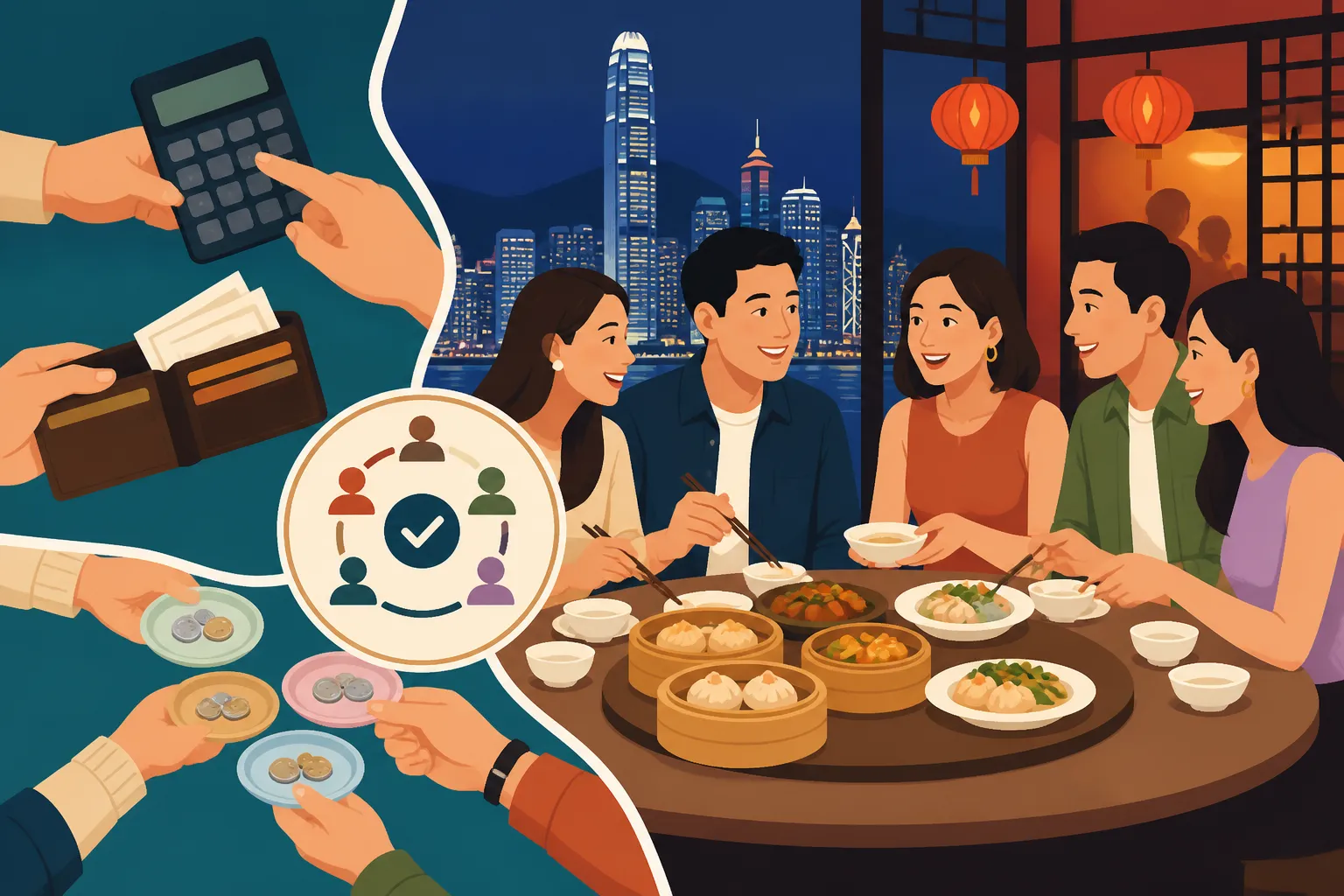
In essence, "AA" is Hong Kong's shorthand for "go Dutch" or "separate checks." It means that everyone pays for their own share of the bill, or the total cost is divided equally among all participants. The "AA" likely comes from the "Algebraic Average" or "Average All" concept, reflecting the idea of splitting the cost down the middle, regardless of who ordered what specific dish. It's a pragmatic, straightforward approach to social spending that fosters a sense of fairness and avoids anyone feeling like they've been taken advantage of or, conversely, that they're imposing on others.
This isn't just about dinners. You'll find "AA" applied to everything from karaoke nights in TST to shared taxi rides up to The Peak. It’s ingrained in the local psyche as a sensible way to manage costs when enjoying group activities. Unlike some Western cultures where treating or being treated is more common, in Hong Kong, the default expectation in most social group settings is that everyone covers their own portion.
The Origins and Practicality of AA in HK
Hong Kong is a high-cost city, and frugality, alongside an appreciation for good value, runs deep. The "AA" culture has likely evolved from this practical mindset. Imagine a group of friends going out to eat several times a week, as is common here. If one person always insisted on treating, or if there was a constant back-and-forth about who paid last, it could become financially burdensome and socially complex very quickly. "AA" simplifies everything, removing the guesswork and potential for resentment.
It’s also incredibly practical given the fast-paced nature of life here. People often move quickly from one engagement to the next, and lengthy debates over who owes what would just slow things down. By adopting "AA," the focus remains on enjoying the company and the experience, rather than the financial logistics. This practicality is perhaps why it’s so readily embraced by locals and expats alike once they get used to it. No one wants to owe anyone, and no one wants to feel owed. It keeps things clean and transparent.
When AA is Expected vs. When it's Not
While "AA" is the norm for casual outings, it’s not a hard and fast rule for every single social interaction. Understanding the nuances is key. Generally, for most group dinners, drinks, or casual meet-ups among friends or colleagues, "AA" is fully expected. This holds true whether you're at a local dai pai dong or a mid-range restaurant in Causeway Bay. If someone explicitly invites you and says "my treat," then, of course, that's different. But without that clear statement, assume "AA."
There are a few scenarios where "AA" might not be the default:
- Formal Business Dinners: Often, the host company or a senior individual will cover the bill. Observe what others do, but generally, don't reach for your wallet unless it's clear it's "AA."
- Birthday Dinners or Celebrations: While the birthday person might not pay, it's common for others to "AA" their portion, or perhaps one or two close friends might organize to cover the birthday individual's meal as a gift. It's rarely a single person treating everyone, but a collective effort.
- Family Meals: Within immediate families, the elder generation (parents/grandparents) will often treat the younger ones. However, even here, especially among siblings or cousins, "AA" can still emerge, particularly if everyone is an adult with their own income.
When in doubt, it’s always better to offer to pay your share. The worst that can happen is they politely decline, and you’ve shown good manners.
The Various Ways to "AA" a Bill
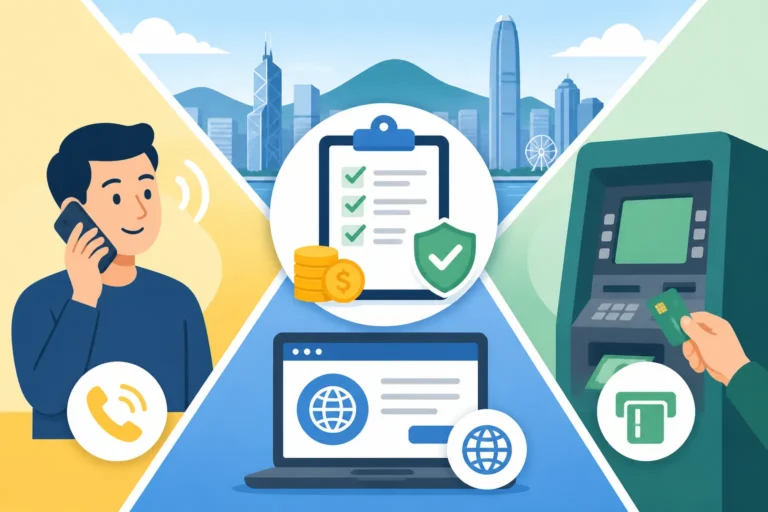
Once the decision to "AA" has been made, the next step is actually splitting the bill. Hong Kong, being a technologically advanced city, offers several convenient methods, ranging from old-school cash transactions to sophisticated digital transfers.
Traditional Cash Splitting: The Old School Method
Before the advent of ubiquitous digital payment apps, cash was king for "AA"ing. This often involved someone collecting cash from everyone, or everyone meticulously calculating their share and placing it on the table. While less common now for smaller sums, it still happens, especially in older, more traditional eateries that might not accept cards or for those who prefer to keep their spending strictly in cash.
If you're in a group where cash is being used for "AA," try to have smaller denominations. Handing over a HKD500 note for a HKD80 share can be a hassle for the collector, who then has to scramble for change. Keep a few HKD20, HKD50, or HKD100 notes handy, especially if you anticipate dining at local, cash-only establishments.
Digital Payment Apps: Your Modern AA Toolkit
This is where Hong Kong truly shines in terms of convenience. The city has embraced digital payments wholeheartedly, making bill splitting almost effortless. These apps have become an indispensable part of daily financial life for most residents.
The big players you'll encounter are:
- PayMe: Developed by HSBC, PayMe is perhaps the most popular peer-to-peer payment app in Hong Kong. It allows you to send and receive money instantly from your contacts using just a phone number. Many locals use it daily for splitting lunch bills, taxi fares, or group gifts. Linking Your Bank Account to AlipayHK and PayMe is a common step for new users.
- Faster Payment System (FPS): This is a real-time payment platform that allows instant transfers between banks in Hong Kong, 24/7. You can use a phone number, email address, or FPS ID to send money directly to someone's bank account. Many virtual banks in HK integrate FPS seamlessly, allowing you to use it for Faster Payment System (FPS): How to Use It for Rent and Bills and social payments.
- AlipayHK & WeChat Pay HK: These are the Hong Kong versions of the popular mainland Chinese payment apps. While they also offer peer-to-peer payments and are widely accepted by merchants, their primary use for "AA" tends to be within circles that frequently use these platforms or for splitting bills at specific vendors that prominently feature them. They are a core part of Digital Payments in HK: Octopus, AlipayHK, PayMe, and WeChat Pay.
When the bill arrives, it's common for one person to pay the entire amount (usually with a credit card to rack up points or simply for convenience), and then open one of these apps to "request" money from everyone else. The app handles the calculations if you input the total and the number of people, making it quick and painless. Just be sure to upgrade your PayMe Limits: Upgrading Your Account with a HKID if you plan on frequent or larger transfers.
Credit Card Roulette vs. Fair Play
"Credit card roulette," where everyone throws in a card and one is picked at random to pay, is almost non-existent in Hong Kong's "AA" culture. The idea is to be fair and transparent. While one person might put the entire bill on their credit card to earn rewards, it's always with the understanding that everyone will immediately transfer their share.
Some restaurants might offer to split the bill onto multiple credit cards, but this is less common for large groups and can be time-consuming for the staff. It's generally more efficient for one person to pay and then collect via digital apps. If you're wondering about using your foreign credit card, remember that Do Taxis in Hong Kong Accept Credit Cards or Only Cash? often applies to smaller, local establishments and taxis, so it's always good to have some cash or a loaded Octopus card.
Navigating the Bill at Restaurants and Social Gatherings
The moment of truth arrives: the bill lands on the table. How do you handle it gracefully and ensure a smooth "AA" experience without any awkwardness?
Who Initiates the Split? Reading the Room
In many Western cultures, there's a delicate dance of who offers to pay or who suggests splitting. In Hong Kong, it's usually far less ambiguous. Often, one person, typically the most organized or the one who paid last time, will simply take the bill. They might then announce, "Okay, AA time!" or simply start calculating shares if it's a small group. If no one immediately takes the lead, it's perfectly fine for you to volunteer, "Shall we AA? I can put it on my card and you can PayMe me."
The key is to read the room. If it's a casual gathering of friends, someone will usually take charge. If it's a mixed group, perhaps with some more senior members, they might offer to treat, but if not, "AA" is the fallback. Don't be shy about asking, "How are we doing this?" if you're unsure. Transparency is always appreciated.
Handling Discrepancies: When Someone Ordered More
One common dilemma with "AA" is when not everyone ordered the same amount. Perhaps one person stuck to water while another indulged in several expensive cocktails, or one person ordered a premium steak while others had more modest dishes. The strict "AA" rule usually dictates splitting the total equally, which can feel unfair to those who spent less.
Here's how this is often handled:
- Equal Split (Default): For most casual dinners, especially if food is shared family-style, the total bill (including service charge, which is almost always 10%) is simply divided by the number of people. This is the simplest and most common form of "AA."
- Manual Calculation (for significant differences): If there are noticeable differences in spending (e.g., someone had a bottle of wine while others had soft drinks), someone might suggest a "true AA," meaning everyone pays for exactly what they ordered, plus their share of shared dishes. This requires more calculation but is often preferred for fairness. It's usually a quick mental calculation or someone uses a calculator app. Don't expect the restaurant to do individual bills unless explicitly requested beforehand and sometimes even then, it's a hassle.
- The "Round Up" or "Even Out" Method: Sometimes, to make calculations easier, especially with cash, people might round up their payment to the nearest easy figure (e.g., HKD100) or simply contribute a bit more if they know they had a bit extra. This is less precise but common for smaller, informal groups.
If you know you've ordered significantly more or less than others, it's good etiquette to either offer to pay slightly more or suggest a manual split. Similarly, if you see a friend who clearly only had a small dish being asked to pay an equal share of a huge bill, you might subtly suggest, "Hey, maybe we can calculate based on what everyone had this time?" This level of consideration is always appreciated.
Tips for Expats: Avoiding Awkward Moments
For new expats, the "AA" culture can take some getting used to. Here are a few tips to ensure you navigate it smoothly:
- Always be Prepared: Have cash in smaller denominations, or better yet, ensure your PayMe, FPS, AlipayHK, or WeChat Pay HK accounts are set up and linked to your bank. If you're a new resident, getting your local bank account running smoothly is part of your Essential Health Checklist for Your First 30 Days in Hong Kong and overall financial readiness. You can also explore options for Opening a Traditional Bank Account: HSBC, Standard Chartered, and BOC.
- Don't Hesitate to Ask: If you're unsure how a group plans to split the bill, a simple, "How are we doing the bill?" or "Shall I PayMe you?" is perfectly acceptable. It shows you're ready to contribute.
- Offer to Pay the Full Bill: If you have a credit card with good rewards, offer to put the entire bill on your card. "I can put it on my card, just PayMe me your share," is a common phrase. This positions you as helpful and organized, and you get the points!
- Be Mindful of Service Charge: Remember that most restaurants add a 10% service charge. This is almost always included in the "AA" calculation.
- Understand Different Social Circles: While "AA" is general, some expat circles might lean more towards treating or alternating. Observe the norms within your specific friend groups, but the Hong Kong default remains "AA."
- Don't Overthink It: It's about fairness and simplicity. Don't let the logistics overshadow the joy of the meal.
Beyond Dinners: Where Else AA Culture Applies
The "AA" spirit isn't confined to restaurant tables. It permeates many other aspects of social life in Hong Kong, reflecting a broader cultural emphasis on shared responsibility for recreational expenses.
Group Activities and Weekend Trips
Planning a junk boat trip to Sai Kung, a hiking excursion with friends, or a weekend getaway to Macau? You can bet the "AA" principle will apply to most costs. This includes:
- Transportation: Shared taxis, Ubers, or even public transport fares if one person is consistently paying.
- Activity Fees: Rental costs for a junk boat, entrance fees to attractions, or group lesson charges.
- Shared Supplies: Snacks, drinks, or equipment purchased for the group.
It’s typical for one person to act as the "treasurer" for the trip, collecting funds upfront or tracking expenses and settling up afterwards using a payment app. This ensures everyone contributes equally to the fun, regardless of their individual spending habits during the activity itself. This also feeds into a general understanding of Everyday Budgeting in HK: Cost of Living Benchmarks (2026), as many group activities can add up.
Shared Household Expenses
While not strictly "AA" in the social sense, the principle of sharing costs fairly extends to shared living arrangements. If you're living in a flatshare, utilities (electricity, water, gas, broadband) are almost always split equally. Rent is divided per room or as agreed. This mirrors the underlying fairness of "AA."
However, for ongoing bills, it often moves beyond simple one-off transfers. It's common to set up standing instructions via FPS for regular payments or to have one person pay the bill and everyone else automatically transfer their share at the start of each month. This brings us back to the utility of tools like FPS for recurring transfers, as discussed in Faster Payment System (FPS): How to Use It for Rent and Bills.
Gifts and Celebrations
When it comes to buying a group gift for a friend's birthday, a colleague's farewell, or a baby shower, "AA" is almost always the method of choice. One person will coordinate the gift, collect contributions (usually via PayMe or FPS), and then make the purchase. This allows everyone to contribute what they're comfortable with and ensures a more substantial gift than any individual could buy alone.
For wedding banquets, while you contribute a cash gift (lai see) as a couple or individual, the expectation is that the cost of your attendance is covered by your gift, upholding a form of mutual financial respect. The overall sentiment remains that major celebratory costs are not solely borne by one individual, but rather shared amongst the community. This aligns with broader Everyday Etiquette and Safety in Hong Kong: A Survival Guide principles in social settings.
The Pros and Cons of Hong Kong's AA Culture
Like any deeply ingrained social practice, Hong Kong's "AA" culture comes with its own set of advantages and potential drawbacks for residents, particularly expats still getting accustomed to it.
Advantages: Fairness and Financial Independence
The most obvious benefit of "AA" is fairness. Everyone pays their due, and no one feels exploited or indebted. This removes much of the social awkwardness that can arise in other cultures where there's an unspoken expectation for certain individuals to always pick up the tab. For expats, especially those managing their finances carefully, it offers clear expectations and helps with budgeting. If you're concerned about your overall financial picture in Hong Kong, understanding your tax obligations as an expat through resources like Taxes for Expats can provide a broader context for your financial planning.
"AA" also promotes financial independence. Everyone is responsible for their own spending. You don't have to worry about whether you can afford to go out if someone else is treating, or feel guilty if you can't reciprocate. This allows for greater freedom in social choices without financial pressure. It also simplifies record-keeping if you're meticulously tracking your expenses, whether for personal budgeting or for managing business finances.
Furthermore, it encourages more frequent socialising. Because the financial burden is distributed, people are more likely to say yes to spontaneous dinners or drinks without the added pressure of having to treat or be treated. It builds a sense of collective enjoyment where everyone is an equal participant, not a host or a guest in the financial sense.
Disadvantages: Potential Awkwardness and Calculations
Despite its benefits, "AA" can occasionally lead to minor awkwardness, particularly for those new to the culture. The explicit nature of splitting bills might feel transactional or less generous than what you're used to. You might worry about appearing stingy if you insist on only paying for your exact share when others are happy to split equally, especially if you ordered less. There's a fine line between being fair and being perceived as overly meticulous.
The calculations themselves can also be a minor point of contention. While digital apps have greatly streamlined this, there are still moments where someone has to take the lead, gather everyone's contribution, and ensure the numbers add up. This can become more complex with large groups, varying orders, and when factoring in things like discounts, corkage fees, or specific contributions to shared dishes. Sometimes, the conversation around who pays what can detract from the relaxed atmosphere of a dinner.
Another subtle disadvantage is the loss of the "treat" culture. While not a universal expectation, the occasional gesture of one friend treating another can foster a different kind of camaraderie. In Hong Kong's strict "AA" culture, these gestures are rarer, though not entirely absent. It just means you have to be more intentional if you do want to treat someone. Remember, for larger financial movements, such as sending money back home, services like Wise offer transparent exchange rates and low fees, taking away the awkwardness from international transfers that "AA" does for local bills.
Practical Tools and Tips for Seamless Bill Splitting
Now that you're well-versed in the philosophy of "AA," let's equip you with some practical tools and strategies to make bill splitting in Hong Kong as smooth as possible.
Essential Apps to Download
To thrive in Hong Kong's digital payment landscape, these apps are your best friends:
- PayMe (HSBC): As mentioned, this is ubiquitous. Download it, link it to your HK bank account, and familiarize yourself with sending and requesting money. Most of your friends will have it.
- Your Bank's Mobile App (with FPS): Ensure your primary Hong Kong bank's mobile app is installed and that you know how to use its Faster Payment System (FPS) functionality. This allows direct transfers between bank accounts using a phone number or email, providing a robust alternative to PayMe.
- Calculator App: A good old calculator app on your phone is indispensable for those times when manual "true AA" calculations are required.
- Octopus App: While not for peer-to-peer payments, the Octopus card is central to daily life. You can add it to your Apple Wallet or Google Pay, and monitor your balance and top-up directly. This is crucial for small payments, particularly on public transport, which is covered in depth in topics like The Octopus Card: Hong Kong's Essential Transport & Payment Tool.
Having these apps ready to go on your phone will save you from fumbling when the bill arrives, showing that you're prepared and respectful of everyone's time.
Communication is Key
Even in a culture with clear norms, good communication always helps.
- Clarify Early: If you're in a situation where you might prefer a manual split (e.g., you only had a drink and others had a full meal), gently suggest it before the calculations begin. "I only had a soda, so maybe I can just PayMe for that and a share of the starters?" is perfectly polite.
- Offer to Pay (the whole bill) First: A good strategy, as mentioned, is to offer to pay the entire bill yourself with your card. This takes the lead, ensures you get any credit card points, and simplifies things for the rest of the group who can then simply transfer their share to you. This also ensures there's no confusion about Can I Use My Foreign Health Insurance Card at Queen Mary Hospital? or other cards at payment.
- Confirm Amounts: When someone sends a PayMe request, quickly double-check the amount. Mistakes happen, and it's better to clarify immediately than to discover an error later.
Ultimately, remember that "AA" culture is about making social interactions easier, not harder. A friendly, upfront approach will always be well-received.
A Note on Tipping (or lack thereof) in HK
As a final thought on dinner etiquette, it's worth noting that tipping culture in Hong Kong is very different from many Western countries. Most restaurants, particularly mid-range to high-end, automatically add a 10% service charge to the bill. This is considered the equivalent of a tip, and further tipping is generally not expected or necessary. For more casual eateries or local cha chaan tengs, there's no service charge, and tipping is not customary at all. You just pay the exact amount.
This simplifies the "AA" calculation even further, as you don't need to factor in an additional percentage for a tip. This also ties into the general principles of Everyday Etiquette and Safety in Hong Kong: A Survival Guide in social settings. Knowing this detail means one less thing to worry about when the bill comes, allowing you to focus on the pleasant company and the delicious Hong Kong food.
Disclaimer
Please note that the information provided in this guide is for general informational purposes only and does not constitute financial, legal, or professional advice. While we strive to provide accurate and up-to-date information, rules and regulations in Hong Kong can change. Always consult with relevant professionals for advice tailored to your specific situation.