Can I Use My Foreign Health Insurance Card at Queen Mary Hospital?
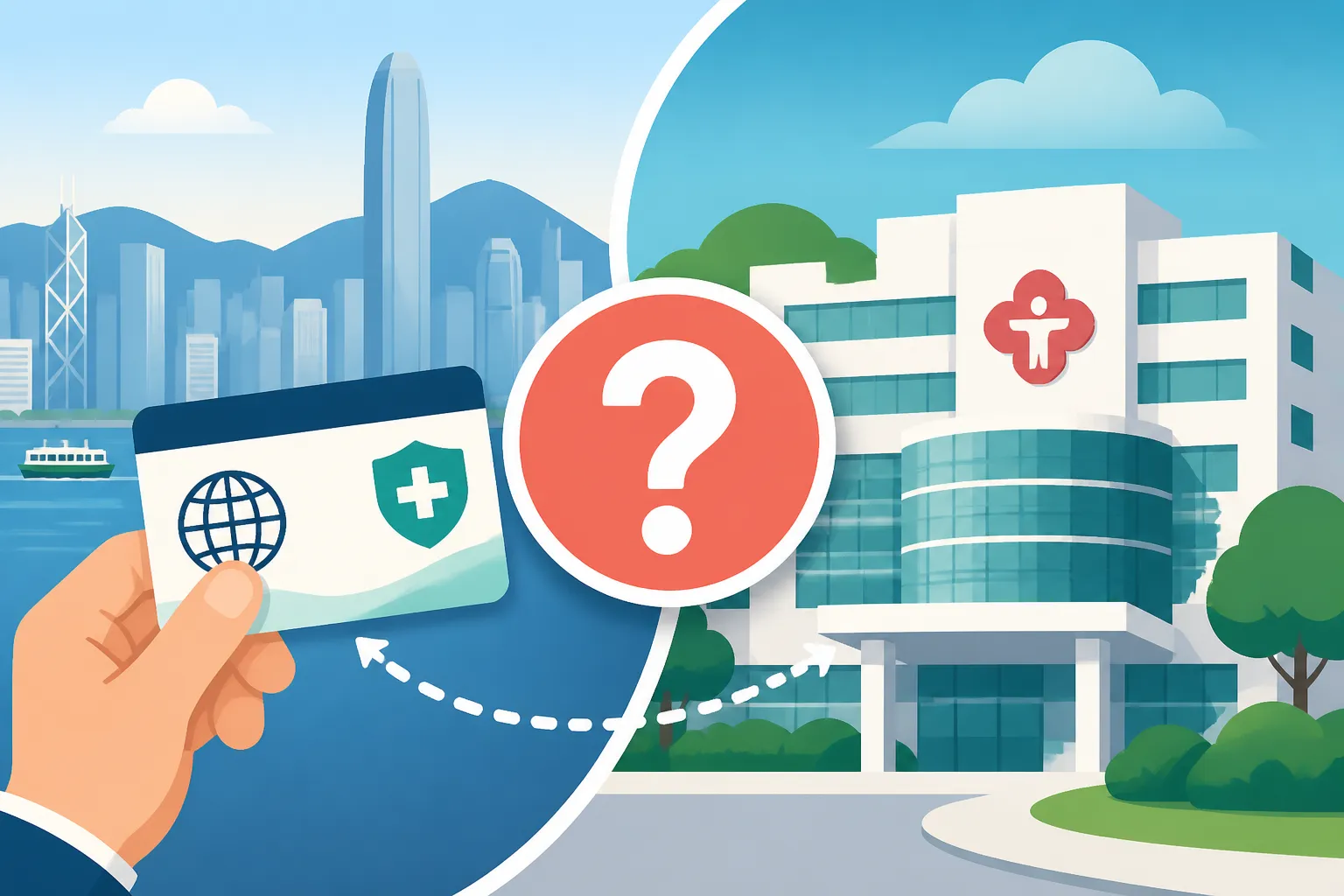
Standing at the registration desk of Queen Mary Hospital with a sick child or a throbbing injury, the last thing you want is a financial surprise. I remember my first time navigating the public system, naively waving my international insurance card expecting a simple signature and a quick exit. This guide explains why that card won't work for direct billing and how to actually manage your expenses at Queen Mary.
Understanding Queen Mary Hospital and the Public System Framework
Queen Mary Hospital is a cornerstone of the Hong Kong healthcare landscape, but for a newly arrived expat, its administrative structure can be a bit of a shock. Located in Pok Fu Lam, it serves as the major teaching hospital for the University of Hong Kong's Li Ka Shing Faculty of Medicine. This means you are getting world-class medical expertise, but you are also entering a massive, high-volume public machine managed by the Hospital Authority (HA).
The first thing you need to realize is that Queen Mary is fundamentally a public institution. Unlike the plush lobbies of the Matilda or the Sanatorium, Queen Mary is designed to provide subsidized care for the entire population. Because it is funded by the government, its billing systems are not designed to interface with the complicated private portals used by international insurance providers. If you carry a premium plan from a provider like Cigna Global, you still have access to these facilities, but the "front-end" experience is vastly different than what you might find in a private clinic in Central.
Is Queen Mary Hospital Private or Public
While Queen Mary is a public hospital, it does offer "Private Patient" services. This is a common point of confusion. You can be admitted as a private patient to a public hospital, which grants you access to private or semi-private rooms and the ability to choose your specific attending specialist (often a university professor). However, even as a private patient in a public hospital, the institution remains a government entity. This status dictates how they handle money. They generally do not recognize the concept of a "guarantee of payment" (GOP) from a foreign insurer at the point of service.
The Eligible Person vs Non Eligible Person Distinction
Your status in the eyes of the Hospital Authority is the single most important factor in your bill. If you hold a valid Hong Kong Identity Card (HKID) that was issued to you through an employment or dependent visa, you are considered an Eligible Person (EP). This entitles you to the heavily subsidized rates that make Hong Kong’s public system famous.
If you are a tourist or a temporary resident who has not yet completed Registering Your HKID for Subsidized Public Healthcare Rates, you are classified as a Non-Eligible Person (NEP). For an NEP, the costs at Queen Mary are significantly higher—often comparable to private sector prices. If you are in this category, having a flexible plan from SafetyWing or a similar international provider is essential to avoid a massive out-of-pocket hit, even if you still have to pay the hospital directly first.
The Reality of Using Foreign Insurance Cards at Public Hospitals
The short answer to the core question is: No, you generally cannot use your foreign health insurance card for direct billing at Queen Mary Hospital. If you walk into the Accident and Emergency (A&E) department and present a card from an overseas insurer, the clerk will likely look at it with polite confusion before asking for your HKID or a credit card.
The public system in Hong Kong operates on a "pay-as-you-go" or "pay-on-discharge" basis. The administrative overhead required to verify international policies, check coverage limits, and wait for wire transfers from foreign banks is something the Hospital Authority simply does not participate in. They prioritize medical throughput and equitable care over the administrative convenience of private insurance integration.
Why Direct Billing is Rare in the Public Sector
Direct billing requires a pre-existing contractual agreement between the hospital and the insurance company. While many private hospitals in Hong Kong have these agreements with dozens of global providers, the Hospital Authority does not. Their mandate is to provide care to the public at statutory rates. They have no incentive to negotiate individual billing terms with private insurers.
For expats, this means that even if you have the most comprehensive policy from Cigna Global, you will be expected to settle your bill at the hospital's accounts office using cash, credit card, or Octopus. You must then take the original, itemized receipts and a completed claim form to your insurer to get reimbursed. This "pay-and-claim" model is the standard operating procedure for the public sector.
The Pay and Claim Model for Public Care
When you are discharged from Queen Mary, you will receive a bill. If you were a subsidized "Eligible Person," this bill might be surprisingly small—perhaps a few hundred dollars for a multi-day stay. In these cases, many expats don't even bother filing an insurance claim because the amount is less than their deductible. However, if you were admitted as a private patient or were an NEP, the bill can reach tens or hundreds of thousands of dollars.
In these high-cost scenarios, the process is as follows:
- Settle the bill in full at the hospital.
- Request a formal "Medical Report" or "Certificate of Attendance" if your insurance requires it.
- Ensure the receipt is itemized and includes the hospital's official stamp.
- Submit these documents to your insurance provider.
This can be a liquidity challenge. If you are facing a major surgery as a private patient in a public hospital, you may need to pay a large deposit upfront. This is where Private Health Insurance Plans Beyond VHIS for Expat Families become vital, as they often provide the high limits necessary to cover these major out-of-pocket expenses before reimbursement kicks in.
Comparative Costs and When to Use Your Insurance
To understand the financial implications, it helps to see the staggering difference between the subsidized rates and the market rates at Queen Mary. Most expats with a HKID will find that for routine emergencies, the cost is so low that their foreign insurance card is irrelevant. The real value of insurance like SafetyWing or other international plans comes into play when you are an NEP or when you choose the private patient route within the public hospital.
| Service Category | Eligible Person (EP) Rate | Non-Eligible Person (NEP) Rate | Private Patient Rate (Min) |
|---|---|---|---|
| A&E Per Attendance | HKD 180 | HKD 1,230 | N/A |
| General Ward (Daily) | HKD 120 | HKD 5,100 | HKD 6,120+ |
| Specialist Outpatient | HKD 135 (1st), 80 (sub) | HKD 1,190 | HKD 790 – 2,210 |
| Intensive Care (Daily) | HKD 120 | HKD 24,400 | HKD 15,350+ |
As you can see, if you are an Eligible Person, the Hospital Authority Fees: Eligible Persons (EP) vs Non-Eligible Persons (NEP) are incredibly low. However, if you are a tourist who has a medical emergency, you are looking at HKD 24,400 per day for an ICU bed. In that situation, your foreign insurance is your only lifeline, even if you have to find a way to pay the hospital initially.
Inpatient Costs for Private Patients in Public Hospitals
Many expats choose to go "private" within Queen Mary because they want the expertise of a specific university professor who specializes in a rare condition. If you do this, you are opting out of the HKD 120/day subsidized rate. You will be charged at the "Private Patient" rate, which is often comparable to what you would pay at the Hong Kong Adventist Hospital or Matilda International Hospital.
Before you commit to this path, call your insurance provider. Since you won't have direct billing, you need to ensure that the "Private Patient" rates at a public hospital are covered under your plan. Some policies have "Reasonable and Customary" clauses that might trigger a dispute if the public hospital's private rates are higher than the local average.
Public vs Private Facilities: Choosing the Right Path
If your foreign insurance card is your primary way of paying for healthcare, you need to decide if Queen Mary is the right choice for non-emergencies. In a true, life-threatening emergency, the ambulance will take you to the nearest public A&E, which might be Queen Mary. In that case, the medical care is the priority, and the billing comes later.
However, for elective procedures or non-urgent specialist consultations, using your insurance card is much easier at a private facility. Clinics in Central or private hospitals in Kowloon are set up for direct billing. You hand over your card, they verify it on the spot, and you pay nothing (or just a co-pay). If you prefer this convenience, you should research Private Hospitals in Hong Kong: Admission, Costs, and Insurance to find a facility that has a direct-pay arrangement with your specific insurer.
Practical Steps for Navigating Queen Mary Hospital
If you do find yourself at Queen Mary, whether by choice or by ambulance, there are several steps you can take to make the subsequent insurance claim easier. The system moves fast, and once you leave the hospital, getting additional paperwork can be a bureaucratic nightmare that involves multiple trips back to Pok Fu Lam.
Registering for Care and Necessary Documentation
Upon arrival, go to the registration counter. You must provide your passport or your HKID. If you have an HKID, ensure the clerk records it correctly, as this is what triggers the subsidized EP rates. If you are an expat working here but your HKID hasn't arrived yet, bring your passport and a copy of your visa.
While the clerk won't use your insurance card for billing, you should still keep it handy. Sometimes, in the private patient wing, they may assist you in filling out the claim form, though this is not guaranteed. More importantly, have a digital copy of your policy summary. If you are admitted, you may need to call your insurer (like Cigna Global) to inform them of the admission, especially if you expect the stay to be long. They can sometimes issue a letter of "Emergency Assistance" that might help in certain administrative discussions, though it rarely replaces the need for a credit card at the payment window.
Handling the Billing and Reimbursement Process
Before you leave the hospital, visit the Shroff (the cashier). This is where the final bill is settled.
- Request an Itemized Bill: Standard public receipts can be very brief. Ask specifically for an itemized breakdown of charges (medication, room, doctor’s fees, etc.). Most international insurers will reject a "lump sum" receipt.
- The Medical Report: If your surgery was significant, your insurer will want a medical report. You usually have to apply for this at the Medical Records Office and pay a small fee. It is not handed to you automatically upon discharge.
- Use the HA Go App: I highly recommend downloading the Using the HA Go App for Booking Public Outpatient Clinics tool. While its primary use is for appointments, it also allows you to see your billing records and, in some cases, pay outstanding fees via your phone.
If you are an expat who frequently travels or is waiting for a permanent visa, you might also find that Is the Ambulance Free in Hong Kong for Tourists and Expats? is a relevant concern. At Queen Mary, like all public hospitals, the clinical priority is absolute, but the financial responsibility remains with the patient.
When Your Insurance Card Provides Peace of Mind
Even though you can't tap your card like a credit card at the Queen Mary reception, having it is still vital. For major medical events, insurers like Cigna Global often provide a dedicated case manager. While they can't force the hospital to accept direct billing, they can work with you to ensure you have the funds available or, in extreme cases of multi-million dollar bills, they may attempt to coordinate a special payment arrangement with the Hospital Authority’s head office.
Furthermore, if your condition is stable but requires long-term care, your insurer can help coordinate a transfer from the public ward at Queen Mary to a private hospital where your direct billing will work. This is a common strategy for expats: use the public system for the initial stabilization (where they are arguably the best in the world) and then move to a private room for recovery once the insurance paperwork is cleared.
Understanding the Healthcare in Hong Kong: Public vs Private Systems Explained (2027) is the best way to avoid the stress of a rejected insurance card. The system isn't broken; it's just divided. Queen Mary is there to save your life, while your insurance is there to protect your bank account. As long as you remember that you are the middleman in the transaction, you’ll navigate the Pok Fu Lam corridors with much more confidence.
Disclaimer
The information provided in this guide is for general informational purposes only and does not constitute legal, financial, or medical advice. Healthcare policies, Hospital Authority fees, and insurance coverage terms in Hong Kong are subject to change. While we strive to keep this information up to date for 2026, always verify specific billing procedures with Queen Mary Hospital and confirm coverage details with your insurance provider before seeking treatment. We are not responsible for any financial discrepancies or medical outcomes resulting from the use of this guide.