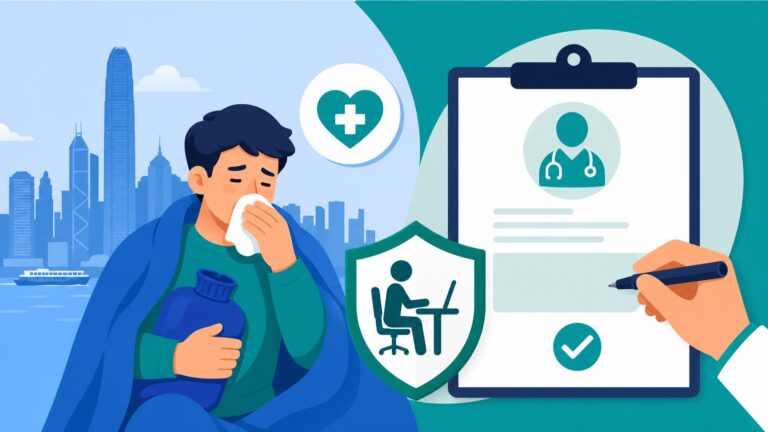
Accessing English-Speaking Psychologists and Psychiatrists
Living in a 400-square-foot apartment while grinding through 12-hour shifts in Central is enough to push even the most resilient expat to a breaking point. I remember my second year in the city—the "honeymoon phase" had evaporated, and the relentless humidity seemed to mirror the heavy fog in my own head. This guide provides the exact roadmap I wish I'd had for finding high-quality, English-speaking mental health support in Hong Kong.
Understanding the Landscape: Public vs. Private Mental Healthcare
Navigating the healthcare hierarchy in Hong Kong is your first hurdle. The city operates on a dual-track system, and the experience of seeking mental health support differs wildly depending on which path you choose. For most expats, the choice isn't just about the quality of care, but about the language of delivery and the speed of access.
The Public System and the Hospital Authority
The public system, managed by the Hospital Authority, is world-class in terms of clinical expertise but is notoriously overstretched. If you are a Hong Kong ID holder, you are entitled to subsidized care, which is incredibly affordable. However, the catch is the waiting list. For non-urgent psychiatric cases, the wait can stretch from 60 to over 90 weeks.
In these public settings, English-speaking doctors are available, but the environment is high-pressure. Consultations are often brief—sometimes lasting only 10 to 15 minutes—because of the sheer volume of patients. If you need deep, talk-therapy-based intervention, the public system's clinical psychologists are excellent, but you may only see them once every few months. This is why many foreigners eventually look into Public vs Private Psychiatric Care: Waiting Times and Costs to understand if the investment in private care is necessary for their specific situation.
The Private Sector and Specialist Clinics
The private sector is where the majority of English-speaking expats find their long-term providers. These clinics are primarily concentrated in Central, Admiralty, and TST. Here, you get the "Western" style of care: 50-minute therapy sessions and 30-minute psychiatric reviews.
The practitioners in private practice often have international training from the UK, US, Australia, or Canada. They understand the specific cultural stressors of the "trailing spouse," the "third-culture kid," or the high-flying finance professional. While the cost is significantly higher, the ability to build a consistent relationship with a provider who speaks your native language fluently is often the deciding factor.
Distinguishing Between Psychologists and Psychiatrists in Hong Kong
One of the most common points of confusion for newcomers is knowing which professional to book. In Hong Kong, the roles are distinct, and the regulatory environment is unique.
Psychiatrists: Medical Management and Prescriptions
Psychiatrists in Hong Kong are medical doctors who have specialized in mental health. They are the only ones on this list who can prescribe medication. If you are struggling with severe clinical depression, bipolar disorder, or ADHD and require pharmacological intervention, a psychiatrist is your first port of call.
When you see a private psychiatrist in Central, they will focus on diagnosis and medication management. Some do offer psychotherapy, but many work in tandem with a psychologist. If you are moving to the city with an existing prescription for something like Ritalin or Lexapro, you will need a local psychiatrist to take over your care, as foreign prescriptions aren't honored at local pharmacies. You can find more details on this in our guide on Prescription Drug Laws: Bringing Foreign Medication into Hong Kong.
Clinical Psychologists: Therapy and Assessment
Clinical Psychologists (CPs) focus on "talk therapy" and psychological testing. In Hong Kong, "Clinical Psychologist" is a specific title that usually requires a Master’s or Doctorate in Clinical Psychology. They use evidence-based frameworks like Cognitive Behavioral Therapy (CBT), Dialectical Behavior Therapy (DBT), or psychodynamic therapy.
For many expats, a CP is the primary point of contact for managing anxiety, burnout, or relationship issues. They do not prescribe medication. If they believe you need it, they will refer you to a psychiatrist. It is also important to note that Hong Kong does not currently have a mandatory statutory registration for psychologists, so you should always check if your provider is a member of the Hong Kong Psychological Society (HKPS) or the Hong Kong Association of Doctors in Clinical Psychology (HKADCP).
Counsellors and Coaches: The Low-Intensity Option
Counsellors often provide a more affordable alternative to CPs. While they may not have the same level of clinical training for severe pathologies, many are highly experienced in "adjustment disorders"—which is essentially the fancy term for the stress of moving your entire life to a new country. This is a vital part of the Mental Health in Hong Kong: Counseling and Expat Support Services network that supports our community.
Where to Find English-Speaking Practitioners
Finding a name is easy; finding the right fit is the challenge. Hong Kong’s expat community is small, and word-of-mouth is powerful, but you also need to know the established hubs of excellence.
Expat-Centric Clinics in Central and Mid-Levels
Central is the undisputed hub for private mental healthcare. Clinics like Central Health, OT&P, and Jadis Blurton are staples for the international community. These clinics often house multi-disciplinary teams, meaning your psychiatrist, psychologist, and even your GP are under one roof.
The advantage here is the seamless sharing of medical records. If you are also Finding English-Speaking General Practitioners (GPs) in Central, choosing a GP within the same network as your therapist can make the referral process much smoother. These clinics are accustomed to dealing with international insurance providers like Cigna Global, making the "direct billing" process much less of a headache.
University-Affiliated Services and Research Clinics
For those who find private clinic fees prohibitive but cannot wait for the public system, university clinics are a hidden gem. The University of Hong Kong (HKU) and the Chinese University of Hong Kong (CUHK) often run teaching clinics or research projects that offer therapy at lower rates.
These sessions are often conducted by senior trainees under the strict supervision of veteran professors. The English level is usually excellent, and the clinical standards are rigorous. It is a fantastic middle-ground for students or those on local contracts without premium insurance.
NGO and Community-Based Support
Organizations like Mind HK and St. John’s Cathedral Counselling Service provide essential English-speaking services. St. John’s, in particular, has been a pillar of the community for decades, offering a sliding scale for fees based on your income. They are non-denominational and provide a safe space for anyone, regardless of their background.
| Service Provider Type | Typical Cost (HKD) | Wait Time | Language Proficiency |
|---|---|---|---|
| Public Hospital (HA) | $135 (Subsidized) | 60 – 90+ Weeks | Variable / Often Basic |
| Private Clinic (Central) | $1,800 – $3,500 | 1 – 2 Weeks | Native/Fluent English |
| NGO / Sliding Scale | $600 – $1,200 | 4 – 8 Weeks | High |
| University Clinic | $500 – $1,000 | 4 – 12 Weeks | High |
Costs, Insurance, and Financial Planning
Let’s be honest: mental health care in Hong Kong is expensive. A single 50-minute session with a top-tier psychologist in a private clinic will likely cost you between HKD 2,000 and HKD 3,000. If you are seeing a psychiatrist, the initial consultation might even exceed that.
Navigating Insurance Claims with Cigna Global and SafetyWing
This is where your insurance policy becomes your best friend. Many corporate plans have a "mental health" rider, but they often have a sub-limit (e.g., HKD 10,000 per year), which might only cover four or five sessions.
If you are an entrepreneur or a digital nomad, plans from SafetyWing or Cigna Global are often more robust. Cigna Global is particularly well-regarded in Hong Kong for its comprehensive inpatient and outpatient mental health coverage, which is vital if you require a hospital stay. When booking, always ask the clinic: "Do you offer direct billing for my provider?" If they don't, you will need to pay upfront and file a claim. Ensure your doctor provides a detailed "Clinical Note" and a receipt with the correct diagnostic codes (ICD-10 or DSM-5), as insurers are notoriously picky about this. You can read more about managing these out-of-pocket expenses in our guide on Medical Insurance Co-pays: How to Budget for Out-of-Pocket Costs.
Tax Deductions and Financial Relief
While mental health consultations themselves aren't usually tax-deductible in the way a VHIS premium might be, staying on top of your overall health spending is crucial for your Hong Kong Tax Guide for Expats: Salaries Tax and Filing (2026). If your mental health care is part of a broader treatment plan for a chronic condition, keep all your records. Every bit of financial organization helps when you're living in one of the world's most expensive cities.
Specialized Support for the Expat Community
The "Expat Bubble" brings unique challenges that local practitioners might not always appreciate. This is why many foreigners seek specialists who understand the transient nature of Hong Kong life.
Children, Adolescents, and SEN Support
If you are a parent, the pressure of the Hong Kong school system can be a major stressor for your children. Many international schools have their own counselors, but for a formal diagnosis of ADHD, Dyslexia, or Autism, you will need a private Educational Psychologist.
Clinics like the Jadis Blurton Family Development Center specialize in this area. They provide English-speaking assessments that are recognized by the English Schools Foundation (ESF): The Complete Guide for Expat Parents and other international bodies. Early intervention is key, and while the costs are high, getting a child the right support can change their entire educational trajectory in Hong Kong.
Crisis Support and Emergency Hotlines
If you or someone you know is in immediate distress, do not wait for a private appointment. Hong Kong has several English-speaking crisis lines. The Samaritans (24-hour multilingual hotline) is the gold standard for suicide prevention and emotional support.
In a physical emergency, you should head to the nearest Accident and Emergency (A&E) Triage Categories in Public Hospitals. While the wait for a routine appointment is long, the public system's emergency psychiatric services are efficient. If you are a danger to yourself or others, the A&E will stabilize you and, if necessary, admit you to a psychiatric ward. For more on how to handle these moments, see our guide on Emergency Medical Services in HK: Calling 999 and A&E Wards.
Practical Steps to Booking Your First Appointment
The hardest part is often the first phone call. Here is exactly how to move forward.
The Referral Process: GP vs. Direct Access
In the private sector, you generally do not need a referral from a GP to see a psychologist or a psychiatrist. You can simply call a clinic and book. However, your insurance provider might require a "Letter of Referral" from a GP before they agree to reimburse the costs.
We recommend seeing a GP first. They can rule out physical causes for your symptoms—such as a thyroid imbalance or a vitamin deficiency (common in the HK humidity)—and then provide the necessary paperwork for your insurance claim. For a list of trusted doctors, check out Finding Expat-Friendly Pediatricians and Family Doctors or the general GP guides for your neighborhood.
Cultural Nuances and "The Fit"
Don't be afraid to "shop around." Therapy is deeply personal. In Hong Kong, you might find a mix of local doctors and expat doctors. Some expats prefer a Western doctor because they feel the cultural understanding is more immediate. Others prefer local doctors who have been educated abroad because they can help navigate the specific "Hong Kong way" of doing things.
When you first meet a practitioner, ask them about their experience with the expat community. Do they understand the "golden handcuffs" of a high-paying finance job? Do they understand the isolation of being a stay-at-home parent in a foreign land? If the "fit" doesn't feel right after two sessions, it’s okay to move on. Your mental health is too important to settle for a provider you don't click with.
Utilizing Telemedicine for Consistency
Given the frequent travel required for many HK jobs, many English-speaking psychologists now offer hybrid models. You might see them in person in Central once a month and do the rest via Zoom. This is also a great way to access specialized therapists who might be based in Singapore or London but are familiar with the Asia-Pacific expat context. Check out our Telemedicine Apps in HK: DoctorNow and Virtual Consultations guide to see which platforms are currently popular and secure.
Maintaining Mental Wellness in the Fragrant Harbour
Finding a psychologist is just one part of the puzzle. The most successful expats I know are those who proactively manage their "HK stress." This means finding a community through Volunteering in HK: How to Get Involved with Local NGOs or joining sports clubs to combat the office-grind culture.
Hong Kong is an intense, vibrant, and often exhausting place to live. Accessing the right mental health support isn't a sign of failure; it’s a strategic move to ensure you actually enjoy your time in this incredible city rather than just surviving it. Whether you use SafetyWing for a quick consultation or rely on a comprehensive Cigna Global plan for long-term therapy, the resources are there. You just have to take the first step.
Disclaimer
The information provided in this article is for informational purposes only and does not constitute professional medical advice, diagnosis, or treatment. Always seek the advice of your physician or another qualified healthcare provider with any questions you may have regarding a medical or mental health condition. Never disregard professional medical advice or delay in seeking it because of something you have read in this guide. If you are in a life-threatening situation or an emergency, please call 999 immediately or visit the nearest Accident & Emergency department.