Understanding VHIS Certified Plans: Standard vs Flexi Options
Navigating the Hong Kong medical scene feels like trying to read a map of the MTR during rush hour while someone is shouting in Cantonese at you. I remember sitting in a plastic chair at a public clinic for four hours just to get a basic referral, wondering why I hadn't looked closer at private insurance earlier. This guide finally breaks down the Voluntary Health Insurance Scheme (VHIS) so you can stop guessing and start protecting your health and your wallet.
Decoding the VHIS Framework for Foreign Residents
When I first arrived in Hong Kong, I assumed my HKID was a golden ticket to perfect, free healthcare. The reality is that while the public system is world-class for emergencies, the wait times for non-urgent specialist appointments can stretch into years. To nudge people toward the private sector, the government introduced the Voluntary Health Insurance Scheme. It is essentially a set of government-vetted insurance products designed to be transparent, portable, and fair. Unlike the wild west of traditional private insurance, every VHIS plan must follow a strict set of rules, meaning you don't have to be a legal expert to understand what you are buying.
Why the Government Launched VHIS
The core problem in Hong Kong is the massive imbalance between public and private sectors. About 90% of inpatient beds are in public hospitals, but the private sector holds a significant portion of the city's doctors. This creates a bottleneck. VHIS was created to provide a standardized "entry-level" private insurance that encourages middle-class residents and expats to use private facilities. By creating a standardized benefit table, the government made it easier to compare plans across different providers. For us expats, this is a lifesaver because it eliminates the "hidden exclusions" that used to haunt old-school policies.
The Minimum Requirements for Every Plan
Every single VHIS-certified plan, whether it is a basic Standard option or a high-end Flexi one, must meet certain "Product Compliance" standards. For example, they must offer guaranteed renewal up to the age of 100, which is a massive relief if you plan on being a "lifer" here. They also must cover "unknown pre-existing conditions" after a short waiting period—something almost unheard of in the insurance world a decade ago. If you are comparing VHIS with a Private Health Insurance Plans Beyond VHIS for Expat Families, you will notice that VHIS is much more regulated in terms of what the insurer is allowed to say "no" to.
The 21-Day Cooling Off Period
One of the most expat-friendly features of the VHIS system is the mandatory 21-day cooling-off period. I’ve been there—pressured by a fast-talking agent in a coffee shop in Central to sign a policy I didn't quite understand. With VHIS, you have three weeks to read the fine print, ask your friends, and even consult this guide again. If you change your mind, you can cancel and get a full refund of your premium. It’s a safety net that reflects the government's desire to make these plans trustworthy for everyone, including those of us who aren't fluent in local insurance jargon.
Standard Plans: The Essential Safety Net
The VHIS Standard Plan is the baseline. Think of it as the "no-frills" version of health insurance. It is identical across every insurance company in Hong Kong. If you buy a Standard Plan from Company A and Company B, the benefits are exactly the same; only the price and the customer service will differ. This makes it an excellent choice for young professionals or those who are generally healthy and just want a backup plan for major accidents or sudden illnesses. It focuses heavily on inpatient care, meaning it pays for the hospital bed, the surgeon, and the tests while you are admitted.
Core Benefits and Annual Limits
A Standard Plan comes with a fixed annual benefit limit of HKD 420,000. While that sounds like a lot, in the world of Private Hospitals in Hong Kong: Admission, Costs, and Insurance, a major surgery can eat through that quickly. The plan covers ward-level accommodation—so don't expect a private suite at the Matilda International Hospital with a view of the Peak. You'll likely be in a room with three to six other people. However, it covers the essentials: room and board, attending doctor’s visits, specialist fees, and even some "non-surgical" cancer treatments like chemotherapy and radiotherapy, which is a huge step up from basic travel insurance.
Understanding the 0-25-50-100 Percent Rule
This is where many people get confused, and I certainly did when I signed my first policy. VHIS covers "unknown pre-existing conditions," but they don't pay 100% from day one. In the first year, you get 0% coverage for these conditions. In the second year, they pay 25%. In the third year, 50%. From the fourth year onward, you are fully covered. This is why it’s so important to Register Your HKID for Subsidized Public Healthcare Rates and get your insurance sorted as soon as you land. The earlier you start the clock, the sooner you have full protection.
Who Should Consider the Standard Plan
If you are on a tight budget or if your employer already provides a decent group medical plan, a Standard VHIS plan can serve as a "top-up." It’s also a great way to secure the HKD 8,000 tax deduction without spending a fortune on premiums. For digital nomads who might be using something like SafetyWing for their global travels but want a localized, tax-efficient plan for their time in Hong Kong, the Standard Plan provides that anchor. It’s the "just in case" insurance that ensures you won't be left with a catastrophic bill if you end up in an emergency ward.
Flexi Plans: High-End Customization
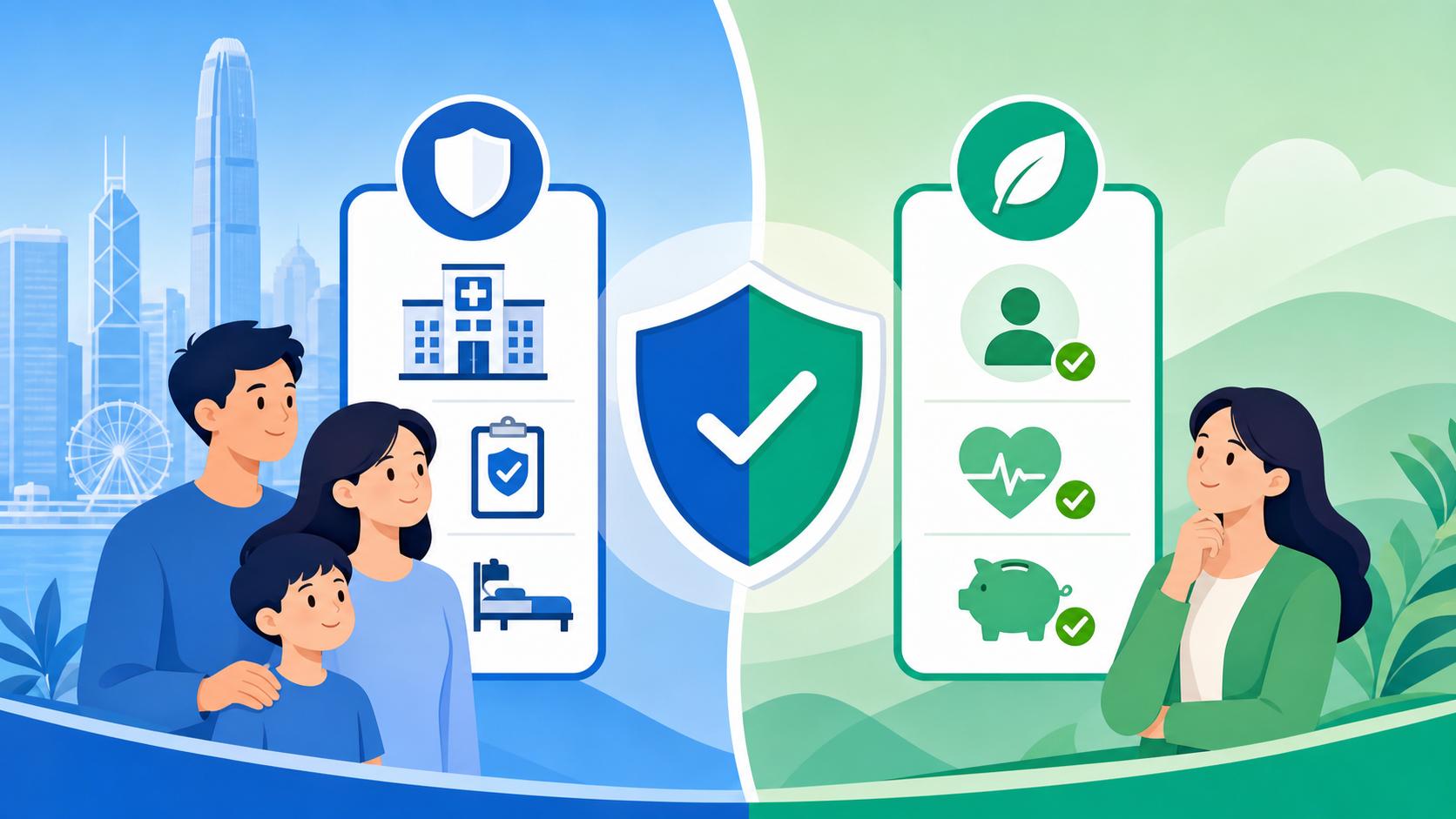
This is where the VHIS gets interesting—and a bit more complex. Flexi Plans are "Standard Plans Plus." Insurers take the basic government-mandated benefits and add layers of extra coverage on top. This is the category most expats eventually gravitate toward because it allows for higher-tier hospital rooms and significantly higher benefit limits. If the Standard Plan is a basic economy ticket, the Flexi Plan is premium economy or business class, depending on how much you are willing to pay.
Enhanced Coverage Limits and Room Types
The biggest draw of a Flexi Plan is the increased "Annual Limit." While the Standard Plan caps you at HKD 420,000, some Flexi Plans can go up to HKD 5 million or even offer "unlimited" lifetime coverage. Furthermore, Flexi Plans often allow for semi-private or even private rooms. In a city where privacy is the ultimate luxury, having a semi-private room at a hospital like Gleneagles can make a stressful medical situation much more bearable. You can find more about these options in our guide on Top Private Hospitals on HK Island: Matilda, Adventist, and Sanatorium.
Supplemental Major Medical (SMM)
One feature you will see in Flexi Plans that you won't find in Standard ones is "Supplemental Major Medical" or SMM. Think of this as an extra bucket of money that kicks in when you exceed the specific sub-limits of your plan. For example, if your plan pays HKD 30,000 for a surgeon’s fee but the actual cost is HKD 50,000, the SMM can cover a percentage (usually 80%) of that extra HKD 20,000. It provides a "cushion" that protects you from out-of-pocket expenses when a surgery turns out to be more complicated than expected.
Added Benefits: Outpatient and Dental
Many Flexi Plans also include or offer "riders" for outpatient care, such as visits to a GP or specialist without being hospitalized. Some even throw in basic dental coverage or annual "body checks." If you are someone who visits the doctor frequently for Finding English-Speaking General Practitioners (GPs) in Central, a Flexi Plan with an outpatient rider might save you money in the long run. Some high-end providers like Cigna Global offer plans that integrate these benefits seamlessly, providing a level of care that goes far beyond the public system's "wait-and-see" approach.
| Feature | VHIS Standard Plan | VHIS Flexi Plan |
|---|---|---|
| Annual Benefit Limit | HKD 420,000 | HKD 500,000 to "Unlimited" |
| Room Type | Ward (Multi-bed) | Semi-Private or Private |
| Pre-existing Conditions | Covered (with waiting period) | Covered (with waiting period) |
| Benefit Structure | Fixed by Government | Standard + Enhanced Benefits |
| Surgical Fees | Capped per surgery scale | Higher caps or Full Cover |
| Tax Deduction | Eligible (up to HKD 8,000) | Eligible (up to HKD 8,000) |
| Psychiatric Care | Inpatient only (HKD 30,000 cap) | Often higher limits |
Tax Deductions and Financial Perks
One of the cleverest parts of the VHIS scheme is the tax incentive. The Hong Kong government wants you to buy these plans, so they allow you to deduct the premiums from your taxable income. For many of us, tax season in Hong Kong is already a headache, but this is one of the few ways to actually see a return on your investment. It’s not just a "bonus"; it’s a core feature of the financial planning for any expat living here long-term.
How Much Can You Actually Save?
The maximum tax deduction for VHIS premiums is HKD 8,000 per insured person per year. To be clear, this is a deduction from your taxable income, not a direct HKD 8,000 credit off your tax bill. Depending on your tax bracket (which you can check in our Hong Kong Tax Guide for Expats: Salaries Tax and Filing (2026)), this could save you anywhere from a few hundred to over a thousand dollars in actual tax paid. While it might not cover the entire premium, it certainly takes the sting out of the annual payment.
Claiming for Dependents
The real "hack" for families is that you can claim deductions for premiums paid for your "dependents" as well. This includes your spouse, children, and even your parents or grandparents—provided they hold a Hong Kong Identity Card. If you are paying for a family of four, that’s a total deduction of HKD 32,000 from your taxable income. For those of us supporting Overseas Dependent Parents, it’s worth noting that they must be HKID holders to qualify for the VHIS tax break, though you can still buy the insurance for them regardless.
Filing the Paperwork
Come May, when the Inland Revenue Department (IRD) sends out those dreaded green envelopes, claiming your VHIS deduction is actually one of the easier parts. You’ll need to look for the section on Claiming VHIS Tax Deductions for Yourself and Dependents on your BIR60 form. Most insurance companies in Hong Kong will send you a "Tax Certificate" or an annual statement specifically designed for this purpose. You don't usually need to attach it to the form, but you must keep it in your records for seven years in case the IRD decides to audit you.
Navigating the Public vs. Private Tension
One thing I had to learn the hard way is that insurance doesn't mean you never use the public system. In Hong Kong, the public and private systems often work in tandem. Even with a high-end Flexi Plan, if you are in a life-threatening car accident, the ambulance is going to take you to a public Accident and Emergency (A&E) Triage Categories in Public Hospitals ward because they have the best trauma equipment. VHIS is about giving you choice for everything else.
Using VHIS to "Top Up" Public Care
A common strategy among savvy expats is to use the public system for the initial "heavy lifting" and then use their VHIS to transfer to a private hospital for recovery or follow-up. For example, if you are diagnosed with a condition in a public hospital but the wait for surgery is six months, you can take your Specialist Referrals Work in the HK Public System and go straight to a private surgeon. Your VHIS plan will then cover the costs of that private surgery, allowing you to bypass the queue entirely.
The "Cash Bonus" for Public Ward Use
Here is a little-known tip: many VHIS plans (especially Flexi ones) offer a "Cash Benefit" if you choose to stay in a public hospital instead of a private one. If you are admitted to a public ward for a procedure, the government heavily subsidizes the cost (often just HKD 120 per day for HKID holders). Your insurance company, happy that they aren't paying a HKD 100,000 private hospital bill, might pay you a cash bonus of HKD 500 to HKD 1,000 per day for your "stay." I’ve known expats who used this cash to pay for a nice post-recovery staycation!
When Private is the Only Way to Go
For certain things, like Mental Health in Hong Kong: Counseling and Expat Support Services, the public system is notoriously overstretched. If you need to see a psychiatrist or psychologist, the wait in the public system can be over a year. A VHIS Flexi plan with psychiatric coverage allows you to see a private specialist immediately. The same applies to Maternity and Childbirth in HK: Public Wards vs Private Packages. If you want your husband to stay overnight or you want a specific obstetrician, you will need that private coverage to manage the costs of a private maternity hospital.
Crucial Considerations Before Signing
Before you rush off to sign a policy with the first agent who offers you a free calendar, there are a few "expat-specific" nuances you need to consider. The VHIS system is great, but it’s not a magic wand. You need to be honest about your medical history and your long-term plans in the city.
Full Disclosure and Pre-existing Conditions
I cannot stress this enough: be 100% honest on your application. If you "forgot" to mention a minor back injury from ten years ago and then try to claim for spinal surgery, the insurer can void your entire policy. While VHIS covers unknown pre-existing conditions, known ones are usually excluded or subject to a "premium loading" (meaning you pay more). If you have a complex medical history, you might want to look at premium global providers like Cigna Global, who are often more experienced in handling "non-standard" medical disclosures for international clients.
Guaranteed Renewal and Portability
One of the best things about VHIS is that once you are in, they cannot kick you out. As long as you pay your premiums, the insurer must renew your policy every year until you are 100 years old, regardless of how many claims you make. This is a massive relief if you develop a chronic condition like diabetes or hypertension. Also, if you decide to switch insurance companies, you can take your "VHIS status" with you, although you might have to go through underwriting again for the new company’s specific "Flexi" benefits.
The Migration Option for Existing Policy Holders
If you already have an old-style medical insurance policy in Hong Kong, your insurer is legally required to offer you a one-time chance to "migrate" to a VHIS plan. I did this a few years ago. It’s usually a simple process, but be careful: check if your old plan had any specific "perks" that the new VHIS plan might not have. However, for most people, the added protections of the VHIS framework (like the VHIS vs Employer Group Medical Insurance: Do You Need Both? debate) make the switch a no-brainer.
Summary of Action Steps
If you’re feeling overwhelmed, just follow these four steps to get your health coverage sorted:
- Check your current coverage: Does your employer provide insurance? Is it a "Global" plan or a local one? If it's local, see if it's VHIS-certified.
- Decide on your budget: Can you afford a Flexi Plan for a private room, or do you just want the Standard Plan for the tax deduction and a basic safety net?
- Compare at least three providers: Look at the "Premium Tables" (which are public) and check the "Flexi" benefits carefully. Look for SMM (Supplemental Major Medical) if you want real peace of mind.
- Complete the 7-year clock: If you're new to HK, get your policy started now. The sooner you pass those first three years of "partial coverage" for unknown conditions, the better.
Disclaimer
This guide is for informational purposes only and based on personal experience as an expat in Hong Kong. Insurance regulations and tax laws can change; always consult with a licensed insurance professional or tax advisor before making financial decisions. Standardized VHIS terms are governed by the Health Bureau of the HKSAR.