Are Antibiotics Available Over-the-Counter in Hong Kong?
Standing in the middle of a brightly lit pharmacy in Causeway Bay while nursing a throbbing sinus infection is a rite of passage for many newcomers. I remember my first month in the city, convinced I just needed a quick course of amoxicillin to get back on my feet, only to be met with a firm "no" from the pharmacist. This guide explains exactly why antibiotics are not available over-the-counter in Hong Kong and how you can actually get the treatment you need without the stress.
The Short Answer: Why You Can't Buy Antibiotics OTC in Hong Kong
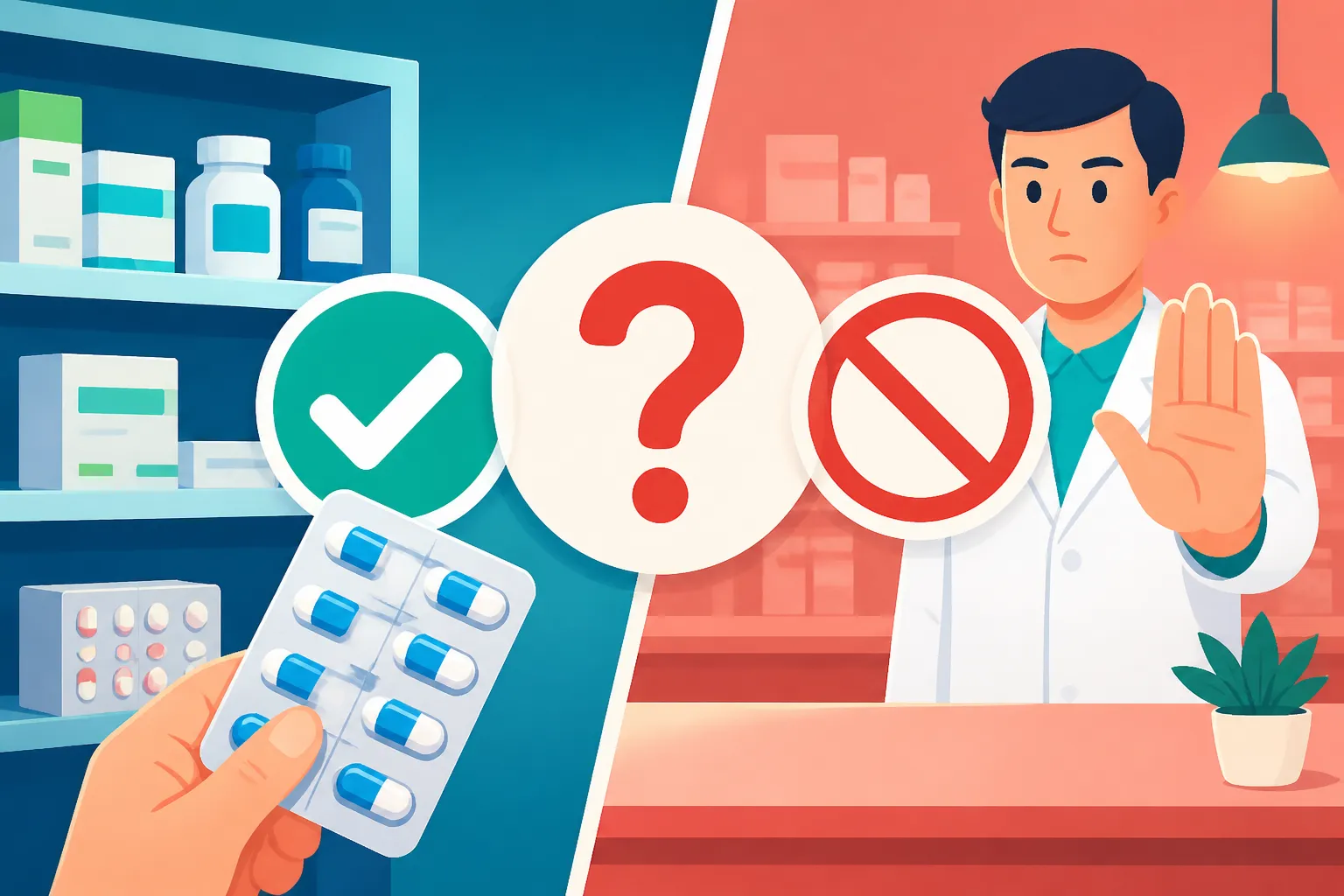
If you are coming from a country where the local "chemist" might be a bit more relaxed, or where you can buy almost anything over the counter, Hong Kong’s strictness can be a shock. In Hong Kong, antibiotics are classified as Part 1 Schedule 1 and Schedule 3 poisons under the Pharmacy and Poisons Ordinance. This means it is legally impossible—and a criminal offense for the shop—to sell them without a valid prescription signed by a doctor registered in Hong Kong.
The government has doubled down on these regulations over the last few years to combat the rising global threat of antimicrobial resistance. Visitors will see the "superbug" awareness posters in every MTR station, and they aren't just for show. The Department of Health monitors pharmacies closely, and the fines for selling antibiotics under the table are steep enough to keep most pharmacists strictly by the book. For tourists, having travel insurance like SafetyWing is crucial because it helps cover the costs of the mandatory doctor's visit required to get that prescription.
You might hear whispers of "mom-and-pop" shops in older neighborhoods like Sham Shui Po that might bend the rules, but I strongly advise against this. Not only are you risking your health with potentially counterfeit or improperly stored medication, but you are also engaging in an illegal transaction in a city that takes its pharmaceutical laws very seriously. To understand the broader context of how meds are handled here, you should check out our guide on Pharmacies and Medication in HK: Prescriptions and OTC Rules.
Navigating the Pharmacy System: Rx vs Medicine Company
One of the most confusing things for expats is telling the difference between a place that sells soap and a place that can actually fill a prescription. In Hong Kong, you will see many shops with the word "Pharmacy" or "Medicine" on the sign, but they are not all created equal.
The Rx Symbol and Registered Pharmacists
To get any controlled medication, you must look for the "Rx" symbol. This red-and-white logo indicates a "Registered Pharmacy" or "Authorized Seller of Poisons." By law, these premises must have a registered pharmacist on duty for a specific number of hours. If you walk into a shop that looks like a pharmacy but lacks this logo, they are likely a "Medicine Company" or "Medicine Store," which are only allowed to sell over-the-counter drugs like paracetamol or cough syrup. Knowing How to Spot a Pharmacy with a Registered Pharmacist on Duty can save you a lot of walking when you’re feeling unwell.
Supermarket Pharmacies and Chain Stores
Most expats gravitate toward Mannings or Watsons. These are the "Boots" or "CVS" of Hong Kong. While they are great for picking up vitamins and skincare, only the branches with a dedicated pharmacy counter can handle prescriptions. These counters usually close earlier than the main store, often around 7:00 PM or 8:00 PM. If you are covered by a plan from Cigna Global, you’ll find that most of these large chains are familiar with private insurance claims, though you usually pay upfront and claim back later.
What You Can Get Over-the-Counter
While you can't get antibiotics, Hong Kong pharmacies are surprisingly well-stocked with high-strength symptomatic relief. You can find strong antihistamines, decongestants, and even some codeine-based cough suppressants (though these also require a "P1" logbook entry where you provide your HKID or passport). If you’re confused about the labels, don't worry—most pharmacists in major areas speak excellent English and are used to the Difference Between Registered Pharmacies (Rx) and Drug Stores.
| Feature | Registered Pharmacy (Rx) | Medicine Company/Store |
|---|---|---|
| Antibiotics | With Prescription Only | Not Available |
| Pharmacist on Duty | Required by Law | No |
| Controlled Drugs | Yes | No |
| Logo | Red & White "Rx" Logo | None or "Medicine" text only |
| Common Brands | Watsons, Mannings, Local Rx | Small independent neighborhood shops |
How to Get a Prescription: The Expat's Path to Treatment
Since you cannot buy antibiotics over-the-counter, your only path is to see a medical professional. The good news is that Hong Kong has one of the most efficient healthcare systems in the world. You have two main choices: the public system or the private system.
Private General Practitioners
For most expats, a private GP is the way to go. In areas like Central, Tsim Sha Tsui, or Discovery Bay, clinics are everywhere. Unlike many Western countries, you don't usually need to wait days for an appointment; you can often walk in and be seen within 30 minutes. A unique quirk of the Hong Kong system is that most doctors "dispense" their own medication. This means the doctor will examine you and then their nurse will hand you a little bag of pills (including antibiotics) right there in the clinic. The cost of the medication is usually bundled into the consultation fee.
If you are looking for a high-end experience, there are many Finding English-Speaking General Practitioners (GPs) in Central who specialize in expat care. These clinics will accept international insurance like Cigna Global directly, or provide the detailed receipts needed for reimbursement.
The Public System and A&E
If you are on a budget or don't have private insurance, you can visit a public Outpatient Clinic or an Accident & Emergency (A&E) department. However, be prepared for a wait. Public clinics are incredibly cheap for HKID holders, but the queues can be several hours long for non-urgent cases. If the doctor deems antibiotics necessary, you will be given a prescription to fill at the hospital pharmacy for a nominal fee (usually around HK$15 per item).
For tourists without a local ID, the public system is significantly more expensive, which is why having a policy from SafetyWing is a lifesaver. You can manage your public health journey more easily by Using the HA Go App for Booking Public Outpatient Clinics. For a deeper dive into the costs, read our comparison on Healthcare in Hong Kong: Public vs Private Systems Explained (2027).
Pediatric Care
If it's your child who is sick, I recommend skipping the general GP and going straight to a pediatrician. Children’s health is handled with extreme care here, and doctors are cautious about over-prescribing. You’ll want to find a clinic that makes the little ones feel comfortable, so check out our list of Finding Expat-Friendly Pediatricians and Family Doctors to find a trusted provider in your neighborhood.
Bringing Your Own: Rules for Carrying Antibiotics into Hong Kong
Travelers often ask if it’s easier just to bring a stash of antibiotics from home "just in case." While this is a common practice among travelers, you need to be careful with Hong Kong Customs.
Personal Use Exemptions
Technically, you are allowed to bring a "reasonable quantity" of medication for personal use. However, the law states that this should be accompanied by a copy of the prescription. If you arrive with five boxes of different antibiotics and no doctor's note, Customs may seize them, and you could face questioning. The authorities are particularly strict about Prescription Drug Laws: Bringing Foreign Medication into Hong Kong to prevent illegal resale.
Documentation is Key
Always keep your medication in its original packaging with the pharmacy label showing your name. I’ve never been stopped for a single pack of antibiotics in my toiletry bag, but I always keep a digital scan of my prescription on my phone just in case. If you are moving here permanently and have chronic conditions that require ongoing antibiotic therapy, it is much safer to establish a relationship with a local doctor who can manage your records.
Safety and Counterfeits
One final word of warning: Hong Kong is a global trading hub, and while the regulated pharmacies are very safe, the "gray market" exists. Never buy antibiotics from online marketplaces or unregulated street stalls. If the price seems too good to be true, or if they are offering them without a script, it's a major red flag. Stick to the authorized sellers we've discussed to ensure you're getting genuine medication that hasn't expired or been stored in the humid Hong Kong heat.
Summary of Antibiotic Access for Expats
Navigating the medical landscape here is actually quite simple once you accept that "convenience" looks different in the East. You won't find amoxicillin next to the toothpaste, but you will find a doctor who can see you almost immediately.
- See a Doctor: This is the only legal way to get antibiotics. Most private GPs dispense the drugs on-site.
- Insurance: Use Cigna Global for comprehensive expat coverage or SafetyWing for short-term travel needs to offset the consultation costs.
- Identify the Pharmacy: Look for the red "Rx" logo if you need to fill a specific script outside of a doctor's office.
- Avoid the "Medicine Stores": They are fine for band-aids but cannot help with bacterial infections.
- Stay Legal: Don't try to "bypass" the system; the risks of counterfeit drugs or legal trouble aren't worth it.
If you are just starting your relocation journey, make sure to read our Essential Health Checklist for Your First 30 Days in Hong Kong to ensure all your medical bases are covered before you even feel a sniffle.
Medical Disclaimer
The information provided in this article is for informational and educational purposes only and does not constitute professional medical or legal advice. Hong Kong pharmaceutical laws are subject to change, and you should always consult with a qualified healthcare professional or a registered pharmacist regarding any medical condition or treatment. If you are experiencing a medical emergency in Hong Kong, please dial 999 immediately. We do not endorse the illegal purchase or use of prescription medication. Always verify the current regulations with the Hong Kong Department of Health or the Pharmacy and Poisons Board of Hong Kong.