Getting the BCG Vaccine for Newborns in Hong Kong Hospitals
Navigating the Hong Kong medical system while sleep-deprived and holding a newborn is one of the most overwhelming hurdles any expat parent faces. I still remember the blur of paperwork at Queen Mary Hospital, wondering if I was making the right choices for my daughter's health. This guide breaks down everything you need to know about getting the BCG vaccine for your newborn in Hong Kong hospitals.
Understanding the BCG Vaccine Protocol in Hong Kong
The Bacillus Calmette-Guérin (BCG) vaccine is a fundamental part of the Healthcare in Hong Kong: Public vs Private Systems Explained (2027). In many Western countries, particularly in North America or parts of Europe, the BCG vaccine is no longer a standard part of the routine childhood immunization schedule because tuberculosis (TB) rates are extremely low. However, Hong Kong is a high-density urban environment where TB remains a public health concern. The Department of Health (DH) recommends that every newborn in the city receive the vaccine as soon as possible after birth.
When you are preparing for Maternity and Childbirth in HK: Public Wards vs Private Packages, one of the first clinical decisions you will encounter is the administration of this vaccine. In the public system, it is almost automatic. In the private system, it is also standard, but you will often find it bundled into the pediatric fees. The vaccine protects infants against severe forms of tuberculosis, including TB meningitis and miliary TB, which can be life-threatening for those with developing immune systems.
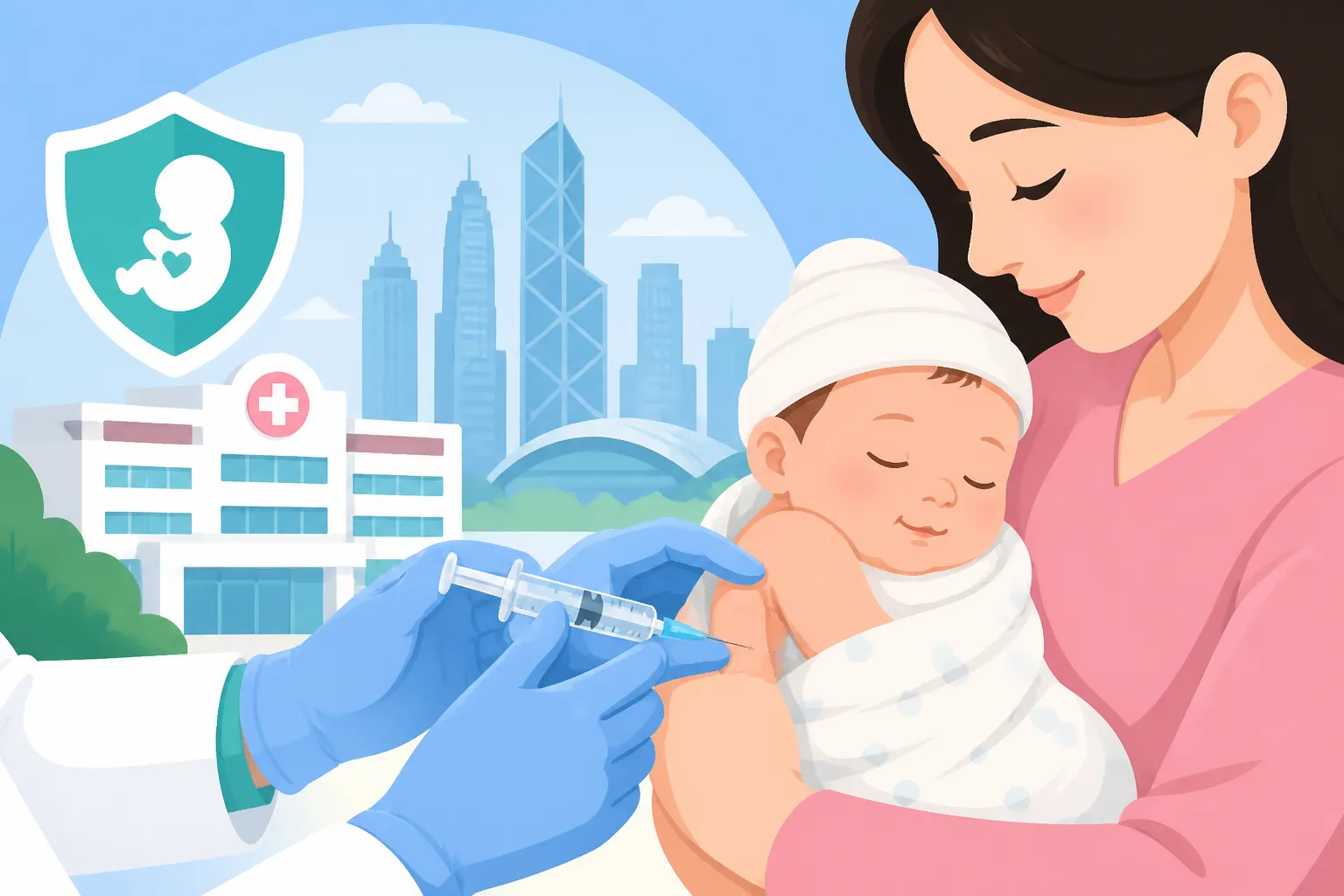
The protocol in Hong Kong dictates that the vaccine is administered intradermally (into the skin) on the left upper arm. Unlike some other childhood vaccines that require boosters, the BCG is typically a single-dose event at birth. If your child was born outside of Hong Kong and you have recently relocated, you may need to visit a Maternal and Child Health Centre (MCHC) to see if they are eligible for a catch-up dose, though this is usually reserved for children under the age of 15 who have not yet been vaccinated and are at risk.
For parents who are concerned about the necessity of this vaccine, it is worth noting that the Hong Kong government monitors TB rates meticulously. Because of the city's role as a global travel hub and the high population density in districts like Mong Kok or Sham Shui Po, the risk of exposure is significantly higher than in suburban settings back home. This is why The Hong Kong Childhood Immunisation Programme: Required Vaccines prioritizes the BCG dose within the first 24 to 48 hours of life.
Logistics of Vaccination in Public and Private Hospitals
If you give birth in a public hospital, such as Queen Elizabeth Hospital or the Prince of Wales Hospital, the BCG vaccine is usually administered in the nursery before the baby is even brought back to your bedside for the final time. The cost is fully covered for babies of "Eligible Persons" (those holding a valid HKID). If you have followed the guide on Registering Your HKID for Subsidized Public Healthcare Rates, the administrative side of this is seamless. You won't see a separate bill for the vaccine; it is part of the standard HKD 120 per day inpatient fee for residents.
In the private sector—at renowned institutions like Matilda International Hospital or Hong Kong Adventist Hospital—the process is slightly more personalized but essentially the same. The resident pediatrician will examine the baby and administer the BCG and the first dose of Hepatitis B. While the vaccine itself is not expensive, private hospitals charge for the "professional fee" of the pediatrician. It is important to check if your insurance, perhaps a plan from Cigna Global, covers these newborn nursery charges. Many international plans include a "Well Baby" benefit that specifically handles these initial vaccinations.
For those who are in Hong Kong on a more flexible or short-term basis, perhaps utilizing coverage from SafetyWing, you must ensure that your policy covers neonatal care. While the BCG is a minor cost, the associated hospital stay can be significant if not pre-authorized. If for some reason the vaccine was not given at the hospital—perhaps due to a premature birth or a specific medical contraindication—you will be directed to follow up at an MCHC.
| Feature | Public Hospital (HA) | Private Hospital |
|---|---|---|
| Timing | Within 24 hours of birth | Within 24-48 hours of birth |
| Cost | Included in standard ward fee | Separate pediatric/vaccine fee |
| Documentation | Recorded in the "Pink/Green Book" | Recorded in hospital records & health booklet |
| Follow-up | Maternal and Child Health Centre | Private Pediatrician or MCHC |
| Language | English/Cantonese | Primarily English-friendly |
When you are Registering Your Newborn's Birth at the HK Births Registry, you will need the birth return from the hospital, which confirms that all standard medical procedures, including the BCG, have been initiated. Keep all the vaccination records safely; you will need them for future school admissions and if you eventually apply for Dependent Visas in HK: Bringing Spouses and Children for any subsequent family moves.
Post-Vaccination Care and the BCG Scar
The most stressful part of the BCG vaccine for many expat parents is the healing process. Unlike the quick prick of a flu shot, the BCG vaccine creates a "slow-motion" reaction. I remember panicking three weeks after my son was born because his arm looked like it had a small, red pimple. I thought it was infected, but as my local GP explained, this is exactly what is supposed to happen.
Usually, about two to four weeks after the injection, a small red papule (a raised bump) will appear at the injection site. Over the next few weeks, this bump may enlarge and eventually turn into a small ulcer. It might even discharge a tiny amount of pus. This can be alarming, but it is the body’s natural way of building immunity. You should not put any ointments, creams, or bandages on the area. Simply keep it clean and dry. If it leaks, you can wipe it with a bit of cooled, boiled water and a clean cotton ball.
Eventually, the ulcer will crust over and heal, leaving behind the characteristic "BCG scar." This scar is almost a rite of passage for anyone raised in Hong Kong. During your Child Developmental Screenings at Maternal and Child Health Centres, the nurses will check the site to ensure it is healing as expected. If the swelling becomes excessive—for example, if a large lump appears under the baby’s armpit (the lymph node)—you should seek advice from one of the Finding Expat-Friendly Pediatricians and Family Doctors in your area.
It is also vital to keep the "Comprehensive Child Health Record" (the small booklet provided by the hospital) updated. This booklet is your baby's most important medical document in Hong Kong. Whether you are seeing a private doctor covered by Cigna Global or attending a public clinic, every single drop of medicine and every prick of a needle should be logged here. You will be asked for this book constantly during the first five years of your child's life.
Navigating the Public MCHC System for Follow-ups
Even if you give birth in a private hospital and have the best insurance, I highly recommend registering with your local Maternal and Child Health Centre. These government-run clinics are the backbone of pediatric care in the city. After the initial BCG vaccine, the MCHC will handle the rest of The Hong Kong Childhood Immunisation Programme: Required Vaccines for free or at a very low cost for HKID holders.
The first visit to an MCHC can be a bit of a culture shock. They are often crowded, and the system is incredibly efficient but can feel impersonal compared to a private clinic in Central. You will be assigned a center based on your residential address. When you go, you’ll join a queue of other parents, your baby will be weighed, and you will have a brief consultation with a nurse and sometimes a doctor. They are very strict about the schedule, so if you missed the BCG for any reason, this is where the catch-up will happen.
For expat parents, the language barrier at MCHCs is usually manageable. Most nurses speak decent English, especially in areas with high expat populations like Mid-Levels, Pok Fu Lam, or Sai Kung. However, the forms and the sheer volume of people can be daunting. Having a plan from SafetyWing or similar can give you the peace of mind to use private pediatricians for more personal consultations while still utilizing the public system for the "official" vaccination records and basic screenings.
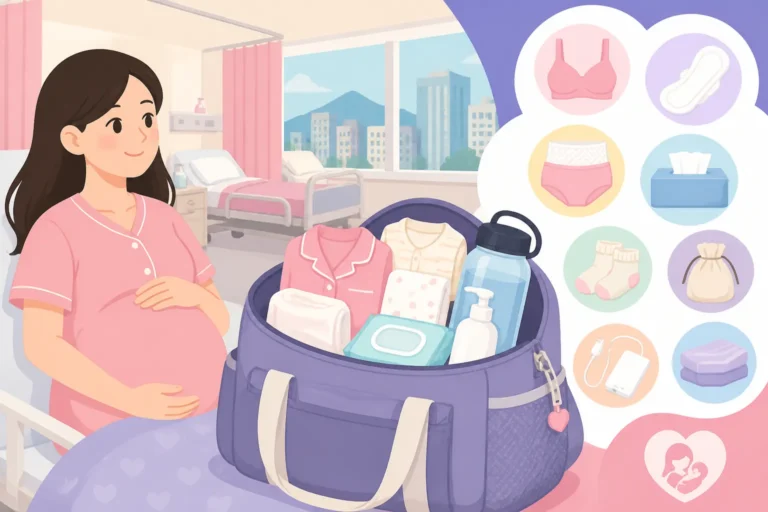
If you are currently preparing your Public Maternity Wards: What to Pack for Your Hospital Bag, make sure you have a folder ready to hold all the discharge summaries. The doctors at the MCHC will want to see the specific details of the BCG administration, including the batch number and the date. In Hong Kong’s highly regulated system, data is king, and having your paperwork in order will save you hours of administrative headaches.
Insurance Considerations and Final Tips
When you are looking into Maternity Packages at Private Hospitals: What to Budget in 2026, you will notice that most packages include the "routine" vaccinations for the newborn. However, always read the fine print. Some "budget" private packages might exclude the pediatrician's fee for administering the vaccine, which can add a few thousand Hong Kong dollars to your final bill.
If you are an expat professional, check if your company’s group medical insurance covers the "Well Baby" visits. If not, a private international plan from Cigna Global is often the gold standard for families in Hong Kong, as it allows you to bypass the public queues and see specific specialists who can spend more time explaining the nuances of the BCG reaction and other developmental milestones.
Finally, remember that the BCG vaccine is just the beginning of a long series of health-related administrative tasks. From Registering Your Newborn's Birth at the HK Births Registry to setting up your first appointment at the MCHC, the first month is a whirlwind. Don't be afraid to ask for help or seek a second opinion if you are worried about how the vaccine site is healing. Hong Kong has some of the best medical outcomes in the world, and while the "I've-been-there" frustration of the bureaucracy is real, the actual clinical care is top-notch.
Keep your cool, keep that vaccination booklet safe, and don't pick at the scab. Your little one is being protected by a system that has successfully kept TB at bay in one of the most crowded cities on Earth.
Disclaimer
This guide is for informational purposes only and represents the personal experiences and research of the author. It does not constitute professional medical advice, diagnosis, or treatment. Always seek the advice of your pediatrician or other qualified health provider with any questions you may have regarding a medical condition or the vaccination schedule for your child. Medical regulations and public health policies in Hong Kong are subject to change.