The Hong Kong Childhood Immunisation Programme: Required Vaccines
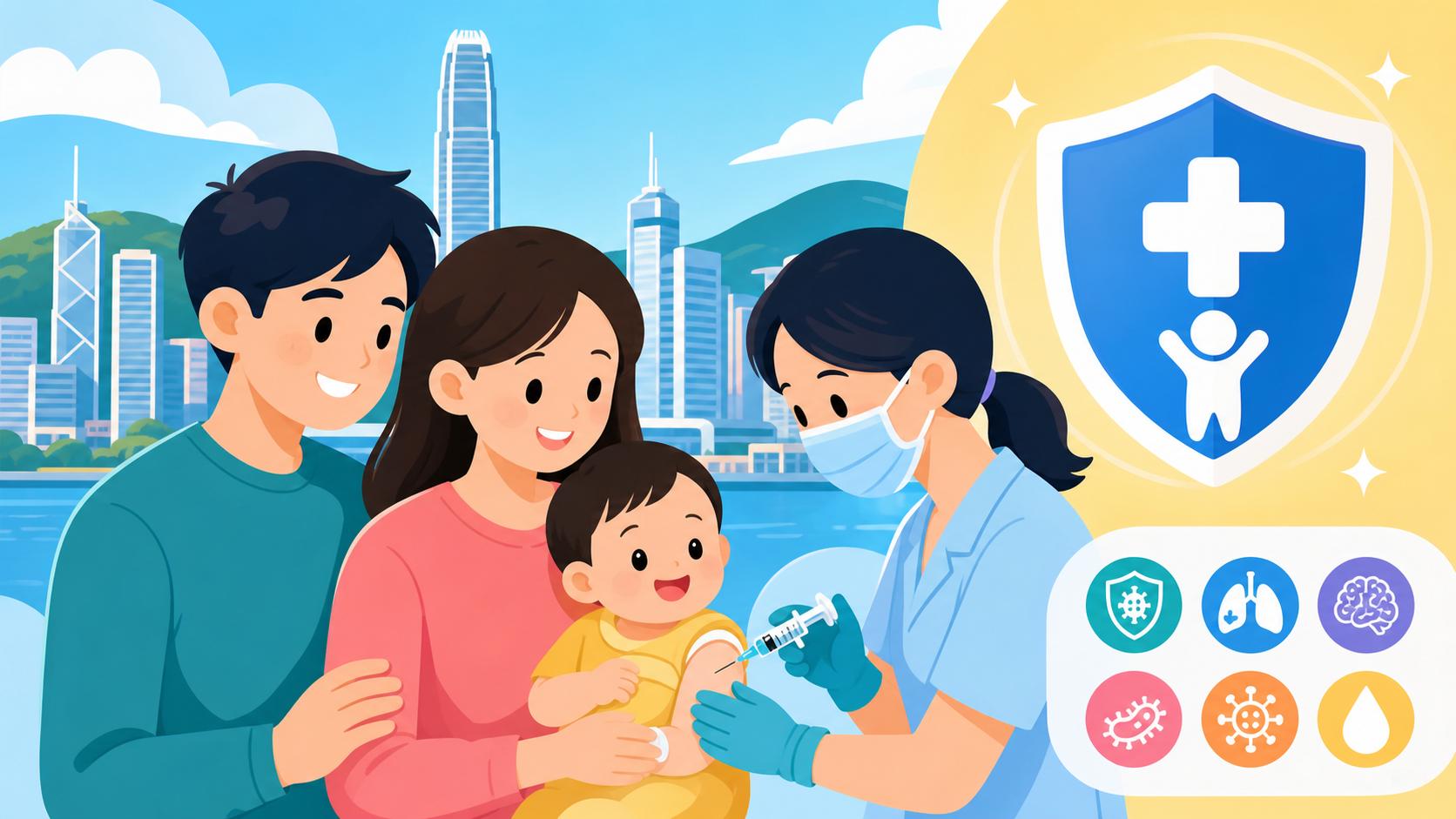
Moving to a new country is hard enough, but trying to decipher a foreign medical system while sleep-deprived with a newborn is a different level of stress altogether. I remember the panic I felt when my daughter's first appointment letter arrived with terminology I hadn't yet mastered, leaving me wondering if I was missing a critical health milestone. This guide breaks down the Hong Kong Childhood Immunisation Programme (HKCIP) to ensure your little ones stay protected while you navigate the local administrative hurdles with confidence.
Understanding the Hong Kong Childhood Immunisation Programme
The Hong Kong Childhood Immunisation Programme, or HKCIP, is a comprehensive framework established by the Department of Health to protect children from birth through primary school. Many expats find that the system here is remarkably efficient, but it operates with its own set of rules and cultural nuances. The primary goal of the programme is to provide a standardized schedule of vaccines that are most relevant to the epidemiological environment of Hong Kong and the surrounding region.
What is the HKCIP
The HKCIP is the official government-recommended schedule of vaccines provided free of charge to all children who are "Eligible Persons" (EP) in Hong Kong. This usually includes anyone with a valid Hong Kong Identity Card or birth certificate. The programme is managed by the Department of Health's Maternal and Child Health Centres (MCHCs) for infants and toddlers, and by the School Immunisation Teams for primary school students.
One thing that surprised me when I first arrived was the inclusion of certain vaccines that weren't standard in my home country, while others I expected to be free were considered "optional extras." For instance, the BCG vaccine for tuberculosis is a big deal here because of Hong Kong's history and density. This programme is dynamic; the government updates it based on the latest health data, such as the relatively recent inclusion of the 13-valent Pneumococcal Conjugate Vaccine (PCV13) and the Chickenpox (Varicella) vaccine.
The Schedule from Birth to Primary 6
The timeline starts immediately. Your baby will receive their first shots before they even leave the hospital. From there, the schedule follows a rhythm of 1 month, 2 months, 4 months, 6 months, 12 months, and 18 months. Once your child enters the school system, the government's School Immunisation Teams take over, visiting schools to administer boosters in Primary 1 and Primary 6.
It is a long-term commitment. I remember feeling like I was constantly at the clinic during that first year. However, the structure is designed to build immunity during the most vulnerable stages of development. If you are arriving in Hong Kong with an older child, you’ll need to have your previous records ready so the local doctors can cross-reference them with the HKCIP to see if there are any gaps.
Eligibility and Costs for Expats
If you have a valid HKID or your child was born in Hong Kong, the vaccines included in the HKCIP are free at any MCHC. This is a huge benefit, as the quality of care in the public system is high. However, many expats choose the private route for convenience and shorter wait times. If you go private, you will pay for both the consultation and the vaccine itself.
For those with comprehensive expat insurance, such as plans from Cigna Global, these costs are often reimbursable, making the private route much more accessible. It’s worth checking your policy early on, as some plans have a "wellness" or "outpatient" benefit that specifically covers childhood immunisations. Even if you choose the public system for the free shots, you might still visit a private pediatrician for "non-programme" vaccines like Rotavirus or Meningococcal B, which can add up quickly.
Where to Get Your Child Vaccinated
Deciding between the public and private sectors is one of the first major choices you’ll face. Each has its own vibe and administrative requirements. Having navigated both, I’ve found that while the public system is robust, the private sector offers the kind of hand-holding that many new parents find comforting.
Maternal and Child Health Centres
MCHCs are the backbone of the public health system for children. They are spread across the territory, from the busy streets of Sai Ying Pun to the quieter corners of the New Territories. To use them, you’ll first need to go through the process of Registering Your HKID for Subsidized Public Healthcare Rates. Once registered, you can book appointments for your child’s vaccinations and developmental check-ups.
The MCHC experience is very "Hong Kong"—it is functional, busy, and strictly scheduled. You’ll be given a "blue book" (the Immunisation Record), which becomes your most prized possession. Every shot, weight check, and head circumference measurement is recorded here. While English is spoken by the staff, the environment can feel a bit clinical and rushed compared to what you might be used to back home. But the price (free) and the expertise are hard to beat.
Private Pediatric Clinics and Hospitals
Many expats prefer the personalized care of private pediatricians. Clinics in areas like Central, Tsim Sha Tsui, or Repulse Bay often feel more like a boutique experience. You can usually book an appointment with much shorter notice and spend more time discussing your concerns with the doctor. For a list of reputable options, you might look into Top Private Hospitals on HK Island: Matilda, Adventist, and Sanatorium.
Private clinics also offer "combination vaccines" that aren't always available in the public system. These combine several shots into one, meaning fewer needles for your little one. While this sounds ideal, these combination vaccines can be expensive. If you are moving frequently for work, having a flexible plan like SafetyWing can be useful for general health coverage, but for routine, scheduled vaccines, a dedicated local or international plan is usually better. Private doctors are also more likely to carry the "optional" vaccines that the government doesn't provide.
Choosing Between Public and Private
The choice often comes down to your budget and your schedule. The MCHCs require you to be there at a specific time, and if you're late, you might lose your slot. There’s also the "one-parent-only" rule that sometimes pops up in public clinics during busy periods or health alerts, which can be frustrating if both parents want to be present.
On the other hand, the private sector allows for more flexibility. If you are worried about the cost of private care, remember that you can "mix and match." Many parents get the standard free vaccines at the MCHC and then visit a private doctor for the ones not covered by the government. If you have insurance through Cigna Global, you can often claim back the private fees, giving you the best of both worlds: the government's reliable schedule and the private doctor's comfortable environment.
Decoding the Required Vaccines
The actual list of vaccines can look like alphabet soup. Understanding what each one does—and why it’s given at a specific time—can help lower your anxiety. In Hong Kong, the focus is heavily on diseases that thrive in high-density urban environments.
BCG and Hepatitis B
The BCG (Bacillus Calmette-Guérin) vaccine is the first shot your baby will get, usually within 24 hours of birth. It protects against tuberculosis (TB). In many Western countries, this isn't a routine vaccine anymore, but in Hong Kong, it’s mandatory. You’ll notice that almost everyone who grew up in HK has a small, circular scar on their upper left arm—that’s the BCG scar. Don’t be alarmed if the injection site becomes red or forms a small blister a few weeks later; that’s a normal reaction.
Hepatitis B is another birth-day requirement. Hong Kong has historically had higher rates of Hep B, and the goal is to prevent mother-to-child transmission. Your child will get a total of three doses: at birth, 1 month, and 6 months. It’s a standard, very safe vaccine that provides lifelong protection against a virus that can cause serious liver issues.
The DTaP-IPV and PCV13 Series
This is the core of the infant schedule. DTaP-IPV stands for Diphtheria, Tetanus, acellular Pertussis (whooping cough), and Inactivated Poliovirus. This is given at 2, 4, and 6 months, with a booster at 18 months. It’s vital for protecting against whooping cough, which can be quite dangerous for infants.
The PCV13 vaccine protects against 13 types of pneumococcal bacteria, which can cause pneumonia, meningitis, and ear infections. This was a significant addition to the HKCIP a few years ago. In the public system, it’s given at 2, 4, and 12 months. If you’re coming from a country that uses a different pneumococcal vaccine, your private pediatrician can help you decide if a "catch-up" dose is needed. For more on how these referrals work, you can read about How Specialist Referrals Work in the HK Public System.
MMRV and Beyond
At the one-year mark, your child will receive the MMRV vaccine, which covers Measles, Mumps, Rubella, and Varicella (chickenpox). Hong Kong recently moved to a two-dose schedule for MMRV to ensure better protection against outbreaks. The first dose is at 12 months and the second is usually given in Primary 1 (around age 6).
Wait times for these vaccines in the public system are generally non-existent once you have an appointment, but the scheduling is strict. If you miss your 12-month appointment, you’ll need to call the MCHC immediately to reschedule. If you're navigating these milestones, it’s also helpful to stay informed about Accident and Emergency (A&E) Triage Categories in Public Hospitals just in case your child has a rare but significant reaction and you need to seek urgent care.
| Vaccine Type | Dose 1 | Dose 2 | Dose 3 | Booster |
|---|---|---|---|---|
| BCG (Tuberculosis) | At Birth | – | – | – |
| Hepatitis B | At Birth | 1 Month | 6 Months | – |
| DTaP-IPV | 2 Months | 4 Months | 6 Months | 18 Months, P.1, P.6 |
| Pneumococcal (PCV) | 2 Months | 4 Months | 12 Months | – |
| MMRV (Measles, etc.) | 12 Months | Primary 1 | – | – |
| Chickenpox (Varicella) | 12 Months | Primary 1 | – | – |
Non-Programme Vaccines: The Extra Protection
One of the most confusing things for expat parents is learning that the "free" government list isn't the "full" list of what’s available. There are several vaccines that many doctors recommend, but which aren't currently part of the HKCIP.
Rotavirus and Meningococcal Vaccines
Rotavirus is a common cause of severe diarrhea and vomiting in infants. Because it spreads so easily in daycare centers, many parents in Hong Kong opt for this vaccine. It’s an oral vaccine (drops in the mouth), usually given at 2 and 4 months. Since it’s not in the HKCIP, you’ll have to get it at a private clinic.
Meningococcal vaccines (ACWY and B) are also "optional" in Hong Kong. However, given that many expat families travel frequently to the UK, Australia, or the US—where these are often part of the standard schedule—many pediatricians here highly recommend them. These can be quite expensive, so having a robust insurance policy like those from Cigna Global can help manage these out-of-pocket costs.
Seasonal Flu Shots and Travel Jabs
The flu season in Hong Kong is no joke. The city's density makes it a breeding ground for respiratory viruses. The government often runs a "Vaccination Subsidy Scheme" (VSS) where children can get discounted or free flu shots at participating private clinics. I always make it a point to get my kids jabbed before the winter peak.
If you are planning to explore the rest of Asia, you should also look into Travel Clinics in Hong Kong: Vaccinations for Southeast Asia. Depending on where you’re headed, you might want to consider vaccines for Japanese Encephalitis or Rabies. These are never part of the routine childhood programme but are essential for the adventurous expat family.
Hand, Foot, and Mouth Disease Considerations
While there isn't a widely used vaccine for all strains of Hand, Foot, and Mouth Disease (HFMD) in the general HKCIP yet, there are vaccines for EV71 (a severe strain of HFMD) available in the private sector. HFMD is incredibly common in Hong Kong kindergartens and can lead to school closures. Discussing the pros and cons of the EV71 vaccine with an English-Speaking General Practitioner (GP) in Central can give you peace of mind before your child starts school.
Practical Tips for Expat Parents
Navigating the medical world in a second language is a challenge. Even though English is an official language, the nuances of medical bureaucracy can still feel overwhelming.
Navigating the Language Barrier at Clinics
While almost all doctors and most nurses in the MCHCs speak English, the administrative staff might not be as fluent. It helps to have your HKID and your child's birth certificate ready. If you’re at a public clinic, expect most of the signage and posters to be in Chinese, with some English subtitles.
If you're feeling particularly nervous, you might look into Medical Translation Services: Navigating Local Clinics Without Cantonese, though for routine vaccine appointments, a translation app and a bit of patience usually suffice. In private clinics, the language barrier is almost non-existent, which is one of the reasons they are so popular with the expat community.
Keeping Records and the Immunisation Record Book
That little "blue book" (or the pink version for girls in some districts, though they are mostly standardized now) is your child's medical passport. You will need it for everything: enrolling in International Schools in HK: Curriculums, Debentures, and Applications, joining sports clubs, and even for some visa applications.
Make sure you get every vaccine stamped and dated. If you get a vaccine at a private clinic, ask them to record it in your MCHC book as well, or keep the private record stapled inside. I also highly recommend taking a clear photo of every page and saving it to a cloud drive. Losing that book is a major headache, involving multiple trips to the Department of Health to reconstruct your child’s history.
Managing Post-Vaccination Fever at Home
It’s common for kids to get a mild fever or be a bit cranky after their jabs. In Hong Kong, the standard advice is to use paracetamol (like Calpol or Panadol). You can find these easily at pharmacies like Watsons or Mannings. For a more detailed guide on where to buy supplies, check out Over-the-Counter (OTC) Medicines in HK: Watsons, Mannings, and Rx.
One thing to note is that Hong Kong homes can be quite warm and humid, which doesn't help a feverish baby. Keep the air conditioning at a comfortable level and offer plenty of fluids. If the fever persists, you can always use Telemedicine Apps in HK: DoctorNow and Virtual Consultations to speak to a doctor without having to drag a miserable child back out into the heat.
Transitioning Between Systems
One of the biggest hurdles for expats is moving to Hong Kong with a child who has already started their vaccinations elsewhere, or leaving Hong Kong and needing to prove what they’ve had.
Bringing Records from Overseas
If you’re moving to Hong Kong, bring your original records. The nurses at the MCHC will need to see them to "convert" them into the Hong Kong format. They are very strict. If a record is missing a stamp or a signature, they might not recognize it. If your records aren't in English, you'll likely need a certified translation. You can find more on this in our guide on Certified Copies for Visa Applications: Who Can Sign?.
The MCHC staff will look at your child's age and their previous shots and then create a "catch-up" plan. For example, if your child had the 4-in-1 vaccine but not the BCG, they will schedule the BCG for your next visit. It’s a very organized process, even if the initial paperwork feels daunting.
Catch-up Schedules for Older Children
If you've missed some doses due to the move, don't worry. The Hong Kong system is used to "transient" populations. They have established catch-up protocols for all major vaccines. This is particularly important for school-aged children. Many international schools require a completed immunisation record before a child can start classes.
If you’re in a rush to get your child ready for school, the private route is much faster. A private pediatrician can often do multiple "catch-up" doses (where safe) and provide the necessary letters for school administrators. This is where having that SafetyWing or Cigna Global coverage can really help, as you can bypass the public system's waiting lists.
Leaving Hong Kong Financially Prepared
When it’s time to move on to your next adventure, make sure your records are up to date. The MCHC will give you a final printout of all vaccinations administered in the public system. Combined with your private records, this will be essential for your child's entry into the school system in your next country.
As you prepare to leave, don't forget to handle the financial side of things, such as Leaving Hong Kong Financially Prepared: Taxes, Banks, and MPF. Ensuring all your medical records are digitized and your insurance claims are settled will make the transition much smoother for the whole family.
Disclaimer
This guide is intended for informational purposes only and does not constitute professional medical advice. Vaccination schedules and government policies in Hong Kong can change. Always consult with a qualified healthcare professional or the Hong Kong Department of Health for the most current information regarding your child’s health and immunisation needs. Be sure to verify any insurance coverage details directly with your provider, such as Cigna Global or SafetyWing, before undergoing private medical procedures.