Mammograms and Pap Smears: Booking Routine Checks for Expats
Finding your footing in Hong Kong’s healthcare system often feels like trying to find a specific stall in the Ladies' Market—overwhelming, loud, and slightly intimidating. I remember sitting in a crowded waiting room in Wan Chai during my first year here, clutching a ticket number and wondering if I’d even be seen before the MTR stopped running. This guide breaks down the confusing world of mammograms and Pap smears so you can stay healthy without the administrative headache.
The Public vs Private Healthcare Dilemma for Women
When you first arrive, everyone tells you the same thing: the public system is world-class but slow, and the private system is luxurious but expensive. For routine screenings like Pap smears and mammograms, this divide is especially sharp. If you are an Eligible Person (EP)—meaning you hold a valid Hong Kong Identity Card—you are entitled to heavily subsidized rates. However, the trade-off is often a lack of choice regarding which doctor you see and a waiting list that can stretch into several months.
In the public sector, these services are primarily managed through the Department of Health’s Maternal and Child Health Centres (MCHCs) and the Woman Health Centres. These clinics are dedicated to women’s health, but they are not "wellness spas." They are functional, busy, and strictly clinical. If you prefer a more personalized experience where you can discuss your concerns in a quiet, English-speaking environment, you will likely lean toward the private sector. For many expats, having a policy with Cigna Global or a flexible plan from SafetyWing makes the private route the default choice, as it bypasses the public bureaucracy entirely. Understanding the Healthcare in Hong Kong: Public vs Private Systems Explained (2027) is the first step in deciding which path fits your lifestyle and budget.
Navigating the Public Woman Health Centres
The Department of Health operates three dedicated Woman Health Centres (in Lam Tin, Tuen Mun, and Chai Wan) and offers similar services at various MCHCs across the city. To access these, you must register, often via a phone booking system that can be finicky. Once you are in the system, you can access the Woman Health Service, which includes a physical exam, breast clinical examination, and a Pap smear.
The beauty of the public system is the cost. If you have gone through the process of Registering Your HKID for Subsidized Public Healthcare Rates, a routine screening package might cost you less than a fancy brunch in Soho. The downside is that these centers operate on very specific schedules, and if you miss your window, rebooking can be a nightmare. I’ve found that the staff at these centers are incredibly efficient, but they don't have much time for small talk. It is a "get in, get checked, get out" scenario.
Why Many Expats Choose Private Clinics
The private sector in Hong Kong is where you find the "Gold Standard" of expat care. Clinics in Central, Tsim Sha Tsui, and at the Top Private Hospitals on HK Island: Matilda, Adventist, and Sanatorium offer comprehensive "Well Woman" packages. These packages typically bundle a Pap smear, a mammogram (for those of age), an ultrasound, and a full blood panel.
The experience here is vastly different. You’ll find plush waiting rooms, gowns that actually fit, and doctors who have the time to explain the difference between a 2D and 3D mammogram. For those of us who have lived here long enough, we know that the peace of mind is often worth the premium. Many of these clinics offer direct billing if you are covered by Cigna Global, which means you won't have to pay thousands of dollars upfront and wait weeks for a reimbursement check.
Booking Your Pap Smear in Hong Kong
Cervical cancer screening is a high priority for the Hong Kong government, which led to the creation of the Cervical Screening Programme (CSP). This is a computerized registry that keeps track of your results and sends you reminders when your next check-up is due. Whether you go public or private, I highly recommend consenting to have your results uploaded to this registry so your records stay with you, regardless of which clinic you use.
The Cervical Screening Programme (CSP)
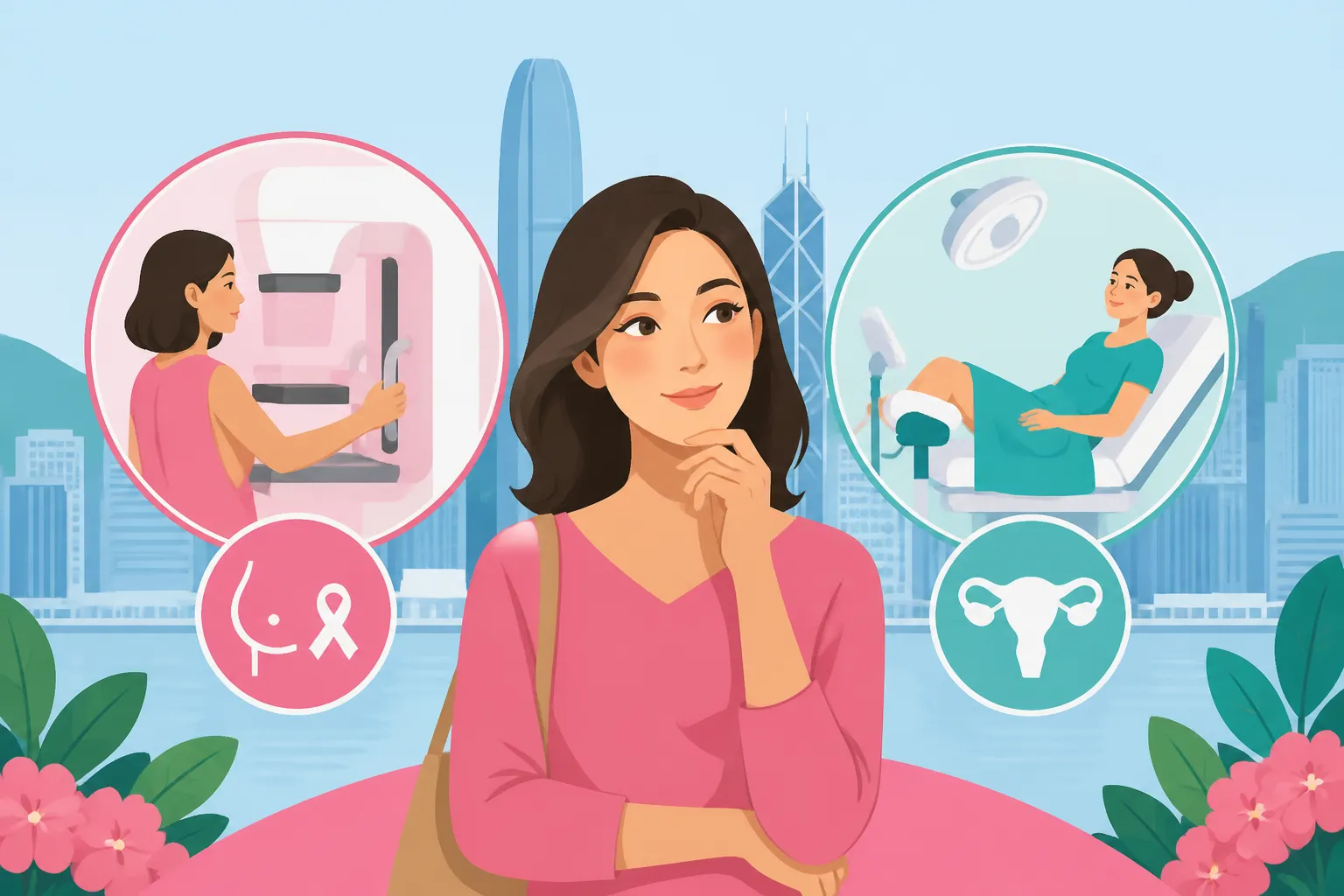
If you choose the public route, you can book a Pap smear at an MCHC for a very low fee. The government's current guideline suggests that women aged 25 to 64 who have ever been sexually active should have a Pap smear every three years after two consecutive annual normal results.
The process is straightforward: you call the 24-hour booking hotline or use the "HA Go" app. On the day of your appointment, you’ll need your HKID. If you don't have one yet, you’ll be charged as a Non-Eligible Person, which is significantly more expensive. It’s worth checking the Hospital Authority Fees: Eligible Persons (EP) vs Non-Eligible Persons (NEP) before you book to avoid any nasty surprises at the payment counter.
Private Gynecology and GP Options
If the idea of a government clinic doesn't appeal to you, most Finding English-Speaking General Practitioners (GPs) in Central can perform a Pap smear during a standard consultation. Many women prefer this because they already have a relationship with their GP.
The cost at a private clinic for a standalone Pap smear usually ranges from HKD 800 to HKD 2,500, depending on whether you are seeing a generalist or a specialist gynecologist. In my experience, if you are also looking for a breast exam or have specific hormonal concerns, it’s better to book with one of the dedicated Women's Health Clinics: Gynecology and Routine Cancer Screenings where the equipment and expertise are specialized.
Mammograms: Timing and Technology
Breast cancer screening in Hong Kong has become more streamlined in recent years with the launch of the Breast Cancer Screening Programme. Unlike some Western countries where screening is automatic at age 50, Hong Kong uses a risk-based approach. Women aged 44 to 69 with certain risk factors are encouraged to undergo a mammogram every two years.
Accessing Public Breast Screenings
In the public sector, mammograms are typically not part of a "walk-in" service. You usually need to be referred by a doctor at a Woman Health Centre or an MCHC after a clinical breast exam. If the doctor identifies a risk factor—such as a family history of breast cancer or a specific lifestyle factor—they will refer you to a public imaging center.
The cost is incredibly low for HKID holders, but the wait times can be significant. If you are a digital nomad or an expat on a short-term contract, you might find that your plan with SafetyWing provides better access to private imaging centers, allowing you to get screened in days rather than months.
Private Imaging and 3D Mammography (Tomosynthesis)
If you are over 40 and looking for a routine mammogram, private imaging centers are the way to go for speed and technology. Hong Kong’s private sector has some of the most advanced medical technology in the world, including 3D mammography, which provides a clearer picture of dense breast tissue—a common trait among many women.
Most expats will book their mammogram as part of a larger Annual Health Screening Packages (Body Checks): Where to Go. These packages are incredibly common in Hong Kong’s corporate culture. When you book at a private hospital, you can usually get your results within a few days, and many offer a follow-up consultation with a doctor to discuss the findings.
Cost Comparison and Insurance Coverage
Budgeting for healthcare is a major part of expat life here. While the public system is nearly free, the private system is among the most expensive globally, often rivaling New York or London.
| Service Type | Public (EP Rate) | Private Clinic | Private Hospital Package |
|---|---|---|---|
| Pap Smear | HKD 100 | HKD 800 – 1,800 | Part of Check-up |
| Mammogram | Subsidized (Referral) | HKD 1,500 – 3,000 | Part of Check-up |
| Specialist Consult | HKD 135 | HKD 1,200 – 2,500 | HKD 2,000+ |
| Full "Well Woman" | N/A | HKD 3,500 – 6,000 | HKD 8,000 – 15,000+ |
Most Private Health Insurance Plans Beyond VHIS for Expat Families will cover these screenings under a "Wellness" or "Outpatient" benefit. However, be aware that some lower-tier plans have a waiting period (usually 6 to 12 months) before you can claim for routine wellness checks. If you are covered by Cigna Global, you often have the flexibility to choose any private provider in the city.
Practical Tips for Your Appointments
Navigating the logistics can be just as stressful as the screening itself. Here are a few "pro-tips" from someone who has been through the system more times than I care to count:
- The Language Factor: While English is an official language, the nursing staff in public clinics may primarily speak Cantonese. If your Cantonese is limited to "m-goi," you might want to bring a friend or stick to private clinics where English is the primary language of communication.
- Timing Your Cycle: For both Pap smears and mammograms, try to book your appointment for the week after your period ends. This is when your breast tissue is least tender and your Pap smear results will be most accurate.
- Bring Your Records: If you’ve recently moved to Hong Kong, bring your previous screening results from your home country. Hong Kong doctors love data, and having your baseline results will help them identify any changes.
- The "Wait-and-See" at Public Hospitals: If you go public, bring a book and a portable charger. Even with an appointment, the "block booking" system means you might be waiting for an hour or two.
- Check Your Insurance Network: Before booking a private appointment, check if your doctor is on your insurer's "preferred provider" list. This can be the difference between a simple "swipe of the card" and a mountain of paperwork for reimbursement.
Preparing for the Unexpected
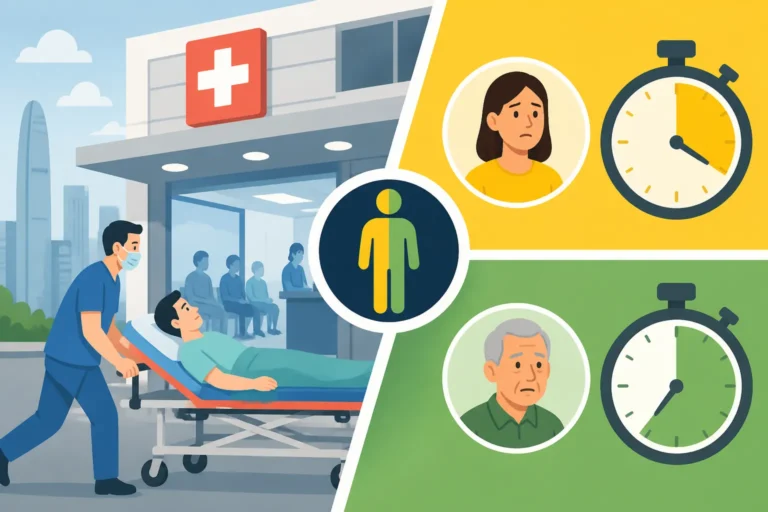
Sometimes a routine screening finds something that requires a follow-up. In Hong Kong, this usually means an ultrasound or a biopsy. This is where the speed of the private system becomes a vital asset. In the public system, a "Category 2" (semi-urgent) follow-up might still take weeks. In the private sector, you can often have a biopsy the same day or the next.
If you find yourself needing more than just a routine check, having a robust international policy from Cigna Global ensures that you aren't limited to the public system's timeline. Similarly, for younger expats or those traveling frequently, SafetyWing offers a safety net that covers the "what-ifs" that routine screenings are designed to catch. Staying proactive about these checks is the best way to ensure your time in Hong Kong is spent enjoying the skyline, not sitting in a hospital ward.
Disclaimer
The information provided in this article is for general informational purposes only and does not constitute professional medical advice, diagnosis, or treatment. Always seek the advice of your physician or other qualified health provider with any questions you may have regarding a medical condition. Healthcare regulations and costs in Hong Kong are subject to change; please verify specific details with the relevant authorities or your insurance provider.